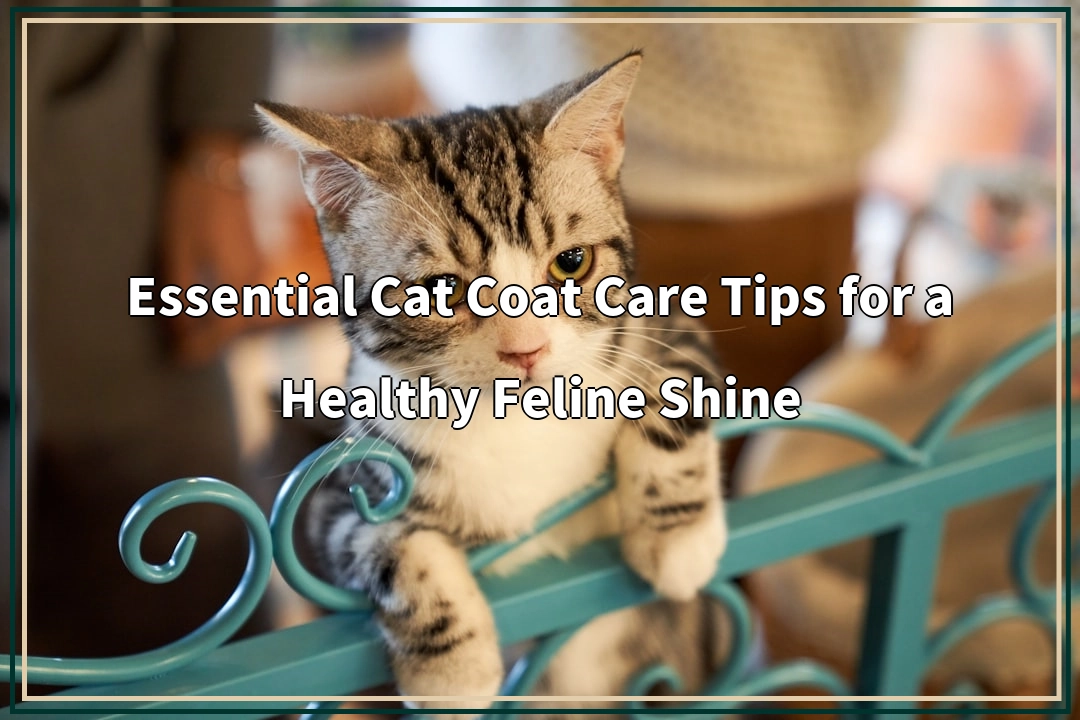
Unlocking the Secrets to a Luscious Cat Coat
When it comes to our feline friends, their coat is often one of the first things we notice. A healthy, shiny coat not only enhances a cat’s appearance but also serves as a vital indicator of their overall well-being. Did you know that a cat’s coat can reveal a lot about their health? For instance, a dull or patchy coat may signal nutritional deficiencies or underlying health issues. This makes cat coat care an essential aspect of responsible pet ownership. In this guide, we will explore essential cat coat care tips that will help you maintain your cat’s fur in top condition, ensuring they not only look good but feel good too.
Understanding Cat Coat Care Essentials
Cat coat care encompasses a variety of practices aimed at maintaining the health and appearance of your cat’s fur. The primary keyword here is “cat coat care,” which involves grooming, nutrition, and regular veterinary check-ups. Each of these elements plays a crucial role in ensuring that your cat’s coat remains vibrant and healthy.
Grooming is perhaps the most visible aspect of cat coat care. Regular brushing helps to remove loose fur, dirt, and debris, while also preventing matting. Different breeds have varying grooming needs; for example, long-haired breeds like Persians require more frequent grooming compared to short-haired breeds like the American Shorthair. Understanding your cat’s specific grooming requirements is essential for effective coat care.
Nutrition is another critical factor in maintaining a healthy coat. A balanced diet rich in essential fatty acids, vitamins, and minerals can significantly impact the quality of your cat’s fur. Foods that contain omega-3 and omega-6 fatty acids are particularly beneficial for promoting a shiny coat. Additionally, ensuring your cat stays hydrated is vital, as dehydration can lead to dry and brittle fur.
Regular veterinary check-ups are also an integral part of cat coat care. Your veterinarian can help identify any underlying health issues that may affect your cat’s coat, such as allergies, skin infections, or parasites. Early detection and treatment of these issues can prevent further complications and ensure your cat maintains a healthy coat.
In summary, effective cat coat care involves a combination of grooming, proper nutrition, and regular veterinary visits. By understanding and implementing these essential tips, you can help your feline friend achieve a healthy, shiny coat that reflects their overall well-being.
Exploring the World of Cat Breeds and Their Unique Coat Needs
When discussing cat coat care, it’s essential to consider the various breeds and their unique coat characteristics. Each breed has its own specific grooming needs, which can vary significantly based on coat length, texture, and density. Understanding these differences is crucial for providing the best care for your feline companion.
For instance, the Maine Coon, known for its long, thick fur, requires regular grooming to prevent matting and tangles. Their fur is water-repellent, which helps them thrive in colder climates, but it also means that they need consistent brushing to keep their coat in optimal condition. On the other hand, the Siamese cat has a short, fine coat that requires less grooming but still benefits from regular brushing to remove loose hair and distribute natural oils.
Additionally, some breeds are more prone to specific skin conditions or coat issues. For example, the Sphynx, a hairless breed, requires regular bathing to remove excess oils that can accumulate on their skin. Understanding the unique needs of your cat’s breed can help you tailor your grooming routine and ensure their coat remains healthy and vibrant.
In conclusion, cat coat care is a multifaceted topic that requires attention to grooming, nutrition, and breed-specific needs. By understanding the unique characteristics of your cat’s breed and implementing effective care practices, you can help your feline friend maintain a beautiful and healthy coat.

Understanding the Unique Traits of Cat Coats
The characteristics of a cat’s coat are not just about aesthetics; they play a crucial role in the overall health and well-being of your feline friend. Cat coats come in a variety of types, lengths, and textures, each with its own unique traits that reflect the breed’s history and evolutionary adaptations. The diversity in cat coats can be traced back to their wild ancestors, where coat characteristics evolved as adaptations to different environments and climates.
For instance, long-haired breeds like the Persian and Maine Coon developed their luxurious fur to provide insulation in colder climates, while short-haired breeds like the Siamese and American Shorthair adapted to warmer environments. This evolutionary background is essential to understanding how to care for your cat’s coat effectively.
Additionally, the texture of a cat’s coat can vary significantly. Some cats have soft, silky fur, while others may have coarse or wiry hair. This variation can influence grooming needs and the frequency of care required. For example, a cat with a dense, plush coat may require more frequent brushing to prevent matting and tangling, while a cat with a sleek coat may need less maintenance.
Another important aspect of cat coat characteristics is color and pattern. Cats can come in a myriad of colors, including solid, tabby, calico, and more. These patterns not only add to their visual appeal but can also be indicative of specific breeds. Understanding these characteristics helps pet owners appreciate the unique beauty of their cats and tailor their care routines accordingly.
In summary, the characteristics of a cat’s coat encompass a range of traits, including length, texture, color, and pattern. Each of these elements is shaped by the cat’s breed and evolutionary history, influencing the grooming and care practices necessary to maintain a healthy and vibrant coat.
Essential Practices for Optimal Cat Coat Health
Maintaining the health of your cat’s coat is a multifaceted endeavor that requires attention to diet, grooming, and regular veterinary care. A well-rounded approach ensures that your feline friend not only looks good but also feels great. Let’s delve into the essential practices that contribute to optimal cat coat health.
Diet plays a pivotal role in the health of your cat’s coat. A balanced diet rich in essential nutrients is crucial for promoting a shiny and healthy coat. Key nutrients include high-quality proteins, omega-3 and omega-6 fatty acids, vitamins, and minerals. Foods that contain fish oil or flaxseed oil are excellent sources of omega fatty acids, which are known to improve coat condition and reduce shedding.
In addition to omega fatty acids, vitamins such as A, E, and B-complex are vital for maintaining skin health and coat shine. Vitamin A helps in the production of sebum, the natural oil that keeps the coat moisturized, while vitamin E acts as an antioxidant, protecting the skin from damage. A diet that includes a variety of protein sources, such as chicken, turkey, and fish, will ensure that your cat receives the necessary amino acids for a healthy coat.
Grooming is another critical aspect of cat coat care. Regular brushing helps to remove loose fur, dirt, and debris, preventing matting and promoting healthy skin. The frequency of grooming will depend on your cat’s coat type; long-haired breeds may require daily brushing, while short-haired breeds may only need grooming once a week. Additionally, grooming sessions provide an opportunity to check for any skin issues, parasites, or abnormalities that may require veterinary attention.
Regular veterinary check-ups are essential for monitoring your cat’s overall health and addressing any potential coat-related issues. Common health concerns that can affect a cat’s coat include allergies, skin infections, and parasites such as fleas and mites. Early detection and treatment of these issues can prevent further complications and ensure your cat maintains a healthy coat.
In conclusion, optimal cat coat health requires a comprehensive approach that includes a balanced diet, regular grooming, and routine veterinary care. By understanding the essential practices for maintaining your cat’s coat, you can help ensure that your feline friend enjoys a healthy, shiny, and vibrant coat throughout their life.

Integrating Your Cat into Family Life
When welcoming a feline friend into your home, understanding how they interact with family members, other pets, and their environment is essential for creating a harmonious household. Cats can be wonderful companions, but their behavior and needs vary widely among different breeds. By considering these factors, you can ensure a smooth integration and foster a loving environment for your cat.
Many cat breeds are known for their sociable and friendly nature, making them excellent companions for families. For instance, breeds like the Ragdoll and Maine Coon are often described as gentle giants, known for their affectionate demeanor and patience with children. These breeds tend to thrive in family settings where they receive ample attention and interaction. On the other hand, more independent breeds like the British Shorthair may prefer a quieter household where they can maintain their personal space.
When introducing a cat to existing pets, it’s crucial to consider the personalities of both the cat and the other animals. Some breeds, such as the Abyssinian and Burmese, are generally more sociable and may adapt well to living with dogs or other cats. However, other breeds may be more territorial and prefer to be the sole pet in the home. Gradual introductions and careful monitoring can help ensure that all pets coexist peacefully.
Activity levels and stimulation requirements also vary among breeds. Cats are natural hunters and require regular mental and physical stimulation to stay happy and healthy. Active breeds like the Bengal and Siamese thrive on playtime and interactive toys, needing more engagement to prevent boredom. On the contrary, more laid-back breeds, such as the Persian, may be content with shorter play sessions and plenty of cozy resting spots.
Incorporating regular playtime, interactive toys, and environmental enrichment, such as climbing trees or scratching posts, can significantly enhance your cat’s quality of life. Providing a stimulating environment that caters to their natural instincts will help them feel secure and satisfied in their new home.
Your Cat Questions Answered
As a responsible cat owner, you may have many questions regarding the care and well-being of your feline friend. Here, we address some of the most frequently asked questions that potential cat owners or those looking to enhance their cat care routine might have.
What is the best diet for my cat to maintain a healthy coat?
To promote a shiny and healthy coat, it is crucial to provide a balanced diet rich in high-quality proteins, omega-3 and omega-6 fatty acids, and essential vitamins. Look for cat food that lists real meat as the first ingredient and includes fatty acids to support skin and coat health.
How often should I groom my cat based on their breed?
The grooming frequency depends on the breed and coat type. Long-haired breeds, like the Persian and Maine Coon, require daily grooming to prevent matting and tangling. Short-haired breeds, such as the American Shorthair, typically need grooming once a week. Always check for any signs of mats or tangles, regardless of coat length.
Are there specific health issues to be aware of for certain breeds?
Yes, different cat breeds can be prone to specific health issues that may affect their coat and overall health. For example, Persian cats may experience skin issues due to their dense fur, while Siamese cats are known for having respiratory problems. Regular veterinary check-ups can help monitor these conditions and address them promptly.
How can I reduce shedding in my cat?
Regular grooming is the most effective way to manage shedding. Brushing your cat helps remove loose fur and dander, which can reduce the amount of hair that ends up on your furniture and clothing. Additionally, a healthy diet and hydration can also contribute to minimizing shedding.
What should I do if I notice changes in my cat’s coat condition?
If you observe changes such as excessive shedding, dullness, or skin irritations, it is essential to consult your veterinarian. These changes may indicate underlying health issues that require attention, such as allergies, parasites, or nutritional deficiencies.
By understanding your cat’s needs and addressing common questions, you can create a loving and supportive environment that fosters their well-being. A well-cared-for cat will not only shine on the outside but also thrive on the inside.
