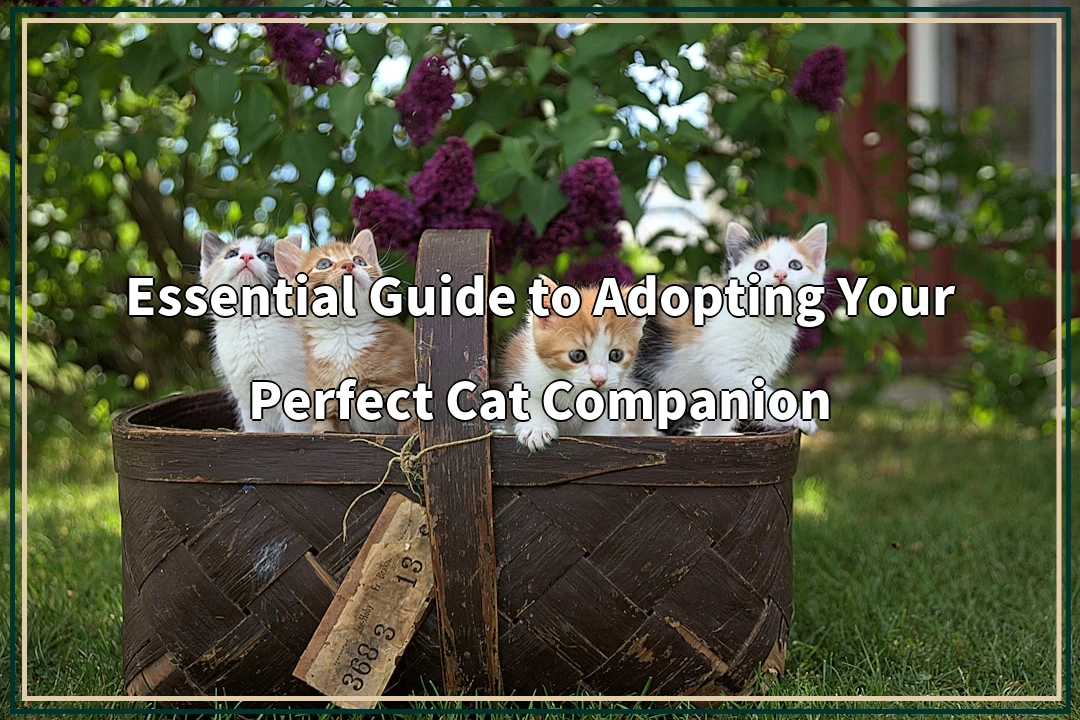
Welcome to Your Journey of Cat Adoption
Adopting a cat can be one of the most rewarding experiences in life. With millions of cats waiting for loving homes, the decision to adopt not only changes the life of a feline friend but also enriches your own life in countless ways. Did you know that adopting a cat can significantly reduce stress and improve your mental well-being? Studies have shown that the simple act of petting a cat can release endorphins, making you feel happier and more relaxed. However, the journey to finding your perfect feline companion can be overwhelming, especially for first-time adopters. This guide aims to simplify the process, providing you with essential information to make informed decisions about cat adoption.
Whether you’re considering adopting a playful kitten or a wise senior cat, understanding the nuances of cat adoption is crucial. From the initial research to the final adoption process, each step is important in ensuring that you and your new furry friend are a perfect match. This guide will cover everything you need to know, including the various breeds available for adoption, their unique characteristics, and how to care for them once they become part of your family. By the end of this guide, you will be well-equipped to embark on your journey of cat adoption with confidence and excitement.
Understanding Cat Breeds and Their Unique Traits
When it comes to adopting a cat, one of the first decisions you’ll face is choosing the right breed. Each cat breed has its own unique characteristics, temperament, and care requirements. Understanding these differences can help you select a cat that fits well with your lifestyle and preferences. For instance, some breeds are known for their playful and energetic nature, while others are more laid-back and affectionate. Popular breeds like the Siamese, Maine Coon, and Persian each offer distinct traits that can influence your decision.
The Siamese cat, for example, is known for its vocal personality and social nature. They thrive on interaction and often form strong bonds with their human companions. On the other hand, the Maine Coon is one of the largest domesticated cat breeds, known for its friendly demeanor and adaptability. They are often described as “gentle giants” and are great for families with children. Persian cats, with their luxurious coats and calm personalities, are perfect for those who prefer a more relaxed feline companion.
In addition to breed characteristics, it’s essential to consider the age of the cat you wish to adopt. Kittens are undeniably adorable and full of energy, but they require a significant amount of time and attention for training and socialization. Adult cats, on the other hand, often come with established personalities and may already be litter trained, making them easier to integrate into your home. Senior cats, while sometimes overlooked, can be incredibly rewarding companions. They often have a calm demeanor and are grateful for the love and care they receive in their golden years.
Before making a decision, it’s also important to research the specific needs of the breed you are considering. Some breeds may require regular grooming, while others may have health issues that need to be monitored. Understanding these requirements will help you provide the best care for your new feline friend and ensure a harmonious living environment.
Ultimately, the goal of this guide is to empower you with the knowledge needed to make an informed decision about cat adoption. By understanding the various breeds and their unique traits, you can find a cat that not only fits your lifestyle but also brings joy and companionship into your life. Remember, adopting a cat is a long-term commitment, and choosing the right breed is the first step in ensuring a happy and fulfilling relationship with your new furry family member.

Unique Traits of Your Future Feline Friend
When considering the adoption of a cat, understanding their unique traits is essential for a successful match. Cats are known for their diverse personalities, which can vary significantly between breeds and individual animals. These traits are not only influenced by genetics but also by environmental factors and socialization. For instance, some cats are naturally more social and outgoing, while others may be shy or reserved. Recognizing these differences can help you choose a cat that aligns with your lifestyle and expectations.
Many cat breeds have specific characteristics that define their behavior and temperament. For example, the playful and affectionate nature of the Ragdoll breed makes them excellent companions for families. They are known for their tendency to go limp when picked up, hence the name “Ragdoll.” In contrast, the British Shorthair is often described as calm and easygoing, making them suitable for a quieter household. Understanding these breed-specific traits can guide you in selecting a cat that fits seamlessly into your home.
In addition to breed characteristics, individual personality traits play a significant role in a cat’s behavior. Some cats are highly curious and adventurous, often exploring every nook and cranny of their environment. Others may prefer to lounge around and observe their surroundings from a comfortable perch. It’s essential to spend time with potential adoptees to gauge their personalities and see how they interact with you and your family members.
Another important aspect of a cat’s characteristics is their communication style. Cats communicate through a combination of vocalizations, body language, and facial expressions. Understanding these signals can enhance your relationship with your new feline companion. For instance, a cat that purrs while being petted is generally content, while a cat that swats or hisses may be feeling threatened or overstimulated. Learning to read these cues will help you respond appropriately to your cat’s needs and create a harmonious living environment.
Ultimately, the characteristics of a cat encompass a wide range of traits, from their breed-specific behaviors to their individual personalities. By understanding these unique traits, you can make a more informed decision when adopting a cat, ensuring that you find a companion that will thrive in your home and bring joy to your life.
Essential Care and Health for Your Cat
Once you’ve adopted your feline companion, understanding their care and health needs is crucial for ensuring a long and happy life together. Proper care encompasses a range of responsibilities, including nutrition, grooming, and regular veterinary check-ups. Each of these aspects plays a vital role in maintaining your cat’s overall well-being.
Diet is one of the most critical components of your cat’s health. Cats are obligate carnivores, meaning their diet must primarily consist of meat. A high-quality commercial cat food that meets the nutritional standards set by organizations like the Association of American Feed Control Officials (AAFCO) is essential. Look for foods that list meat as the first ingredient and avoid those with excessive fillers like corn or soy. Additionally, consider your cat’s age, weight, and activity level when selecting their food, as these factors can influence their dietary needs.
In addition to a balanced diet, providing fresh water is essential for your cat’s health. Cats can be prone to urinary tract issues, and proper hydration helps prevent these problems. Some cats prefer running water, so investing in a cat water fountain can encourage them to drink more. It’s also important to monitor your cat’s weight and adjust their food intake as needed to prevent obesity, which can lead to various health issues.
Regular veterinary check-ups are another vital aspect of your cat’s health care. Routine visits allow your veterinarian to monitor your cat’s overall health, administer vaccinations, and perform dental cleanings. Early detection of health issues can significantly improve treatment outcomes, so don’t hesitate to schedule annual or biannual visits, depending on your cat’s age and health status.
Common health concerns in cats include dental disease, obesity, and chronic conditions such as diabetes or kidney disease. Being proactive about your cat’s health can help prevent these issues. Regularly brushing your cat’s teeth and providing dental treats can help maintain oral health. Additionally, keeping your cat active through playtime and providing mental stimulation can help prevent obesity and related health problems.
In summary, understanding the essential care and health needs of your cat is vital for ensuring a happy and fulfilling life together. By focusing on proper nutrition, regular veterinary care, and proactive health management, you can provide your feline friend with the best possible quality of life. Your commitment to their well-being will be rewarded with a loving and loyal companion for years to come.

Integrating Your Cat into Family Life
When you adopt a cat, understanding how to integrate them into your family life is essential for a harmonious relationship. Each breed has unique characteristics that can influence how they interact with family members, including children and other pets. This understanding will help you create an environment where everyone can coexist happily.
Some breeds are naturally more sociable and affectionate, making them great companions for families. For example, Ragdolls are known for their gentle and friendly demeanor, often forming strong bonds with their human companions. They tend to be patient and tolerant, making them ideal for households with children. On the other hand, breeds like the Bengal cat are energetic and playful, requiring active engagement from their owners. They thrive in environments where they can interact with family members and participate in games that stimulate their natural hunting instincts.
Compatibility with other pets is another crucial factor to consider. Some cats, like the Maine Coon, are generally known for their friendly nature and can adapt well to living with other pets, including dogs. However, it’s essential to introduce new pets gradually and monitor their interactions to ensure a peaceful coexistence. Conversely, certain breeds, such as the Persian, may prefer a quieter environment and might not appreciate the energy of a rambunctious dog or overly active feline companion.
Understanding the activity needs of your cat is equally important. Cats, regardless of breed, require mental and physical stimulation to stay healthy and happy. Engaging your cat in interactive playtime is vital. This could involve using toys that mimic prey, such as feather wands or laser pointers, which encourage your cat to engage in their natural hunting behavior. Additionally, providing climbing structures or scratching posts can help satisfy their need to explore and exercise.
While some breeds may be more active than others, all cats benefit from a balanced routine of play and relaxation. Creating a designated playtime each day helps keep your cat physically fit and mentally stimulated. On the flip side, it’s also essential to recognize when your cat needs downtime. Cats are known for their love of napping, and providing cozy spaces where they can retreat and rest is just as important as playtime.
In summary, integrating your cat into family life requires an understanding of their unique traits and needs. By considering how different breeds interact with family members and other pets, as well as their activity requirements, you can create a nurturing environment that promotes a happy and healthy life for your new feline companion.
Your Cat Adoption Questions Answered
As a prospective cat adopter, you likely have numerous questions about the process, the breeds, and what to expect once your new feline friend arrives home. Below, we address some frequently asked questions that can guide you through your cat adoption journey.
1. What should I consider before adopting a cat?
Before adopting, consider your lifestyle, living situation, and long-term commitment. Assess whether you have enough time to devote to a cat, including playtime, grooming, and veterinary care. Think about your household dynamics, including whether you have children or other pets, and how a new cat will fit into that picture.
2. How do I choose the right breed for my lifestyle?
Choosing the right breed involves understanding the characteristics and needs of different cat breeds. Research breeds that align with your lifestyle. For instance, if you prefer a more active companion, consider breeds like the Abyssinian or Bengal. If you seek a laid-back pet, Ragdolls or Persians might be a better fit. Spending time with different breeds at a shelter can also help you gauge their personalities.
3. What should I prepare before bringing my new cat home?
Preparation is key for a smooth transition. Ensure you have essential supplies such as food, water bowls, a litter box, scratching posts, and toys. Create a designated safe space for your new cat where they can acclimate to their new environment without feeling overwhelmed. Familiarize yourself with the type of food your cat has been eating and gradually introduce any new foods.
4. How can I help my new cat adjust to their new home?
To help your cat adjust, provide a calm and quiet environment initially. Allow them to explore their space at their own pace, and avoid overwhelming them with too much attention. Gradually introduce family members and other pets, monitoring interactions closely. Establish a routine for feeding and playtime to create a sense of stability.
5. What are some common health issues to watch for in cats?
Common health issues in cats include dental disease, obesity, and kidney disease. Regular veterinary check-ups are essential for early detection and treatment. Be attentive to changes in your cat’s behavior, appetite, or litter box habits, as these can indicate health problems. Providing a balanced diet and encouraging regular exercise can also help maintain your cat’s health.
By addressing these frequently asked questions, we hope to provide you with valuable insights as you embark on your journey to adopt the perfect cat companion. Remember that each cat is unique, and understanding their needs will foster a rewarding relationship for years to come.
