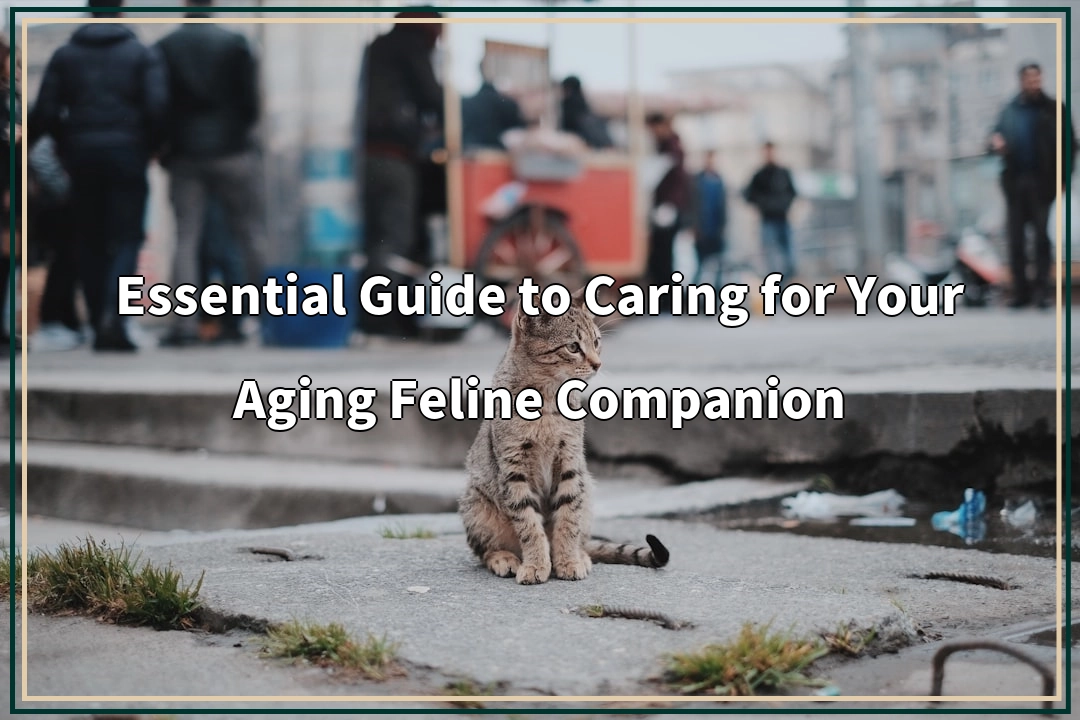
Understanding the Needs of Your Aging Feline Companion
Caring for an elderly cat is a journey filled with love, patience, and understanding. As our feline friends age, their needs change significantly, and it becomes essential for pet owners to adapt their care routines accordingly. Did you know that cats are living longer than ever before, with many reaching their late teens or even early twenties? This increase in longevity means that more pet owners are faced with the challenges and joys of managing the health and well-being of senior cats. In this guide, we will explore the essential aspects of caring for your aging feline companion, ensuring they enjoy a comfortable and fulfilling life in their golden years.
Essential Insights into Elderly Cat Care
When we talk about elderly cat care, we refer to the specialized attention and adjustments needed to support cats as they transition into their senior years. Typically, a cat is considered a senior when they reach the age of 7 years, but many breeds may show signs of aging earlier or later. Understanding the unique characteristics and health concerns of senior cats is crucial for providing the best care possible.
As cats age, they may experience a variety of physical and behavioral changes. Common issues include decreased mobility, dental problems, changes in appetite, and even cognitive decline. These changes can affect their quality of life, making it vital for owners to be observant and proactive in addressing their needs. Regular veterinary check-ups become increasingly important, as they can help identify potential health issues before they become serious.
In addition to physical health, mental well-being is also a significant aspect of elderly cat care. Senior cats may become more anxious or withdrawn, and they may require additional emotional support from their owners. Providing a stable environment, engaging in gentle play, and offering plenty of affection can help alleviate stress and promote a sense of security for aging felines.
Nutrition plays a critical role in the health of senior cats. As their metabolism slows down, their dietary needs may change. It’s essential to provide a balanced diet that meets their specific nutritional requirements, which may include higher protein levels and lower carbohydrates. Consulting with a veterinarian about the best food options for your aging cat can help ensure they receive the nutrients they need to thrive.
Moreover, creating a comfortable living space is vital for elderly cats. They may struggle with mobility, so providing easy access to food, water, and litter boxes is essential. Consider using low-sided litter boxes and placing food and water dishes in easily accessible locations. Additionally, providing cozy resting spots and warm blankets can help keep your senior cat comfortable and content.
In summary, caring for an aging feline companion requires a comprehensive understanding of their unique needs. By being attentive to their physical and emotional health, providing proper nutrition, and creating a supportive environment, you can help your senior cat enjoy a happy and fulfilling life. In the following sections, we will delve deeper into specific characteristics of elderly cats, their health care needs, and tips for living harmoniously with your aging feline friend.

Understanding the Unique Traits of Senior Cats
As cats age, they exhibit a range of unique characteristics that set them apart from their younger counterparts. These traits are essential for pet owners to recognize and understand, as they play a significant role in how we care for our aging feline companions. One of the most notable changes in senior cats is their physical appearance. Many senior cats may develop a more prominent ribcage, lose muscle mass, and experience changes in their coat texture and color. These changes can be attributed to the natural aging process, which affects their metabolism and overall health.
Behaviorally, senior cats often become less active and may prefer to spend more time resting or lounging in their favorite spots. This shift in energy levels can be attributed to a decline in physical strength and stamina. However, it’s essential to note that while they may be less active, they still require mental stimulation and engagement. Providing interactive toys or gentle playtime can help keep their minds sharp and prevent boredom.
Another characteristic of aging cats is their sensitivity to changes in their environment. Senior cats may become more anxious or stressed due to unfamiliar sounds, new pets, or changes in their routine. This heightened sensitivity can lead to behavioral issues, such as hiding or vocalizing more than usual. Understanding these changes is crucial for creating a stable and comforting environment for your aging feline.
Health-wise, senior cats are more prone to various medical conditions, including arthritis, dental disease, kidney disease, and hyperthyroidism. Regular veterinary check-ups become increasingly important as they age, allowing for early detection and management of these health issues. Additionally, many senior cats may experience cognitive decline, which can manifest as disorientation, changes in sleep patterns, or altered social interactions. Recognizing these signs early can help you provide the necessary support and care for your aging cat.
Essential Health and Nutritional Needs for Senior Cats
Caring for an aging feline companion involves a comprehensive approach to their health and nutrition. As cats grow older, their dietary needs change significantly. It’s crucial to provide a balanced diet that meets their specific nutritional requirements. Senior cats often benefit from diets that are higher in protein and lower in carbohydrates, as their metabolism slows down and their ability to digest certain nutrients diminishes.
Hydration is another critical aspect of senior cat care. Older cats are at a higher risk of dehydration, which can lead to serious health issues, including kidney problems. Providing fresh water at all times and considering wet food options can help ensure your cat stays hydrated. Additionally, some senior cats may have dental issues that make it difficult for them to eat dry kibble. In such cases, offering soft or canned food can make mealtime more manageable and enjoyable.
Regular veterinary visits are essential for monitoring your senior cat’s health. These check-ups can help identify common health concerns such as arthritis, which can significantly impact their mobility and quality of life. If your cat shows signs of discomfort or difficulty moving, your veterinarian may recommend pain management strategies or joint supplements to improve their mobility.
Moreover, keeping an eye on your cat’s weight is crucial. Obesity can exacerbate existing health issues and lead to new ones, such as diabetes or heart disease. Maintaining a healthy weight through portion control and regular exercise is vital for your senior cat’s overall well-being. Engaging them in gentle play and providing opportunities for exploration can help keep them active and maintain a healthy weight.
In summary, understanding the unique traits of senior cats and addressing their health and nutritional needs is essential for providing the best care possible. By being attentive to their changing characteristics and ensuring they receive proper nutrition and regular veterinary care, you can help your aging feline companion live a happy and fulfilling life in their golden years.

Coexisting with Your Senior Cat: Tips for a Harmonious Home
Living with an aging feline companion requires a unique understanding of their needs and behavior. As your cat enters its senior years, its interactions with family members and other pets may change. Older cats often seek comfort and security, preferring quiet environments where they can rest and relax. They may not be as playful or active as they once were, but this doesn’t mean they don’t enjoy companionship. Instead, senior cats often appreciate gentle affection and low-key interaction.
Compatibility with family members is essential. Senior cats tend to bond closely with their human caregivers, and they may seek out their company more than ever. However, if you have young children or energetic pets, it’s crucial to teach them how to interact gently with your aging cat. Young children should be instructed on the importance of respecting the cat’s space and recognizing when the cat wants to be left alone. Similarly, other pets in the household may need guidance on how to approach and play with a senior cat, as the older feline may not tolerate rough play or excessive energy.
When it comes to activity needs, senior cats typically require less physical exertion than their younger counterparts. However, maintaining a level of engagement is still vital for their mental health. While they may not chase after toys as vigorously, they still enjoy interactive play, albeit at a gentler pace. Short play sessions using feather wands or laser pointers can stimulate their minds without overexerting them. Providing scratching posts, climbing trees, or cozy perches can also encourage them to stay active and engaged in their environment.
It’s important to create a comfortable living space that accommodates their needs. Consider placing their food, water, and litter box in easily accessible locations to reduce any strain on their mobility. Senior cats may also benefit from soft bedding and warm spots where they can rest peacefully. Additionally, maintaining a predictable routine can help alleviate anxiety and create a sense of security for your aging cat.
Your Senior Cat: Common Queries Answered
As a cat owner, you may have various questions about caring for your aging feline companion. This FAQ section aims to address some of the most common inquiries regarding senior cat care, helping you better understand how to support your beloved pet.
1. What age is considered a senior cat?
Generally, a cat is considered a senior when it reaches the age of 7 years. However, this can vary depending on the breed and individual health factors. Some breeds may show signs of aging earlier, while others may remain active well into their late teens.
2. What are the common health issues in senior cats?
Senior cats are prone to several health concerns, including arthritis, dental disease, kidney disease, hyperthyroidism, and cognitive dysfunction syndrome. Regular veterinary check-ups are crucial for early detection and management of these conditions.
3. How can I help my senior cat maintain a healthy weight?
To help your senior cat maintain a healthy weight, provide a balanced diet tailored to their nutritional needs. Monitor portion sizes and engage them in gentle play to keep them active. Consulting with your veterinarian can also help you develop a suitable weight management plan.
4. What should I do if my senior cat shows signs of cognitive decline?
If you notice signs of cognitive decline, such as disorientation or changes in behavior, consult your veterinarian. They can recommend strategies and treatments to help manage your cat’s condition, including environmental enrichment and dietary adjustments.
5. How can I make my home more senior-cat-friendly?
To create a senior-cat-friendly environment, ensure that food, water, and litter boxes are easily accessible. Provide comfortable resting spots, and minimize stairs or obstacles. Keeping the home quiet and predictable can also help reduce anxiety for your aging cat.
In summary, living with a senior cat involves understanding their changing needs and adapting your care routine accordingly. By creating a harmonious living environment and addressing common health concerns, you can help your aging feline companion enjoy their golden years to the fullest.
