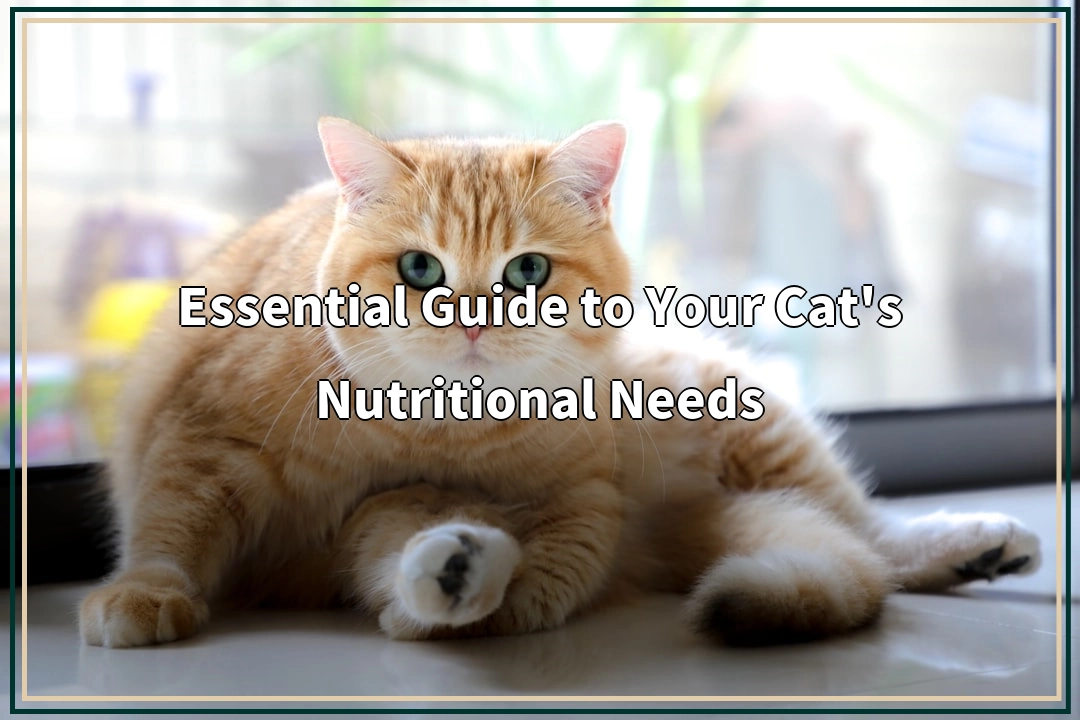
Understanding Your Cat’s Nutritional Needs
When it comes to our feline friends, one of the most crucial aspects of their well-being is their nutrition. Many cat owners often wonder, “What should I feed my cat to ensure they are healthy and happy?” This question is not just about choosing the right brand of cat food; it encompasses understanding the specific dietary requirements that cats have as obligate carnivores. Did you know that cats have unique nutritional needs that differ significantly from those of dogs and other pets? This essential guide aims to unravel the complexities of cat nutrition, providing insights that will help you make informed decisions for your furry companion.
As we delve into the world of cat nutrition, it’s important to recognize that cats require a diet rich in protein, with specific amino acids that are vital for their health. Unlike humans and many other animals, cats cannot synthesize certain nutrients, making it imperative for their diet to include these essential components. This guide will explore the various nutritional needs of cats, including the importance of proteins, fats, carbohydrates, vitamins, and minerals, and how these elements contribute to their overall health.
Exploring Cat Nutritional Needs
The domestic cat (Felis catus) is a small, carnivorous mammal that has been a beloved companion to humans for thousands of years. Understanding the nutritional needs of cats begins with recognizing their evolutionary background. As obligate carnivores, cats have evolved to thrive on a diet primarily composed of animal tissues. This dietary requirement is rooted in their ancestry, where their wild counterparts hunted for their food, consuming prey that provided them with the necessary nutrients for survival.
In the wild, a cat’s diet consists mainly of small mammals, birds, and insects, which are rich in protein and fat. This natural diet is what shapes their nutritional needs today. Unlike omnivores, cats have a limited ability to digest carbohydrates, which means that their diet should be low in grains and fillers. Instead, they require a high-protein diet that includes specific amino acids such as taurine, arginine, and methionine, which are crucial for their health.
Protein is the cornerstone of a cat’s diet, making up a significant portion of their caloric intake. It is essential for maintaining muscle mass, supporting immune function, and promoting overall health. Fats are also an important component, providing energy and aiding in the absorption of fat-soluble vitamins. Additionally, certain fatty acids, such as omega-3 and omega-6, play a vital role in maintaining healthy skin and a shiny coat.
Vitamins and minerals are equally important in a cat’s diet. These micronutrients support various bodily functions, including bone health, vision, and reproduction. For instance, vitamin A is crucial for vision and immune function, while calcium and phosphorus are essential for strong bones and teeth. A balanced diet that includes a variety of nutrients will help ensure that your cat remains healthy and vibrant.
When selecting cat food, it is essential to choose high-quality products that meet the nutritional standards set by organizations such as the Association of American Feed Control Officials (AAFCO). Look for foods that list meat as the primary ingredient and avoid those with excessive fillers or artificial additives. Additionally, consider your cat’s age, weight, and health status when determining their dietary needs, as these factors can influence their nutritional requirements.
In summary, understanding your cat’s nutritional needs is vital for their health and well-being. By providing a balanced diet rich in protein, healthy fats, vitamins, and minerals, you can help ensure that your feline companion leads a long, healthy, and happy life. In the following sections, we will explore specific dietary recommendations, common misconceptions about cat nutrition, and tips for transitioning your cat to a healthier diet.

Essential Traits of Feline Nutrition
Understanding the essential traits of feline nutrition is crucial for any cat owner who wants to ensure their pet thrives. The term “nutrition” derives from the Latin word “nutritio,” which means “nourishment” or “to nourish.” Over time, the concept of nutrition has evolved to encompass not just the act of feeding but also the science behind how food affects health and well-being. In the context of cats, this means recognizing their unique dietary requirements as obligate carnivores.
Historically, domestic cats (Felis catus) have evolved from wild ancestors that primarily hunted small prey. This hunting behavior has shaped their nutritional needs, making it essential for cat owners to provide a diet that mirrors what their feline companions would naturally consume. Cats require a high-protein diet rich in animal-based nutrients, which is a characteristic that distinguishes them from omnivorous pets like dogs.
One of the defining characteristics of feline nutrition is the need for specific amino acids that cats cannot synthesize on their own. For instance, taurine is an essential amino acid critical for heart health, vision, and reproductive function. Without adequate taurine in their diet, cats can suffer from serious health issues, including heart disease and vision problems. Similarly, arginine is another vital amino acid that helps detoxify ammonia in the body, and its deficiency can lead to severe health consequences.
Additionally, cats have a higher requirement for certain vitamins and fatty acids compared to other animals. For example, they need vitamin A, which they cannot convert from beta-carotene as humans do. Instead, they must obtain it directly from animal tissues. Furthermore, essential fatty acids like arachidonic acid are crucial for maintaining skin health and overall cellular function.
Understanding these characteristics of feline nutrition allows cat owners to make informed choices about their pets’ diets. Selecting high-quality cat food that meets the nutritional standards set by organizations like the Association of American Feed Control Officials (AAFCO) is vital. Look for products that list meat as the primary ingredient and avoid those filled with unnecessary fillers or artificial additives.
Optimal Nutrition and Health for Cats
When it comes to caring for your cat, providing optimal nutrition is one of the most important aspects of ensuring their health and well-being. A well-balanced diet tailored to meet the specific needs of your feline friend can help prevent a range of health issues. Cats require a diet that is high in protein and low in carbohydrates, reflecting their natural dietary habits as hunters.
In terms of dietary needs, cats should primarily consume animal-based proteins. These proteins not only provide the essential amino acids mentioned earlier but also contribute to muscle maintenance and overall energy levels. A diet rich in high-quality protein sources, such as chicken, turkey, fish, and beef, will help keep your cat healthy and active.
Fats are another critical component of a cat’s diet, providing a concentrated source of energy and supporting the absorption of fat-soluble vitamins. Essential fatty acids, particularly omega-3 and omega-6, play a vital role in maintaining healthy skin and a shiny coat. Including these fatty acids in your cat’s diet can help prevent skin issues and promote overall health.
While cats do require some carbohydrates, their intake should be minimal. Unlike humans and dogs, cats have a limited ability to digest carbohydrates, and excessive amounts can lead to obesity and other health issues. Therefore, it is essential to choose cat foods that are low in grains and fillers, focusing instead on high-quality protein sources.
Common health concerns in cats often stem from poor nutrition. Obesity is one of the most prevalent issues, which can lead to diabetes, joint problems, and a reduced lifespan. Feeding your cat appropriate portion sizes and ensuring they receive regular exercise can help mitigate this risk. Additionally, dental health is another area of concern; a diet that promotes dental hygiene can help prevent periodontal disease, which is common in cats.
Furthermore, cats are prone to urinary tract issues, and their diet can play a significant role in preventing these problems. Ensuring your cat has access to fresh water and feeding them wet food can help maintain urinary health by promoting hydration and reducing the concentration of minerals in their urine.
In summary, understanding the optimal nutrition and health needs of your cat is essential for providing the best care possible. By focusing on a high-protein, low-carbohydrate diet that includes essential nutrients, you can help your feline friend lead a long, healthy, and happy life. In the next sections, we will delve deeper into specific dietary recommendations and how to address common health concerns effectively.

Embracing Life with Your Feline Companion
Living with a cat can be a rewarding experience, as these charming creatures often become beloved members of the family. Understanding how to integrate your cat into your household effectively is essential for fostering a harmonious environment. Cats are known for their unique personalities, and their compatibility with families and other pets can vary widely depending on the individual cat’s temperament and socialization.
When considering how a cat interacts with families, it’s important to recognize that many cats thrive in environments where they receive love, attention, and stimulation. Cats can form strong bonds with their human companions, often displaying affection through purring, head-butting, and kneading. This emotional connection is vital for their well-being and can lead to a fulfilling relationship.
Compatibility with other pets also depends on the cat’s personality. Some cats are more sociable and adaptable, making them great companions for dogs and other cats. On the other hand, some may prefer solitude or may be territorial, requiring a more gradual introduction to new pets. When introducing a new cat to your home, it’s advisable to do so slowly and carefully, allowing both the existing pets and the newcomer to adjust to each other’s presence without feeling threatened.
Activity needs are another critical aspect of living with a cat. While cats are often perceived as low-maintenance pets, they require mental and physical stimulation to remain healthy and happy. Regular playtime is essential to prevent boredom and reduce the likelihood of behavioral issues. Engaging your cat with interactive toys, laser pointers, and feather wands can provide both exercise and enrichment.
In addition to playtime, creating a stimulating environment is crucial. Cats enjoy exploring their surroundings, so providing vertical spaces such as cat trees or shelves can encourage climbing and exploration. Hiding treats around the house can also promote natural hunting instincts, keeping your cat mentally sharp and physically active.
Furthermore, understanding your cat’s individual personality traits can help tailor your interactions to suit their needs. Some cats are more independent and may prefer to have their space, while others are more affectionate and enjoy being involved in family activities. Observing your cat’s behavior will allow you to create an environment that respects their preferences and fosters a strong bond.
Common Queries About Feline Nutrition and Care
As cat owners seek to provide the best care for their feline friends, several common questions often arise regarding their nutritional needs and overall well-being. Addressing these queries can help cat owners make informed decisions that benefit their pets. Here are some frequently asked questions related to cat nutrition and care:
What is the best diet for my cat?
The best diet for your cat should be high in quality protein, low in carbohydrates, and include essential vitamins and minerals. Look for cat foods that list meat as the primary ingredient and avoid those with excessive fillers. Consult your veterinarian for personalized dietary recommendations based on your cat’s age, weight, and health status.
How much should I feed my cat?
Feeding guidelines vary based on your cat’s age, weight, and activity level. Generally, adult cats require about 20 calories per pound of body weight daily. However, it’s essential to follow the feeding instructions on your cat food packaging and consult your veterinarian to determine the appropriate portion sizes for your individual cat.
Is it necessary to feed my cat wet food?
While dry food is convenient, incorporating wet food into your cat’s diet can provide additional moisture, which is beneficial for urinary health. Cats are prone to urinary tract issues, and feeding wet food can help keep them hydrated. A combination of both wet and dry food can be an excellent approach for many cats.
How can I prevent obesity in my cat?
Preventing obesity involves providing a balanced diet and ensuring your cat gets enough exercise. Measure your cat’s food portions, avoid free-feeding, and engage them in regular playtime to keep them active. Regular veterinary check-ups can help monitor your cat’s weight and overall health.
What are the signs of a healthy cat?
A healthy cat typically has bright, clear eyes, a shiny coat, and a healthy appetite. They should be active and playful, maintain a healthy weight, and exhibit normal bathroom habits. If you notice any changes in behavior, appetite, or physical appearance, consult your veterinarian for further evaluation.
By addressing these common questions, cat owners can gain valuable insights into providing optimal care and nutrition for their feline companions. As we continue to learn about feline health and well-being, we can ensure our cats lead happy, healthy lives in our homes.
