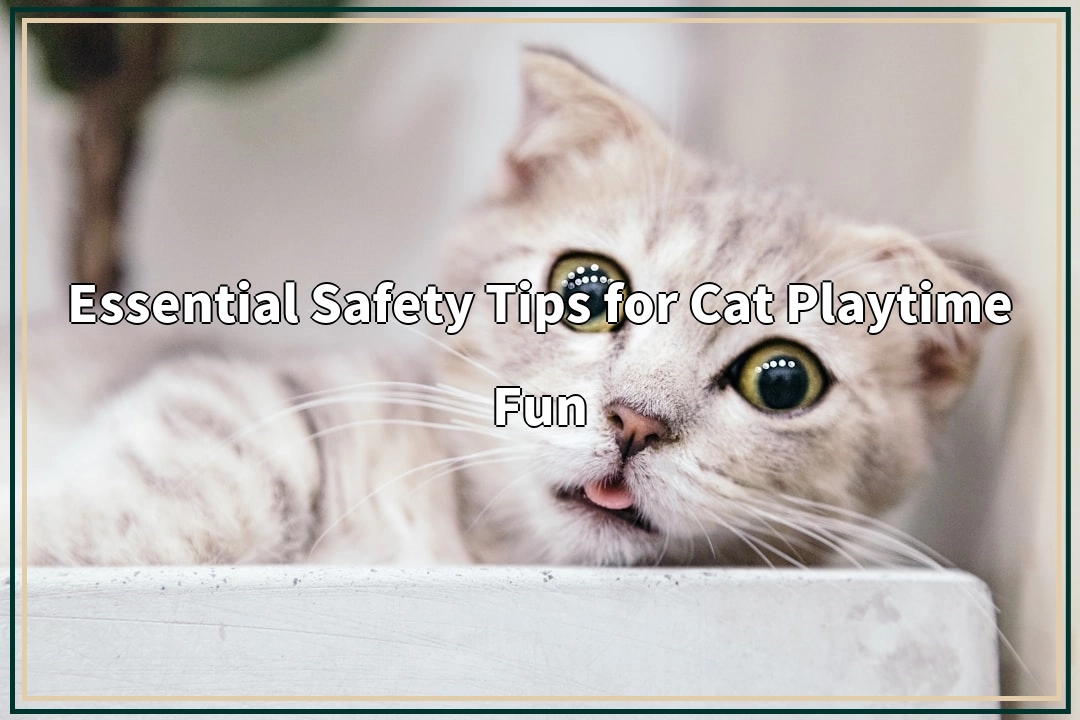
Understanding the Importance of Cat Playtime Safety
When it comes to our feline friends, playtime is not just a fun activity; it is an essential part of their physical and mental well-being. Cats are natural hunters, and engaging them in play mimics their instinctual behaviors, providing them with the exercise they need to stay healthy and happy. However, as much as playtime is beneficial, it is crucial to prioritize safety during these activities. Did you know that many common household items can pose serious risks to your cat during play? From small toys that can be swallowed to strings that can cause choking, understanding the potential hazards is vital for every cat owner.
In this blog, we will explore essential safety tips for cat playtime fun, ensuring that your furry companions can enjoy their play without unnecessary risks. By implementing these safety measures, you can create a safe environment that allows your cat to thrive while having a blast. Whether you are a new cat owner or a seasoned feline enthusiast, these tips will help you navigate the world of cat playtime with confidence.
Exploring Cat Playtime: Safety Measures and Best Practices
Cat playtime encompasses a variety of activities that stimulate a cat’s natural instincts. From chasing feather toys to pouncing on laser dots, playtime is an opportunity for cats to exercise, socialize, and engage their minds. However, it is essential to recognize that not all toys and play methods are safe. Understanding the characteristics of safe play items and the behaviors to encourage can significantly reduce the risk of accidents.
When selecting toys for your cat, consider their size, material, and design. Toys that are too small can be easily swallowed, leading to choking hazards or intestinal blockages. On the other hand, toys made from toxic materials can pose health risks if ingested. Opt for high-quality, non-toxic toys that are specifically designed for cats. Additionally, always supervise your cat during playtime, especially with new toys, to ensure they are using them safely.
Another critical aspect of cat playtime safety is understanding your cat’s behavior. Some cats may become overly excited during play, leading to rough play that can result in injuries. It’s essential to recognize the signs of overstimulation, such as excessive biting or scratching, and to intervene when necessary. Providing a calm environment and allowing your cat to take breaks can help maintain a positive play experience.
In addition to selecting safe toys and monitoring your cat’s behavior, it’s important to create a safe play environment. Remove any potential hazards from the play area, such as small objects that could be swallowed or cords that could entangle your cat. Ensure that the space is free from sharp edges or breakable items that could cause injury during play. By taking these precautions, you can create a safe haven for your cat to enjoy their playtime adventures.
In summary, cat playtime is a vital aspect of your feline’s health and happiness, but it must be approached with safety in mind. By understanding the potential risks and implementing essential safety measures, you can ensure that your cat enjoys their playtime to the fullest while minimizing the chances of accidents. Stay tuned as we delve deeper into specific safety tips and best practices for cat playtime in the following sections.
Understanding Cat Playtime: A Closer Look
Cat playtime is not just a pastime; it is a crucial component of a cat’s overall well-being. Engaging in play helps cats develop their physical skills, maintain a healthy weight, and reduce stress. Playtime also provides an opportunity for mental stimulation, which is essential for preventing boredom and behavioral issues. Understanding the different types of play and their benefits can help cat owners create a well-rounded play routine for their pets.
There are various forms of play that cats enjoy, including solo play, interactive play with their owners, and social play with other cats. Each type of play serves a different purpose and can be tailored to suit your cat’s personality and preferences. For instance, some cats may prefer chasing after toys, while others may enjoy engaging in interactive games with their human companions.
In addition to the physical benefits, playtime also fosters the bond between cats and their owners. Engaging in play together can strengthen your relationship and create a sense of trust and companionship. It’s essential to choose activities that both you and your cat enjoy, ensuring that playtime is a positive experience for everyone involved.
As we continue to explore the world of cat playtime safety, we will delve into specific safety measures, toy recommendations, and tips for creating a safe and enjoyable play environment for your feline friend. By prioritizing safety, you can ensure that your cat’s playtime is not only fun but also secure, allowing them to thrive in their playful adventures.

Understanding Feline Playtime Traits
When discussing the traits of feline playtime, it is essential to recognize that cats possess unique characteristics that influence how they engage in play. These traits are not only inherent to their species but also shaped by their individual personalities and experiences. Cats are known for their playful nature, which is deeply rooted in their evolutionary history as hunters. The instinct to chase, pounce, and capture prey is a fundamental aspect of their behavior, and playtime serves as a crucial outlet for these instincts.
The origin of play behavior in cats can be traced back to their wild ancestors, who relied on hunting skills for survival. Kittens, in particular, engage in play to develop the skills necessary for hunting. This includes stalking, pouncing, and capturing imaginary prey, which helps them hone their reflexes and coordination. As they grow, these playful behaviors continue to manifest, allowing adult cats to maintain their agility and mental sharpness.
In addition to their instinctual traits, a cat’s personality plays a significant role in how they approach playtime. Some cats are naturally more energetic and playful, while others may be more reserved or cautious. Understanding your cat’s individual traits can help you tailor playtime activities to suit their preferences, ensuring a more enjoyable experience for both you and your feline companion.
Moreover, socialization is a critical factor in shaping a cat’s play behavior. Cats that have been well-socialized from a young age are more likely to engage in interactive play with their owners and other pets. Conversely, cats that have had limited exposure to play or social interactions may be more hesitant or fearful during playtime. Recognizing these social dynamics can help you create a safe and engaging environment for your cat to thrive during play.
As we explore the characteristics of feline playtime, it is essential to consider the various types of play that cats enjoy. Solo play, interactive play with humans, and social play with other cats all serve different purposes and can be tailored to meet your cat’s needs. By understanding these traits, you can create a well-rounded play routine that fosters your cat’s physical and mental well-being.
Promoting Feline Well-Being Through Playtime
Ensuring the health and well-being of your cat during playtime is paramount. A well-balanced diet and regular health check-ups are essential components of maintaining your cat’s overall health. When it comes to nutrition, it is crucial to provide a diet that meets your cat’s specific needs based on their age, weight, and activity level. Cats are obligate carnivores, meaning they require a diet rich in animal protein to thrive. High-quality commercial cat food should contain the necessary nutrients, including proteins, fats, vitamins, and minerals, to support their health.
In addition to a balanced diet, it is essential to monitor your cat’s weight and adjust their food intake accordingly. Obesity is a common health concern among cats, often resulting from a sedentary lifestyle and overfeeding. Engaging your cat in regular playtime activities can help combat obesity by promoting physical exercise and mental stimulation. Interactive toys, such as feather wands or laser pointers, can encourage your cat to be more active, reducing the risk of weight-related health issues.
Common health concerns in cats include dental issues, urinary tract problems, and obesity. Regular veterinary check-ups are essential for early detection and prevention of these issues. Dental health is particularly important, as many cats suffer from periodontal disease, which can lead to pain and tooth loss. Providing dental treats or toys can help maintain your cat’s oral hygiene while they play.
Another significant health concern is the risk of injuries during playtime. Cats can be prone to sprains, strains, or even fractures if they engage in overly vigorous play or if they are playing with unsafe toys. It is essential to supervise your cat during playtime and choose toys that are appropriate for their size and activity level. Avoid toys with small parts that can be swallowed or strings that can cause choking hazards.
In summary, promoting your cat’s well-being through safe and engaging playtime is vital for their overall health. By understanding the characteristics of feline play behavior and addressing their nutritional needs, you can create a supportive environment that encourages your cat to thrive. Remember that playtime is not just a fun activity; it is an opportunity to strengthen the bond between you and your feline friend while ensuring their health and happiness.

Integrating Cats into Your Home: Tips for Harmonious Living
Bringing a cat into your home is a delightful experience, but it requires understanding their unique behaviors and needs to ensure a harmonious living environment. Cats are known for their independence, but they can also form strong bonds with their human companions and other pets. When considering how to integrate a cat into your household, it’s essential to focus on compatibility and activity needs to create a balanced and enriching environment.
Compatibility is a key factor in determining how well a cat will interact with family members, including children and other pets. Most cats can adapt to living with children, but the level of compatibility often depends on the cat’s temperament and the child’s behavior. Cats that are playful and tolerant may thrive in a home with kids, while more reserved or anxious cats might prefer a quieter environment. Teaching children how to interact gently with cats is crucial for fostering a positive relationship.
When it comes to living with other pets, the introduction process is vital. Cats can be territorial, so it’s essential to introduce them gradually to avoid stress and aggression. Start by allowing them to sniff each other’s belongings before any face-to-face interactions. Supervised meetings can help ease the transition, allowing pets to get used to each other’s presence without feeling threatened. Pay attention to body language and be ready to intervene if either pet shows signs of aggression or fear.
Activity needs vary among cats, and understanding your feline’s requirements is crucial for their well-being. Cats are generally known for their playful nature, and they require regular physical and mental stimulation to stay happy and healthy. Engaging in playtime activities helps prevent boredom and can reduce behavioral issues that arise from pent-up energy. Interactive toys, climbing structures, and puzzle feeders are excellent ways to keep your cat entertained and physically active.
In terms of exercise, aim for at least 15 to 30 minutes of active play each day. This can include games like chasing a laser pointer, batting at feather toys, or engaging in a game of hide-and-seek. Cats are natural hunters, so incorporating activities that mimic their hunting instincts can be particularly fulfilling for them. Additionally, providing scratching posts and vertical spaces, such as cat trees or shelves, can satisfy their need to climb and explore.
Creating a stimulating environment is essential for a cat’s mental health. Consider rotating toys to keep things fresh and interesting. You can also set up interactive play sessions that involve problem-solving, like hiding treats around the house for your cat to find. These activities not only keep your cat engaged but also strengthen the bond between you and your feline friend.
Addressing Common Concerns: Your Cat Questions Answered
As a cat owner, you may have numerous questions regarding the care and safety of your feline companion, especially when it comes to playtime. Below are some frequently asked questions that can help clarify common concerns and provide guidance for creating a safe and enjoyable play environment for your cat.
1. What types of toys are safe for my cat?
Choosing the right toys is crucial for your cat’s safety. Look for toys made from non-toxic materials, and avoid small items that can be swallowed or pose choking hazards. Interactive toys, feather wands, and balls are great options, but always supervise your cat during playtime to ensure they use them safely.
2. How can I tell if my cat is overstimulated during play?
Overstimulation can lead to aggressive behavior in cats. Signs of overstimulation include sudden swatting, biting, or a twitching tail. If you notice these behaviors, it’s best to stop the play session and give your cat some time to calm down.
3. How much playtime does my cat need each day?
Most cats require at least 15 to 30 minutes of active playtime daily. This can be broken up into several short sessions throughout the day to accommodate your cat’s energy levels and interest.
4. Is it safe to leave my cat alone with toys when I’m not home?
While some toys can be left out for your cat to play with independently, it’s essential to choose safe options. Avoid toys with small parts that can be chewed off or strings that can lead to choking hazards. It’s always best to supervise playtime, especially with new toys.
5. How can I introduce my cat to a new pet?
Introducing a new pet to your cat should be done gradually. Start by allowing them to smell each other’s belongings, then proceed to supervised meetings in a controlled environment. Monitor their interactions closely, and be prepared to separate them if any signs of aggression occur.
By addressing these common questions and concerns, you can create a safe and enriching playtime experience for your cat, promoting their health and happiness while ensuring a harmonious living environment in your home.
