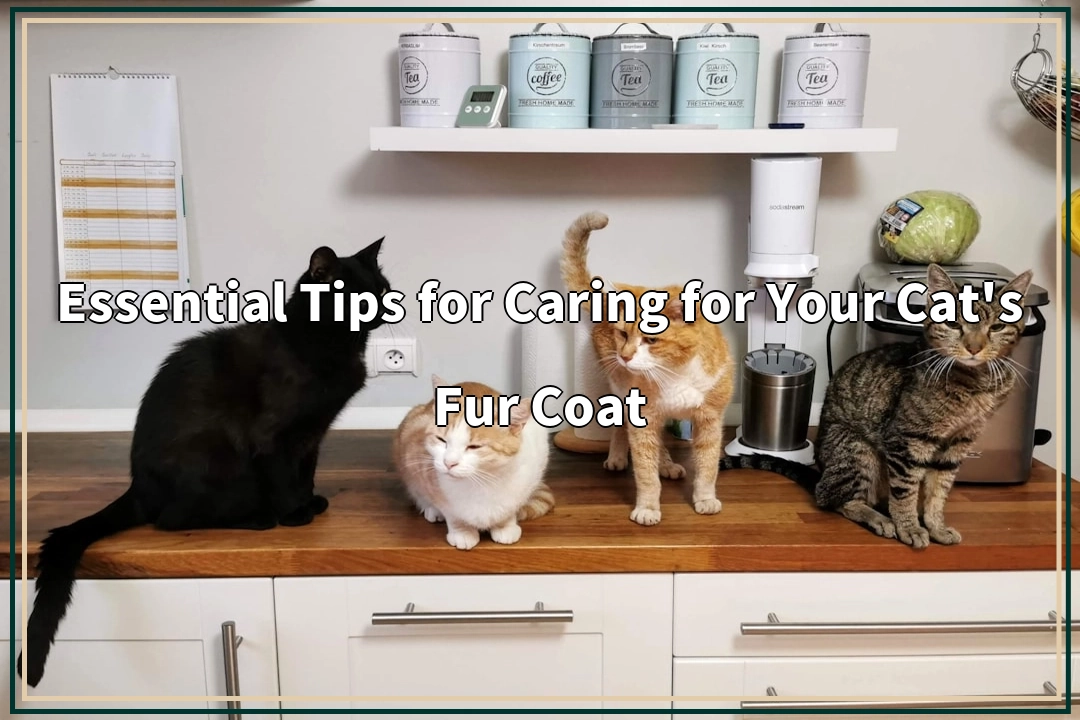
Understanding the Importance of Cat Fur Coat Care
When it comes to our feline friends, one of the most striking features is their beautiful fur coat. Cat fur not only serves as a protective layer but also plays a crucial role in their overall health and well-being. Many cat owners often wonder how to maintain their pet’s coat in optimal condition. Did you know that a cat’s fur can reveal a lot about its health? A shiny, well-groomed coat is often a sign of a happy and healthy cat, while a dull or matted coat can indicate underlying health issues or poor grooming habits. In this blog, we will explore essential tips for caring for your cat’s fur coat, ensuring that your furry companion looks and feels their best.
Exploring Cat Fur: Characteristics and Care
The domestic cat, scientifically known as Felis catus, is a member of the Felidae family and has been associated with humans for thousands of years. Cats come in a variety of breeds, each with unique characteristics, including their fur types. From the luxurious long-haired Maine Coon to the sleek short-haired Siamese, understanding the specific needs of your cat’s fur coat is essential for proper care.
Cat fur can be categorized into three main types: short-haired, long-haired, and hairless. Short-haired cats, such as the American Shorthair, typically require less grooming than their long-haired counterparts. However, they still benefit from regular brushing to remove loose hair and reduce shedding. Long-haired breeds, like the Persian or Ragdoll, require more frequent grooming to prevent matting and tangles. Hairless breeds, such as the Sphynx, may not have fur to groom, but they still require special care to maintain their skin health.
Understanding the origin and history of domestic cats can provide insight into their grooming needs. Cats were domesticated around 9,500 years ago in the Near East, primarily for their ability to control rodent populations. Over time, selective breeding has led to the development of various breeds, each with distinct fur characteristics. For instance, the Maine Coon is known for its thick, water-repellent fur, which evolved to help it survive in cold climates, while the Bengal cat boasts a unique coat pattern reminiscent of its wild ancestors.
Regardless of the breed, all cats benefit from regular grooming. Grooming not only helps to keep their fur clean and free of debris but also promotes bonding between the cat and its owner. Additionally, grooming can help to identify any potential health issues, such as skin infections or parasites, early on. Regular brushing can also reduce the amount of fur shed around the house, making it a win-win for both cats and their human companions.
In summary, understanding the characteristics of your cat’s fur coat and the importance of grooming is essential for maintaining their health and happiness. By providing the right care tailored to your cat’s specific needs, you can ensure that their fur remains in top condition, reflecting their overall well-being.

Understanding Your Cat’s Fur: Key Features and Traits
The fur coat of a cat is not just a simple covering; it is a complex structure that serves multiple purposes. The characteristics of a cat’s fur can vary significantly based on the breed, environment, and individual health. Generally, cat fur can be categorized into three primary types: short-haired, long-haired, and hairless. Each type has its own unique traits and grooming needs.
Short-haired cats, such as the American Shorthair and the British Shorthair, typically have a dense, sleek coat that lies close to the body. This type of fur is often easier to maintain, requiring less frequent grooming. The fur is designed to provide protection against the elements while also allowing for efficient temperature regulation. Short-haired breeds tend to shed less than long-haired breeds, making them a popular choice for those who may be sensitive to allergens.
Long-haired cats, like the Persian and Maine Coon, boast luxurious, flowing coats that require more attention and care. The fur of these breeds is often thicker and can become matted if not groomed regularly. Long-haired cats have a double coat, consisting of a soft undercoat and a longer outer coat, which helps insulate them against cold weather. The beauty of their fur comes with the responsibility of regular brushing to prevent tangles and maintain a healthy sheen.
Hairless breeds, such as the Sphynx, present a unique case. While they lack fur, they still require special care to maintain their skin health. The absence of fur means that these cats are more susceptible to temperature fluctuations and skin issues. Regular bathing is necessary to remove excess oils that would typically be absorbed by fur, ensuring their skin remains healthy and free from irritation.
In terms of evolutionary history, the domestic cat (Felis catus) has developed its fur characteristics through thousands of years of adaptation and selective breeding. Originally, wild ancestors of domestic cats had fur that helped them survive in various climates, providing insulation and camouflage. As cats became domesticated, different breeds emerged, each with distinct fur traits that catered to human preferences and environmental needs.
Essential Grooming and Health Practices for Cat Fur
Caring for your cat’s fur coat is vital for their overall health and well-being. Proper grooming not only keeps their coat looking its best but also helps prevent health issues that can arise from neglect. Regular grooming sessions can help identify skin problems, parasites, or other health concerns early on.
One of the primary aspects of fur care is maintaining a balanced diet. A cat’s nutritional needs play a significant role in the health of their fur. A diet rich in high-quality protein, essential fatty acids, vitamins, and minerals is crucial for promoting a shiny, healthy coat. Cats are obligate carnivores, meaning they require a diet primarily composed of meat. Foods high in omega-3 and omega-6 fatty acids, such as fish oil, can help improve coat condition and reduce shedding.
In addition to diet, hydration is equally important. Cats often do not drink enough water, which can lead to dry skin and a dull coat. Providing fresh water daily and encouraging your cat to drink can help maintain skin elasticity and coat health. Some cat owners find that offering wet food can also help increase their cat’s overall water intake.
Common health concerns related to fur care include matting, skin infections, and parasites like fleas and ticks. Matting can occur in long-haired breeds if grooming is not performed regularly, leading to discomfort and skin irritation. Skin infections can arise from excessive scratching or biting due to allergies or parasites. Regular grooming helps to remove loose fur and debris, reducing the risk of these issues.
Additionally, regular veterinary check-ups are essential for monitoring your cat’s health. A veterinarian can provide guidance on the best diet and grooming practices tailored to your cat’s specific needs. They can also identify any underlying health issues that may affect your cat’s fur and overall well-being.
In summary, understanding the characteristics of your cat’s fur and implementing effective grooming and health practices are crucial for maintaining a beautiful and healthy coat. By focusing on a balanced diet, hydration, and regular grooming, you can ensure that your feline companion remains in top condition, both inside and out.

Adapting to Life with Your Feline Companion
When bringing a cat into your home, it’s essential to understand how they will fit into your family dynamic and lifestyle. Each breed has unique characteristics that influence their behavior, compatibility with children and other pets, and activity needs. This understanding will help you create a harmonious living environment for both you and your furry friend.
Compatibility is a significant factor when choosing a cat breed. Some breeds, like the Ragdoll and the Maine Coon, are known for their friendly and sociable nature. They often get along well with children and other pets, making them excellent choices for families. Ragdolls, in particular, are known for their laid-back demeanor and affectionate personality, often seeking out human companionship. Maine Coons are playful and gentle giants, making them ideal companions for families with kids and other animals.
On the other hand, some breeds may be more independent and require a more patient approach. The British Shorthair, for instance, is known for its calm and somewhat aloof personality. While they can be affectionate, they may not seek constant interaction and can enjoy their alone time. Understanding these traits will help you set realistic expectations for your relationship with your cat.
Activity needs also play a crucial role in living with a cat. Most cats are playful and require mental and physical stimulation to keep them happy and healthy. Active breeds, such as the Abyssinian and Bengal, are known for their high energy levels and love for play. These cats thrive in environments where they have access to interactive toys, climbing structures, and ample space to explore. Regular playtime is essential for keeping them engaged and preventing behavioral issues.
In contrast, some breeds, like the Persian, are more laid-back and may not require as much exercise. However, they still benefit from daily playtime and interaction with their owners. Regardless of the breed, it’s essential to provide a stimulating environment with various toys and activities to cater to their individual needs.
Integrating a cat into your household also means considering their socialization needs. Kittens, in particular, benefit from exposure to different environments, people, and other pets during their formative weeks. This early socialization can help them grow into well-adjusted adults. Adult cats may require more time to adjust to new surroundings or companions, so patience is key.
Your Cat Questions Answered: Expert Insights
As a cat owner, you may have several questions about caring for your feline friend. Below are some frequently asked questions that can help guide you in providing the best care for your cat’s fur coat and overall well-being.
1. How often should I groom my cat?
The frequency of grooming depends on your cat’s fur type. Short-haired cats typically require grooming once a week, while long-haired breeds may need daily brushing to prevent matting and tangles. Regular grooming helps remove loose hair, dirt, and debris, promoting a healthy coat.
2. What type of diet is best for my cat’s fur health?
A balanced diet rich in high-quality protein and essential fatty acids is crucial for maintaining a healthy fur coat. Look for cat food that contains omega-3 and omega-6 fatty acids, as these nutrients help promote a shiny and vibrant coat. Always consult your veterinarian for specific dietary recommendations tailored to your cat’s needs.
3. How can I reduce shedding in my cat?
Regular grooming is one of the most effective ways to reduce shedding. Brushing your cat frequently helps remove loose fur and dander, minimizing the amount that ends up on your furniture and clothing. Additionally, a healthy diet and proper hydration can contribute to less shedding.
4. What should I do if I notice skin issues or excessive scratching?
If you notice any changes in your cat’s skin or coat, such as redness, itching, or excessive scratching, it’s essential to consult your veterinarian. These symptoms could indicate allergies, parasites, or other underlying health issues that require attention.
5. Are there specific grooming tools I should use for my cat?
Yes, using the right grooming tools can make a significant difference. For short-haired cats, a rubber grooming mitt or a fine-toothed comb works well. Long-haired cats benefit from slicker brushes and wide-toothed combs to help detangle their fur. Regularly check your grooming tools to ensure they are clean and in good condition.
6. How can I help my cat adjust to a new environment?
When introducing a cat to a new home, provide a quiet, safe space where they can acclimate at their own pace. Allow them to explore their surroundings gradually and offer positive reinforcement through treats and affection. Patience is key, as some cats may take longer to adjust than others.
By addressing these common questions, you can ensure that you are well-prepared to care for your cat and promote their overall health and happiness. Understanding your cat’s needs and characteristics will not only enhance your bond but also contribute to a fulfilling life together.
