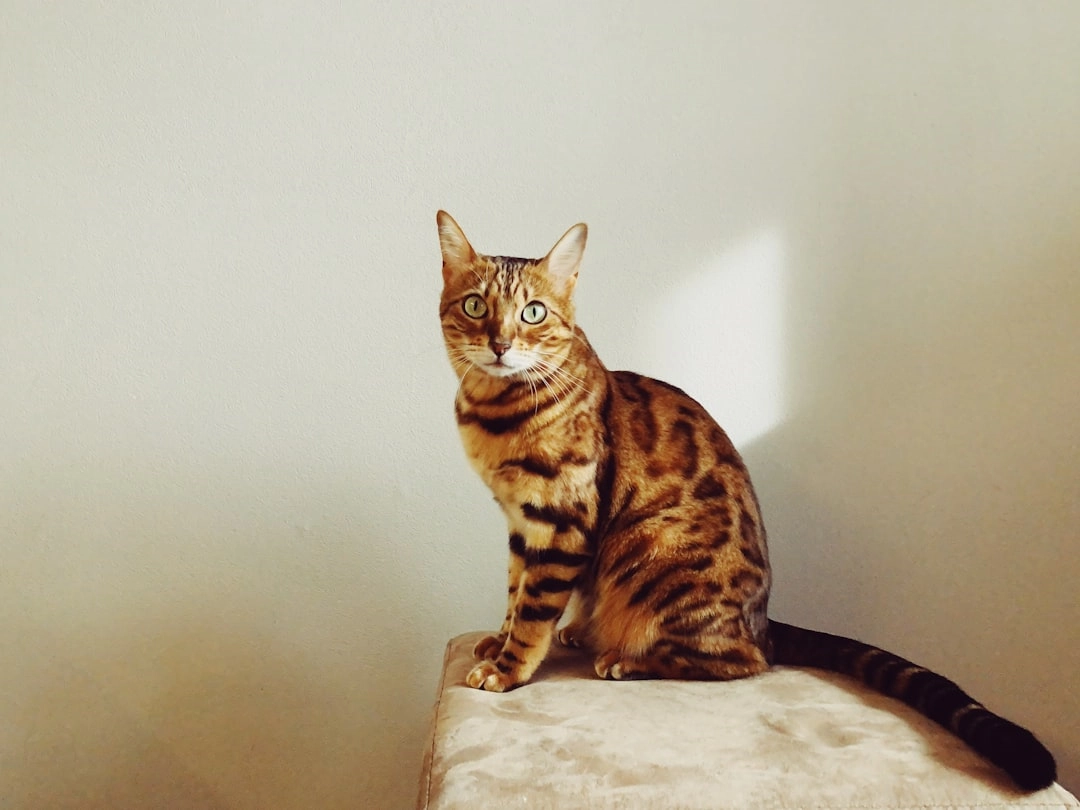
Creating a Safe Haven for Your Adventurous Cat
As cat owners, we often find ourselves marveling at the curious nature of our feline friends. Cats are natural explorers, driven by instincts that compel them to investigate their surroundings. However, this innate curiosity can sometimes lead them into precarious situations, especially when they venture outside. This is where the concept of creating a safe space for your cat becomes essential. A safe haven not only protects your cat from potential dangers but also enriches their environment, allowing them to explore and engage in a secure manner. Did you know that indoor cats can live up to 15 years longer than outdoor cats? This statistic highlights the importance of providing a safe and stimulating environment for our furry companions. In this blog, we will delve into the significance of safe spaces for cats, exploring how to empower their adventurous spirit while ensuring their well-being.
Decoding Feline Behavior: Insights into Your Cat’s Mind
Understanding the behavior of our cats is crucial for creating an environment that caters to their needs. Cats are complex creatures with a rich tapestry of instincts and behaviors that stem from their wild ancestors. To effectively provide a safe space for your cat, it’s important to grasp the basics of feline psychology and the common behaviors that characterize our beloved pets.
One of the most fundamental aspects of feline behavior is their natural instinct to hunt. Even domesticated cats retain the predatory instincts of their ancestors, which is why you may often see your cat stalking and pouncing on toys or even your fingers. This behavior is not just play; it’s a manifestation of their hunting skills. Providing your cat with interactive toys that mimic prey can satisfy this instinct and keep them mentally stimulated.
Another common behavior is kneading, where cats push their paws in and out against a soft surface. This action is often associated with kittenhood, as they knead their mother’s belly to stimulate milk flow. In adult cats, kneading can signify comfort and contentment. Creating a cozy area with soft blankets or cushions can encourage this behavior, allowing your cat to feel secure and relaxed.
Purring is another behavior that many cat owners cherish. While purring is often associated with contentment, it can also occur when a cat is in pain or feeling anxious. Understanding the context of your cat’s purring is essential. If your cat is purring while curled up in their safe space, it’s likely a sign of happiness. However, if they are purring while hiding or displaying other signs of distress, it may indicate discomfort or fear.
Scratching is a natural behavior for cats, serving multiple purposes. It helps them maintain their claws, stretch their muscles, and mark their territory. Providing designated scratching posts in your cat’s safe space can prevent them from scratching furniture and help them express this natural behavior in an appropriate manner.
Moreover, cats are creatures of habit and thrive on routine. Establishing a consistent daily schedule for feeding, playtime, and quiet time can help your cat feel secure in their environment. This predictability allows them to explore their safe space with confidence, knowing that their needs will be met.
It’s also important to recognize that different breeds may exhibit unique behaviors. For instance, Siamese cats are known for their vocal nature and social tendencies, while Maine Coons are often more laid-back and affectionate. Understanding these breed-specific traits can help you tailor your cat’s safe space to better suit their personality and preferences.
In conclusion, creating a safe space for your cat involves more than just physical safety; it requires an understanding of their behavior and instincts. By recognizing the natural tendencies of your feline friend, you can design an environment that encourages exploration while ensuring their well-being. From providing interactive toys to establishing a routine, every aspect of your cat’s safe haven can contribute to their happiness and health. As you embark on this journey of creating a safe space, remember that your cat’s curiosity is a beautiful trait that deserves to be nurtured in a secure and enriching environment.
Essential Cat Training: Empowering Your Feline Friend
Training your cat might seem daunting at first, especially if you’ve got a curious and playful companion who seems more interested in exploring than learning commands. However, effective training is crucial in enhancing your cat’s quality of life and ensuring a harmonious relationship between you and your pet. Training your feline friend helps to address behavioral challenges, encourages essential life skills, and strengthens the bond you share. Regardless of your cat’s age, behavior issues, or prior experiences with training, embarking on this rewarding journey is worthwhile for both you and your pet.
One of the foundational benefits of cat training is safety. Cats often instinctively exhibit dangerous behaviors like climbing to high places or becoming startled by loud noises. Through consistent training, you can teach your cat basic commands or responses that enhance their safety. For example, teaching them to come when called can prevent dangerous escapades outdoors. In addition to this, training fosters mental stimulation. Engaging your cat’s mind prevents boredom, curtails destructive behaviors, and adds richness to their daily routine. A stimulated cat leads a contented life.
Understanding how cats learn can increase training efficiency. Cats often respond best to positive reinforcement, which is both more effective and enjoyable than punitive methods. Unlike dogs, cats can take more time to internalize a behavior and perform it consistently, so patience is imperative. Tools such as clickers and treat rewards are highly successful in promoting good behavior, since they associate positive outcomes with successful commands.
To get started with a step-by-step training approach, ensure the training environment is quiet and distraction-free, allowing your cat to focus. Sessions should be short, ideally between five to ten minutes, as too much stimulation can tire your feline out. Initiate training by demonstrating desired behaviors — perhaps encouraging your cat to sit or come to you. Utilize a clicker at the instant they perform the desired behavior followed immediately with a treat. Consistency with commands and timing is essential, establishing a stronger understanding of what is being taught.
Throughout training, it’s paramount to remember that every cat is an individual; personality traits impact how they learn. So adjust your training style according to their preferences. Gentle encouragement, repeated rewards, and remaining attentive to your cat’s body language will yield effective training results.
Navigating and Solving Behavioral Challenges
Encountering behavioral issues in your cat is common, and knowing how to address them can lead to a peaceful coexistence. Certain behaviors such as scratching, excessive vocalization, litter box issues, or sudden aggression can leave owners perplexed, but comprehending their roots can often provide guidance in solutions. Many behavioral issues stem from anxiety, fear, boredom, or dissatisfaction with their environment.
Take litter box avoidance as a prime example. If your cat suddenly refuses to use their box, one of the first steps should involve ensuring that the box is clean and placed in a serene environment away from noise and disturbances. This behavioral switch could indicate territorial changes, health issues, or general dissatisfaction with the availability of restroom options. If a cat feels stress or discomfort in its litter box routine, eliminating this uneasiness should be prioritized. Adaptions in type, size, and cleanliness of the litter may often remedy this pervasive issue.
Another frequent concern, particularly in multi-pet households, is aggression. Rather than interpreting aggressive actions as simple defiance, exploring possible environmental stressors might yield insights. Rivalry over resources like food and space can trigger aggressive reactions in a confined setting. Adjusting feeding routines to separate animals or giving them added enrichment elements such as tunnels and exclusive hiding places can mitigate feelings of enclosure that lead to conflict.
Even for the prevalent issue of excessive vocalization, seeking to understand the context reveals a vast array of stimuli causing concerns ranging from seeking attention to discomfort. Most commonly found in breeds like Siamese cats, getting an overhaul on environmental factors or behavioral reinforcement can significantly rectify non-stop noises. Appease attention cravings during relatively calm intervals with fresh sensory engagements like varying food puzzles or interactive playtime, rewarding quiet behavior with affection or treats could condition more suitable vocal habits.
If you find persistent behavior troubles requiring professional guidance, know that it can enrich your approach towards positively integrating and understanding these traits. Cat trainers and animal behaviorists bring their expertise to establishing tailored strategies better suited to your cat’s unique disposition and behaviors. Professional insights often extend beyond just one-on-one training, providing pet owners various approaches and long-lasting peace within the home. Ignoring chronic behavioral issues can lead to friction in your living environment but actively seeking educational tools and applied experiences fosters fulfillment.
In all aspects of feline behavior management, preventive measures prove essential; combining open communication with empathetic understanding lays the foundations of effective training and sustained solutions for success with your beloved cat. This enriching experience reflects positively on you both, resulting in deeper connection and commitment built amidst respect, reassurance, and authoritative flexibility.

Creating an Engaging Environment for Your Curious Cat
As a cat owner, one of your primary responsibilities is to ensure that your feline companion is not only safe but also mentally and physically stimulated. Enrichment plays a crucial role in a cat’s life, as it helps prevent behavioral issues and fosters a healthy, happy environment. A well-rounded enrichment strategy encompasses various activities, toys, and spaces that allow your cat to explore, play, and express their natural instincts. From interactive toys to climbing structures, the right combination of stimulation can keep your cat engaged and prevent boredom, which is a common catalyst for undesirable behaviors.
The importance of mental and physical stimulation cannot be overstated. Cats are inherently curious creatures, and without appropriate outlets for their energy and intellect, they may develop behavioral issues such as excessive scratching, biting, or even depression. By providing enrichment activities, you allow your cat to engage their mind and body, channeling their natural instincts into productive play. For instance, toys that mimic prey, such as feather wands or laser pointers, can satisfy your cat’s hunting instincts while providing essential exercise.
Moreover, incorporating puzzle feeders into your cat’s routine can promote mental stimulation. These feeders challenge your cat to work for their food, simulating the hunting experience. By requiring your cat to think and problem-solve, you keep their mind sharp and engaged. This type of enrichment is especially beneficial for indoor cats, who may not have access to the same level of stimulation as their outdoor counterparts.
Another aspect of creating an engaging environment is the incorporation of climbing structures and vertical spaces. Cats naturally enjoy climbing and observing their surroundings from elevated positions. Providing cat trees, shelves, or window perches can create a stimulating environment that encourages exploration and play. Not only do these structures promote physical activity, but they also give your cat a sense of security, as they can retreat to a high perch when feeling threatened or overwhelmed.
Interactive playtime with your cat is another essential component of enrichment. Engaging in regular play sessions helps strengthen the bond between you and your cat while providing them with the physical exercise they need. Using a variety of toys and play techniques can keep things interesting. For example, some cats may prefer chasing toys that mimic the movements of small animals, while others may enjoy engaging in games of hide-and-seek with their favorite stuffed animals. Rotating toys regularly can also keep your cat’s interest piqued, preventing them from becoming bored with the same old playthings.
Additionally, incorporating sensory enrichment can enhance your cat’s environment. Cats rely heavily on their senses, so introducing new scents, textures, and sounds can provide mental stimulation. For instance, providing catnip-filled toys, safe plants, or even crinkly paper can engage your cat’s senses and encourage exploration. Just be sure to choose safe and non-toxic items to avoid any health risks.
Clearing Up Misunderstandings About Cat Enrichment
Despite the many benefits of enrichment for cats, there are several misconceptions that may lead to confusion among cat owners. Addressing these misunderstandings is essential for ensuring that cats receive the care and stimulation they need.
One common misconception is that indoor cats do not require enrichment because they are safe from outdoor dangers. While it’s true that indoor cats are protected from threats like traffic, predators, and diseases, they are still susceptible to boredom and stress without proper mental and physical stimulation. Providing enrichment is vital for indoor cats to thrive, as it helps fulfill their natural instincts and keeps them engaged.
Another misconception is that all cats will naturally know how to play or engage with toys. While some cats may instinctively chase after a ball or pounce on a feather, others may require guidance and encouragement to explore new toys or activities. It is essential to observe your cat’s preferences and introduce various types of toys and play methods to find what resonates with them. Patience and experimentation are key to discovering what your cat enjoys most.
Additionally, some owners may believe that once they provide toys and climbing structures, their job is done. However, enrichment is an ongoing process that requires regular updates and adjustments. Cats can become bored with the same toys or routines, so it’s essential to rotate toys, introduce new activities, and change the environment periodically to maintain their interest. This can involve simple changes, such as rearranging furniture or providing new hiding spots for toys.
Lastly, there is a misconception that playtime is only necessary for kittens or young cats. In reality, all cats, regardless of age, benefit from regular play and stimulation. Older cats may require different types of enrichment, such as gentler play or more comfortable resting areas, but they still need mental and physical engagement to remain healthy and happy. Incorporating play into your older cat’s routine can help maintain their cognitive function and overall well-being.
By understanding the importance of enrichment and addressing common misconceptions, you can create a stimulating environment that empowers your curious cat. Providing opportunities for exploration, play, and mental engagement will not only enhance your cat’s quality of life but also strengthen the bond you share with your feline companion. Remember, a happy cat is a curious cat, and the more you invest in their enrichment, the more fulfilling your relationship will be.
