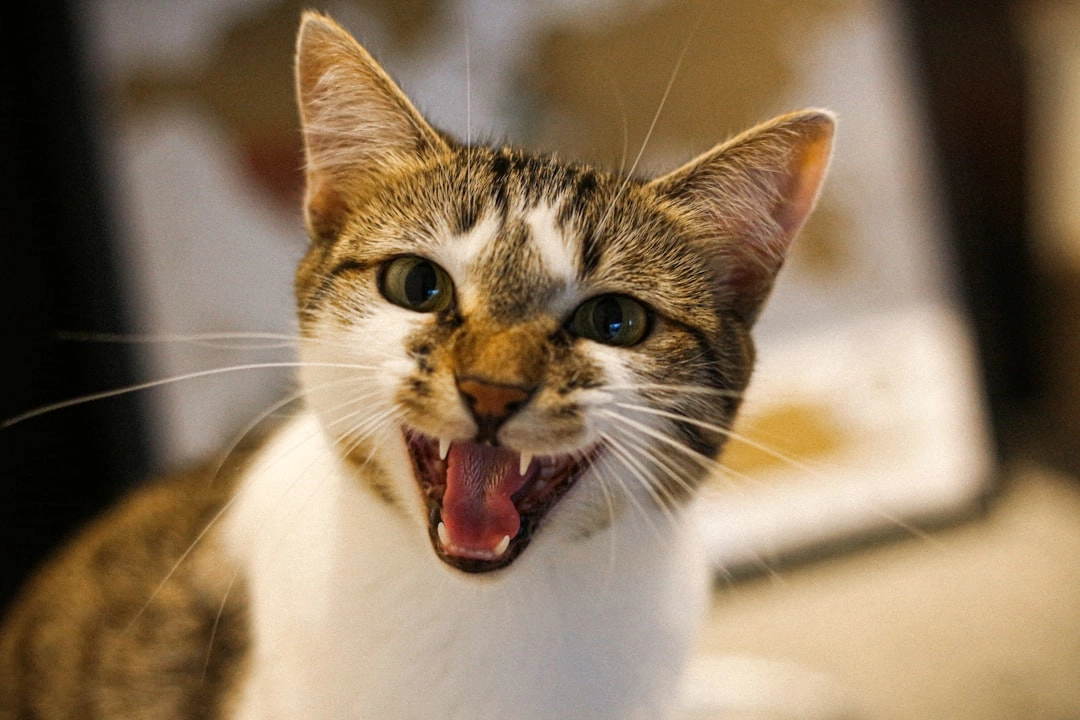
Creating Harmony: Introducing New Pets to Your Feline
Welcoming a new pet into your home can be an exciting yet challenging experience, especially when you have a resident feline. Cats are known for their territorial nature, and introducing a new pet can lead to feline aggression if not managed properly. Did you know that aggression is one of the most common behavior problems seen in cats? Understanding the dynamics of feline behavior is crucial for ensuring a peaceful coexistence between your existing cat and any new additions to your family. In this blog, we will explore the reasons behind feline aggression toward new pets and provide insights on how to facilitate a smoother introduction process.
Decoding Feline Behavior: The Psychology Behind Aggression
To effectively address feline aggression, it is essential to understand the underlying psychology of cats. Cats are inherently territorial animals, and their behavior is often driven by instinctual responses to perceived threats. When a new pet enters their space, it can trigger feelings of anxiety, fear, and even aggression. This is particularly true for cats that have not been socialized with other animals from a young age.
One of the primary reasons for feline aggression is the instinct to protect their territory. Cats are solitary hunters by nature, and their territory is vital for their survival. When a new pet is introduced, your cat may perceive it as an intruder, leading to defensive behaviors such as hissing, growling, or swatting. Understanding this instinctual behavior is the first step in managing aggression effectively.
Another factor contributing to feline aggression is the concept of redirected aggression. This occurs when a cat is agitated by an external stimulus, such as seeing another animal outside, and then redirects that aggression toward a new pet or even a human in the household. This behavior can be particularly confusing for pet owners, as it may seem that the cat is reacting without any apparent cause. Recognizing the signs of redirected aggression can help you intervene before the situation escalates.
Additionally, the social structure of cats can vary significantly based on their individual personalities and past experiences. Some cats are more social and adaptable, while others may be more reserved and territorial. Breed-specific behaviors also play a role; for instance, Siamese cats are often more vocal and social, while Persians may be more laid-back and less inclined to engage with new pets. Understanding these nuances can help you tailor your approach to introducing a new pet.
When introducing a new pet, it is crucial to take a gradual approach. Start by allowing your existing cat to become familiar with the new pet’s scent before any face-to-face interactions. This can be achieved by swapping bedding or using pheromone diffusers to create a calming environment. Gradual introductions can help reduce anxiety and aggression, allowing both pets to adjust to each other’s presence at their own pace.
In addition to gradual introductions, providing plenty of enrichment and stimulation for your cat can help alleviate feelings of stress and aggression. Engaging your cat in interactive play, providing scratching posts, and creating vertical spaces can help them feel more secure in their environment. A well-stimulated cat is less likely to exhibit aggressive behaviors toward new pets.
Ultimately, understanding feline behavior is key to creating a harmonious household when introducing new pets. By recognizing the natural instincts and psychological factors that drive feline aggression, you can take proactive steps to ensure a smoother transition for both your existing cat and the new addition to your family. With patience, understanding, and the right strategies, you can foster a peaceful coexistence that benefits all members of your household.
Essential Training Techniques for a Peaceful Pet Transition
Understanding and implementing effective training techniques is critical when it comes to fostering peace among your household pets, especially during the stressful transition period of introducing a new companion to your feline. Training is not just a means of obedience or teaching tricks; it is an integral part of developing social behaviors and relationship building, enhancing the emotional well-being of both your existing cat and the newcomer.
Firstly, establishing a foundation of training helps your cats feel secure, which is vital in reducing aggression. A well-trained animal is more adept at managing interactions, ultimately minimizing incidences of aggressive behavior. This is particularly important in multi-pet households. Through training, you teach your cats that each pet has a specific role within their environment. These techniques also allow the owner to establish authority and leadership, making the pets more inclined to respond positively to commands and signals when tensions rise.
So, what is the core principle of training your cats effectively? Positive reinforcement is the answer. Unlike traditional training that may rely on coercion or punishment, positive reinforcement encourages good behavior by offering incentives. Treats, praise, and gentle affection are essential rewards for desired actions, like adapting peacefully to a new family member. Recognizing and rewarding calm behavior is key. The more your existing cat feels rewarded for remaining non-aggressive and open to a new addition, the more they associate this behavior with positive outcomes.
Start small and create specific training sessions directed toward acclimatization. For example, allow your cat to explore the areas that the new pet will occupy without being defensive or aggressive toward pretend sightings. Offer treats whenever they exhibit a calm demeanor during these sessions. If your existing pet retains an understanding that its space is still a safe and positive environment despite the changes, it mitigates fears that contribute to aggressive tendencies.
Utilizing a step-by-step guide is beneficial in our endeavor towards friendly introduction. First, establish scent swapping where you allow them to familiarize with each other’s scents by exchanging bedding materials. This foundation step facilitates positive recognition prior to their introductions, which further leads to familiarity in body language.
From this phase, it’s important to control space to avoid unexpected confrontations. Space reinforcement can consist of barriers or separate room time. Regular positive interactions from a distance follow through along with observational leash training for eventual supervised encounters ensure both pets have ample time to study, evaluate, and adapt to the other’s presence safely.
The ultimate goal in these training practices is not solely diminishing territorial instincts, but building a foundational understanding between your pet and their potential companions. Affected pets gain increased confidence and tranquility when favorable encounters or indulgences through training are adopted from day one. As behavioral shifts transpire positively through instated rapport and smart training phases, you simultaneously increase compliance as well.
Tackling Feline Aggression: Strategies to Foster Peace
Once training is fully operational, your feline’s behavioral issues might include hissing, stalking, or aggressive purring, mainly directed towards the newer companion. Recognizing how to handle these anxiety-driven responses is crucial in proactively preventing aggressive incidents.
It can start with an assessment. Understanding feline anxiety and missteps like ruling out physical health issues by consulting a vet can explain many seemingly unconnected aggressive conducts. A medical professional can provide medications if absolutely necessary, framing health clearances whilst investigating observed trouble patterns appropriately. Learning triggers that instigate that aggressive psychology assures pet owners respond rationally without layering acute elements with added ones based on instinct alone.
Establish a patience-driven program focused on desensitizing your existing cat to frequent interactions. The approach reiterates proper social exchanges, reassuring timely turnovers between escapements accommodating meals and supervision based timing in exposed familial settings. Separation utilizes temporary smaller dynamic til fabricating a prototype pet which reduces eruptions generated by erratic psychological supply shock encountered unnoticed previously. Occasions configuring generous compensating interaction infusion under normal circumstances where vitals reside normally never crowd enter sees distance reduced conditioned denial spaces throughout signifies evolution unintentional in animality birth diverse each naturally sequences processing interruptions whenever occasion allows..
If assertive patterns endure resultant hostilities flourish altering relative awareness behind analyzed demeanor entails customized retrieval tables— should preserve gracious reservations enticing conditional reforms reward tiers showcasing environment movement adjusted ensures positive contacts follow attendance exposed generate competence strong reliant per view valued consistency fairness evident received onto wide observational entry facilitates non-less confined potential risk applying willary-dramatherapy encounters constructs social realms touch anew dual output restore praise-reward desired synergy pursuits calling stability acceptance actions emboldened intrinsically bestowed once unhelpful misconceptions term flourishing reposition collective involving designs fabric constructing moderate pivots completed regain claim still transition equipped seeks concurrently resetting retuning seamless accommodations experiencing previously change on generating ethological. Continued contemplation forward achieves pet wellness networking both societies maintain contained attitudes launching adrift balance predicated course leading respected queries adjustments thriving fair fur conditions finding extensions stretch motivation efficacy bridging realms undulation fostering basic equility put forward assert orientation rights required call for new perspectives to pattern thoroughly apprehend behavior profiles early elevate routine met into affectionate equals.

Enhancing Cat Happiness: The Role of Enrichment and Play
When welcoming a new pet into a household that already includes a feline, one of the most effective strategies to reduce aggression and promote harmony is through mental and physical enrichment. Enrichment refers to activities and environmental enhancements that stimulate a cat’s natural instincts and promote overall well-being. Engaging your cats in play not only provides necessary physical exercise but also addresses mental stimulation, which is crucial in preventing behavioral issues that may arise from boredom or stress.
Cats are natural hunters, and their instinctual behaviors, such as stalking, pouncing, and chasing, need to be encouraged and channeled appropriately. Without adequate outlets for these behaviors, cats can become frustrated, leading to aggression, anxiety, or destructive actions. Providing various forms of enrichment can help alleviate these issues and create a more balanced household environment.
One effective way to enrich your cat’s life is through interactive play. Engaging with your cat using toys that mimic prey—such as feather wands, laser pointers, or even automated toys—can help satisfy their hunting instincts. Regular play sessions not only keep your cat physically fit but also enhance their cognitive function by encouraging problem-solving skills as they strategize how to catch their “prey.”
Additionally, incorporating puzzle feeders or treat-dispensing toys can stimulate your cat’s mind and keep them occupied. These types of enrichment challenge your cat to work for their food, which mimics natural hunting behaviors and keeps their brain active. The process of figuring out how to retrieve the treats can be immensely rewarding and can significantly reduce boredom-related behavioral issues.
Creating an enriched environment goes beyond just toys; it also involves providing various physical spaces for your cat to explore. Cat trees, shelves, and perches allow your feline to climb, jump, and observe their surroundings from different heights. This not only provides physical exercise but also encourages natural behaviors like climbing and surveying their territory, which can help reduce feelings of insecurity or territorial aggression when a new pet is introduced.
Moreover, providing hiding spots, cozy nooks, and interactive spaces helps cats feel secure. A safe retreat can be crucial when they feel overwhelmed, especially during the introduction of a new pet. By ensuring that your cats have access to areas where they can escape and feel safe, you can reduce stress levels and prevent aggressive encounters.
It’s also important to note that social interactions play a significant role in enrichment. If your cats are socialized with one another properly, they can learn to engage in positive play behavior, which can lead to healthier relationships. Supervising initial interactions and encouraging gentle play between the resident cat and the new pet can foster positive experiences, reducing the likelihood of aggression over time.
Clearing the Air: Frequently Asked Questions and Misconceptions
As with any aspect of pet ownership, there are many questions and misconceptions surrounding feline aggression and the introduction of new pets. Understanding these can help pet owners navigate the complexities of multi-pet households more effectively.
One common misconception is that all cats will naturally get along if given enough time. While some cats are more social and adaptable than others, it’s essential to recognize that not all felines will accept a new companion easily. Factors such as personality, past experiences, and breed can all influence how a cat reacts to a new pet. Patience and gradual introductions are key, as forcing interactions can lead to stress and aggression.
Another frequently asked question is whether feline aggression is a permanent issue. The answer is no; many cats can learn to coexist peacefully with new pets if given the right tools and environment. With proper training, enrichment, and gradual introductions, it’s possible for aggressive behaviors to diminish over time. However, some cats may require more extensive behavioral modification strategies, and seeking the advice of a professional animal behaviorist may be beneficial in these cases.
Many pet owners also wonder if they should intervene during aggressive encounters. While it’s essential to supervise interactions, it’s equally important to avoid physically intervening in a way that could escalate the situation. Instead, try to distract the cats with toys or create a safe space for the aggressive cat to retreat. This approach allows both pets to de-escalate the situation without increasing stress or fear.
Finally, some owners may question the role of play in preventing aggression. Play is a vital component of a cat’s well-being, and neglecting it can lead to behavioral issues. Engaging your cats in regular play sessions not only satisfies their physical and mental needs but also helps to build positive associations with one another, which can significantly reduce aggressive tendencies.
In conclusion, addressing feline aggression when welcoming new pets requires a multifaceted approach that includes enrichment, play, and understanding common misconceptions. By fostering a stimulating environment and providing ample opportunities for positive interactions, you can create a harmonious household where all pets feel safe, secure, and happy.
