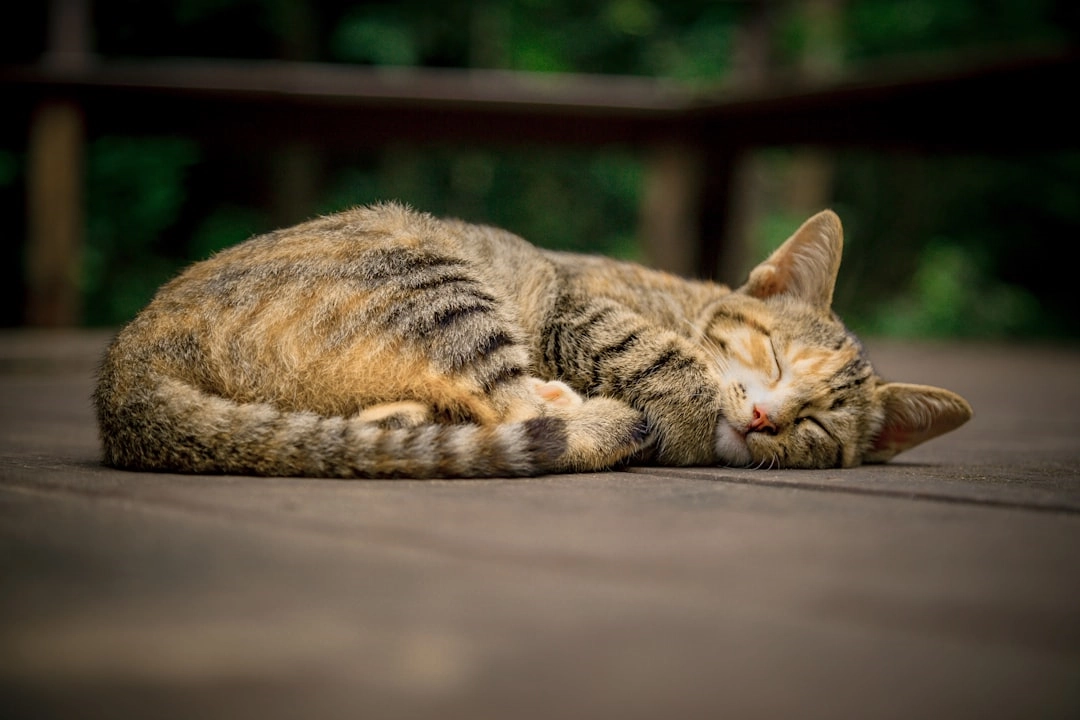
Engaging Your Cat: The Joy of Soft Toy Hide-and-Seek
Feline Fun: Mastering Soft Toy Hide-and-Seek is not just a playful activity; it’s a delightful way to engage your cat’s natural instincts and provide mental stimulation. Did you know that cats are natural hunters? Their playful behavior is not merely for entertainment; it’s deeply rooted in their evolutionary history. Understanding this can transform how you interact with your feline friend, making playtime both enjoyable and beneficial for their well-being.
In this blog, we will explore the fascinating world of feline behavior, particularly focusing on how soft toy hide-and-seek can cater to your cat’s instincts. This activity not only entertains but also encourages physical exercise and mental engagement, which are crucial for a healthy and happy cat. Whether you have a playful kitten or a more reserved adult cat, this game can be adapted to suit their unique personalities and preferences.
As we delve into the intricacies of feline behavior, you’ll discover how to create an enriching environment that promotes play and exploration. By understanding your cat’s natural instincts, you can enhance their quality of life and strengthen the bond you share. So, let’s embark on this journey to master the art of soft toy hide-and-seek!
Decoding Feline Behavior: The Psychology Behind Play
To truly appreciate the joy of soft toy hide-and-seek, it’s essential to understand the underlying psychology of your cat. Cats are complex creatures with a rich tapestry of behaviors that stem from their wild ancestors. Their instincts drive them to hunt, stalk, and pounce, and these behaviors manifest in various ways during playtime.
One of the most significant aspects of feline behavior is their natural hunting instinct. In the wild, cats are solitary hunters, relying on stealth and agility to catch their prey. This instinct is still very much alive in our domestic cats, even if they are well-fed and live in a safe environment. When you engage your cat in a game of hide-and-seek with soft toys, you are tapping into this primal urge. The act of hiding the toy mimics the behavior of prey hiding from predators, while your cat’s pursuit of the toy satisfies their hunting drive.
Moreover, play is not just about physical activity; it also serves as a crucial outlet for mental stimulation. Cats are intelligent animals that require mental challenges to stay engaged and happy. When they engage in activities like hide-and-seek, they are not only exercising their bodies but also their minds. This dual stimulation can help prevent behavioral issues that arise from boredom, such as scratching furniture or excessive meowing.
Understanding common feline behaviors can also enhance your playtime experience. For instance, when your cat purrs, it often indicates contentment, but it can also signify a desire for attention or comfort. Kneading, a behavior where cats push their paws in and out against a soft surface, is a remnant of kittenhood, where they knead their mother’s belly to stimulate milk flow. Recognizing these behaviors can help you tailor your play sessions to better suit your cat’s emotional state and preferences.
Additionally, different breeds may exhibit unique behaviors that influence how they interact with toys. For example, Siamese cats are known for their vocal nature and high energy levels, making them enthusiastic participants in games. In contrast, Persian cats may prefer a more laid-back approach, enjoying gentle play rather than vigorous chasing. By understanding these breed-specific traits, you can create a more personalized and enjoyable play experience for your feline companion.
In conclusion, mastering the art of soft toy hide-and-seek is not just about having fun; it’s about understanding and catering to your cat’s natural instincts and behaviors. By engaging in this playful activity, you can foster a deeper bond with your pet while promoting their physical and mental well-being. So grab a soft toy, find a cozy spot, and let the games begin!
Enhancing Playtime: Effective Training Techniques for Your Cat
Training your feline friend, especially in engaging activities like hide-and-seek with soft toys, is not just a way to strengthen the bond between you and your pet; it’s an essential part of ensuring their well-being and happiness. Cats, despite their independent natures, thrive in environments where they can learn and interact through structured play. Mastering training techniques is key to helping your cat take part in enriched games and strengthening their hunting instincts through play.
One crucial reason training is important is that it promotes essential life skills for your cat, creating a happy environment for both pet and owner. Effective training techniques help your cat understand what is expected, reducing confusion and the likelihood of unwanted behaviors. For example, incorporating gentle commands or cues during your hide-and-seek game creates a communicative link between you and your cat that they quickly learn to respond to. Using simple commands like “find it” when starting the game encourages your cat to engage more enthusiastically while allowing them to experience success in playing hide-and-seek.
Additionally, structured play often turns into a delightful bonding experience. Positive experiences during training not only make pets more confident but also lead to better social behavior. Socialized cats display fewer behavioral issues compared to those that rarely participate in interactive play. This positive reinforcement can come from soft toys as well—a rewarding tool that can redirect mischievous behaviors or bursts of energy into focused play sessions that stimulate your cat’s hunting skills. Educating yourself on basic principles of feline behavior during these sessions goes a long way in achieving this harmonious interaction.
To effectively train your cat, consider employing positive reinforcement techniques. Cats respond exceptionally well to rewards, both in the form of treats and praise. When teaching your cat to partake in a game of hide-and-seek, introduce treats in conjunction with toys to get their attention. For instance, as soon as your cat finds the hidden toy, enthusiastically shower them with praise and a small treat as reward reinforcement. This encourages them to consistently engage in playtime while learning basic commands related to the game. Aim for frequent, short training sessions to optimize their attention and responsiveness.
A simple step-by-step guide could be as follows: Start by letting your cat observe the soft toy. Hide it somewhere easily accessible. Then use engaging prompts to lead your cat to the hiding spot, stimulating their curiosity as they search. Praise their success immediately to help them associate finding the toy with positive feedback. Gradually, you can increase the difficulty of where you hide the toy and incorporate phrases or cues that you’d like to associate with the game to enhance training methods.
Resolving Common Feline Behaviors: An Effective Approach
While training helps shape ideal behaviors in our feline companions, issues may still arise that warrant addressing for smoother daily interactions. Understanding common feline behavioral issues is crucial to ensuring a healthier emotional environment. While lighthearted at times, many behaviors highlight your cat’s natural instincts gone awry and sometimes reveal a disconnect in understanding their needs. For example, excessive vocalizations might signal boredom, while scratching furniture can stem from an absence of appropriate outlets.
One of the essential steps in addressing these issues is through observation—recognizing what triggers specific behaviors can allow for more effective responses. For instance, if a cat’s excitement overwhelms them during a game, this could be redirected toward their soft toy instead. Simplifying encounters reduces overexcitement and repetitive jumping on high furniture can be limited by better engagement in guided play sessions. Supervised games, such as using a soft toy in a series of interactive sessions, helps establish predictability in activities.
As noted earlier, connecting behavioral responses directly to training helps owners nip excessive behaviors in the bud before they escalate. On many occasions, the presence of patterned activities causes anxiety—for example, tackling energy changes as a result of weather patterns or changes in their environment. Ongoing improvements in awareness will aid in efficient behavioral redirection and through keeping physical, mental, and emotional needs satisfied in tuned Playtime with sound guidance.
Sometimes it may be appropriate to seek professional help when cat behaviors appear unmanageable or overly disruptive. This can be the key to effective modifications—eliminating dangerous rituals where supervision alone may not work. Behavioral veterinarians and professional trainers are trained to assess specific behavior patterns as well as underlying health aspects in greater detail. They not only teach the owners strategies but work with the cats throughout playing sessions whenever fostering healthy bonds appears challenging.
Ultimately, the combination of consistent training using engaging games and structured environments significantly contributes to improving behavioral welfare in our feline companions. Coupled with curiosity and observational adaptability, mastering the joyful arts of play, like the rewarding hide-and-seek game, pays substantial dividends when accompanied by psychological awareness and fostered connections.

Enhancing Your Cat’s Life: The Power of Play and Enrichment
Engaging your feline friend in activities like soft toy hide-and-seek is not merely a fun pastime; it is an essential component of their overall well-being. Cats are natural hunters, and their instincts drive them to seek out challenges and stimuli in their environment. Therefore, understanding the importance of mental and physical stimulation through enrichment activities is crucial for preventing behavioral issues and promoting a happier, healthier pet.
Enrichment serves multiple purposes in a cat’s life. It helps satisfy their innate hunting instincts while providing an outlet for their energy. A well-stimulated cat is less likely to exhibit destructive behaviors such as scratching furniture or excessive vocalization. This is where games like hide-and-seek with soft toys come into play. They allow your cat to channel their energy in a constructive manner, keeping them mentally engaged and physically active.
Moreover, playtime fosters a deeper bond between you and your cat. By actively participating in these games, you provide them with social interaction, which is essential for their emotional health. Cats may be independent creatures, but they still thrive on companionship and connection with their owners. The act of playing together not only strengthens your relationship but also reinforces trust and understanding between you and your pet.
Another significant benefit of incorporating enrichment activities is that they help alleviate boredom. Cats can become disinterested and lethargic if their environment lacks stimulation. By introducing new toys, varying play routines, and utilizing soft toys for hide-and-seek games, you create a dynamic environment that encourages exploration and curiosity. This is particularly important for indoor cats, who may not have the same opportunities for natural exploration as their outdoor counterparts.
It’s also essential to consider the age and health of your cat when introducing enrichment activities. Kittens are naturally energetic and may require more vigorous play sessions, while older cats may benefit from gentler activities that stimulate their minds without overexerting their bodies. Understanding your cat’s individual needs will help you tailor your enrichment efforts to suit their specific requirements, ensuring that they remain engaged and active throughout their life.
Finally, incorporating enrichment into your cat’s daily routine doesn’t have to be complicated or expensive. Simple household items can be transformed into engaging toys, and your soft toys can easily be utilized for various games. Whether it’s hiding them around the house for your cat to discover or incorporating them into interactive play sessions, the possibilities for enriching your cat’s life are endless.
Clearing Up Misconceptions: Your Questions Answered
As with any topic related to pet care, there are several common questions and misconceptions regarding the importance of play and enrichment for cats. Understanding these can help cat owners make informed decisions about how to best care for their feline companions.
One prevalent misconception is that indoor cats do not require play or stimulation. Many believe that since indoor cats are not exposed to the same dangers as outdoor cats, they don’t need the same level of activity. However, this couldn’t be further from the truth. Indoor cats can experience boredom and a lack of mental stimulation just as easily as outdoor cats. Enrichment activities, such as soft toy hide-and-seek, are vital for keeping indoor cats mentally and physically engaged, preventing behavioral issues and promoting overall health.
Another common question revolves around the types of toys that are best for cats. Many people think that expensive toys are necessary for providing enrichment. While high-quality toys can be beneficial, cats can also find joy in simple, everyday items. Cardboard boxes, crumpled paper, and even DIY toys made from household materials can provide excellent stimulation. The key is to ensure that the toys are safe and suitable for your cat’s size and play style.
Some cat owners may also wonder how much playtime is sufficient for their pets. The answer varies based on your cat’s age, health, and energy level. Kittens and young cats generally require more playtime—around 30 minutes to an hour each day—while older cats may be content with shorter sessions of about 15 to 30 minutes. Observing your cat’s behavior and adjusting playtime accordingly is crucial for meeting their needs.
Additionally, some owners might be concerned that playing with their cat too much could lead to over-stimulation or aggression. While it’s essential to monitor your cat’s body language during play, interactive games like soft toy hide-and-seek can be tailored to their comfort levels. If you notice signs of overexcitement, such as swatting or excessive meowing, it may be time to take a break and allow your cat to calm down.
Finally, a common question arises about the benefits of structured play versus free play. While free play allows cats to explore and engage with their environment at their own pace, structured play provides the opportunity for guided interaction and bonding. Both types of play are essential; therefore, incorporating a mix of structured activities, like hide-and-seek, along with free exploration, can create a balanced environment that caters to your cat’s needs.
In conclusion, understanding the importance of enrichment and addressing common misconceptions about feline play can significantly enhance the quality of life for your cat. Engaging in games like soft toy hide-and-seek not only provides physical and mental stimulation but also fosters a strong bond between you and your furry friend. By embracing the playful nature of your cat and making enrichment a priority, you’ll be contributing to their overall happiness and well-being.
