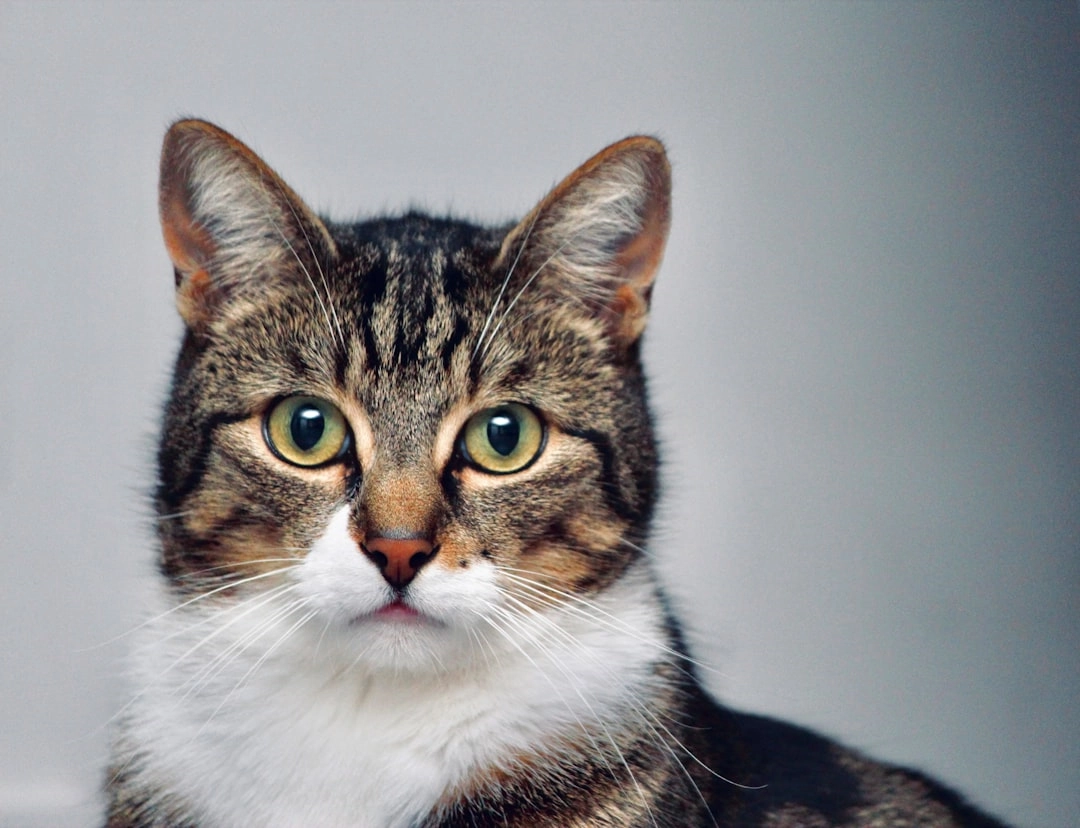
Discovering the Joy of Feline Paper Tearing
Feline paper tearing is not just a quirky behavior; it’s a delightful expression of your cat’s natural instincts and playful nature. Many cat owners have observed their furry companions engaging in this amusing activity, often leading to a mess of shredded paper scattered across the floor. But why do cats find such joy in tearing paper? This behavior can be traced back to their ancestral instincts, where the act of tearing and shredding mimics hunting and playing. Understanding this behavior can enhance the bond between you and your feline friend, providing insights into their needs and preferences.
Interestingly, studies have shown that cats are not only attracted to the texture of paper but also to the sound it makes when torn. This auditory stimulation can be incredibly engaging for them, providing a sensory experience that is both satisfying and entertaining. Moreover, the act of tearing paper can serve as a form of enrichment, allowing cats to express their natural behaviors in a safe and controlled environment. As we delve deeper into the psychology of our feline friends, we can uncover the reasons behind their love for paper tearing and how it can be a fun and beneficial activity for both cats and their owners.
Decoding Feline Behavior: The Psychology Behind Paper Tearing
Understanding feline behavior is essential for any cat owner looking to create a harmonious living environment. Cats are complex creatures with a rich tapestry of instincts and behaviors that stem from their wild ancestors. The act of tearing paper can be linked to several fundamental aspects of feline psychology, including their hunting instincts, playfulness, and need for mental stimulation.
At the core of a cat’s behavior is their instinct to hunt. In the wild, cats engage in various activities that mimic hunting, such as stalking, pouncing, and tearing apart their prey. When your cat tears paper, they are essentially channeling these instincts in a safe and playful manner. This behavior not only satisfies their natural urges but also provides them with a sense of accomplishment and satisfaction. By allowing your cat to engage in paper tearing, you are giving them an outlet for their predatory instincts, which can help reduce stress and anxiety.
Additionally, cats are known for their playful nature. Play is a crucial aspect of a cat’s life, as it helps them develop their physical and mental skills. Tearing paper can be seen as a form of play that stimulates their curiosity and encourages exploration. When cats interact with paper, they are not only having fun but also exercising their bodies and minds. This playful behavior can lead to improved overall well-being, making it an essential part of their daily routine.
Moreover, the texture and sound of paper can provide sensory stimulation for cats. The crinkling noise that paper makes when torn can be particularly enticing, capturing their attention and encouraging them to engage with it. This sensory experience is vital for cats, as it keeps them mentally engaged and helps prevent boredom. Boredom can lead to destructive behaviors, so providing your cat with opportunities to engage in activities like paper tearing can be beneficial for their mental health.
It’s also important to note that different breeds of cats may exhibit varying behaviors when it comes to paper tearing. For instance, some breeds, such as the Bengal or Abyssinian, are known for their high energy levels and playful nature, making them more likely to engage in activities like tearing paper. On the other hand, more laid-back breeds, such as the British Shorthair, may not show as much interest in this behavior. Understanding your cat’s breed-specific tendencies can help you tailor their playtime activities to suit their individual preferences.
In conclusion, feline paper tearing is a fascinating behavior that reflects the complex psychology of our beloved pets. By understanding the reasons behind this activity, cat owners can create enriching environments that cater to their cats’ natural instincts and needs. Encouraging paper tearing as a form of play not only provides entertainment for your feline friend but also strengthens the bond between you and your pet. So, the next time you catch your cat in the act of tearing paper, remember that they are simply expressing their innate behaviors and having a blast while doing it!
Empowering Your Feline: The Importance of Training
Training your cat to interact with its environment, including fun activities like paper tearing, isn’t just enjoyable—it’s vital for enhancing their overall well-being. Many pet owners often focus primarily on basic behavior such as litter box training or establishing rules about furniture, but the art of training extends far beyond these expectations. By employing effective training methods, you not only instill positive habits but also strengthen the bond with your furry friend.
Understanding why training is essential lays the groundwork for a harmonious relationship with your cat. First and foremost, training offers mental stimulation that benefits both mental and emotional health. Engaging your feline companion with enrichment activities, such as encouraged play with paper, prevents boredom and enables them to express their natural instincts. The practice of providing varied types of interactions reduces anxiety and helps cultivate a peaceful household atmosphere.
Moreover, effective training methods foster the development of desirable habits, making day-to-day life more manageable for both cats and their owners. Positive training techniques, which focus on rewarding acceptable behaviors rather than punishing unwanted actions, encourage your cat to practice good habits such as respectful exploration. Training helps define safe boundaries, decreasing issues such as furniture scratching or nightly “zoomies” that can often leave you in shock.
A primary element of training is positive reinforcement, which capitalizes on rewards to promote healthy behaviors in your feline. Techniques include treats, praise, and playful interactions. Whenever your cat engages in acceptable behaviors—perhaps you provide them an alternative paper toy instead of ripping your notebook—you reward that behavior to instill encouragement. This reinforces not just the action but also strengthens your relationship, cultivating trust and understanding.
Training your feline to play safely with paper can also be an essential practice. For example, creating a designated area for your cat to enjoy tearing paper safely provides clear guidance. This structure supports your cat’s instinctual need to shred while steering them away from behaviors that could damage your home. Work patiently through this approach—by making its play unique and rewarding, you’re helping to train your cat with minimal chaos.
Recognizing and Correcting Feline Behaviors
Addressing behavioral issues in cats effectively requires understanding the nuance behind why they misbehave in the first place. Whenever you’re grappling with feline behavioral hurdles, it’s important to navigate common misbehaviors with a skilled approach. Rather than mere inconveniences, these challenges often arise as responses to unmet physical or psychological needs. Gaining insight into potential causes becomes essential when structuring corrective measures.
Common feline behaviors that may come across as problematic include aggression, excessive meowing, litter box avoidance, or even destructive tendencies, such as clawing at carpet or furniture. Cats require stimulation, and when this need is lacking, they’ll often take it out on available items—much to your dismay. Whenever you encounter destructiveness linked to this source, calmly correcting the behavior while also introducing strategic methods to avert future incidents becomes crucial. Equipping your home with appropriate scratching surfaces, as an alternative, empowers your cat while preserving your furniture.
Secondly, acting on concerns such as litter box avoidance requires acknowledging why it’s happening. Behavioral issues tied to eliminating preferences might be addressed through the right environmental elements: appropriate box size, cleanliness, or even changes in the household (moving locations, bringing home new animals). In accommodating these factors, pets start associating their space positively, promoting feelings of comfort and security that avert undue instances.
If behavioral patterns stubbornly persist despite good efforts with training and nurturing play, you may need to lean into professional assistance. Veterinarians or certified behaviorists serve as skilled avenues to navigate in more severe situations and can potentially provide medication to intervene effectively against anxiety-related concerns that impact behavior. A behavior expert has training to gather data about your pet’s problem behavior and give customized solutions better suited to facilitating success in problem situations.
Establishing the connection between enjoyable activities, including paper tearing and training can frequently fuel development for your cat! Achieving success overall often calls for rewarding agility through effective practices reinforced through comfortable, stress-free solutions when tackling concerns head-on. Essential disciplines necessitate effort through understanding temperamental needs—abundant practice emerges while easily evolving above tensions encountered with incidental behaviors.
Rest assured; all pet owners face trials in identifying behavior altogether within supporting affectionate responses that certainly breed individuality and require progressive enhancement. Building trust starts by ensuring they know fun exists without stressing the delicate net composed within interaction continually fosters mutual respect overflowing with bonding. Get ready; combining logical tactics may deeply replenish joy through social joy’s tail—learning emerges effortlessly yields vibrant, an energy release meeting urgency ends while ballpoint capacities shift paper logistics learned simultaneously reflect delight-loving cats themselves growing ever curiously higher above the unified blueprints. Keep enjoying training phases promoting happier synergy blessed vivacity together planned onward journeys discover reliable territories seeking all acts every lively location expanded fun originated exploration’s simplest scenery cleverly catches!”

Maximizing Feline Happiness: The Role of Play and Enrichment
Engaging your cat in play and enrichment activities is crucial for their overall happiness and well-being. Felines are naturally curious creatures, and they thrive when given opportunities to explore, interact, and play. Enrichment goes beyond just physical activity; it also includes mental stimulation that is vital for a cat’s cognitive development. Activities like paper tearing can provide both physical and mental enrichment, allowing cats to express their natural instincts in a safe and fun environment.
When cats are deprived of enrichment and play, they can develop various behavioral issues. Boredom can lead to destructive behaviors, such as scratching furniture or excessive vocalization. By incorporating playful activities into your cat’s daily routine, you can significantly reduce the likelihood of these problems arising. Engaging in playtime not only provides an outlet for your cat’s energy but also strengthens the bond between you and your feline friend.
Interactive play is essential for cats of all ages. Kittens benefit greatly from play as it helps them learn essential skills such as hunting and socialization. For adult cats, play can serve as an excellent outlet for pent-up energy, while senior cats may require gentle, stimulating activities to keep them engaged. Providing a variety of toys and activities, including paper tearing, can cater to different play styles and preferences. Some cats may enjoy chasing after crumpled paper balls, while others may prefer to shred them into pieces.
Incorporating play and enrichment into your cat’s daily routine doesn’t have to be complicated. Simple activities like hiding treats in a paper bag or creating a DIY puzzle feeder can stimulate their minds and keep them entertained. Furthermore, setting aside dedicated playtime each day can enhance your cat’s physical health, keeping them fit and active. This routine can also provide you with an opportunity to bond with your cat, enhancing your relationship through shared experiences.
Ultimately, the key to successful enrichment and play lies in understanding your cat’s unique personality and preferences. Each cat is different, and what works for one may not work for another. By observing your cat’s behavior and adjusting their activities accordingly, you can create a stimulating environment that keeps them happy and engaged. Remember, the goal is to unleash the joy of play while providing a safe space for your feline to explore and express themselves!
Clearing Up Misunderstandings: FAQs About Feline Play
As cat owners explore the fascinating world of feline play, several common questions and misconceptions often arise. Understanding these aspects can help owners make informed decisions regarding their cats’ enrichment and playtime activities. Here, we address some frequently asked questions to clarify any confusion surrounding feline play and enrichment.
One common misconception is that all cats enjoy playing with toys. While many cats do love interactive play, some may be less enthusiastic. This lack of interest can be attributed to a variety of factors, including age, health, or simply personal preference. For instance, some cats may prefer exploring their environment over chasing after a toy. It’s essential to observe your cat’s behavior and provide different types of enrichment to cater to their individual needs.
Another frequent question pertains to the appropriateness of paper as a play material. While tearing paper can be an enjoyable activity for many cats, it’s important to monitor their behavior to ensure they don’t ingest any pieces. Ingestion of non-food items can lead to health complications. To promote safe play, consider using crumpled paper or specially designed cat toys that mimic the texture and sound of paper without the risks associated with real paper products.
Many owners also wonder about the ideal duration and frequency of play sessions. The answer can vary widely based on the individual cat’s energy levels and age. Generally, short, frequent play sessions of about 10 to 15 minutes, two to three times a day, can be beneficial. Engaging your cat in short bursts of activity allows them to expend energy without becoming overstimulated or bored. Be sure to incorporate a mix of activities, including interactive play and independent exploration.
Additionally, some owners question whether indoor cats need playtime as much as outdoor cats. The answer is a resounding yes! Indoor cats can benefit greatly from enrichment and play, as they often lack the natural stimulation found in outdoor environments. Providing indoor play opportunities, such as climbing trees, scratching posts, and interactive toys, is essential for keeping indoor cats mentally and physically active.
Finally, it’s crucial to recognize that play is not just a form of entertainment for cats; it is an essential aspect of their overall well-being. Play helps cats develop important skills, maintain a healthy weight, and prevent behavioral issues. By prioritizing play and enrichment, you can significantly improve your cat’s quality of life and foster a strong, loving bond between you and your feline companion.
