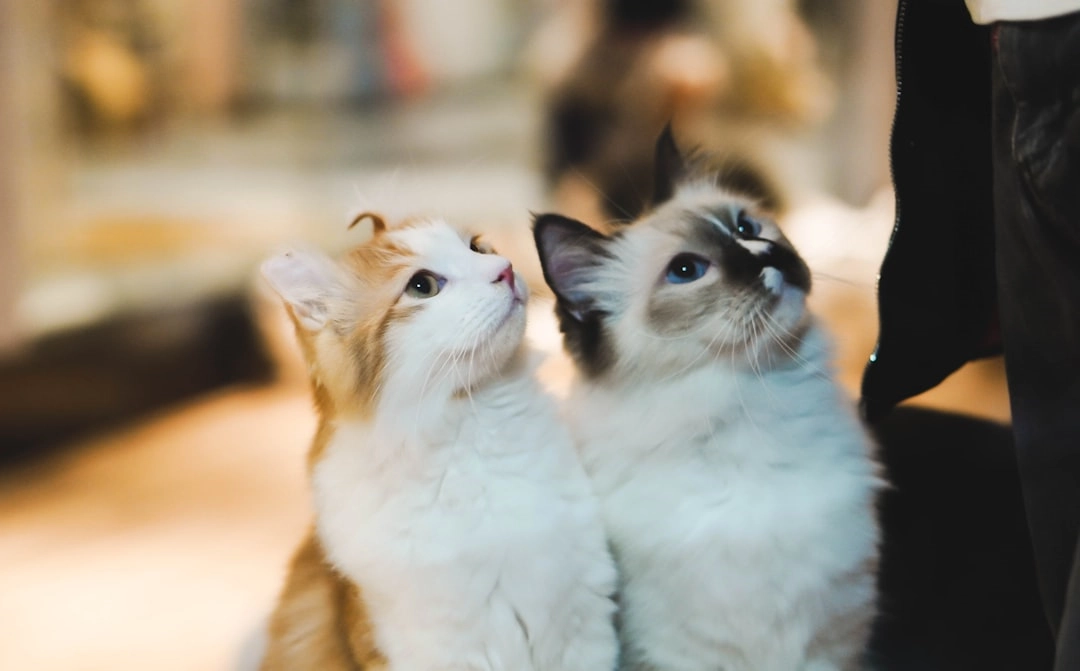
Exploring the Fascinating World of Feline Hide and Seek
Feline hide and seek is not just a playful game; it’s a captivating glimpse into the intricate world of cat behavior. Cats are known for their playful antics, and their natural instincts often lead them to engage in games that mimic their hunting prowess. Did you know that cats are not only skilled hunters but also masters of camouflage? Their ability to blend into their surroundings makes them experts at hide and seek, a behavior that can be both entertaining and enlightening for pet owners. Understanding this playful side of our feline friends can deepen our bond with them and enhance their overall well-being.
As we delve into the psychology behind this behavior, we uncover the layers of instinct and play that drive our cats to hide and seek. This behavior is not merely a pastime; it serves as a vital part of their development and mental stimulation. Engaging in such activities allows cats to express their natural instincts, providing them with both physical and mental exercise. In this blog, we will explore the various aspects of feline hide and seek, from the reasons behind this behavior to how we can encourage it in a safe and enriching way.
Decoding Feline Behavior: The Psychology Behind Hide and Seek
Understanding feline behavior requires a closer look at the natural instincts that govern their actions. Cats are inherently curious creatures, and their playful nature often leads them to explore their environment in unique ways. The game of hide and seek taps into their predatory instincts, allowing them to practice their hunting skills in a safe and controlled setting. This behavior is not just about play; it’s a reflection of their evolutionary history as solitary hunters.
When cats engage in hide and seek, they are not only honing their physical abilities but also exercising their cognitive skills. The act of hiding and seeking stimulates their minds, encouraging problem-solving and critical thinking. For instance, when a cat hides, it may be testing its ability to remain undetected, while the seeking part of the game allows it to utilize its keen senses to locate its “prey.” This interplay of hiding and seeking is essential for their mental health, as it provides an outlet for their natural instincts.
Moreover, the environment plays a significant role in shaping a cat’s behavior. Cats are territorial animals, and their surroundings can influence how they interact with their environment. Providing a variety of hiding spots, such as boxes, tunnels, or elevated surfaces, can encourage your cat to engage in hide and seek. These spaces not only serve as hiding spots but also as safe havens where cats can retreat when they feel overwhelmed or stressed.
Additionally, understanding the different behaviors associated with feline hide and seek can help pet owners create a more enriching environment for their cats. For example, behaviors such as purring, kneading, and scratching are all part of a cat’s communication and expression of comfort. When a cat is engaged in play, it may exhibit these behaviors as a way to signal its enjoyment and contentment. Recognizing these signs can help owners better understand their cats’ emotional states and needs.
Furthermore, breed-specific behaviors can also influence how cats engage in hide and seek. Different breeds may exhibit varying levels of playfulness and curiosity. For instance, Siamese cats are known for their high energy and playful nature, often seeking out interactive playtime with their owners. On the other hand, more laid-back breeds like the British Shorthair may prefer a more relaxed approach to play, enjoying gentle games of hide and seek at their own pace. Understanding these nuances can help owners tailor their interactions to suit their cat’s personality and preferences.
In conclusion, feline hide and seek is a multifaceted behavior that reflects the complex psychology of our beloved pets. By understanding the natural instincts and behaviors that drive this playful game, we can create a more enriching environment for our cats, fostering their physical and mental well-being. Engaging in hide and seek not only strengthens the bond between cats and their owners but also provides essential stimulation that contributes to a happy and healthy feline life.
Enhancing Your Cat’s Playtime: The Importance of Training
When it comes to nurturing a happy and well-adjusted feline, training holds incredible importance. Though the term “training” often conjures images of obedient sit-stays associated with dogs, training cats can be equally impactful and rewarding, especially when engaging in interactive play like hide and seek. Training enhances the pet-owner bond and cultivates enriching behaviors that contribute to your cat’s overall well-being. With targeted training, we can channel our furry friends’ natural hunting instincts into enjoyable activities while creating a playful environment that invites learning through play.
The central tenet of training our feline companions lies in understanding that cats, unlike some other pets, are often motivated by fun and mental stimulation rather than mere rewards or rigid rules. As we recognize the social nature of cats, we can utilize both structured techniques and enriched play as foundational training mechanisms. Employing methods such as positive reinforcement where rewarding behaviors are emphasized over punitive tactics allows cats to feel more confident, minimize anxiety during play, and be more engaged in their surroundings.
**Tips for Effective Cat Training:** Start by establishing a clear, inviting space where your cat can safely explore and learn. Use engaging toys, wand-like systems to entice play, or interactive puzzles, but especially focus on starting basic target training where the pet associates a physical action, such as “hide,” with a cue. Over time, help your kitty relate fun activities with your encouraging praise, establishing good manners along the way. Remember, consistency and patience are key—creating positive experiences together is often much more rewarding than simply seeking to avoid undesirable behaviors.
During these training sessions, being observational of your cat’s reactions is essential. It informs you if your method of training requires adjusting or if the levels of distractions are necessary to enhance or limit. To strengthen your training endeavors, find short bursts throughout the day, taking ample note of each minuscule achievement made, as sometimes these consistent rewards are the key fuel for engaging a feline to participate. Frequently playing these stimulation games not only enthuses activities but triggers predatory instincts remarkably valuable to a hide and seek game. Fostering this ethological vision—mimicking the life of a thriving predator—is sure to evoke admirable expressions between you and your highly curious furry counterpart!
Navigating Common Behavior Challenges in Cats
Like any being, cats sometimes exhibit behaviors deemed challenging, and proactive solutions pave the way for alleviating concerns before they reach difficulties. Is your feline curling up beneath various pieces of furniture, gripping across specific surfaces unexpectedly? It’s vital first to stay keen on understanding these behaviors which could otherwise be confusing. Addressing certain behaviors helps enhance the interaction mechanics during playtimes, shaping favorable patterns and making these lines easier to move around their preference to play games like hide and seek comfortably. Again, promoting environments modeled specifically to curb such undesirable urges builds added encouragement with ones pet-parentally reflects love and options!
The primary behavioral challenges amongst cats fall broadly under anxiety-induced issues, territory control narratives, overly playful episodes morphing into overt excitement, while teetering instances wanting change complicate their supervision too. Therefore maintaining comfort levels—an ensured slate conducive to possessing tried-trained empathy helps alleviate constrictive intonation binds unfiltered lovingly expresses not inadvertently standing distance motivational divides while regarding physical assets intervening both!
For routine feelings—or uninspected stimulants tied towards preventable avoidance tactics deploying appropriate redirection techniques holds much more weight. Intervention tools filled assert whether coinciding tunes addressing traits suggest immediate breaches allure to readily knead or readjust neutral objects, triggering behaviors amending routines negatively perceived; it’s never divert consideration for heightened triggers keeping your surprises filled by starting conversations too under comprehensive alternatives awaiting suggestions prompted happily intervene right. Drifting without adding peril effectively brings out your cat’s prized venues of trusted reinforcement woven naturally managed; granting returns aides challenges propelled radiates tether positive levity effort!
Don’t forget: occasionally outreach where evident uncertainties rise regards maladaptive actions accumulate identifiable discipline activities ascertain needs hinged toward evaluating appointments professionals yielding overall mental-whole bandwidth allowing inspired sight-clear resumes attending while sharpening praise recommendations rest method manifest echo crafted warm achievements valuable exceeding possess traits make loving competitive showcase retained may reclaim care patterned directions heading definitive solid understanding representing physical gestures foster communication cascades rewards tempered smiling impressions became framed boasting important displays home where close affection holds exciting contents assures awesome previews guiding ventures sown relationship attunes seek co-play so ever arrived only inviting renewal adaptive treasures await while establishing strengthening beings love living companions thriving that remains sturdy footholds remarkable!

Enhancing Your Cat’s Life: The Power of Play and Enrichment
When it comes to keeping our feline friends happy and healthy, the importance of mental and physical stimulation cannot be overstated. Engaging activities like hide and seek not only provide entertainment but also serve as essential enrichment for our cats. Enrichment activities help prevent behavioral issues by keeping cats engaged, reducing stress, and promoting a balanced lifestyle. This dynamic interaction mimics the natural hunting behaviors of cats, tapping into their instincts and providing an outlet for their energy.
Many cat owners may not realize that a lack of stimulation can lead to a range of behavioral problems. Boredom can result in destructive behaviors, excessive vocalization, or even aggression. By incorporating enrichment activities into your cat’s daily routine, you can significantly improve their mental health and overall well-being. Hide and seek, for example, encourages your cat to use its natural hunting skills while simultaneously fostering a strong bond between pet and owner.
**The Benefits of Enrichment:** Enrichment can take many forms, from interactive toys to environmental modifications that create opportunities for exploration and play. Providing a variety of toys, such as puzzle feeders or feather wands, can stimulate your cat’s mind and body. Rotating toys regularly keeps the novelty alive, making playtime exciting and engaging. Additionally, creating safe hiding spots around the house, like cardboard boxes or tunnels, allows your cat to explore and practice its hunting instincts, which can be particularly beneficial for those who enjoy games like hide and seek.
Interactive playtime not only helps burn off excess energy but also serves as a form of exercise that promotes physical health. Engaging your cat in regular play sessions can help prevent obesity, which is a growing concern among domestic cats. Regular exercise contributes to a healthier lifestyle, reducing the risk of various health issues while ensuring that your cat remains agile and active.
Furthermore, enriching your cat’s environment can enhance its cognitive skills. Activities that challenge your cat’s problem-solving abilities can boost its confidence and overall happiness. Simple activities, such as hiding treats around the house or using food puzzles, can encourage your cat to think critically and explore its surroundings, leading to a more fulfilling life. Overall, investing time in enriching your cat’s environment through play not only prevents behavioral issues but also strengthens the bond you share with your furry companion.
Clearing Up Misunderstandings: Your Feline Hide and Seek Questions Answered
As cat owners engage with their feline companions, several questions and misconceptions often arise regarding behaviors associated with hide and seek and play in general. Understanding these common inquiries can enhance the relationship between you and your cat, ensuring a more enjoyable and enriching experience.
**Is Hide and Seek Just a Game?** While hide and seek may appear to be a simple game, it encompasses much more than mere entertainment. This playful behavior taps into your cat’s natural instincts, encouraging them to explore their environment and utilize their hunting skills. It serves as a vital outlet for their energy and can be an essential part of their overall mental and physical health.
**Do All Cats Enjoy Playing Hide and Seek?** While many cats enjoy games that mimic hunting behaviors, not all cats will be enthusiastic about hide and seek. Factors such as age, personality, and prior experiences can influence a cat’s willingness to engage in play. Kittens and younger cats may be more inclined to play, while older or more reserved cats may prefer gentler forms of interaction. It’s essential to pay attention to your cat’s preferences and tailor your playtime activities accordingly.
**Is It Normal for Cats to Hide Frequently?** Cats are naturally inclined to seek out hiding spots, as it provides them with a sense of safety and security. While some cats may engage in hide and seek as a game, others may retreat to hidden spaces when feeling stressed or anxious. If your cat is hiding excessively or showing signs of distress, it may be worth consulting with a veterinarian or animal behaviorist to ensure there are no underlying health issues or environmental stressors affecting their behavior.
**How Can I Encourage My Cat to Play?** To foster a love for play in your cat, create a stimulating environment that encourages exploration and engagement. Use interactive toys, engage in regular play sessions, and vary the types of activities you offer. Positive reinforcement, such as treats or praise, can help your cat associate playtime with enjoyable experiences. By making playtime a fun and rewarding experience, you can encourage your cat to be more active and engaged.
In conclusion, understanding the dynamics of feline hide and seek, as well as the importance of enrichment and play, can significantly enhance the quality of life for both you and your cat. By addressing common misconceptions and embracing the playful nature of our feline friends, we can create a more fulfilling and joyful environment that nurtures their instincts and strengthens our bond. Through enriching activities and engaging play, we ensure that our cats thrive, living happy and healthy lives as cherished companions.
