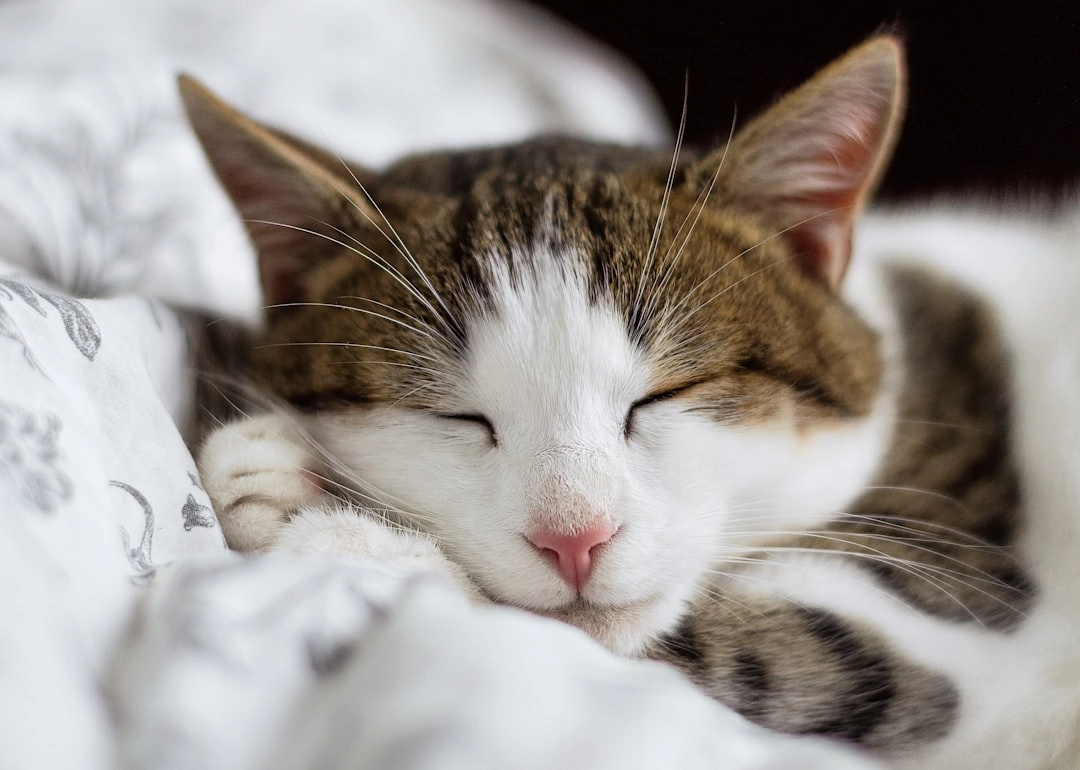
Exploring Feline Wanderlust: A Journey into Cat Behavior
Have you ever watched your cat meander around the house, seemingly on a mission, only to wonder what drives this behavior? Feline wanderlust is a fascinating aspect of cat behavior that can leave pet owners both intrigued and perplexed. Understanding why cats exhibit this wandering tendency is essential for fostering a harmonious relationship with our feline companions. This blog post delves into the captivating world of feline space adventures, shedding light on the reasons behind their exploratory nature and how we can better accommodate their instincts.
Cats are inherently curious creatures, and their desire to explore their environment is deeply rooted in their evolutionary history. As descendants of solitary hunters, cats possess a natural instinct to investigate their surroundings, seeking out potential prey and safe spaces. This instinctual behavior is not merely a quirk; it serves a vital purpose in their overall well-being. By understanding the motivations behind feline wanderlust, we can create an enriching environment that satisfies their curiosity while ensuring their safety.
One of the most common questions pet owners ask is, “Why does my cat wander off or seem to roam aimlessly?” The answer lies in their complex psychology and behavioral patterns. Cats are territorial animals, and their wandering behavior often stems from a desire to explore and establish their territory. They may feel compelled to patrol their domain, ensuring that everything is as it should be. This behavior is particularly pronounced in outdoor cats, who may venture far from home in search of new experiences.
Moreover, the environment plays a significant role in shaping a cat’s wandering behavior. Open spaces, for instance, provide a sense of security and freedom, allowing cats to investigate without feeling trapped or threatened. A well-structured home environment that includes vertical spaces, hiding spots, and interactive toys can help satisfy their exploratory instincts. By understanding the factors that influence feline wanderlust, we can create a safe and stimulating environment that encourages healthy exploration.
Decoding Feline Behavior: The Psychology Behind Their Actions
To truly understand our feline friends, we must delve into the basics of feline psychology. Cats communicate through a variety of behaviors, each with its own meaning. From purring to kneading, scratching to climbing, these actions provide insight into their emotional state and needs. Recognizing these behaviors is crucial for fostering a strong bond with our pets and addressing any potential issues that may arise.
One of the most endearing behaviors exhibited by cats is purring. Often associated with contentment, purring can also indicate stress or discomfort. Understanding the context in which your cat purrs can help you gauge their emotional state. For instance, if your cat is purring while being petted, it likely signifies relaxation and happiness. However, if they are purring while hiding or in a tense situation, it may be a self-soothing mechanism.
Kneading is another common behavior that many cat owners observe. This action, where cats push their paws in and out against a soft surface, is often reminiscent of kittenhood when they kneaded their mother’s belly to stimulate milk flow. Adult cats may knead as a way to express comfort and security, often seeking out soft blankets or their owner’s lap. Recognizing this behavior as a sign of affection can deepen the bond between you and your feline companion.
Scratching is a natural instinct for cats, serving multiple purposes. It helps them maintain their claws, mark their territory, and stretch their muscles. Providing appropriate scratching posts and surfaces can help redirect this behavior away from furniture and other household items. Understanding the reasons behind scratching can lead to a more harmonious living environment for both you and your cat.
Additionally, cats exhibit unique behaviors based on their breed. For example, Siamese cats are known for their vocal nature and social tendencies, while Maine Coons are often more laid-back and affectionate. Recognizing these breed-specific traits can help you tailor your approach to training and interaction, ensuring that your cat’s needs are met.
In conclusion, understanding feline wanderlust and the underlying behaviors that drive it is essential for creating a fulfilling life for our cats. By recognizing their natural instincts and providing an enriching environment, we can foster a sense of security and happiness in our feline companions. As we embark on this journey of exploration together, we can deepen our connection with our beloved pets and ensure they thrive in their home environment.
Effective Training Techniques for Feline Wanderers
Training our feline friends, particularly those prone to wandering, is essential in nurturing a well-behaved and well-adjusted pet. Understanding feline training is important not only to establish a bond but also to help them feel more secure and less anxious. Contrary to popular belief, cats can be trained successfully; however, it may require more creativity and patience compared to training a dog. With the right approach, you can help shape your cat’s behavior and ensure they are aware of acceptable boundaries when it comes to wandering.
One of the foremost principles in training cats is the concept of positive reinforcement. Cats respond best to rewards, whether it’s tasty treats, praise, or their favorite toys. Understanding this aspect of feline psychology can significantly improve training outcomes. Reinforcing positive behavior by rewarding desirable actions increases the likelihood that these behaviors will be repeated. For instance, when your cat comes to you when called, immediately offer a treat or affectionate petting to reinforce the behavior and encourage them to return to you during future adventures.
Another foundational aspect of feline training is consistency. Just like humans, cats thrive on routine and clarity. Providing consistent cues, whether they be verbal commands or physical gestures, helps to establish a clear understanding of what behavior you are expecting from your feline companion. For example, consistently using the same command each time you want your cat to come inside from outdoor exploration can reinforce the association between the sound of the command and the desired action. Maintaining this kind of consistency across different behaviors helps build a framework that makes it easier for your cat to learn and adhere to the established rules.
The training environment also plays a critical role in your cat’s ability to learn effectively. Minimizing distractions in the initial stages of training can facilitate concentration and help your cat focus on mastering their behaviors. Starting in a quiet room with minimal stimuli allows for a more effective teaching session. As your cat learns basic commands or tricks, you can slowly increase the level of distraction, which will reinforce their learning under varied circumstances. Understanding the elements of their environment can help inform your training strategies.
Understanding feline body language during training is equally important. Cats communicate a great deal through their body language, and recognizing these signals can not only improve training sessions but also help create a more relaxed experience for both owner and pet. For example, if your cat shows signs of irritation such as flicking tails or flattening ears, it is essential to take a step back and adjust your methods rather than push them into discomfort. This element of responsiveness builds trust and develops a strong bond between you and your cat.
While the basic principles of positive reinforcement, consistency, and recognizing body language form the foundation of feline training, exploring specific techniques can provide structure to training sessions. Target training is a popular technique that employs a clicker or marker to indicate success when your cat performs a desired behavior, helping build a foundation for advanced skills like agility training and specialized tricks. Consistently marking their achievements enables your feline to understand and link the desired behavior with the eventual reward they seek.
Effective Solutions for Common Feline Behavior Issues
Addressing behavioral issues, particularly those linked to wandering, is an integral component of responsible cat ownership. While it’s natural for cats to exhibit exploratory tendencies, they may sometimes display behaviors that put them or their environment at risk. Consequently, pinpointing and mitigating these issues through actionable insights is essential for both feline happiness and pet-owner peace of mind.
One common issue related to feline wanderlust is escaping tendencies, especially in indoor cats seeking adventure. Implementing preventative measures helps ensure that your feline remains safe and secure at home. Consider installing screens or pet-safe nets in open windows, which allows natural sunlight and airflow but prevents any opportunity to leap outside unsupervised. Enhanced training, as mentioned earlier, offers a proactive approach, teaching your cat to respond well to commands that prompt them to stop what they’re doing or return to you when they’re called.
Another behavioral concern involves inappropriate urination, which sometimes stems from stress or anxiety, particularly when faced with the prospect of travel or environmental changes. If your cat wanders due to fear or nervousness, developing a secure environment may prove advantageous. Provide a suitable number of litter boxes (one for each cat and one extra) scattered across areas where your feline feels secure and can easily access these resources without overwhelming triggers.
Hiding and climbing are also behaviors deserving attention. Cats seek vertical spaces for a reason—high spots grant them a vantage point over their surroundings and can alleviate fears associated with lower environments. However, building accessible places with cat towers or ensuring shelves for vertical exploration might help deter unwanted escape behaviors from safer lower areas while bolstering their instincts to explore within a manageable degree of supervision.
Adverse behaviors like excessive scratching can also correlate with inappropriate wandering urges, typically resulting from unfulfilled hunting instincts and frustrated energy. Provide a variety of scratching posts with different textures, along with interactive toys, encouraging productive behaviors as a deterrent to urge wandering purely from bored instincts. Observe which areas are most frequently targeted for scratching and create designated spaces that fulfill their comfort to interact while sparking playfulness at home, where interaction proves essential.
When assessing your cat’s actions and adapting their environment, it may become evident that some conditions necessitate professional evaluation and intervention. Consulting with a veterinarian or professional animal behaviorist may provide tailored solutions alongside regimented plans for healthy exploration and social needs linked to feline restlessness. Determining when to enlist help is a practical measure many conscientious pet owners benefit from during each phase.
Finally, using technology may advance how behavior may shift through experience as ways arise in which equipment aids challenge and manage feelings surrounding space while maximizing ample hunting impulses. Engaging apps or toys that stimulate further comprehension by mimicking diverse wild behaviors while being constrained with targets might fulfill whims of stabilities to harness flair of skills persuasively on-field plays that excite these adventuring sensations throughout training’s lifecycle.
By addressing these behavioral issues strategically and attentively and integrating training effectively, you can mitigate potential conflicts while enriching your cat’s life. This proactive approach can vastly enhance the bond shared between you and your adventurous feline, ensuring that they thrive emotionally and are granted ample opportunities for exploration in safe, healthy ways.

Creating an Engaging Environment for Your Feline Explorer
When it comes to our beloved cats, providing an enriching environment is crucial for their mental and physical well-being. Cats are natural explorers, and without adequate stimulation, they may resort to unwanted behaviors stemming from boredom or frustration. Understanding the importance of mental and physical stimulation can transform your home into a haven for your feline friend, allowing them to engage their instincts and prevent behavioral issues that may arise from inactivity.
Enrichment can take many forms, from interactive toys and climbing structures to puzzle feeders and sensory experiences. The goal is to provide a variety of opportunities for your cat to explore, play, and engage their natural instincts. Cats are curious by nature, and creating an environment that caters to their need for exploration is essential. This includes incorporating vertical spaces, such as cat trees and shelves, where they can climb and survey their territory, as well as safe areas for them to hide and seek.
Physical stimulation is equally important in keeping your cat healthy and happy. Regular play sessions not only provide an outlet for pent-up energy but also strengthen the bond between you and your pet. Engaging your cat in interactive play, using toys like feather wands or laser pointers, encourages them to exercise and develop their hunting skills. It’s essential to schedule regular playtime, as this not only keeps them active but also helps prevent obesity, which is a common concern among indoor cats.
Mental stimulation can be achieved through puzzle toys that challenge your cat’s problem-solving abilities. These toys often require them to figure out how to access treats or kibble hidden inside, encouraging them to think critically and engage their natural hunting instincts. By stimulating their minds, you can reduce the likelihood of boredom-induced behaviors, such as scratching furniture or excessive vocalization.
Incorporating scents and textures into your cat’s environment can also enhance their sensory experiences. Consider using catnip or introducing various safe plants that cats enjoy, such as cat grass. Providing different textures, such as scratching posts made of sisal or cardboard, allows your cat to explore and engage with their environment in diverse ways. This sensory enrichment helps to keep their curiosity alive and encourages exploration.
Ultimately, the key to preventing behavioral issues lies in understanding your cat’s individual preferences and tailoring enrichment activities accordingly. Every cat is unique, and their interests may vary widely. Some cats may love climbing and jumping, while others prefer interactive play or solving puzzles. By observing your cat’s behavior and experimenting with different forms of enrichment, you can create a stimulating environment that keeps them engaged and content.
Debunking Myths: Understanding Feline Wanderlust
As cat owners, we often have questions and misconceptions about our furry friends, especially regarding their wandering behaviors. Understanding these common queries can help us create a better environment for our cats and alleviate any concerns we may have about their exploration tendencies.
One prevalent misconception is that a cat’s desire to wander is a sign of disobedience or a lack of affection for their owner. In reality, a cat’s wandering behavior is often driven by their natural instincts to explore, hunt, and establish territory. This behavior is not a reflection of their feelings towards you but rather an expression of their innate curiosity. It’s essential to recognize that cats, like many animals, have evolved to seek out new experiences as part of their survival instincts.
Another common question revolves around whether indoor cats should be allowed outside to satisfy their wandering instincts. While outdoor exploration can provide enriching experiences, it also poses significant risks, including exposure to traffic, predators, and disease. Many veterinarians recommend creating a safe indoor environment that satisfies your cat’s need for exploration without the dangers associated with outdoor wandering. Providing climbing structures, interactive toys, and playtime can effectively meet their exploratory needs while keeping them safe.
Some cat owners may worry that their feline friends will become bored if they are kept indoors. However, with the right enrichment strategies, indoor cats can lead fulfilling lives. Engaging your cat in play, offering interactive toys, and rotating activities can keep their environment dynamic and exciting. It’s also important to recognize that cats often prefer to stay within familiar territories, so providing an enriched indoor environment can be just as satisfying for them as outdoor exploration.
Additionally, many cat owners wonder if they should intervene when their cat exhibits wandering behavior. While it’s natural for cats to explore their surroundings, monitoring their behavior is crucial. If your cat appears anxious or exhibits signs of distress when wandering, it may be beneficial to consult a veterinarian or animal behaviorist. Understanding the underlying reasons for their behavior can help you address any issues effectively and create a more comfortable environment for your feline friend.
In conclusion, understanding your cat’s wanderlust and providing the necessary enrichment can create a fulfilling life for your feline companion. By dispelling common misconceptions and recognizing the importance of mental and physical stimulation, you can help ensure your cat remains happy, healthy, and engaged. Remember, a well-enriched environment is key to nurturing a curious explorer and strengthening the bond you share with your beloved pet.
