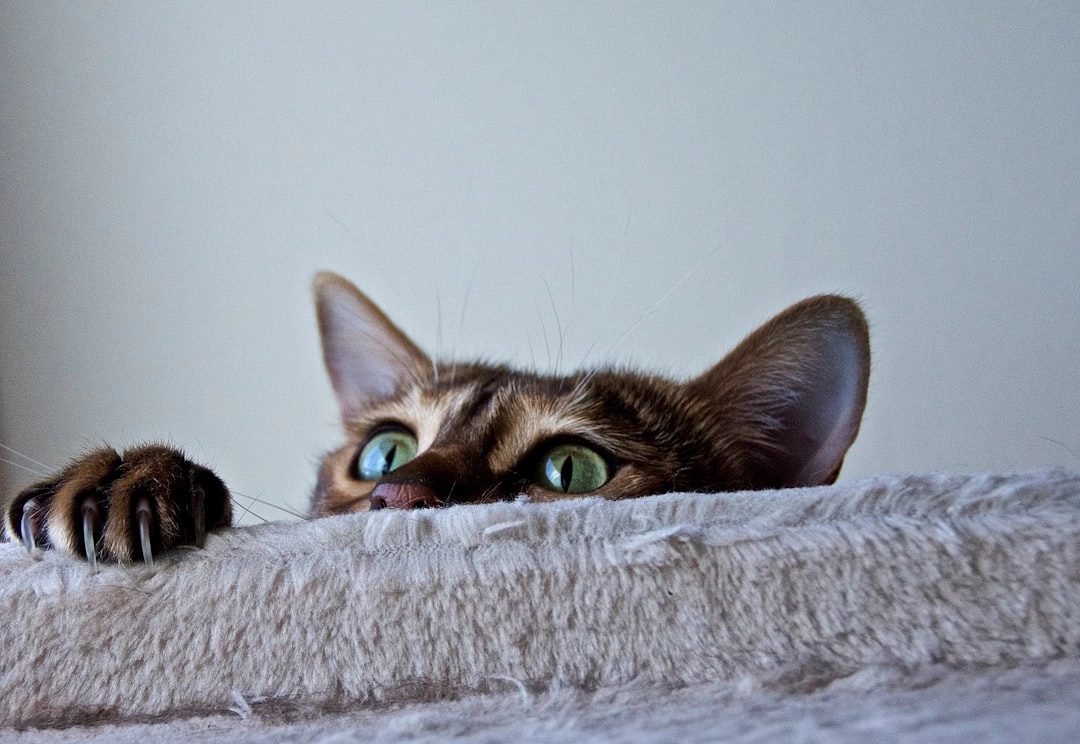
Exploring the Joys of Feline Window Watching
Feline window watching is a delightful activity that many cats engage in, providing them with mental stimulation and a connection to the outside world. Did you know that cats can spend hours perched by a window, observing the hustle and bustle of life beyond their home? This behavior is not just a pastime; it taps into their natural instincts and enriches their daily lives. As pet owners, understanding the significance of this activity can help us create a more fulfilling environment for our furry companions.
Window watching allows cats to engage their senses, providing visual stimulation as they watch birds, squirrels, and other outdoor creatures. This behavior is rooted in their predatory instincts, as they are naturally wired to observe and stalk potential prey. By watching the world go by, cats can satisfy their curiosity and exercise their minds, which is essential for their overall well-being.
Moreover, window watching can help alleviate boredom, especially for indoor cats who may not have access to the great outdoors. It serves as a form of entertainment, keeping them engaged and mentally active. In fact, studies have shown that providing cats with opportunities for environmental enrichment, such as window perches or cat trees, can lead to happier and healthier pets.
As we delve deeper into the world of feline window watching, we will explore the various aspects of this behavior, including its psychological benefits, how to enhance the experience for our cats, and the importance of understanding their natural instincts. By fostering an environment that encourages window watching, we can enrich our cats’ lives and strengthen our bond with them.
Decoding Feline Behavior: The Psychology Behind Window Watching
Understanding feline behavior is crucial for any cat owner looking to provide the best care for their pet. Cats are complex creatures with unique psychological needs, and their behaviors often reflect their instincts and emotions. When it comes to window watching, several key factors come into play that can help us understand why our cats are so drawn to this activity.
First and foremost, cats are natural hunters. Their ancestors relied on keen observation skills to track prey, and this instinct remains strong in domestic cats today. When they sit by the window, they are not just idly watching; they are engaging in a form of mental exercise that mimics the hunting behaviors of their wild counterparts. This instinctual drive to observe and stalk is a fundamental aspect of feline psychology.
Additionally, window watching provides a sense of security and control for cats. From the safety of their perch, they can observe their surroundings without the risk of being exposed to potential threats. This vantage point allows them to feel empowered, as they can monitor the activities of birds, other animals, and even humans passing by. This sense of control can be particularly important for indoor cats, who may feel confined and vulnerable without the ability to explore the outside world.
Moreover, window watching can serve as a form of social interaction for cats. While they may not be physically engaging with other animals, the act of observing can fulfill their social needs. Cats are social creatures, and watching other animals can provide them with a sense of companionship, even if it is from a distance. This behavior can help reduce feelings of loneliness and boredom, contributing to their overall emotional well-being.
Understanding the natural instincts and behaviors of our feline friends is essential for creating an enriching environment. By recognizing the significance of window watching, we can enhance our cats’ experiences and provide them with opportunities to engage in their natural behaviors. This not only benefits their mental health but also strengthens the bond between pet and owner.
In conclusion, feline window watching is more than just a cute pastime; it is a vital activity that taps into a cat’s instincts and provides numerous psychological benefits. By fostering an environment that encourages this behavior, we can enrich our cats’ lives and ensure they remain happy, healthy, and engaged. Understanding the psychology behind their actions allows us to cater to their needs and create a fulfilling life for our beloved pets.
Effective Training Techniques for Your Feline Friend
Training your cat might seem daunting, but it’s an essential part of ensuring a harmonious living environment for both you and your furry companion. Many cat owners often overlook training, assuming that cats are self-sufficient creatures that will naturally adapt to their surroundings. However, understanding the fundamentals of feline behavior and psychology can greatly enhance your efforts to guide and teach your pet. Training is not just about obedience; it shapes their interaction with the environment, encourages desired behaviors, and fosters a stronger bond between cat and owner.
One of the primary reasons training is crucial is that it reinforces desirable behaviors. For instance, if a cat learns to associate a particular sound or command with an action, such as sitting or using the litter box, they are more likely to repeat that behavior. Basic commands and routines not only help cats live harmoniously in their homes, but they can also help the owner manage the cat’s behavior in various situations, reducing the likelihood of problematic behaviors developing.
Training also serves to stimulate your cat’s mind. Cats are intelligent creatures that require mental engagement in addition to physical exercise. Training provides an outlet for their curiosity and playful nature. Activities that involve learning new tricks or commands keep their brains active, which can prevent boredom that might lead to destructive behavior. Remember that a mentally stimulated cat tends to be a happier and more balanced one.
In feline training, positive reinforcement is a key principle. This technique hinges on rewarding desirable behaviors rather than punishing undesirable ones. Whether it involves treats, playtime, or affection, the use of positive reinforcement builds a sense of trust and security between you and your cat. When cats understand that a specific action results in a positive outcome, they’re likely to repeat that action.
During training sessions, consistency is vital. Cats thrive on routine, and implementing a structured schedule for training enhances their learning experience. You should designate specific times during the day for training, and those sessions should typically last no longer than 10 to 15 minutes to maintain focus and engagement. Frequent short training sessions tend to yield more success than sporadic, longer sessions.
Tackling Feline Behavioral Challenges
Like any pet, cats can exhibit a range of behavioral issues that may arise due to various factors, from changes in their environment to unmet social needs. Addressing these behavioral challenges is essential for both the cat’s well-being and the overall peace of the household. Identifying and understanding these issues early on can facilitate effective interventions that transform disruptive behaviors into positive actions.
One common behavioral issue cat owners often encounter is inappropriate scratching. Cats scratch for various reasons, such as marking territory, stretching, or grooming their claws. When a cat scratches furniture or other undesirable surfaces, they might simply be responding to their instincts. To combat this behavior, owners should provide appropriate outlets such as scratching posts or pads. Encouraging your cat to use these designated objects through positive reinforcement can significantly improve their scratching habits.
Another prevalent issue among indoor cats is excessive vocalization. If your once-quiet cat suddenly begins meowing or howling incessantly, it could indicate anxiety, frustration, or a longing for attention. To address excessive vocalization, first determine any underlying causes, which may necessitate a visit to a veterinarian to rule out health issues. You can also create a soothing environment that caters to their instincts, enriching their physical space with interactive toys or window perches to keep them entertained and satisfied.
Sometimes, a cat’s aggressiveness towards people or other pets may arise from fear or territorial disputes. The best solution for this behavior is gradual socialization and exposure to positive experiences with the object of their aggression, all in a controlled manner. Consider using calming sprays or natural remedies when introducing your cat to new environments or pets to reduce stress.
While most behavioral issues can be managed at home, there are instances when professional help is needed. If the behavioral issue persists or escalates despite your best efforts, consulting a veterinary behaviorist or a certified pet trainer experienced with cats is recommended. They can assess the situation, propose specialized training techniques or address any underlying mental health concerns that require targeted solutions.
Recognizing early signs of distress, boredom, or anxiety can save both cat and owner a lot of stress in the long run. It’s essential for pet owners to view cat behavior as a form of communication. Being attentive to their feline’s physical signals, sounds, and actions allows you to discover what makes your cat happy or unhappy, setting the stage for appropriate interventions and rewarding behavior patterns.

Enhancing Your Cat’s Life Through Play and Enrichment
Creating an enriching environment for your feline friend is essential for their mental and physical well-being. Cats are naturally curious and playful creatures, and providing them with opportunities for both mental stimulation and physical activity can significantly improve their quality of life. Enrichment not only keeps your cat engaged but also prevents behavioral issues that may arise from boredom or lack of stimulation.
When cats are deprived of proper mental and physical engagement, they may develop destructive behaviors such as scratching furniture, excessive vocalization, or even aggression. These behaviors often stem from frustration and pent-up energy. Therefore, it is vital to incorporate various forms of enrichment into your cat’s daily routine to ensure they are happy and well-adjusted.
One effective way to enhance your cat’s environment is through interactive play. Toys that mimic the movements of prey, such as feather wands or laser pointers, can trigger your cat’s natural hunting instincts, providing both mental and physical exercise. Engaging in playtime with your cat not only strengthens your bond but also allows them to express their innate behaviors in a safe and controlled environment.
Additionally, puzzle toys that dispense treats or require problem-solving skills can stimulate your cat’s mind. These toys encourage them to think critically and develop their cognitive abilities while providing the reward of a tasty treat. Rotating toys and introducing new challenges regularly can keep your cat’s interest piqued and encourage them to explore their surroundings.
Creating vertical spaces within your home, such as cat trees or shelves, also provides an enriching experience. Cats love to climb and perch, and having elevated areas allows them to survey their territory, which can be mentally stimulating. It mimics their natural instincts and provides a sense of security, as they can observe their environment from a safe vantage point.
Moreover, outdoor enrichment can also be beneficial for indoor cats. Setting up a catio, or a cat patio, allows your feline friend to experience the outdoors safely. This space can include scratching posts, climbing structures, and even plants that are safe for cats. Exposure to fresh air, sunlight, and the sights and sounds of nature can greatly enhance your cat’s well-being.
Ultimately, incorporating a variety of enrichment activities into your cat’s daily routine will lead to a happier, healthier, and more well-adjusted pet. Remember that play and mental stimulation are not just luxuries; they are necessities for your cat’s overall happiness and well-being.
Clearing Up Misconceptions About Feline Window Watching
As cat owners explore the fascinating world of feline window watching, several questions and misconceptions often arise. Understanding these common queries can help pet owners better appreciate their cats’ behaviors and the benefits of window watching.
One common misconception is that cats simply enjoy watching birds or passing cars without any real purpose. While it’s true that cats are attracted to movement outside, this behavior serves multiple functions. Observing the outside world allows cats to engage their predatory instincts, satisfying their natural curiosity. This activity is crucial for their mental health, providing stimulation that helps prevent boredom and associated behavioral issues.
Another frequently asked question is whether indoor cats miss out on important experiences by not going outside. While it’s true that outdoor exploration can provide unique opportunities, creating a stimulating indoor environment with access to window views can be equally enriching. Cats can experience the sights, sounds, and even scents of the outdoors through their windows, which can be just as satisfying as outdoor exploration.
Some pet owners may also wonder if it’s safe for their cats to watch the world from a window. As long as windows are secure and pose no risk of falling or escape, window watching is generally safe. Installing window screens can provide an added layer of security, allowing cats to enjoy the view without the risk of accidents.
Lastly, there may be concerns about whether too much time spent watching outside could lead to obsessive behaviors. While it’s natural for cats to be curious about the outside world, balance is key. It’s essential to ensure that window watching is just one aspect of their enrichment, supplemented by interactive play, mental challenges, and social interaction with their owners.
By addressing these common questions and misconceptions, cat owners can foster a better understanding of their pets’ needs and behaviors. Embracing the importance of window watching as a valuable enrichment activity can lead to happier, healthier cats that thrive in their environments.
