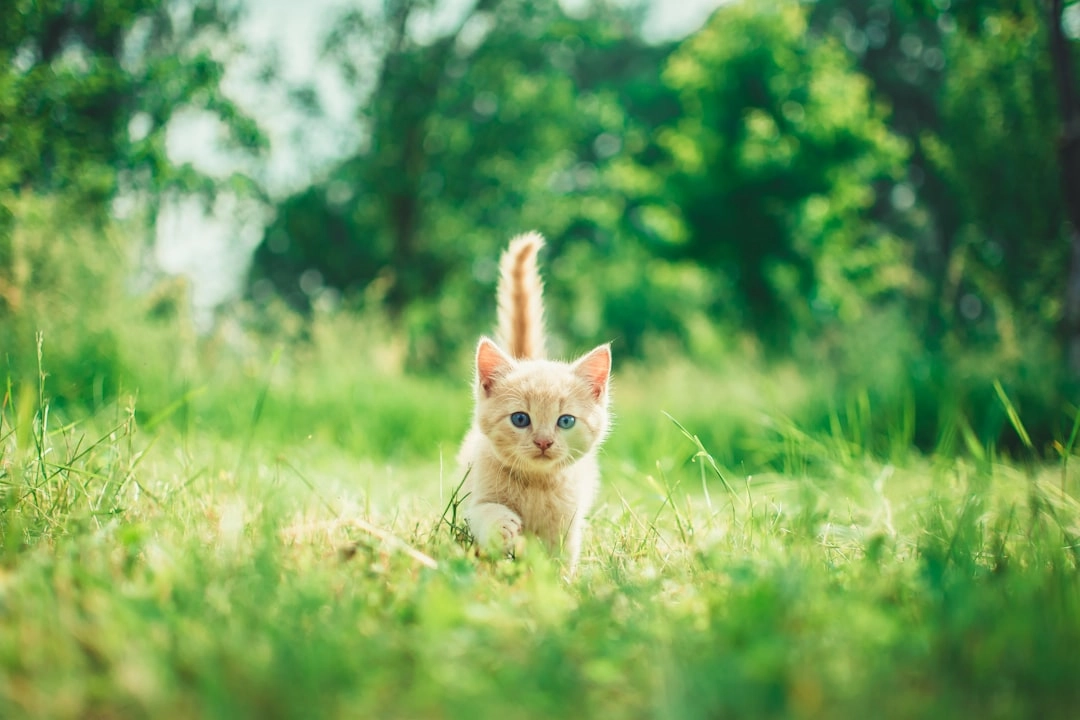
Creating Bonds Through Gentle Play with Cats
Fostering feline friendships through gentle play is an essential aspect of nurturing a healthy and happy relationship with your cat. Many cat owners often wonder how to engage their pets in a way that promotes bonding while also respecting their natural instincts. Did you know that play is not just a form of entertainment for cats, but also a crucial part of their emotional and physical well-being? Understanding the dynamics of feline play can transform your interactions with your furry friend, leading to a more harmonious household.
Gentle play sessions can help alleviate stress, reduce behavioral issues, and strengthen the bond between you and your cat. Cats are inherently playful creatures, and their play behavior mimics hunting instincts, which is vital for their mental stimulation. However, the way cats play can vary significantly based on their individual personalities, breed characteristics, and past experiences. By recognizing these factors, you can tailor your play sessions to suit your cat’s unique needs, ensuring that both you and your pet enjoy the experience.
Decoding Feline Behavior: The Psychology of Play
Understanding feline behavior is key to fostering a positive environment for your cat. Cats exhibit a range of behaviors that can be attributed to their natural instincts and social structures. For instance, play is not merely a pastime; it serves as a vital outlet for energy and a means of honing their hunting skills. Kittens learn essential social skills through play, which helps them develop into well-adjusted adults. Even adult cats benefit from play, as it provides mental stimulation and physical exercise.
Common behaviors associated with play include purring, kneading, and even the occasional swat or bite. Purring often indicates contentment, but it can also signify a cat’s desire for attention or comfort. Kneading, where a cat pushes its paws in and out against a soft surface, is a behavior rooted in kittenhood, where they knead their mother’s belly to stimulate milk flow. This behavior can resurface during play, indicating a sense of security and comfort.
Scratching is another common behavior that serves multiple purposes. While it can be frustrating for cat owners, scratching is a natural instinct that helps cats maintain their claws, stretch their muscles, and mark their territory. Providing appropriate scratching posts and engaging in gentle play can help redirect this behavior in a positive way.
It’s also important to recognize that different breeds may exhibit unique play behaviors. For example, Ragdolls are known for their gentle demeanor and may prefer softer, less aggressive play styles. In contrast, more active breeds like Abyssinians or Bengals may engage in more vigorous play, requiring interactive toys that challenge their agility and intelligence. Understanding these breed-specific traits can help you choose the right toys and play methods that resonate with your cat’s personality.
Moreover, observing your cat’s body language during play is crucial. Signs of overstimulation, such as tail twitching, flattened ears, or sudden aggression, indicate that it’s time to take a break. Stopping play at the first sign of discomfort can prevent escalation and ensure that your cat feels safe and secure during interactions. Rewarding gentle play with treats or praise reinforces positive behavior and encourages your cat to engage in more appropriate play styles.
In conclusion, fostering feline friendships through gentle play is a rewarding endeavor that requires understanding and patience. By recognizing the natural instincts and behaviors of your cat, you can create a nurturing environment that promotes healthy play and strengthens your bond. Remember, every cat is unique, and tailoring your approach to their individual needs will lead to a more fulfilling relationship for both of you.
Enhancing Feline Well-being Through Positive Training
Training your cat is vital for building a cooperative relationship and ensuring the well-being of both you and your feline companion. Many pet owners might underestimate the impact training can have on their cats. However, through positive reinforcement techniques, you can enhance your cat’s behavior and enrich their life. The benefits of training are substantial, offering improved communication between you and your pet while establishing a structured routine. This contributes to an overall decrease in behavioral issues that can disrupt harmony in your home.
Training your cat not only instills good habits but also promotes mental stimulation. Cats, like their canine counterparts, thrive when given mental challenges. This mental stimulation decreases boredom, which is often a precursor to negative behavior. Moreover, training sessions offer a great opportunity for bonding with your cat. These positive interactions can cement your relationship, leading to a more respectful and trusting dynamic. Particularly, training helps your cat understand and navigate their environment better, making both your lives easier and more enjoyable.
One vital component of feline training is implementing positive reinforcement techniques. For instance, using treats as rewards or offering praise can motivate your cat to participate in training activities. This approach creates a safe learning environment for your cat, allowing them to associate training with fun rather than punishment. Gentle encouragement during training can build your cat’s confidence, showing them what is expected in a kind manner rather than via intimidating methods.
Establishing a training routine can significantly amplify your training success. Short, consistent training sessions that last between five to ten minutes per day can lead to significant improvements over time. During these sessions, start with simple commands or activities like ‘sit,’ ‘stay,’ or litter box training, all while maintaining a calm and patient demeanor. Importantly, always conclude your sessions with a positive note—allow your cat a moment to play or receive a treat for their efforts.
Tackling Common Feline Behavioral Challenges
Understanding the core reasons behind behavioral issues in cats allows for targeted training and intervention. Common issues such as inappropriate scratching, litter box aversion, or aggression can stem from a variety of underlying causes, including stress, fear, or medical concerns. Addressing these issues as they arise is essential in ensuring a harmonious living situation between you and your feline friend.
Inappropriate scratching often frustrates pet owners, yet it’s important to recognize that cats scratch for several reasons—they mark their territory, maintain claw health, or relieve stress. Providing suitable scratching posts and using engaging items like catnip or toys can direct your cat’s scratching behaviors in more appropriate venues. Observing when and where your cat prefers to scratch is vital in designing a behavior change plan that respects their natural instincts.
If your cat is reluctant to use their litter box, exploring various factors can help address this behavior. Changes in the litter material, the box’s placement, or cleanliness can greatly influence your cat’s litter box habits. Employing positive reinforcement when they successfully use the litter box promotes a sense of confidence and normalizes expected behavior. Never chastise a cat for litter box accidents; instead, consider consulting with a veterinarian to rule out any health issues.
Behavioral aggression is another concern that can develop in cats, often resulting from fear or provocation. Before intervening or punishing your cat, assess the circumstances leading up to aggressive behavior. Spaying or neutering your cat can also greatly mitigate aggressive tendencies that stem from hormonal influences. If aggression becomes problematic or unmanageable, it may be time to seek the assistance of a feline behavior specialist who can provide strategies tailored to your cat’s specific issues.
Consistency is crucial when working through any behavioral challenges. Establishing clear expectations can significantly reduce confusion in your cat while guiding them toward desired behaviors. If behavioral issues continue despite your interventions, tracking instances of each problem will also help you identify patterns or triggers that can subsequently inform your training methodology. Ensuring a loving, patient, and empathetic attitude will help create a healthy bond with your feline friend.

Enhancing Cat Lives Through Play and Enrichment
Play and enrichment are fundamental aspects of a cat’s well-being, contributing significantly to their mental and physical health. Engaging your feline friend in stimulating activities not only provides an outlet for their natural instincts but also prevents a host of behavioral issues that can arise from boredom and inactivity. Understanding the importance of play and how to effectively incorporate enrichment into your cat’s routine is crucial for fostering a happy and harmonious environment.
One of the primary reasons enrichment is essential is that it helps to replicate a cat’s natural hunting behavior. In the wild, cats spend a significant amount of time hunting, stalking, and playing with their prey. By providing opportunities for similar activities at home, you can fulfill their instinctual needs. This not only satisfies their natural desires but also promotes healthy exercise, reducing the likelihood of obesity and related health problems.
Additionally, mental stimulation through play can significantly reduce behavioral issues. Cats that lack adequate mental and physical engagement may exhibit undesirable behaviors such as scratching furniture, excessive meowing, or even aggression. These behaviors often stem from frustration or pent-up energy. Engaging your cat in playtime not only channels their energy into positive outlets but also strengthens the bond between you and your pet, fostering a sense of trust and companionship.
When it comes to enrichment, the options are vast and varied. Interactive toys, puzzle feeders, and laser pointers can provide exciting challenges for your cat. Additionally, incorporating play sessions that mimic hunting, such as using feather wands or toy mice, can ignite your cat’s predatory instincts. This kind of play is not just entertaining; it also allows your cat to practice important skills such as stalking and pouncing, which can lead to a more fulfilled and balanced feline.
Creating a stimulating environment also involves providing vertical spaces for climbing and exploring. Cats are naturally inclined to seek high vantage points, as this gives them a sense of security and control over their territory. Cat trees, shelves, and perches can all serve as enrichment tools that encourage climbing and exploration. By offering diverse opportunities for engagement, you ensure that your cat remains mentally and physically stimulated throughout their day.
Debunking Myths: Understanding Feline Play and Enrichment
Despite the numerous benefits of play and enrichment for cats, there are still many misconceptions surrounding these activities. One common myth is that cats do not need much interaction or stimulation. While cats are often perceived as independent creatures, they thrive on social interaction and engagement. Neglecting their need for play can lead to boredom and stress, resulting in negative behaviors.
Another misconception is that all play should be intense and high-energy. While some cats do enjoy vigorous play sessions, others may prefer gentler forms of engagement. Recognizing your cat’s unique preferences is crucial for tailoring enrichment activities that suit their personality. Gentle play can include activities like soft toy tossing or interactive play with a feather wand, which allows your cat to engage at their own pace.
Some pet owners may also believe that toys are unnecessary or that cats can entertain themselves. While cats can exhibit self-play, providing them with interactive toys fosters better mental engagement and enhances their overall quality of life. Engaging with your cat through play not only fulfills their needs but also strengthens your bond and encourages trust.
Additionally, many people assume that all forms of play are equally beneficial. However, the type of play and how it is conducted matter greatly. For instance, play that involves chasing and pouncing can help your cat hone their natural skills, while passive forms of entertainment, such as watching birds through a window, may not provide the same level of mental stimulation. Therefore, diversifying the types of play you offer is essential for a well-rounded enrichment experience.
Lastly, some may question the necessity of incorporating enrichment into their cat’s routine if they have outdoor access. While outdoor exploration can provide natural stimulation, it also comes with risks such as exposure to predators, traffic, or disease. Thus, providing structured enrichment activities indoors remains essential, even for outdoor cats, to ensure they receive adequate mental and physical stimulation.
By addressing these common misconceptions, cat owners can better understand the importance of play and enrichment in their feline friends’ lives. Engaging in enriching activities is not just about entertainment; it’s about nurturing a happy, healthy, and well-adjusted cat that thrives in their environment. By fostering a culture of play and interaction, you create an enriching atmosphere that enhances your cat’s quality of life and strengthens the bond you share.
