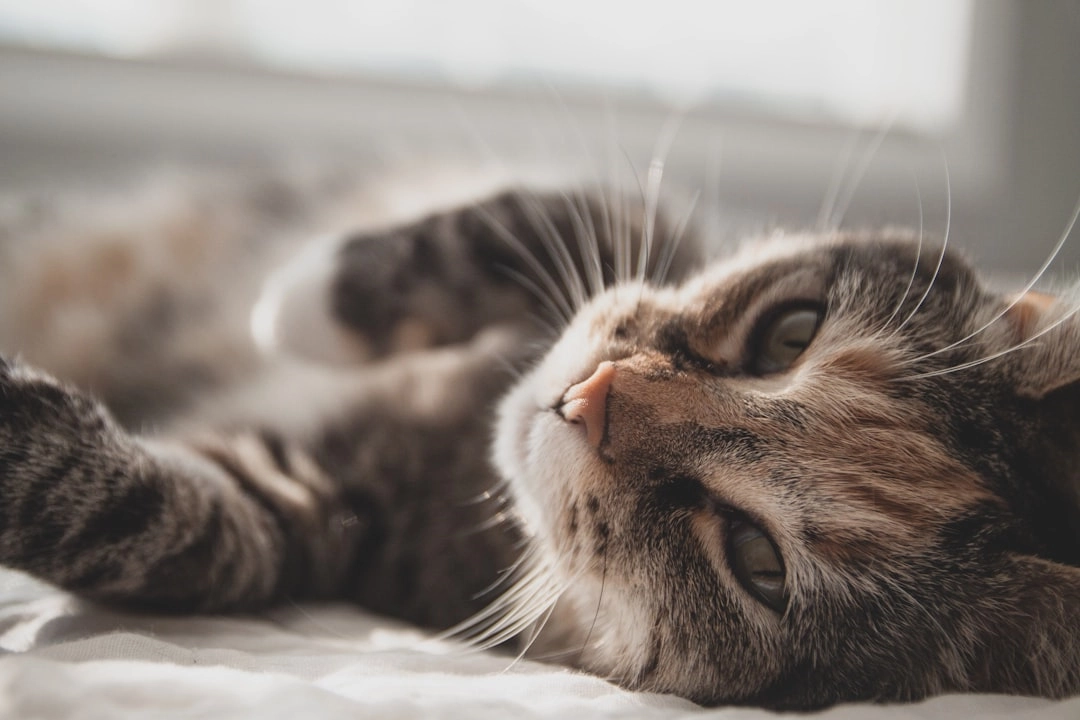
Navigating Post-Surgery Aggression in Cats
Managing post-surgery aggression in cats is a crucial aspect of ensuring their recovery and well-being. After undergoing surgical procedures, many cats exhibit behavioral changes that can be concerning for pet owners. Understanding these changes is essential for providing the right care and support during the recovery process. Did you know that aggression in cats can stem from various factors, including pain, stress, and hormonal changes? This blog post will delve into the reasons behind post-surgery aggression and offer insights into how to manage it effectively.
Decoding Feline Behavior After Surgery
To effectively address post-surgery aggression in cats, it is vital to understand the basics of feline psychology. Cats are complex creatures with unique behavioral patterns influenced by their instincts, environment, and experiences. After surgery, a cat may display aggression due to discomfort, fear, or confusion. Recognizing these underlying causes can help pet owners respond appropriately and create a supportive environment for their furry friends.
One of the primary reasons for aggression in cats post-surgery is pain. Surgical procedures, whether routine or more invasive, can lead to discomfort that may manifest as irritability or aggression. Cats are known for their stoic nature, often hiding their pain until it becomes unbearable. As a result, they may react aggressively when touched or approached, especially in sensitive areas. It is crucial for pet owners to monitor their cats closely for signs of pain and consult with a veterinarian if they suspect their pet is suffering.
Another factor contributing to post-surgery aggression is the stress associated with the surgical experience. Cats are creatures of habit, and any disruption to their routine can lead to anxiety. The unfamiliar environment of a veterinary clinic, the presence of strangers, and the effects of anesthesia can all contribute to a cat’s stress levels. When a cat feels threatened or anxious, it may resort to aggressive behavior as a defense mechanism. Understanding this response can help owners approach their cats with patience and care during the recovery period.
Additionally, hormonal changes can play a role in a cat’s behavior after surgery, particularly in spayed or neutered cats. The removal of reproductive organs can lead to fluctuations in hormone levels, which may affect mood and behavior. Some cats may become more irritable or aggressive as they adjust to these changes. It is essential for pet owners to be aware of these potential behavioral shifts and provide a calm and stable environment to help their cats navigate this transition.
In addition to pain, stress, and hormonal changes, other factors can influence a cat’s behavior post-surgery. For instance, the presence of other pets in the household can lead to territorial disputes, especially if the recovering cat feels vulnerable. Cats are naturally territorial animals, and any perceived threat to their space can trigger aggressive responses. Owners should monitor interactions between their pets and provide separate spaces for the recovering cat to feel safe and secure.
Understanding the natural instincts and behaviors of cats is crucial for managing post-surgery aggression. Cats are instinctively wired to protect themselves, and when they feel threatened or uncomfortable, they may resort to aggression as a means of self-defense. By recognizing the signs of aggression and understanding the underlying causes, pet owners can take proactive steps to create a supportive environment that promotes healing and reduces stress.
In conclusion, managing post-surgery aggression in cats requires a comprehensive understanding of feline behavior and psychology. By recognizing the factors that contribute to aggression, such as pain, stress, and hormonal changes, pet owners can respond appropriately and provide the necessary support for their cats during recovery. Creating a calm and nurturing environment, monitoring pain levels, and ensuring a safe space for the recovering cat are essential steps in addressing post-surgery aggression effectively. With patience and understanding, pet owners can help their feline companions navigate this challenging time and return to their loving, playful selves.
Effective Techniques for Post-Surgery Cat Training
Training your cat post-surgery plays a pivotal role in managing their behavior and ensuring a smooth recovery. When a cat returns home after surgery, its discomfort and changes in routine can contribute to aggression or behavioral issues. This is why implementing effective training techniques can create a calmer environment for both you and your cat. Training after surgery requires an emphasis on positive reinforcement, patience, and an understanding of feline behavior.
One important aspect of post-surgery training is understanding the immediate needs of your cat. Pain from surgery can make them feel vulnerable and anxious, heightening aggression toward humans or other pets. This situation necessitates a gentle and positive approach to training. Using treats, praises, and gentle encouragement during interactions can help in forming trust and promoting calm behavior. Notably, since stress or discomfort may trigger aggression, it is essential to speak softly and avoid any fast movements that may startle your pet.
Why is training so crucial post-surgery? First and foremost, helping your cat adjust to their post-operative condition creates stability. While recovering, establishing consistent feeding, playing, and cleaning routines provides a sense of normalcy and control. Similarly, obedience training fosters a dialogue where your cat learns to understand what behaviors are expected of them while gradually encouraging positive patterns and reducing unwanted aggression.
The basis of effective post-surgery training is rooted in positive reinforcement, as opposed to punishment. The latter may amplify anxiety and aggression, leading to unproductive outcomes. Instead, rewarding good behavior with treats or affection provides an incentive for the cat to repeat those behaviors. Gradually integrating simple commands and processes makes training manageable, less stressful for your feline friend, and a valuable tool to curb aggressive reactions as they heal.
When working on behaviors, always be keen on recognizing and timing your reinforcements correctly. For example, if your cat remains calm while sitting in their designated space, immediately reward this positive behavior. Maintaining consistency allows your cat to make the connection between their actions and the rewards, solidifying desired habits.
Also important in these training efforts is monitoring your cat’s behavior following key surgical milestones. Often, a vet might recommend measuring pain levels to adjust the training process accordingly. When necessary, discussions with veterinarians regarding medications that will help minimize pain should also consider how they may affect behavior and your training strategy. Using a reduced level of pain facilitates successful communication and behavior modification, ultimately allowing you to include your cat in various domestic activities gently.
Proactively Managing Post-Surgery Behavioral Issues
Addressing behavioral issues following surgery is critical not only for your cat’s recovery but also for restoring a peaceful household dynamic. Recognizing signs of distress or aggression early is key to implementing preventive strategies effectively. The lingering impacts of pain and anxiety can lead to physical and emotional responses such as growling, hissing, or even attacks, complicating the owner’s ability to relate. Thus, pre-emptive action is essential to maintain harmony.
Begin by identifying any direct triggers that spark aggression or stress behaviors in your cat. Common triggers include interactions that elevate stress, sudden noises, unfamiliar environments, or strenuous activity that disrupts their recovering condition. Markedly reducing encounters with factors likely to trigger aggression is fundamental to addressing those behavior issues over time. Enforcing quiet times in a comfortable area familiar to your feline enhances their capacity to recover without stressors exacerbating challenges.
If your cat expresses patterns of aggression or aversion based on encountered situations, tools such as pheromone diffusers, which can be soothing in tense moments, can be beneficial. Complementary, creating cozy sanctuaries stocked with an enticing scratch post or cushioned bedding boosts your pet’s comfort and provides outlets for agitated behavior toward a more acceptable form of play or rest.
While these basic strategies offer immediate answers, it is advisable not to shy away from seeking professional help. A veterinarian or animal behaviorist can be invaluable in assessing the psychological aspects that deepen persistent aggressive tendencies in cats recovering from surgery. They can inform owners about additional approaches specific to recovery post-surgery—assuming behavioral training regimes regarding modified cues, meditative interactivity, and behavioral physiology insights aimed at restoring the feline’s temperament.
If the behavior of your newly home-bonded, recovering feline cat does not improve or actually escalates, certainly consulting experts for possible veterinary reassessments becomes essential as further health impairments may be related, impeding care attributes projected in associated manners influencing behaviors moving forward.
In conclusion, effectively addressing behavioral issues in a recovering cat needs streamlined vigilance, structured time-oriented protocols highlighting signs or factors producing agitation addressing predisposed pathways with a consistently employed altruistic strain typically included methodology accentuating application via integrated routine intervals understood from enlightened staging accompanying post-surgery reaction nomenclature specifics found embraced towards managing healthy patterns profounding complete baseline satisfaction necessary shaping malleable set points habitually designating paths incrementally maximizing beloved attachment reputably woven environmental relaxing occasions.

Boosting Recovery with Engaging Activities
After surgery, it is crucial to ensure that your cat’s recovery is not only physically sound but also mentally stimulating. Providing enrichment and play can significantly enhance your cat’s overall well-being and help manage post-surgery aggression. Engaging your feline friend in stimulating activities prevents boredom and alleviates stress, which are essential factors that can contribute to aggressive behaviors. Understanding the importance of mental and physical stimulation during the recovery period is key to a smooth transition back to their normal routine.
Mental enrichment is vital for a cat’s emotional health. Cats are natural hunters, and without appropriate outlets for their instincts, they may exhibit unwanted behaviors. Post-surgery, your cat may feel a bit restricted in their movement, leading to frustration. Offering puzzle toys, interactive feeders, or treat-dispensing toys can engage their minds while keeping them entertained. These activities stimulate problem-solving skills and provide a sense of accomplishment when they successfully retrieve treats, redirecting any pent-up energy into a constructive outlet.
Physical enrichment is equally important, particularly after surgery when your cat’s activity levels may be limited. While it’s crucial to follow your veterinarian’s guidelines regarding exercise, gentle play sessions can help maintain their physical health and reduce stress. Interactive toys such as feather wands, laser pointers, or soft balls encourage your cat to engage in light physical activity without putting too much strain on their recovering body. Gradually increasing the intensity and duration of play sessions can help restore their confidence and agility over time.
Creating an enriched environment can also involve modifying your home to better suit your cat’s needs. Provide cozy resting spots, climbing structures, and scratching posts to encourage natural behaviors. High perches allow your cat to observe their surroundings, which can be comforting and reduce anxiety. Additionally, incorporating various textures and scents through different toys and blankets can keep their senses engaged, making their recovery environment more enjoyable.
It’s essential to monitor your cat’s behavior during these enrichment activities. If you notice signs of aggression or overstimulation, take a step back and adjust the level of engagement. Each cat is unique, and their recovery will depend on their individual temperament and health status. Being patient and observant during this process will ensure that your cat’s playtime is both enjoyable and beneficial.
Clearing Up Misunderstandings About Post-Surgery Cat Behavior
As pet owners, we often have questions and concerns about our cat’s behavior following surgery. Understanding common misconceptions can help alleviate worries and provide a clearer perspective on what to expect during your cat’s recovery. Here, we address frequently asked questions and clarify misconceptions surrounding post-surgery aggression and behavior.
One common misconception is that all aggressive behavior in cats post-surgery is due to pain. While pain can be a significant factor, it’s important to recognize that other elements contribute to aggression, such as stress, anxiety, and changes in routine. Cats are creatures of habit, and any disruption can lead to feelings of insecurity. Therefore, it’s essential to consider the whole environment and the cat’s emotional state when assessing their behavior.
Another question frequently posed by cat owners is whether aggression is a permanent change after surgery. The answer is no; most cats will return to their normal behavior as they recover. However, it is crucial to address any aggression promptly and constructively. Engaging in training and providing a stable, enriched environment can help your cat adjust and minimize aggressive tendencies. Recovery is a process, and being patient and attentive is vital for their emotional healing.
Some owners may wonder if their cat will always be aggressive after a specific surgery, such as spaying or neutering. It’s important to understand that these surgeries often result in hormonal changes that can affect behavior. While some cats may exhibit temporary aggression, most will adjust and return to their typical demeanor over time. Consulting with your veterinarian about behavioral changes can provide valuable insights and guidance on how to manage any lingering issues.
Lastly, many pet owners are concerned about whether their cat’s post-surgery behavior is a sign of a more serious health issue. While it is essential to monitor your cat’s behavior closely, aggression alone does not necessarily indicate a severe problem. However, if the aggression persists or worsens, seeking veterinary advice is always recommended. Your veterinarian can assess your cat’s health and recommend appropriate interventions if necessary.
In summary, understanding the dynamics of post-surgery behavior in cats is crucial for successful recovery. By providing enrichment and engaging activities, you can help manage aggression and create a positive environment for your feline friend. Additionally, clearing up misconceptions about behavior will empower you to address concerns effectively and support your cat during their healing journey. With patience, understanding, and the right approach, your cat can regain their playful and loving nature in no time.
