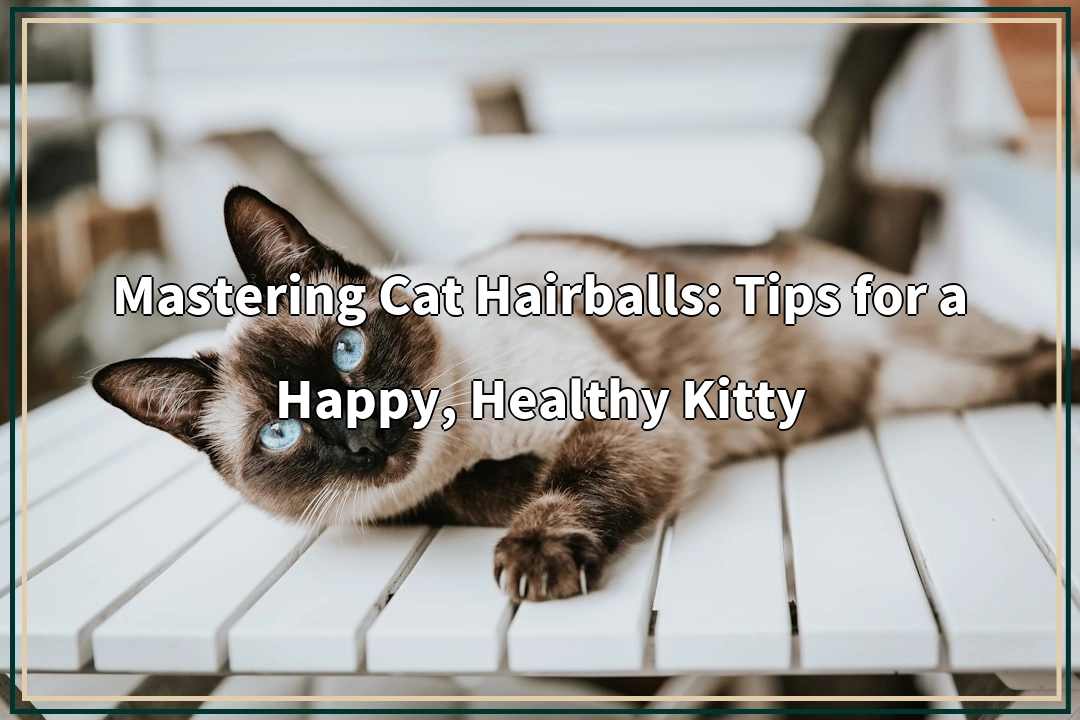
Understanding Cat Hairballs: A Common Feline Challenge
For many cat owners, the sight of a hairball can be both a common occurrence and a source of concern. These little bundles of fur, often accompanied by a gagging sound, are a natural part of a cat’s grooming routine. However, they can also lead to questions about your feline friend’s health and well-being. Why do cats get hairballs? How can you manage them effectively? In this guide, we will explore the ins and outs of cat hairballs, providing you with tips and insights to ensure your kitty remains happy and healthy.
What Are Cat Hairballs and Why Do They Occur?
Cat hairballs, scientifically known as trichobezoars, are formed when cats ingest hair while grooming themselves. Cats are meticulous groomers, using their rough tongues to remove loose fur and debris from their coats. While this behavior is essential for maintaining a clean and healthy coat, it can also lead to the accumulation of hair in the digestive tract. When the hair builds up, it can form a hairball that the cat eventually regurgitates.
Hairballs are more common in certain breeds, particularly those with long or thick fur, such as Persians, Maine Coons, and Ragdolls. However, short-haired cats can also experience hairballs, especially during shedding seasons. Understanding the factors that contribute to hairball formation is crucial for effective management.
Exploring the Causes of Hairballs in Cats
Several factors can contribute to the frequency and severity of hairballs in cats. One of the primary causes is excessive grooming, which can be influenced by stress, boredom, or skin conditions. Cats that are anxious or not mentally stimulated may groom themselves more than necessary, leading to increased hair ingestion.
Another significant factor is the shedding cycle. Cats typically shed more fur during seasonal changes, particularly in spring and fall. During these times, you may notice an uptick in hairballs as your cat ingests more loose fur. Additionally, certain health issues, such as allergies or gastrointestinal problems, can exacerbate hairball formation.
Managing Cat Hairballs: Prevention and Care
While hairballs are a natural part of a cat’s life, there are several strategies you can employ to minimize their occurrence. Regular grooming is one of the most effective ways to reduce shedding and hair ingestion. By brushing your cat frequently, you can help remove loose fur before it has a chance to be swallowed. This is especially important for long-haired breeds, which require more frequent grooming to prevent matting and excessive shedding.
In addition to grooming, consider incorporating a high-quality diet that promotes healthy skin and coat. Foods rich in omega fatty acids can help reduce shedding and improve overall coat health. Some cat owners also find that hairball-specific cat food can aid in digestion and reduce the formation of hairballs.
Recognizing When Hairballs Are a Concern
While occasional hairballs are normal, it’s essential to monitor your cat’s health and behavior. If your cat is experiencing frequent hairballs, vomiting, or signs of distress, it may be time to consult your veterinarian. Persistent hairballs can lead to more serious health issues, such as blockages in the digestive tract, which require immediate medical attention.
In summary, understanding cat hairballs is crucial for any cat owner. By recognizing the causes and implementing preventive measures, you can help your feline friend maintain a healthy and happy life, free from the discomfort of excessive hairballs.
Feline Grooming Habits and Their Impact on Hairballs
Grooming is an instinctual behavior for cats, serving multiple purposes beyond just cleanliness. It helps regulate body temperature, stimulates blood flow, and provides comfort. However, excessive grooming can lead to an increase in hairballs. Understanding your cat’s grooming habits can provide insight into their overall health and well-being.
Some cats may groom more due to stress or anxiety, while others may do so out of boredom. Providing mental stimulation through play and interactive toys can help reduce excessive grooming behaviors. Additionally, creating a calm and safe environment can alleviate stress, leading to healthier grooming habits.

Identifying the Traits of Cat Hairballs: What to Know
Cat hairballs, or trichobezoars, are a common occurrence among our feline friends, and understanding their characteristics can help pet owners manage them effectively. The term “hairball” originates from the combination of “hair,” referring to the fur that cats ingest during grooming, and “ball,” which describes the shape that the accumulated hair takes when it is regurgitated. The phenomenon of hairballs has been observed for centuries, with historical references indicating that cat owners have long dealt with this natural aspect of feline behavior.
Hairballs can vary in size, shape, and frequency, depending on several factors, including the cat’s grooming habits, diet, and overall health. Typically, hairballs are cylindrical or oval-shaped and can range from small, marble-sized clumps to larger, more substantial formations. The texture of a hairball is often coarse and fibrous, reflecting the nature of the fur that has been ingested. While most cats will expel hairballs occasionally, some breeds are more prone to hairball formation due to their grooming behaviors and coat types.
Long-haired breeds, such as Persians and Maine Coons, are particularly susceptible to hairballs because their dense fur traps more loose hair. These cats require regular grooming to minimize shedding and reduce the likelihood of hairballs. In contrast, short-haired breeds may experience hairballs less frequently, but they are not immune to this issue. Factors such as seasonal shedding, stress, and underlying health conditions can also influence hairball formation in all cats.
Additionally, the frequency of hairballs can be an indicator of a cat’s overall health. While occasional hairballs are normal, excessive vomiting or distress associated with hairballs may signal underlying health concerns, such as gastrointestinal blockages or allergies. Understanding these characteristics can help cat owners identify when to seek veterinary advice and take proactive measures to support their cat’s health.
Supporting Your Cat’s Health: Nutrition and Care for Hairball Management
Managing cat hairballs effectively involves a combination of proper diet, grooming, and overall health care. A balanced diet plays a crucial role in minimizing hairball formation. Cats require a diet rich in high-quality protein, healthy fats, and essential nutrients to maintain a healthy coat and skin. Foods that contain omega-3 and omega-6 fatty acids can help reduce shedding and improve coat quality, which in turn can decrease the amount of hair ingested during grooming.
Many commercial cat foods are specifically formulated to address hairball issues. These specialized diets often include added fiber, which aids in digestion and helps move hair through the gastrointestinal tract more efficiently. Fiber can also help reduce the frequency of hairballs by preventing hair from accumulating in the stomach. When selecting a cat food, look for products labeled as “hairball control” or “hairball formula” to provide targeted support for your feline friend.
In addition to diet, regular grooming is essential for hairball management. Brushing your cat frequently helps remove loose fur and reduces the amount of hair that can be ingested during grooming. For long-haired breeds, daily brushing is often recommended, while short-haired cats may benefit from weekly grooming sessions. This not only helps control shedding but also strengthens the bond between you and your cat.
It’s also important to monitor your cat’s health and behavior. If you notice an increase in the frequency of hairballs, vomiting, or signs of distress, consult your veterinarian. Persistent hairballs can lead to more serious health issues, such as gastrointestinal blockages, which require immediate medical attention. Regular veterinary check-ups can help ensure your cat remains healthy and can provide guidance on managing hairballs effectively.
In summary, understanding the characteristics of cat hairballs and implementing effective care strategies can help pet owners support their feline friends. By focusing on a balanced diet, regular grooming, and attentive health monitoring, you can minimize the occurrence of hairballs and promote a happy, healthy life for your cat.

Integrating Cats into Your Home: Living with Hairball-Prone Breeds
When it comes to sharing your life with a cat, understanding how they interact with your family and environment is crucial, especially for breeds that are more prone to hairballs. Cats are often beloved members of the family, bringing joy, companionship, and, at times, challenges. The way a cat interacts with its human companions and other pets can significantly impact the household dynamic, particularly in homes with children or other animals.
Hairball-prone breeds, such as Persians, Maine Coons, and Ragdolls, are known for their friendly and affectionate natures. These cats typically thrive in family environments where they receive plenty of love and attention. Their gentle demeanor often makes them excellent companions for children, as they are generally tolerant and patient. However, it is essential to teach children how to interact gently with cats to ensure a harmonious relationship.
In terms of compatibility with other pets, many hairball-prone breeds can coexist peacefully with dogs and other cats. Socialization from a young age is key; introducing your cat to other pets gradually can help reduce stress and anxiety. Cats that are raised in multi-pet households often adapt well and may even form strong bonds with their canine counterparts. However, it is essential to monitor their interactions and provide safe spaces for your cat to retreat if they feel overwhelmed.
Activity needs vary by breed, but most cats require regular stimulation to keep them happy and healthy. Hairball-prone breeds, in particular, benefit from a combination of play and mental engagement. Interactive toys, puzzle feeders, and climbing structures can provide the necessary exercise and mental challenges to keep your cat active. Regular playtime not only helps prevent obesity, which can exacerbate hairball issues, but also strengthens the bond between you and your feline friend.
In addition to physical activity, mental stimulation is vital for these breeds. Engaging in play sessions that mimic hunting behavior can help satisfy their natural instincts. Using feather wands, laser pointers, or even engaging in games of hide-and-seek can keep your cat entertained and mentally sharp. A bored cat is more likely to engage in excessive grooming, leading to increased hairball formation, so it’s crucial to keep them stimulated.
Creating a safe and enriching environment for your cat will not only enhance their quality of life but also help mitigate potential hairball issues. By understanding their needs and fostering a positive home environment, you can enjoy a fulfilling and harmonious relationship with your feline companion.
Addressing Common Concerns: Your Hairball Questions Answered
As a cat owner, you may have several questions about hairballs and their impact on your furry friend’s health and well-being. Below are some frequently asked questions that address common concerns related to cat hairballs.
1. Why do cats get hairballs?
Cats groom themselves regularly, and during this process, they ingest loose fur. While most of this fur passes through their digestive system without issue, some can accumulate and form hairballs, which are then expelled through vomiting.
2. Are certain breeds more prone to hairballs?
Yes, long-haired breeds like Persians and Maine Coons are more susceptible to hairballs due to their dense fur. However, short-haired cats can also experience hairballs, especially during shedding seasons.
3. How can I reduce the occurrence of hairballs?
Regular grooming is one of the most effective ways to minimize hairballs. Brushing your cat frequently helps remove loose fur before it can be ingested. Additionally, a balanced diet that includes fiber can aid in digestion and help prevent hairball formation.
4. When should I be concerned about my cat’s hairballs?
Occasional hairballs are normal, but if your cat is experiencing frequent vomiting, signs of distress, or changes in appetite, it’s essential to consult your veterinarian. Persistent hairballs can indicate underlying health issues.
5. Can hairballs cause health problems?
Yes, while hairballs are usually harmless, excessive hairball formation can lead to gastrointestinal blockages, which can be serious and require medical attention. Monitoring your cat’s health and behavior is vital.
6. Is there special food for hairball control?
Yes, many commercial cat foods are specifically formulated for hairball control. These diets typically contain added fiber to help facilitate the passage of hair through the digestive system and reduce hairball formation.
By addressing these common questions, cat owners can better understand hairballs and implement effective strategies for managing them. Keeping your cat happy and healthy is a shared responsibility, and knowledge is a powerful tool in achieving that goal.
