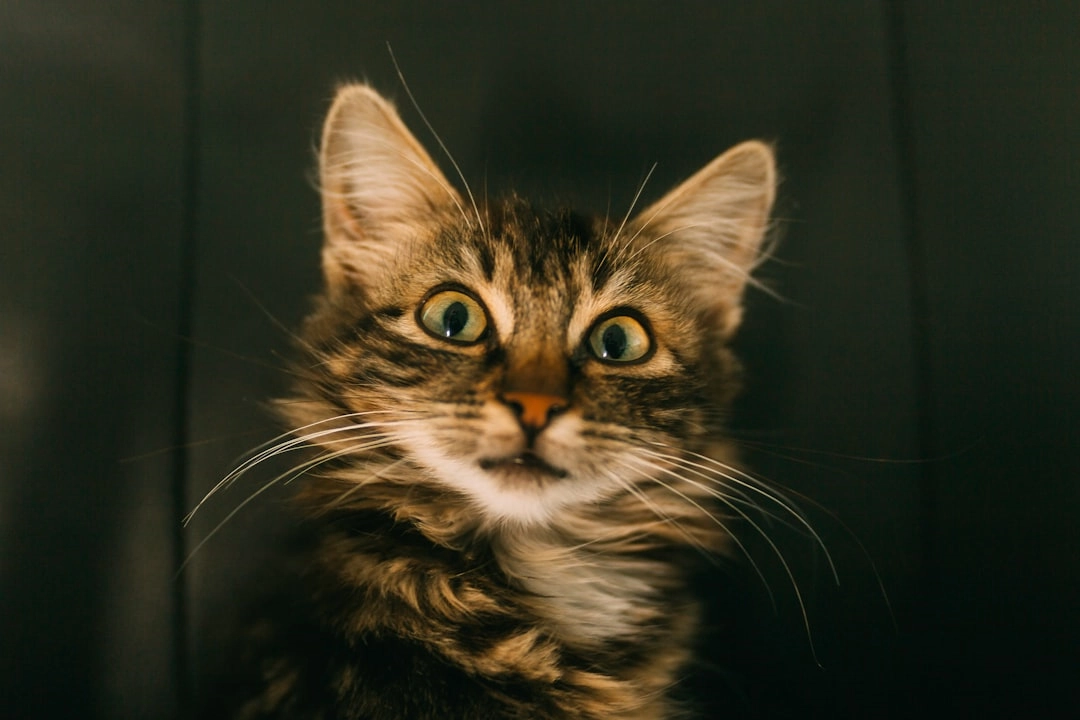
Creating Harmony in Shared Spaces with Cats
In a world where our homes often serve as a sanctuary for both humans and their feline companions, mastering the art of space sharing becomes essential. Cats, known for their independent nature, can sometimes struggle with the concept of sharing their territory, especially when multiple pets are involved. This can lead to stress, territorial disputes, and behavioral issues that can affect the overall harmony of the household. Understanding how to create a balanced environment where both humans and cats can coexist peacefully is crucial for any pet owner. Did you know that cats can exhibit a range of behaviors that reflect their feelings about their space? From territorial marking to seeking solitude, these actions are often rooted in their natural instincts. In this blog, we will explore effective strategies for managing shared spaces with cats, ensuring that every member of the household feels comfortable and secure.
Decoding Feline Behavior for Better Space Sharing
To effectively manage space sharing with cats, it is vital to understand their unique behaviors and instincts. Cats are inherently territorial creatures, and their behavior is often influenced by their environment. Understanding the basics of feline psychology can help pet owners create a harmonious living space that caters to the needs of their furry friends.
One of the most common behaviors exhibited by cats is territorial marking. This can manifest in various ways, such as scratching furniture, rubbing against objects, or even urinating in specific areas. These actions are not merely acts of defiance; they are instinctual behaviors that serve to establish their territory. By providing designated scratching posts and safe spaces for each cat, owners can help mitigate territorial disputes and promote a sense of security.
Another behavior to consider is the need for vertical space. Cats are natural climbers and often seek high vantage points to observe their surroundings. This instinct is rooted in their evolutionary history as hunters. By incorporating cat trees, shelves, or window perches into the home, pet owners can satisfy their cats’ desire for vertical territory, allowing them to feel more secure and in control of their environment.
Additionally, understanding the significance of play in a cat’s life is crucial for fostering a positive atmosphere. Playtime not only provides physical exercise but also stimulates mental engagement. Interactive toys, laser pointers, and feather wands can help channel a cat’s energy and reduce stress, making them less likely to engage in negative behaviors associated with territorial disputes.
Moreover, recognizing the signs of stress in cats is essential for maintaining harmony in shared spaces. Common indicators of stress include excessive grooming, hiding, or changes in eating habits. By being attentive to these signs, pet owners can take proactive measures to address any underlying issues, such as providing additional resources or creating separate areas for each cat to retreat to when needed.
It’s also important to consider the social dynamics between cats. Some breeds are more sociable and adaptable than others, while some may prefer solitude. For instance, breeds like the Ragdoll and Maine Coon are known for their friendly and social nature, making them more likely to thrive in multi-cat households. In contrast, breeds like the Siamese may exhibit more territorial behaviors. Understanding these breed-specific tendencies can help owners tailor their approach to space sharing, ensuring that each cat’s needs are met.
In conclusion, mastering space sharing with cats requires a deep understanding of their behavior and instincts. By creating an environment that caters to their natural tendencies, pet owners can foster a sense of security and harmony within the household. From providing vertical spaces to recognizing signs of stress, every effort made to understand and accommodate feline behavior will contribute to a more peaceful coexistence. As we delve deeper into the strategies for effective space sharing, we will explore practical tips and techniques that can help create a harmonious living environment for both humans and their beloved cats.
Essential Training Techniques for a Peaceful Home
Training is a fundamental aspect of managing space and promoting harmony in multi-cat households. It’s not just about teaching your feline friend basic commands; it’s about creating a positive, structured environment that respects the natural behaviors of your cats while addressing any potential conflicts. The importance of training in the realm of cat harmony extends beyond simple obedience – it fosters understanding, compliance, and a sense of security for both cats and their human companions. When you invest time into training, you set the groundwork for meaningful interactions, less stress, and better conflict management among multiple pets.
So, why exactly is training important? First and foremost, training helps cats learn acceptable behavior. Just as toddlers benefit from guidance, cats thrive on instruction to understand their environment and their boundaries within it. With techniques grounded in positive reinforcement, such as rewarding desired behaviors with treats or affection, cats begin to associate their actions with positive outcomes, leading to improved behavior over time. For instance, reinforcing the use of specific scratching posts can mitigate unwanted furniture damage, transforming scratching from a source of frustration to an intentional, acceptable habit.
Positive reinforcement serves not just to instruct but also to strengthen the bond between owners and their cats. By fostering trust through encouragement, training minimizes anxiety in the cats, who feel safe and supported in their environment. Furthermore, successful training contributes to confidence-building for the animal, diminishing fear responses or territorial disputes with other pets.
Practicing training within context is also beneficial. Approach your space management plan with a consideration for both shared areas and individual spaces for each cat. Provide experiences designed to boost cooperation rather than conflict. Training is far more effective when it takes place in situations that mimic natural settings. For example, implementing simulated hunting activities for multiple cats together can nurture cooperative play. Similarly, encouraging turn-taking when using shared resources reinforces boundaries and fosters patience.
Time and consistency play crucial roles in an animal’s training regimen. Whether using clicker training or reward-based techniques, repetition strengthens the learning process. Furthermore, establishing set times throughout each day for brief training sessions ensures that skills continue to sharpen. Keeping the training sessions short and engaging allows the cats to stay focused without becoming overwhelmed, yielding better outcomes.
Understanding and Resolving Common Feline Behavior Problems
While training is a powerful way to cultivate harmony among multiple cats, it’s equally essential to be equipped to address common behavioral issues that may arise. Cats, in their pursuit of asserting territory and satisfying their natural instincts, may develop habits or characteristics that can disrupt the peaceful cohabitation of your household.
One common behavior challenge among cats is territoriality. Unlike dogs, who might react in certain ways with their human companions, cats can display seemingly aggressive tendencies towards other cats that infringe on what they perceive as their territory. This situation can unfold into tensions that not only alter interactions amongst your pets but also increase stress in the home for both the humans and animals involved. Understanding this territorial behavior is key to mediation.
Aiming to prevent or redirect challenging behaviors involves recognizing triggering situations and then using training and enriching activities to de-escalate potential disputes. Common tactics include setting up areas where specific cats feel most comfortable and designated areas to instill confidence. This not only allows each cat to feel secure within their own space but encourages longer intervals of positive interaction, favoring coexistence instead of rivalry.
Another typical concern that pet owners face involves litter box problems, which often relate to stress, territory conflicts, or misplaced associations with “approved” toilet areas. Solutions may take on various forms, such as providing additional litter boxes, ensuring they are in quiet locations, or using litter types or behaviors aligning with your cat’s preferences. Switching to softer or more palatable substrates or maintaining a cleaner box can often thwart inconsistencies in their bathroom habits.
Additionally, aggressive behavior can become problematic. Even minor hostility or wrestling among cats may escalate quickly if stress levels increase. Watching for signals of agitation – flattened ears, dilated pupils, swatting, or growling – allows cat owners to understand when a play session has turned competitive or unnecessarily rough. Conducting observatory note-taking on interacting felines gives you valuable insight into patterns you could address through appropriate enrichment or feeding strategies, calmly interrupting wrestle before tensions arrive at unmanageable levels.
Should any aggression culminate toward injury or if marking behavior becomes persistent regardless of personal effort, it might necessitate the aid of a professional trainer. Cat behaviorists work holistically to deconstruct personal feline issues through forms of play therapy, applied behavior techniques, or altering the pets’ exposures while providing clear, supportive training to mitigate incidents – especially addressing those triggered from confidence lapses in a multiple-cat environment.
By tackling behavioral concerns through concerted efforts into constructive training, human companions can manage challenging behaviors, ultimately nurturing a positive coexistence among all cats living in the home. Both comprehensive training protocols and understanding common behavior obstacles ensure that multiple felines may become better adapted, leading to successful housing dynamics while nurturing happier lives and behaviors in both pet and owner.

Enhancing Cat Lives Through Play and Enrichment
Creating a harmonious environment for multiple cats involves not only managing their shared spaces but also providing them with the mental and physical stimulation they need to thrive. Enrichment and play are essential components in achieving this balance. Cats are naturally curious and playful creatures, and without adequate stimulation, they may resort to undesirable behaviors, such as scratching furniture, excessive meowing, or even aggression towards their housemates. Understanding the importance of enrichment can significantly improve your cats’ well-being and foster a peaceful cohabitation.
One of the primary benefits of mental and physical stimulation is the prevention of behavioral issues. When cats are bored or under-stimulated, they often exhibit frustration through negative behaviors. Enrichment activities, such as interactive toys, puzzle feeders, and climbing structures, encourage cats to engage in natural hunting and exploratory behaviors. These activities not only keep them entertained but also promote exercise, helping to maintain a healthy weight and overall physical condition.
Engaging in playtime is a vital part of a cat’s daily routine. It allows them to express their natural instincts and expend pent-up energy. Play sessions should be varied and include a combination of solo and interactive play. For instance, using feather wands or laser pointers can provide dynamic interaction between you and your cat, strengthening your bond while also fulfilling their hunting instincts. Solo play can be facilitated with toys that mimic prey, such as small balls or crinkle toys, allowing cats to practice their stalking and pouncing skills.
Moreover, incorporating different types of enrichment can cater to each cat’s unique personality and preferences. Some cats may prefer to engage in solitary play, while others thrive on social interaction. Observing your cats’ behaviors can help you tailor their enrichment activities accordingly. For example, shy or anxious cats may benefit from low-key, quiet toys, while more outgoing cats may enjoy engaging in interactive play with their human companions or fellow felines.
Additionally, environmental enrichment can significantly enhance your cats’ living space. Providing vertical spaces, such as cat trees, shelves, or window perches, allows cats to explore their surroundings from a height, satisfying their instinctual need for elevation. Cats often feel more secure when they can survey their territory from above, which can reduce territorial disputes among multiple pets.
Moreover, rotating toys and changing up the environment regularly can prevent boredom and keep the cats engaged. Cats are naturally inquisitive and can quickly lose interest in toys that have become stale. By introducing new items or moving existing ones to different locations, you can stimulate their curiosity and encourage exploration.
Finally, consider incorporating scent enrichment into your cats’ environment. Cats have an extraordinary sense of smell, and introducing new scents can stimulate their senses and encourage natural exploration. You can use catnip, herbal blends, or even safe household items, like cardboard boxes or paper bags, to create an engaging sensory experience. Scent trails can also be created with treats, encouraging your cats to hunt for their rewards, promoting both mental and physical stimulation.
Clearing Up Misconceptions About Cat Behavior and Space Sharing
As pet owners navigate the complexities of multi-cat households, it’s essential to address common questions and misconceptions that may arise regarding cat behavior and space sharing. Understanding these topics can help foster a more harmonious environment and clarify the realities of living with multiple cats.
One common misconception is that cats are inherently solitary animals and prefer to be alone. While it is true that cats have a reputation for being independent, many cats are social creatures that thrive on companionship. They can form strong bonds with other cats and even humans. The key is to introduce new cats gradually and carefully, allowing them to acclimate to each other’s presence without feeling threatened. Providing adequate resources, such as food bowls, litter boxes, and resting spots, ensures that each cat has their own space, minimizing competition and promoting harmony.
Another prevalent belief is that cats should naturally get along without any intervention from their owners. While some cats may be more sociable than others, it’s crucial to facilitate positive interactions. Regular playtime, structured introductions, and providing separate safe spaces for each cat can help ease tensions and encourage bonding. Recognizing individual personalities and understanding their unique social dynamics is essential for creating a peaceful coexistence.
Additionally, some pet owners may believe that aggressive behaviors, such as hissing or swatting, are signs of a “bad” cat. In reality, these behaviors are often rooted in fear, anxiety, or territorial disputes. It’s vital to recognize the context of these actions and respond with empathy rather than punishment. By understanding the underlying reasons for aggression, owners can work to reduce stressors in the environment and promote a more relaxed atmosphere for all pets.
Moreover, many people assume that if a cat is not using the litter box, it is simply being stubborn or disobedient. However, litter box issues can stem from various factors, including stress, health problems, or litter box aversion. It’s crucial to assess the situation holistically and consider potential triggers. Ensuring that the litter box is clean, accessible, and located in a quiet area can significantly improve litter box habits. If problems persist, consulting a veterinarian or a feline behaviorist can provide additional insights and solutions.
Lastly, there is a misconception that playtime is not necessary for adult cats. On the contrary, adult cats require regular mental and physical stimulation just as much as kittens do. Engaging in play not only satisfies their natural instincts but also helps prevent obesity and behavioral issues. Incorporating play into your cat’s daily routine fosters a healthy lifestyle and strengthens the bond between pet and owner.
By addressing these common questions and misconceptions, cat owners can gain a deeper understanding of their pets and create a more harmonious living environment. Recognizing that cats are social beings that require enrichment, structured interactions, and proper care will lead to happier, healthier lives for both cats and their human companions.
