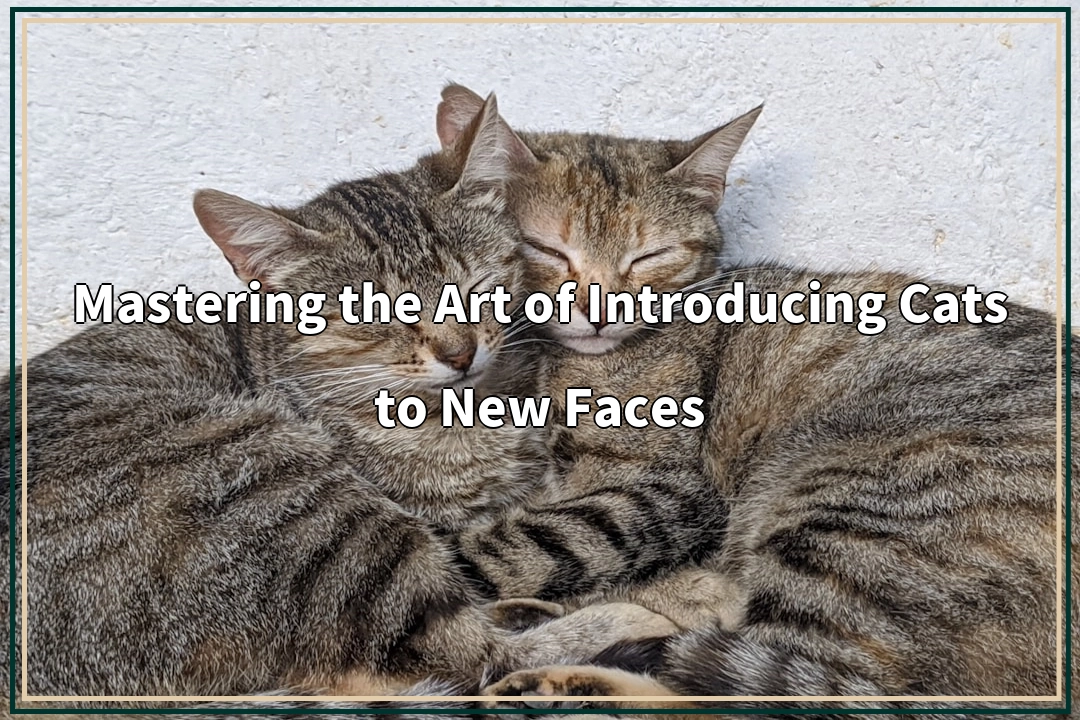
Welcoming Cats to New Faces: A Guide to Smooth Introductions
Introducing cats to new people can be a delicate process, often filled with uncertainty and anxiety for both the feline and the human involved. Did you know that cats are not inherently social creatures? Unlike dogs, who often thrive on interaction with strangers, cats are more selective about their social engagements. This can lead to a variety of behaviors when they encounter unfamiliar faces, ranging from curiosity to outright fear. Understanding how to navigate these introductions is crucial for fostering a harmonious environment in your home.
Many cat owners find themselves asking, “How can I make my cat feel comfortable around new people?” The answer lies in understanding feline behavior and employing strategies that respect their natural instincts. Cats communicate primarily through body language, and recognizing the signs of stress or comfort can make all the difference in ensuring a positive introduction. This guide will explore effective methods for introducing your cat to new faces, helping to create a welcoming atmosphere for both your pet and your guests.
Understanding the Dynamics of Cat Introductions
When it comes to introducing cats to new faces, it’s essential to recognize that each cat has its own personality and comfort level. Some cats may be more outgoing and curious, while others may be shy or territorial. This variability means that there is no one-size-fits-all approach to introductions. Instead, understanding your cat’s unique traits and preferences will help you tailor your approach to ensure a successful meeting.
In this section, we will delve into the various factors that influence how cats react to new people, including their breed characteristics, past experiences, and individual temperament. By gaining insight into these dynamics, you can better prepare for the introduction process and set the stage for a positive interaction.
Exploring the Nature of Cat Breeds and Their Social Behaviors
Different cat breeds exhibit varying social behaviors, which can significantly impact how they respond to new faces. For instance, breeds like the Ragdoll and Maine Coon are known for their friendly and sociable nature, often welcoming new people with open paws. In contrast, breeds such as the Siamese or Abyssinian may be more reserved and cautious, requiring a more gradual introduction process.
Understanding these breed-specific traits can help you anticipate how your cat might react to new visitors. For example, if you have a more introverted breed, it may be beneficial to create a calm and quiet environment during introductions, allowing your cat to approach at its own pace. On the other hand, if you have a more extroverted breed, you might find that they are eager to engage with new people right away.
Feline Communication: The Key to Successful Introductions
As previously mentioned, cats primarily communicate through body language. This is especially important to consider when introducing them to new faces. Understanding the signs of comfort and discomfort can help you gauge how your cat is feeling during the introduction process. For instance, a cat that is relaxed may exhibit behaviors such as purring, slow blinking, or approaching the new person with a raised tail. Conversely, signs of stress may include hissing, growling, or hiding.
By paying close attention to your cat’s body language, you can adjust your approach accordingly. If your cat seems anxious, it may be best to give them some space and allow them to observe the new person from a distance. Gradually allowing them to approach on their own terms can help build their confidence and create a more positive experience.
Preparing for the Introduction: Setting the Stage
Before introducing your cat to new faces, it’s essential to prepare both your home and your cat for the encounter. Creating a safe and comfortable environment can significantly reduce stress for your feline friend. Consider designating a quiet space where your cat can retreat if they feel overwhelmed. This could be a separate room or a cozy hiding spot where they can feel secure.
Additionally, it’s important to inform your guests about your cat’s preferences and behaviors. Encourage them to approach your cat calmly and quietly, avoiding sudden movements or loud noises that could startle your pet. Providing your guests with guidelines on how to interact with your cat can help ensure a smoother introduction.
Gradual Introductions: The Importance of Patience
When it comes to introducing cats to new faces, patience is key. Rushing the process can lead to negative experiences for both your cat and your guests. Instead, take the time to allow your cat to acclimate to the presence of new people gradually. Start by allowing your cat to observe from a distance, and as they become more comfortable, encourage gentle interactions.
In some cases, it may be helpful to use treats or toys to create positive associations with the new person. For example, having your guest offer treats to your cat can help build trust and encourage a more positive interaction. Over time, your cat may become more comfortable approaching and engaging with new faces, leading to a more harmonious household.

Understanding Feline Behavior: Key Traits for Successful Introductions
When introducing cats to new faces, understanding their unique characteristics is crucial for ensuring a smooth interaction. Cats are complex creatures with a wide range of behaviors that can influence how they respond to unfamiliar people. Their characteristics can be shaped by various factors, including breed, socialization, and individual personality traits.
Historically, cats have been viewed as independent and sometimes aloof animals, which is a perception that still lingers today. However, many cats can form strong bonds with their human companions and even display affectionate behaviors towards new people, given the right circumstances. Understanding these traits can help cat owners create a welcoming environment for both their pets and guests.
One of the most notable characteristics of cats is their reliance on body language to communicate. For instance, a cat that approaches a new person with a relaxed posture and a raised tail is likely feeling comfortable and curious. In contrast, a cat that flattens its ears or arches its back may be feeling threatened or defensive. Recognizing these signals is essential for interpreting a cat’s feelings during introductions.
Another important aspect of feline behavior is their territorial nature. Cats are instinctively territorial animals, and introducing them to new faces can sometimes be perceived as an invasion of their space. This can lead to stress or aggression if not managed properly. Understanding this trait allows cat owners to take proactive steps to ease the introduction process, such as providing a safe space for the cat to retreat to if they feel overwhelmed.
Additionally, socialization plays a significant role in shaping a cat’s behavior. Cats that have been well-socialized from a young age are often more adaptable and open to meeting new people. Conversely, cats that have had limited exposure to different environments and individuals may require more time and patience during introductions. Recognizing these socialization differences can help owners tailor their approach to each individual cat.
Essential Care for Your Cat: Promoting Health and Well-Being
When it comes to caring for your cat, understanding their dietary and health needs is paramount. A well-balanced diet is crucial for maintaining a cat’s overall health and can significantly impact their behavior, especially during introductions to new faces. Cats are obligate carnivores, meaning their diet should primarily consist of high-quality protein sources. Ensuring that your cat receives the right nutrients can help them feel more confident and less stressed when encountering new people.
In terms of dietary needs, it’s essential to provide a balanced mix of wet and dry food to ensure proper hydration and dental health. Wet food can help keep your cat hydrated, while dry food can aid in maintaining healthy teeth. Additionally, consulting with a veterinarian to determine the best diet for your cat’s age, weight, and health status is always a wise decision.
Health issues are another critical aspect of feline care that can affect a cat’s behavior during introductions. Common health concerns in cats include dental disease, obesity, and various chronic conditions such as diabetes or kidney disease. Regular veterinary check-ups are essential for early detection and management of these issues, ensuring that your cat remains healthy and comfortable.
Furthermore, it’s important to keep an eye on your cat’s mental health. Stress can manifest in various ways, including changes in appetite, litter box habits, or increased aggression. Providing a stimulating environment with plenty of toys, scratching posts, and opportunities for play can help reduce stress and promote a positive demeanor, making introductions to new faces much easier.
Another factor to consider is the importance of vaccinations and preventive care. Keeping your cat up-to-date on vaccinations can help protect them from common diseases that may affect their overall health and behavior. Additionally, preventive measures such as flea and tick control can contribute to your cat’s well-being, allowing them to feel more at ease in their environment.
In summary, understanding your cat’s characteristics and providing appropriate care is essential for fostering a positive atmosphere during introductions to new faces. By recognizing their unique traits and ensuring their health and well-being, you can create a welcoming environment that benefits both your cat and your guests.

Integrating Cats into Family Life: Compatibility and Activity Needs
When it comes to introducing cats to new faces, understanding how they fit into family dynamics is essential. Cats are unique in their compatibility with different environments, families, and other pets. Some breeds are more sociable and adaptable, making them easier to integrate into households with children or other animals, while others may prefer a quieter, more solitary lifestyle. Knowing the characteristics of your cat’s breed can help you create a harmonious living situation.
For example, breeds like the Ragdoll and Maine Coon are known for their friendly and affectionate nature, often thriving in bustling households. These cats tend to be patient with children and are usually welcoming towards new people and pets. On the other hand, breeds such as the British Shorthair or Persian may be more reserved and require a more gradual introduction to new faces. Understanding these dynamics can help families make informed decisions about which breed best fits their lifestyle.
In addition to compatibility, the activity needs of your cat should be taken into account. Cats are naturally playful and curious creatures that require stimulation to maintain their mental and physical health. Some breeds are more active than others, with a higher energy level that demands more playtime and engagement. For instance, the Abyssinian and Bengal breeds are known for their high energy and love for interactive play, making them excellent companions for active families.
Conversely, other breeds, such as the British Shorthair, may have a more laid-back demeanor, enjoying shorter bursts of play followed by extended periods of relaxation. It’s essential to tailor your approach to your cat’s individual needs, ensuring they receive adequate physical and mental stimulation while also respecting their need for downtime. This balance can significantly affect how well they adjust to new people and environments.
Creating an enriching environment with toys, scratching posts, and interactive playtime can help meet your cat’s activity needs. This not only benefits their health but also enhances their overall well-being, making them more comfortable around new faces. Cats that are engaged and happy are more likely to approach visitors with curiosity rather than fear, fostering positive interactions.
Common Queries About Introducing Cats to New Faces
As cat owners embark on the journey of introducing their feline friends to new faces, many questions arise. Understanding these common queries can help alleviate concerns and set the stage for successful introductions. Below are some frequently asked questions that address the nuances of integrating cats into social settings.
How can I tell if my cat is comfortable with new people?
Observing your cat’s body language is crucial in assessing their comfort level. Signs of comfort may include relaxed posture, purring, and slow blinking. Conversely, if your cat flattens its ears, hisses, or retreats to a hiding spot, they may be feeling stressed or threatened. It’s essential to respect their space and allow them to approach new people on their own terms.
What should I do if my cat is aggressive towards new visitors?
If your cat displays aggressive behavior, it’s important to manage the situation carefully. Provide your cat with a safe space where they can retreat, and do not force them to interact with guests. Gradual introductions, starting from a distance, can help. Encourage visitors to ignore the cat initially and allow them to approach when they feel comfortable.
Can I use treats to help my cat warm up to new people?
Yes! Using treats can be an effective way to create positive associations with new faces. Encourage guests to offer treats to your cat, allowing them to approach on their own. This method can help build trust and reduce anxiety during introductions.
How long does it typically take for a cat to adjust to new people?
The adjustment period varies from cat to cat, depending on their personality, past experiences, and socialization level. Some cats may warm up to new people within minutes, while others may take days or even weeks. Patience is key; allowing your cat to set the pace can lead to a more successful introduction.
Are there specific breeds that are better suited for families with children?
Yes, certain breeds are known for their sociable and tolerant nature, making them great companions for families with children. Breeds like the Ragdoll, Maine Coon, and Siamese are often more adaptable and friendly, enjoying interaction with kids. However, it’s always essential to monitor interactions and ensure that children are taught how to handle cats gently and respectfully.
By addressing these common questions, cat owners can feel more confident in their approach to introducing their pets to new faces. Understanding your cat’s needs and behaviors will ultimately lead to a more positive experience for everyone involved.
