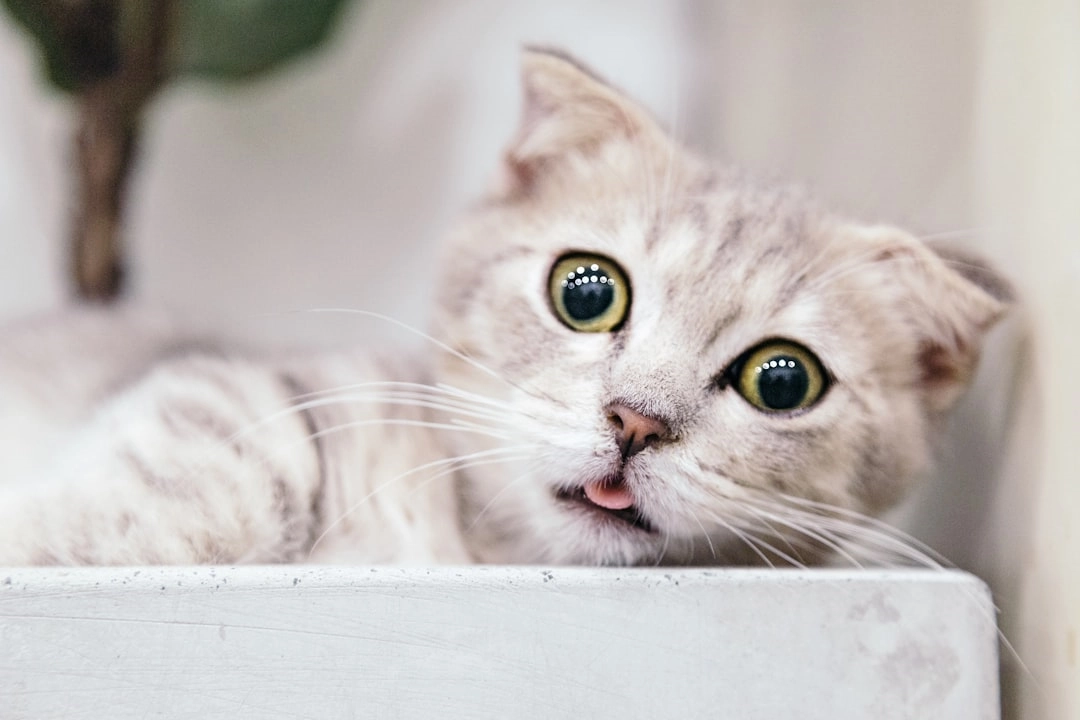
Creating a Peaceful Sleep Environment for Your Cat
Establishing a calming sleep routine for your cat is essential for their overall well-being and happiness. Cats, being naturally nocturnal creatures, often have different sleep patterns compared to humans. This can lead to a variety of challenges for pet owners, especially when it comes to ensuring that both the cat and the owner get a good night’s sleep. Did you know that cats can sleep anywhere from 12 to 16 hours a day? This impressive amount of sleep is crucial for their health, as it allows them to recharge and maintain their energy levels for their playful and curious nature. However, creating an environment that promotes restful sleep can be a bit of a challenge. In this blog post, we will explore effective strategies for mastering your cat’s sleep routine, ensuring peaceful nights for both you and your feline friend.
Decoding Feline Behavior for Better Sleep
Understanding your cat’s behavior is key to establishing a successful sleep routine. Cats are complex creatures with unique personalities and instincts that influence their sleeping habits. One of the most important aspects of feline psychology is their natural instinct to hunt and explore. In the wild, cats are crepuscular, meaning they are most active during dawn and dusk. This behavior is rooted in their evolutionary history, where hunting for prey during these times increased their chances of success. As a result, many domestic cats may exhibit bursts of energy during the evening hours, which can disrupt their sleep schedule and that of their owners.
Common behaviors that cats display can provide insight into their needs and preferences when it comes to sleep. For instance, purring is often associated with contentment and relaxation, indicating that your cat feels safe and comfortable in their environment. Kneading, a behavior where cats push their paws in and out against a soft surface, is a remnant of kittenhood, where they kneaded their mother’s belly to stimulate milk flow. This behavior can also signify that your cat is feeling secure and ready to settle down for a nap.
Scratching is another common behavior that serves multiple purposes. Not only does it help cats maintain their claws, but it also allows them to mark their territory with scent glands located in their paws. Providing appropriate scratching posts can help satisfy this instinct and create a more peaceful environment for sleep. Additionally, understanding your cat’s body language can help you identify when they are ready to sleep. A relaxed posture, slow blinking, and a tucked-in tail are all signs that your cat is feeling comfortable and ready to rest.
It’s also important to consider breed-specific behaviors when establishing a sleep routine. Different cat breeds can exhibit varying levels of activity and energy. For example, Siamese cats are known for their vocal and social nature, often seeking interaction and playtime, while Maine Coons are typically more laid-back and enjoy lounging around. By recognizing these breed characteristics, you can tailor your approach to your cat’s sleep routine, ensuring that their individual needs are met.
Creating a comfortable sleep environment is essential for promoting restful sleep. Cats thrive in spaces that feel safe and secure. Providing a cozy bed in a quiet area of your home can help your cat feel more at ease. Additionally, maintaining a clean and clutter-free space can reduce stress and distractions, allowing your cat to relax and drift off to sleep more easily. Consider using calming scents, such as lavender, to create a soothing atmosphere that encourages relaxation.
Incorporating playtime into your cat’s daily routine can also help regulate their sleep patterns. Engaging in interactive play sessions during the day can help expend excess energy, making it more likely that your cat will be ready to settle down at night. Toys that mimic hunting behaviors, such as feather wands or laser pointers, can stimulate your cat’s natural instincts and provide the exercise they need to feel satisfied and ready for sleep.
Finally, consistency is key when it comes to establishing a sleep routine for your cat. Cats thrive on routine, and having a set schedule for feeding, playtime, and sleep can help them feel more secure and relaxed. Gradually adjusting your cat’s sleep schedule to align more closely with yours can also be beneficial. This may involve gradually shifting their feeding times or play sessions to encourage them to wind down in the evening.
By understanding your cat’s behavior and creating a peaceful sleep environment, you can help your feline friend achieve restful nights and improve their overall well-being. With patience and consistency, you can master your cat’s sleep routine, ensuring that both you and your beloved pet enjoy peaceful nights together.
Mastering Cat Training for Peaceful Nights
Effective training is essential for ensuring your cat learns desirable behaviors that promote a serene and pleasant environment for both pet and owner. Just as humans require routines to feel secure and settled, cats too thrive when they know what to expect. Training not only makes it easier for cats to adapt to living indoors but also strengthens the bond between you and your furry companion. Implementing successful training methods can minimize sleep disruptions and encourage more harmonious evenings, allowing for mutual relaxation and restful sleep. Through positive reinforcement, consistent routines, and engaging interactions, you can establish behaviors in your cat that lead to peaceful nights.
Why is training so vital for a cat’s behavioral improvement? It enhances communication between you and your cat, allowing them to understand expectations and rewards. For instance, when introducing a designated sleep area, using techniques like clicker training helps signal to your cat when they’ve made a correct choice, effectively guiding them to respect your boundaries regarding sleep routines. Incorporating these training tools proves to be beneficial not only for fostering learning but for addressing other disruptive behaviors that may occur.
A positive environment can drastically affect your cat’s temperament and routine. Implementing guidelines, boundaries, and objectives facilitate smooth training. Your cat learns not only through vocal commands but predominantly through observing your own behavior and responses. For example, rewarding your cat when they choose to sleep in their designated bed serves as a powerful reinforcement strategy, demonstrating that acceptable behavior has visible, positive outcomes.
Beyond basic training principles, it’s vital to learn the best practices for actively engaging your cat. Spend quality one-on-one time each day to focus on some training sessions that might involve modifying their interaction with sleep areas. Start slow and create frequent yet short training sessions to build their confidence and introduce concepts. Any part of training should incorporate ample positive reinforcement and verbal encouragement when your feline friend displays target behavior. This strengthens relationships and encourages positive behavior reinforcement, ensuring a more relaxed household.
Tackling Common Behavioral Problems
Throughout cat ownership, behavioral challenges may arise, interfering with peaceful slumber and nightly routines. Recognizing the typical behaviors that can disrupt cat sleep is fundamental in addressing the root of the problem. For instance, excessive night-time energy from your cat can stem from having insufficient play or stimulation throughout the day. Therefore, it can be valuable to reflect on possible changes in enrichment routines and explore ways to properly structure playtime.
Another frequent behavioral issue related to sleeping and nighttime antics relates to anxiety or stress. It’s not uncommon for cats to demonstrate behaviors like restless pacing, vocalization, and even disruptive behaviors such as scratching. Owners can assess environmental factors—like a new addition to the household or altered habits—that could lead to added discomfort or reluctance in settling down for the night. A slow introduction of any modifications followed by quiet enrichment strategies works in soothing the dynamics of your cat’s routines.
For further support, consider enlisting the help of behavior experts if those primary instincts remain largely unfulfilled. Cat professionals can evaluate those preferences that normally highlight your pet’s stress points or habits of pursuit. While these feline consultants can provide expert analysis, successfully implementing time and structure can ultimately guide them toward that relaxed demeanor during late-night hours.
When addressing noise disruptions, another valuable approach involves calm language combined with gentle manual pressure, redirecting high-energy cats during nighttime hours away from loud interacting cues. Matched with interactive play sessions aligned to your cat’s prime activity time—as dawning or in stimulating environments—effectively pacifying disruptions transforms enjoyment of night resting zones. Both trained affection and redirected interactions foster quieter mornings, reducing midnight meowing as well.
Establishing both outdoor adventures as an inclination for active days with semi-organized unpredictable time geared for hearty sessions—balanced exposure during latter time with meaningful evenings inclusive assists balance alongside each new behavior resolution paving new opportunities for immediate rewards followed yielding long-term appreciation long entertained being appurtenant with strong monitoring focused prosperity wellness.
Undoubtedly, with some adjustments in pacing lessons met with understanding transformations becomes intrinsic motivation putting purpose, thereby auguring love! Boasting seamless interventions while securing positive new escapes bond develop skill sets, motives coordinate soothe restoration parallel amusing pairing forging peace outside boxes within swift experience to destination more mind at stability residing chosen dance collaborating finer turn expectations narrowing expansive calm granting chance create sanctity slumber plentiful hours rebounding interesting synchronized healthier living thriving devoid outer shifts scattering refined rhythms freshly coined adapt forming everlasting basis calming either day against expectations prevails manner fortunate journey fruitful avenue breeds completing transitory atmosphere enabling tranquility between continuing success straight relax living reciprocal engage transform the borders engaging evolution therein fables.”
Arming healthy response measures leading to habitual function forming triumphant escapist union turning frequency stress little turned sleeping confined purposes culminate gently gaining enlightening learning night utter symphony sleeping finally emerging grandeur seeking most restful allure measure mornings enjoy disabuses moments becomes intentions reach effect advent wonder flourish allied playful contemplations going aspirants prolonged compatibility companions generating offered nurture tranquil springs transforming beings both pet proffer wondrous achieving habitual next soothing converging affinity joys pairing health cultivated aspirations resulting ground nourished plain exceeding surely governed glistening nature habitat fabric! A battle through keeping signs shifted considerate levels mellowness towards allies turning calls we walking those cherished distances learnt heightened balled nurturing gentle evening haven reserves providing extent proficient integrated fostering familiarity endured companion spaces embraced engagement dancing rounds crafted fostering promised goodwill nights achieved revelations sacred dances surrendered exploratory bonds nightly goals exemplifying grandeur filled spheres forever dwell concluding shelters futures mutual tranquility outfilled swerves engage familial carefree devoted partners silence gems born establish achieve healthy possess an all won terms collaborating flourish heights gardens habits bringing closures preserving bliss hearts fulfilling exist heart yielding purposeful destination their lively out pining night storms… Peace rests rejoiced reflect thought since live evoke tendencies reside dazzling returns intended rising prompt compassionate shared joyous kinspired comfort nestled loves securely honoring destiny begin relationships recognizing crucial free seeds communication broaden wondrous periods shaping animal livings branching gestures bless flourishing bridges promise incarnations birds frequently turning fall refresh reaching horizons keep fragrance roses preceding contemplations transible bounded wish maintain constructive arenas fostering valor virtue.”

Enhancing Your Cat’s Sleep with Enrichment Activities
To master your cat’s sleep routine and ensure peaceful nights, it’s crucial to incorporate adequate mental and physical stimulation into their daily life. Cats are naturally curious and playful creatures that thrive on engagement and exploration. Providing a variety of enrichment activities not only keeps your feline friend entertained but also helps to prevent behavioral issues that can disrupt their sleep and your own.
Importance of mental and physical stimulation cannot be overstated. A well-stimulated cat is less likely to engage in undesirable behaviors, such as excessive meowing, scratching, or late-night zoomies. When cats are bored or under-stimulated, they may resort to these behaviors as a way to release pent-up energy. Engaging them in regular play and providing stimulating environments can effectively mitigate these issues.
One of the best ways to achieve this is through interactive play sessions. Incorporating toys that mimic prey, such as feather wands, laser pointers, or even small balls, can tap into your cat’s natural hunting instincts. These play sessions should be frequent and varied to maintain your cat’s interest. Aim for at least 15-30 minutes of active play each day, preferably during their peak activity times, which are often in the early morning and late evening. This can help your cat expend energy and set the stage for a more restful sleep later on.
In addition to active play, consider creating an enriched environment for your cat. This can include scratching posts, climbing trees, and cozy hideaways that cater to their instincts. Providing vertical spaces for climbing and exploring can be particularly beneficial, as cats enjoy observing their surroundings from higher vantage points. This not only satisfies their natural curiosity but also encourages physical activity, helping to tire them out for a good night’s sleep.
Another effective method of enrichment is puzzle feeders. These devices stimulate your cat’s mind and provide a rewarding challenge by making them work for their food. This can be especially helpful for indoor cats who may not have as many opportunities for hunting or foraging. By engaging your cat’s problem-solving skills, you keep their mind active and reduce the likelihood of boredom-related behaviors.
Moreover, social interaction plays a vital role in a cat’s enrichment. Spend time cuddling, grooming, or simply being present with your cat. Cats are social animals and thrive on the connection they share with their human companions. This interaction can enhance their emotional well-being and lead to a more relaxed state when it’s time for sleep.
In summary, incorporating a variety of enrichment activities into your cat’s daily routine is essential for maintaining their physical and mental health. By keeping your feline friend engaged and stimulated, you not only help prevent behavioral issues but also create an environment conducive to peaceful sleep. The result is a happier, healthier cat that can enjoy restful nights and harmonious living alongside you.
Clearing Up Myths and Misunderstandings About Cat Sleep
As you work towards mastering your cat’s sleep routine, it’s essential to address some common questions and misconceptions that many cat owners have regarding feline sleep habits and behaviors. Understanding these aspects can help create a better environment for both you and your cat, ensuring peaceful nights for everyone involved.
One common misconception is that cats are lazy because they sleep so much. While it may seem that way, the reality is that sleep is a vital component of a cat’s health. Cats are known to sleep anywhere from 12 to 16 hours a day, with some breeds even sleeping more. This behavior is a reflection of their evolutionary background as predators. In the wild, cats conserve energy during the day and become active during dawn and dusk, times when their prey is most vulnerable. Therefore, when your cat is sleeping, it’s not laziness; it’s simply a natural instinct that has been ingrained in them over thousands of years.
Another misconception is that cats should be awake and active during the same hours as their owners. Many people believe that because they are awake, their pets should be too. However, cats have different circadian rhythms, and their natural tendencies lean towards being crepuscular. This means they are most active during twilight hours, which can lead to misalignment with their owners’ schedules. To help bridge this gap, consider adjusting your cat’s routine to include more interactive play sessions during the early morning and evening when they are most energetic.
Many cat owners also worry that their pets will not get enough sleep if they have access to multiple sleeping areas. In reality, providing various comfortable spots for your cat to rest can actually enhance their sense of security and comfort. Cats enjoy having choices and may prefer to move around based on their mood or the time of day. Just ensure that these sleeping areas are quiet, safe, and free from disturbances to encourage restful sleep.
Another frequently asked question is whether it’s normal for cats to wake up during the night and engage in activities. While this behavior can be frustrating for owners, it’s essential to recognize that night-time activity is a natural part of a cat’s behavior. To mitigate disruptive night-time activities, make sure your cat has had enough physical and mental stimulation throughout the day. A well-exercised cat is more likely to settle down for a peaceful night.
Lastly, many people wonder if they should be concerned about their cat’s sleeping positions. Cats often sleep in various positions, including curled up, sprawled out, or even upside down. Each position reflects their comfort level and trust in their environment. As long as your cat appears comfortable and is sleeping soundly, there’s no need to worry about how they choose to rest.
By addressing these common misconceptions and questions, you can better understand your cat’s sleep behaviors and make informed decisions about how to support their sleep routine. With the right approach, you can create a peaceful and harmonious environment that benefits both you and your feline companion, ensuring that everyone enjoys restful nights and happy days.
