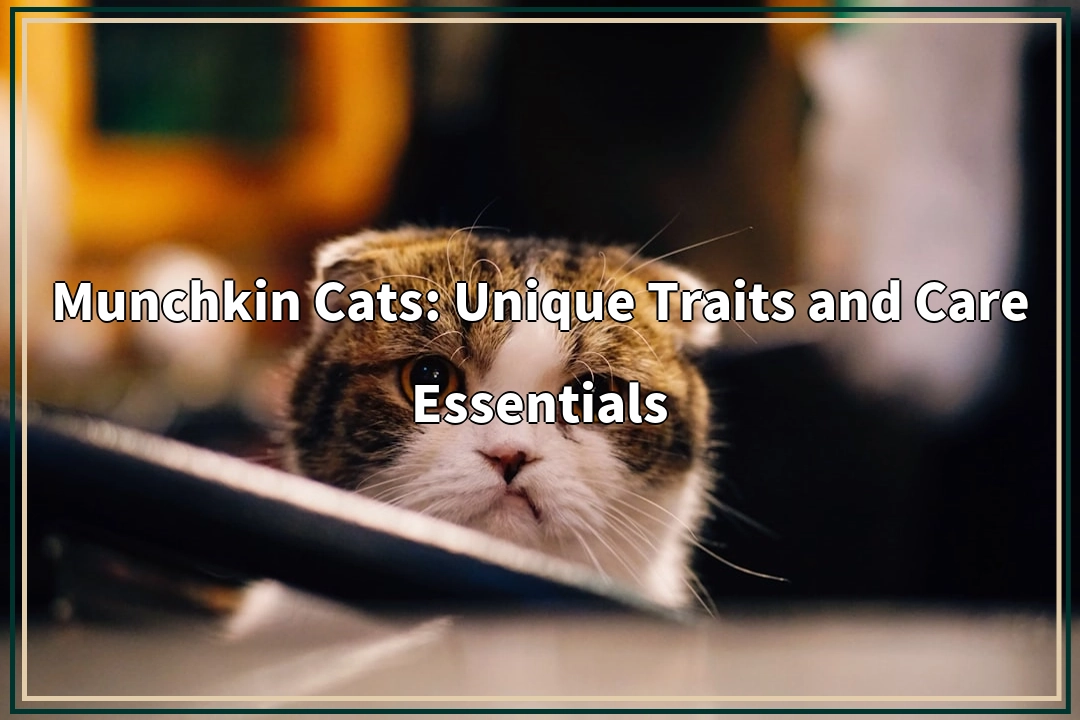
Discovering the Munchkin Cat: A Unique Feline Breed
The Munchkin cat, known for its distinctive short legs and playful personality, has captured the hearts of cat lovers around the world. This breed’s unique appearance often raises questions and curiosity among potential pet owners and feline enthusiasts alike. Did you know that the Munchkin cat’s short stature is due to a natural genetic mutation? This fascinating trait not only sets them apart visually but also contributes to their charming and lively demeanor. As we delve into the world of Munchkin cats, we will explore their characteristics, care requirements, and the joys of living with this delightful breed.
Understanding the Munchkin Cat Breed
The Munchkin cat breed originated in the United States during the early 1980s, although its roots can be traced back to earlier instances of short-legged cats in various parts of the world. The breed was officially recognized by The International Cat Association (TICA) in 1994, which helped to promote and establish the Munchkin as a distinct breed. The name “Munchkin” was inspired by the small, whimsical characters from L. Frank Baum’s “The Wonderful Wizard of Oz,” reflecting the breed’s playful and endearing nature.
Munchkin cats are characterized by their short legs, which result from a genetic mutation affecting the development of long bones. This unique feature does not hinder their mobility; in fact, Munchkins are known for their agility and playful behavior. They can run, jump, and climb just like their longer-legged counterparts, often surprising their owners with their athleticism. The breed comes in a variety of colors and patterns, making each Munchkin cat a unique individual.
In terms of personality, Munchkin cats are often described as social, affectionate, and curious. They tend to get along well with other pets and children, making them an excellent choice for families. Their playful nature means they enjoy interactive playtime and mental stimulation, which can be provided through toys, puzzles, and engaging activities. Munchkins are also known for their vocalizations, often communicating with their owners through a range of meows and chirps.
As with any breed, it’s essential to understand the specific care requirements of Munchkin cats. Their short legs do not predispose them to any particular health issues, but like all cats, they can be susceptible to common feline health problems. Regular veterinary check-ups, a balanced diet, and proper exercise are crucial for maintaining their overall health and well-being.
In summary, the Munchkin cat is a unique and charming breed that has gained popularity for its distinctive appearance and playful personality. With a rich history and a variety of colors and patterns, Munchkin cats are not only visually appealing but also make wonderful companions. As we continue to explore the traits and care essentials of this delightful breed, you’ll discover why Munchkin cats are a beloved choice for many pet owners.

Unique Traits of the Munchkin Cat
The Munchkin cat is a breed that stands out not only for its short legs but also for its vibrant personality and engaging behavior. The term “Munchkin” is derived from the whimsical characters in L. Frank Baum’s “The Wonderful Wizard of Oz,” which aptly reflects the playful and charming nature of these cats. Their unique appearance is the result of a natural genetic mutation that affects the development of long bones, leading to their distinctive short stature. Despite their shorter legs, Munchkin cats are known for their agility and ability to navigate their environment with ease, often surprising owners with their jumping and climbing skills.
Munchkin cats come in a variety of colors and patterns, which adds to their appeal. From solid colors to intricate tabby patterns, each Munchkin is a unique visual delight. Their coat can be short or long, and grooming needs will vary accordingly. The breed’s expressive eyes and playful demeanor make them particularly endearing, and they are often described as social and affectionate companions. Munchkins are known for their love of human interaction and tend to form strong bonds with their families, making them excellent pets for households with children and other animals.
In terms of behavior, Munchkin cats are playful and curious, often engaging in activities that stimulate their minds and bodies. They enjoy interactive play with toys and are known to be quite vocal, using a range of sounds to communicate with their owners. Their friendly disposition makes them well-suited for multi-pet households, as they typically get along well with other cats and dogs. The Munchkin’s playful nature means they thrive in environments where they can explore and play, making them a joy to have around.
Essential Care and Health Considerations for Munchkin Cats
Caring for a Munchkin cat involves understanding their specific needs to ensure they lead healthy and happy lives. One of the most critical aspects of their care is their diet. Munchkin cats require a balanced diet that meets their nutritional needs, focusing on high-quality cat food that provides essential proteins, fats, vitamins, and minerals. It’s important to choose a diet formulated for their age, weight, and activity level. Cats are obligate carnivores, meaning their diet should primarily consist of meat-based proteins. This is crucial for their overall health, as it supports their energy levels and helps maintain a healthy weight.
Portion control is also vital in preventing obesity, which can lead to various health issues. Regular feeding schedules and monitoring their weight can help ensure that Munchkin cats remain within a healthy range. Additionally, providing fresh water at all times is essential for their hydration and overall well-being.
In terms of health, Munchkin cats are generally robust and do not have specific genetic health issues directly related to their short legs. However, like all breeds, they can be susceptible to common feline health problems, such as dental disease, obesity, and urinary tract issues. Regular veterinary check-ups are crucial for early detection and prevention of these conditions. Vaccinations, parasite control, and dental care should be part of their routine health maintenance.
Another important aspect of Munchkin cat care is their mental and physical stimulation. Providing toys, scratching posts, and interactive playtime can help keep them engaged and prevent behavioral issues. Munchkins are known for their playful nature, so incorporating play into their daily routine is essential for their happiness and well-being.
In summary, Munchkin cats are a unique and delightful breed that requires attentive care to thrive. By focusing on their dietary needs and maintaining regular health check-ups, owners can ensure that their Munchkin cats lead long, healthy, and fulfilling lives. Their playful and affectionate nature makes them wonderful companions, and with the right care, they can bring joy to any household.

Adapting to Life with Munchkin Cats
Living with a Munchkin cat is a delightful experience that can bring joy and companionship to any household. These unique felines are known for their affectionate and playful nature, making them well-suited for families, singles, and multi-pet households alike. Munchkin cats thrive on social interaction and often seek the company of their human family members. Their friendly demeanor allows them to form strong bonds, and they typically enjoy being involved in daily activities, whether it’s lounging on the couch or playing with children.
One of the standout traits of Munchkin cats is their compatibility with other pets. Their social nature means they often get along well with dogs and other cats, especially if they are introduced at a young age. Munchkins tend to have a playful attitude, which can encourage even the most reserved pets to engage in play. However, it’s essential to monitor interactions, especially with larger dogs, to ensure that playtime remains safe and enjoyable for all pets involved.
In terms of activity needs, Munchkin cats are moderately active. They enjoy playtime and need regular mental and physical stimulation to keep them happy and healthy. Providing a variety of toys, including interactive puzzles, feather wands, and laser pointers, can help satisfy their playful instincts. Munchkins are known for their agility, and their short legs do not impede their ability to climb or jump. Therefore, incorporating climbing structures and scratching posts into your home can offer them the opportunity to exercise and explore their environment.
It’s also important to schedule regular play sessions with your Munchkin cat to strengthen your bond and keep them engaged. Cats of this breed can exhibit playful behaviors well into adulthood, so don’t be surprised if your Munchkin still enjoys chasing after toys or engaging in games long after their kitten years. Establishing a routine that includes interactive playtime will contribute to their overall well-being and happiness.
Your Munchkin Cat Questions Answered
As Munchkin cats continue to gain popularity, potential owners often have many questions about this unique breed. Here are some frequently asked questions that can help you understand what to expect when welcoming a Munchkin cat into your home:
1. Are Munchkin cats healthy despite their short legs?
Yes, Munchkin cats are generally healthy and do not suffer from specific genetic health issues related to their short legs. However, like all breeds, they can be susceptible to common feline health problems. Regular veterinary check-ups and preventive care are essential for maintaining their health.
2. Do Munchkin cats require special care?
Munchkin cats do not require significantly different care than other cat breeds. They need a balanced diet, regular exercise, mental stimulation, and routine veterinary care. Providing toys and engaging activities is crucial to keep them happy and healthy.
3. How do Munchkin cats interact with children?
Munchkin cats are typically very friendly and social, making them great companions for children. They often enjoy interactive play and can be quite tolerant of gentle handling. However, it’s essential to teach children how to interact with cats respectfully to ensure a positive relationship.
4. Can Munchkin cats live in apartments?
Yes, Munchkin cats can thrive in apartment living, provided they receive enough mental and physical stimulation. Regular playtime and access to climbing structures can help them expend their energy and stay active, even in smaller spaces.
5. Are Munchkin cats good with other pets?
Munchkin cats are known for their friendly nature and often get along well with other pets, including dogs. Proper introductions and socialization are essential to ensure harmonious relationships between pets in the household.
6. How do I choose the right Munchkin cat for my home?
When selecting a Munchkin cat, consider factors such as temperament, energy level, and compatibility with your lifestyle. If possible, spend time with the cat before adopting to gauge their personality and ensure they are a good fit for your family.
In conclusion, Munchkin cats are charming companions that can bring joy and playfulness to any home. Their unique traits, combined with their affectionate nature, make them a popular choice for pet owners. By understanding their needs and characteristics, you can create a nurturing environment that allows your Munchkin cat to thrive and become a beloved member of your family.
