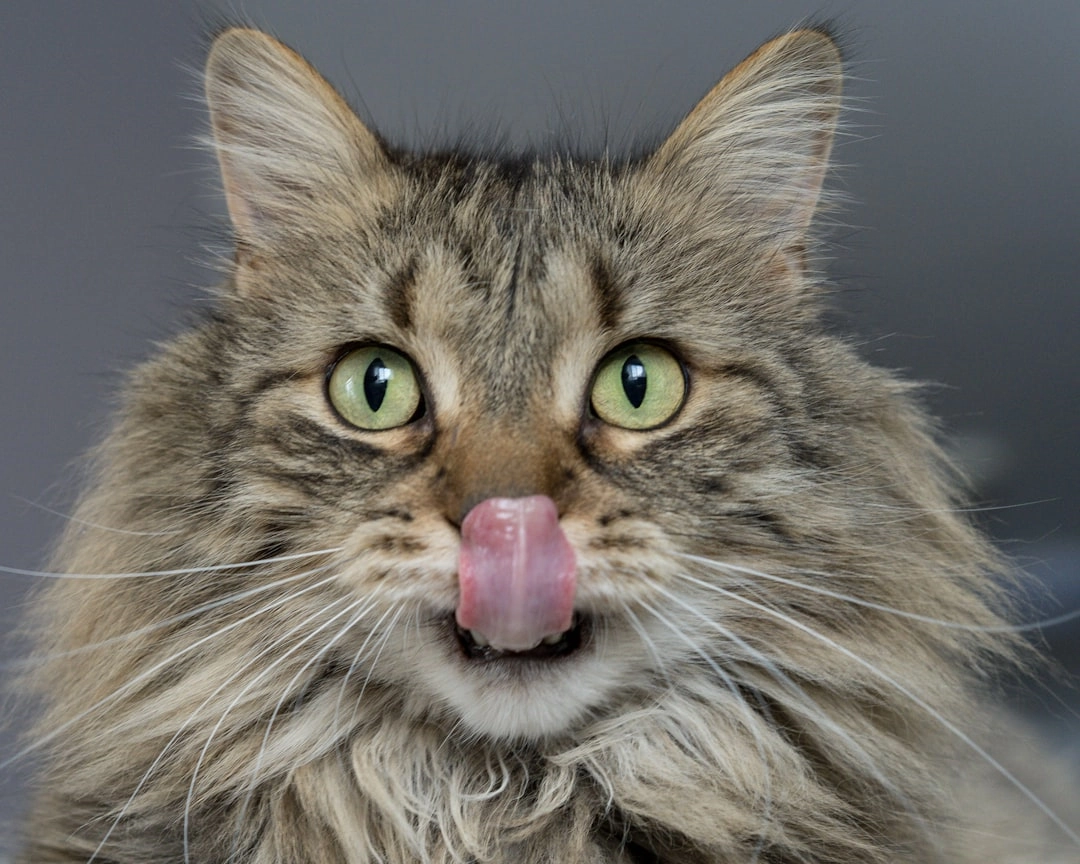
Adjusting to Change: Feline Aggression After Moving
Moving to a new home can be a stressful experience for anyone, but for our feline friends, it can be particularly challenging. Cats are creatures of habit, and any disruption to their environment can lead to feelings of anxiety and aggression. Understanding feline aggression post-moving is crucial for pet owners who want to ensure a smooth transition for their beloved companions. Did you know that cats can exhibit aggressive behaviors as a response to stress, fear, or territorial disputes? This blog will explore the reasons behind feline aggression after a move and provide insights into how to manage and mitigate these behaviors effectively.
Decoding Feline Behavior: The Psychology of Cats
To effectively address feline aggression, it is essential to understand the underlying psychology of cats. Cats are instinctual animals, and their behaviors are often rooted in their natural instincts. For instance, they are territorial creatures, and a change in their environment can trigger feelings of insecurity. When a cat is moved to a new home, it may feel the need to assert its dominance over the new territory, leading to aggressive behaviors.
Common behaviors that may arise during this transition include hissing, growling, swatting, and even biting. These actions are often a cat’s way of expressing discomfort or fear. It’s important to recognize that these behaviors are not necessarily a reflection of a cat’s temperament but rather a response to a stressful situation. Understanding this can help pet owners approach the situation with empathy and patience.
Another aspect of feline behavior to consider is their communication style. Cats communicate through body language, vocalizations, and scent marking. For example, a cat that is hissing or growling is likely feeling threatened and is trying to establish boundaries. On the other hand, a cat that is purring or kneading may be seeking comfort and reassurance. By paying attention to these signals, pet owners can better understand their cat’s emotional state and respond appropriately.
Additionally, different breeds of cats may exhibit varying behaviors in response to stress. For instance, some breeds, like the Siamese, are known for their vocal nature and may express their discomfort more openly, while others, like the British Shorthair, may be more reserved. Recognizing these breed-specific traits can help owners tailor their approach to managing aggression and anxiety.
Moreover, environmental factors play a significant role in feline behavior. Cats thrive in stable environments where they feel safe and secure. When moving, it is essential to create a familiar space for your cat in the new home. This can include setting up their bed, toys, and litter box in a quiet area where they can retreat if they feel overwhelmed. Providing a safe haven can help reduce feelings of anxiety and aggression.
In addition to creating a comfortable environment, engaging in positive reinforcement training can also be beneficial. Rewarding your cat for calm behavior with treats or affection can help reinforce positive associations with the new space. This approach encourages your cat to explore its new surroundings at its own pace, reducing the likelihood of aggressive outbursts.
Lastly, enrichment activities can play a vital role in alleviating stress and aggression in cats. Providing interactive toys, scratching posts, and climbing structures can help channel your cat’s energy in a positive direction. Engaging your cat in playtime not only strengthens the bond between you and your pet but also helps to alleviate boredom and anxiety, which can contribute to aggressive behaviors.
In summary, understanding feline aggression after a move requires a comprehensive approach that considers the psychological, environmental, and behavioral aspects of your cat. By recognizing the signs of stress and aggression, creating a safe and familiar environment, and engaging in positive reinforcement training, pet owners can help their cats adjust to their new home with greater ease. Remember, patience and empathy are key when navigating the complexities of feline behavior during this transitional period.
Empowering Your Cat: Essential Training Techniques
Training your cat is not just about teaching them tricks; it is an essential part of helping them adjust to their new environment post-move. Just like humans, cats can experience stress during transitions, and effective training can facilitate a smoother adaptation to their new home. Understanding the principles of training can also strengthen the bond between you and your feline companion. Whether it involves teaching your cat to recognize commands or encouraging good behaviors, training plays an essential role in enhancing your cat’s emotional well-being and safety.
One crucial aspect to consider in feline training is that it relies heavily on positive reinforcement techniques. Cats are more likely to respond favorably to training sessions when they feel rewarded, as compared to traditional punishment-based methods. This means using treats, praise, or play as incentives for good behavior can significantly increase their engagement and effectiveness of training.
Begin by establishing a set of commands that you want your cat to learn—sit, come, or even target training can be great starters. Introducing one command at a time helps to eliminate confusion. Each time your cat performs the desired behavior, promptly reward them with a treat and verbal praise to associate the command with positive reinforcement. Cats do have attention spans, so it’s essential to keep training sessions short—approximately 5 to 10 minutes—allowing them to feel excited and focused.
Environment also plays a significant role in training. Ensure that you are in a quiet setting, free of distractions, to capture your cat’s attention effectively. Although practicing in your home can help them associate commands with your voice, try introducing them to different areas within the house where they’d gradually need to behave accordingly. Varying the training setting can help prepare your cat for future scenarios, creating familiarity and diminishing anxiety when they eventually interact with those spaces.
Consistency is key! Use the same word for the command you want your cat to learn every time and consistently use positive reinforcements to eliminate any possible confusion. The more you repeat training, the more natural it becomes for your cat to perform the expected behavior without prompting.
Adding clicker training into the mix can be highly effective as well. A clicker can capture an action just as it happens, encouraging precise and clear communication between you and your cat. Here’s how it works: first, “charge” the clicker by clicking it and giving your cat a treat—this helps the cat associate the sound of the click with a positive outcome. When your cat responds to a command, click and treat immediately. As they continue to learn, the clicker becomes an effective tool in clarifying which specific action the cat should replicate in order to receive the reward.
Moreover, training can alleviate behavioral problems, especially post-moving—by introducing stimulating activities that challenge them mentally and physically. Enrichment sessions involving puzzle toys or interactive play sessions will drain pent-up energy, curb stress and lead to better-behaved cats, as an appropriately worn-out feline is far less likely to lash out due to unease or anxiety about their new environment.
Resolving Cat Behavior Challenges
Cats can be elusive creatures, and it isn’t uncommon to encounter behavioral problems, especially after relocating them to a new environment. Increased anxiety or aggression after a move often stems from the unfamiliar territory around them. Identifying these behavioral issues promptly is critical, as is seeking the right methods for remediation.
First, let’s consider some common behavioral challenges you may observe: hiding, destructive behaviors like scratching or knocking over objects, aggressive encounters with household members, or excessive vocalization. Although these behaviors can be alarming, they are typically triggered by a shift in your cat’s routine or perception of safety.
The initial step to resolving these issues is conducting an assessment of the triggers behind such behaviors. For instance, if your cat suddenly starts scratching your new furniture, check if adequate scratching posts are available in the newly arranged home. Ensure they have secure, personal spaces that belong just to them within the room while examining where these triggers might occur more often. Identifying hotspots of stress can provide solid starting points on what to alter.
Adhering to a more structured routine that closely mimics their previous schedules can also contribute to helping them regain a sense of control. For instance, synchronizing feeding times or establishing regular playdates will restore a rhythm that might have gotten lost during the moving process.
When stress-induced behaviors arise as a response to the stresses of relocation, gradually familiarize them with one another should multiple animals be present. Controlled introductions will offer them safe, limited viewings of each other, so they begin to associate good feelings alongside every exchange. Displacement fears, as a result, can diminish through practices promoting emotional management and accountability where harmonious interaction requires more compassion than just solutions.
Lastly, should these approaches not lead to any change within your cat’s behavior over time, it might be time to engage in professional guidance. Consulting with a veterinarian or a behavior specialist who has experience with feline behavior can determine if underlying medical issues trigger aggression or significant anxiety. Approaching it from a multi-faceted method encompasses all possible triggers to lead you down effective avenues that encompass both appropriate behavioral evaluations and satisfactory treat methodologies.
Navigating through feline aggression requires patience and understanding post-move challenges alongside employing a critical approach geared toward training. By working consistently with both positive reinforcement and looking introspectively into behavior patterns and lifestyle evaluations, creating a healing process through empowerment culminates as every cat successfully overcomes various behavioral hurdles that may come post-relocation.

Boosting Your Cat’s Well-Being: The Role of Enrichment and Play
After a move, cats often find themselves in a new and unfamiliar environment, which can lead to stress and behavioral issues. To combat these challenges, providing ample enrichment and play is essential for their mental and physical well-being. Engaging your cat in stimulating activities not only helps to alleviate anxiety but also promotes healthy behaviors, ensuring they feel secure and content in their new home.
The importance of mental and physical stimulation cannot be overstated. Cats are natural hunters, and their instincts drive them to explore, chase, and play. When they are deprived of these activities, they can develop various behavioral problems, including aggression, excessive vocalization, and destructive behavior. Enrichment activities allow your cat to channel their energy in positive ways, preventing these unwanted behaviors from surfacing.
One effective way to provide enrichment is through interactive play. Engaging your cat with toys that mimic the movement of prey, such as feather wands or laser pointers, can trigger their hunting instincts. These activities encourage physical exercise while also providing mental stimulation as they strategize and plan their approach to catching their “prey.” Aim for at least 15-20 minutes of interactive play each day to help your cat release pent-up energy and reduce stress levels.
Another important aspect of enrichment is providing your cat with opportunities to explore their environment. Consider creating a cat-friendly space that includes various vertical surfaces for climbing, such as cat trees or shelves. Cats enjoy surveying their territory from high vantage points, which can make them feel more secure and confident in their surroundings. Additionally, incorporating hiding spots, such as cardboard boxes or tunnels, allows your cat to engage in natural exploratory behaviors while providing them with a safe space to retreat when they feel overwhelmed.
Food puzzles are another excellent way to enrich your cat’s environment. These toys require your cat to work for their food, providing both mental stimulation and a rewarding experience. By hiding their kibble or treats inside a puzzle toy, you encourage your cat to problem-solve, which can keep their mind sharp and engaged. This kind of enrichment is especially beneficial after a move, as it can help to alleviate stress and prevent boredom-related behavioral issues.
In addition to physical and mental stimulation, social interaction is also vital for your cat’s well-being. Spend quality time with your cat by petting, grooming, or simply sitting with them. Positive social interactions can help reinforce your bond and provide comfort as they adjust to their new environment. If you have multiple pets, monitor their interactions to ensure they are comfortable and happy, as this can also play a significant role in reducing stress and aggression.
Lastly, it’s important to remember that each cat is unique, and what works for one may not work for another. Pay attention to your cat’s preferences and adjust your enrichment strategies accordingly. By observing their behavior and responding to their needs, you can create a nurturing environment that supports their mental and emotional well-being during this transitional period.
Clearing Up Misunderstandings: FAQs About Feline Aggression
As cat owners navigate the complexities of feline aggression after a move, it’s common to encounter questions and misconceptions surrounding their behavior. Addressing these concerns can help owners feel more confident in managing their cat’s emotional well-being and fostering a harmonious home environment.
One common misconception is that aggression in cats is purely a behavioral issue, often leading owners to believe that their cat is “bad” or “mean.” In reality, aggression can stem from a variety of factors, including fear, stress, or territorial disputes. It’s essential to recognize that aggression is often a response to an underlying issue rather than a reflection of the cat’s character. Understanding this can help owners approach the situation with empathy and patience.
Another frequently asked question is whether feline aggression can be corrected through punishment. The answer is no; punishment can often exacerbate aggressive behaviors and lead to increased fear and anxiety. Instead, focus on positive reinforcement techniques to encourage desirable behaviors. Rewarding your cat for calm and non-aggressive behavior will create a more positive association with their new environment and help them feel more secure.
Many cat owners also wonder if certain breeds are more prone to aggression than others. While some breeds may exhibit specific personality traits, such as being more territorial or anxious, aggression is not limited to any particular breed. Individual temperament and past experiences play a significant role in a cat’s behavior. It’s essential to consider the unique personality of your cat rather than making assumptions based on their breed.
Another question often posed by cat owners is whether feline aggression can be resolved with time. While some cats may naturally adjust to their new environment and their aggression may diminish, others may require more targeted interventions, such as behavior modification or environmental enrichment. Patience and consistent efforts to create a safe and stimulating environment are key factors in helping your cat adapt to their new surroundings.
Finally, many owners wonder when it is appropriate to seek professional help for their cat’s aggressive behavior. If your cat’s aggression is severe, persistent, or poses a danger to themselves or others, it is essential to consult with a veterinarian or a certified animal behaviorist. These professionals can provide tailored guidance and support to address the underlying issues contributing to your cat’s aggression.
By understanding these common questions and misconceptions, cat owners can better navigate the challenges of feline aggression after a move. Providing enrichment, engaging in positive training techniques, and fostering a nurturing environment will go a long way in ensuring your cat feels secure and content in their new home.
