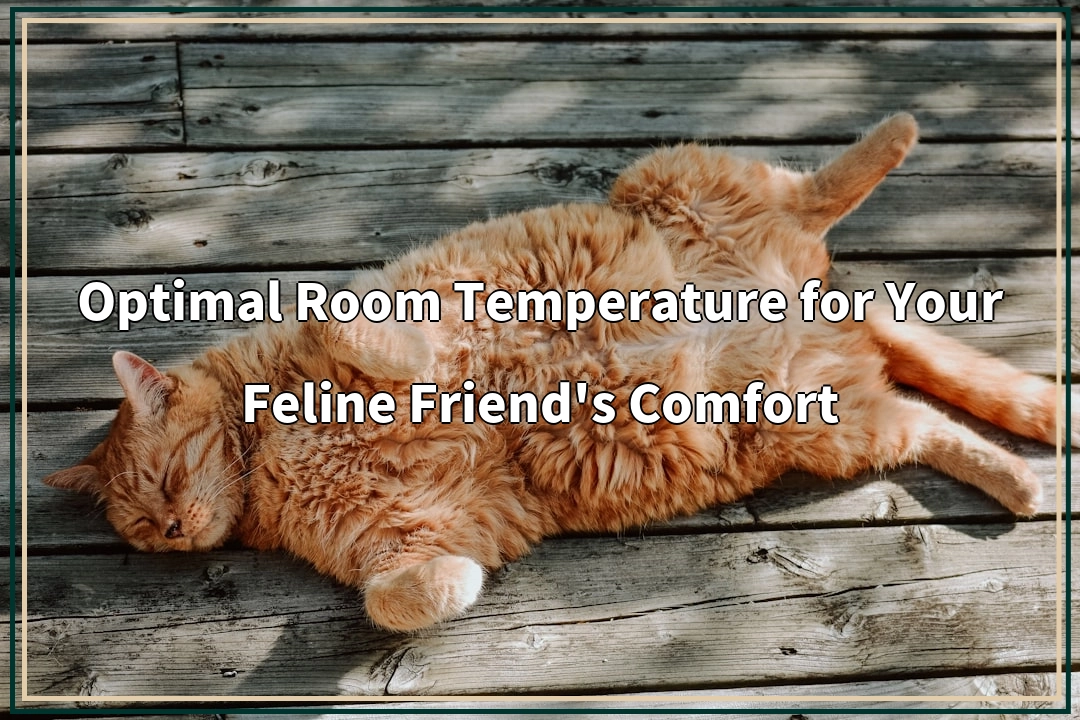
Creating a Comfortable Environment for Your Cat
When it comes to ensuring the well-being of our feline companions, one often overlooked aspect is the room temperature in which they live. Cats, like humans, have specific temperature preferences that can significantly impact their comfort and overall health. Did you know that the ideal room temperature for a cat typically ranges between 70°F to 80°F (21°C to 27°C)? This range is crucial for their comfort, as cats are sensitive to temperature fluctuations. Understanding the optimal room temperature for your feline friend can help you create a cozy environment that promotes their happiness and well-being.
Understanding Optimal Room Temperature for Cats
The domestic cat (Felis catus) is a small, carnivorous mammal that has been a beloved companion to humans for thousands of years. As members of the Felidae family, cats have evolved to thrive in various environments, but they still retain certain preferences that reflect their wild ancestry. In the wild, cats are adept at regulating their body temperature, but domesticated cats rely on their human caregivers to provide a suitable living environment.
One of the most critical factors in creating a comfortable space for your cat is maintaining an optimal room temperature. Cats are generally more comfortable in warmer conditions compared to humans. While humans may feel comfortable at around 68°F (20°C), cats prefer temperatures that are slightly higher. This preference is due to their unique physiology, which includes a higher basal metabolic rate and a thicker coat of fur that provides insulation.
In addition to their natural temperature preferences, various factors can influence how a cat perceives temperature. For instance, age, breed, and health status can all play a role in a cat’s comfort level. Kittens and senior cats may be more sensitive to temperature changes, requiring a warmer environment to feel secure. Similarly, certain breeds, such as the Sphynx, which has little to no fur, may need additional warmth compared to long-haired breeds like the Maine Coon.
To ensure your cat remains comfortable, it’s essential to monitor the temperature in your home, especially during extreme weather conditions. In colder months, consider using space heaters or heated cat beds to provide extra warmth. Conversely, during hot summer days, ensure your cat has access to cool, shaded areas and plenty of fresh water to stay hydrated.
Understanding the optimal room temperature for your cat is not just about comfort; it also plays a vital role in their health. Cats that are exposed to extreme temperatures for prolonged periods may experience stress, which can lead to various health issues, including respiratory problems and decreased immune function. By maintaining a stable and comfortable environment, you can help your cat thrive and enjoy a happy, healthy life.
In summary, creating a comfortable environment for your feline friend involves understanding their temperature preferences and making necessary adjustments to your home. By ensuring that your cat’s living space is within the optimal temperature range, you can enhance their quality of life and strengthen the bond you share with your beloved pet.

Understanding Your Cat’s Unique Traits
When discussing the optimal room temperature for your feline friend, it’s essential to consider the unique characteristics that define cats as a species. The domestic cat, scientifically known as Felis catus, is a small carnivorous mammal that has been domesticated for thousands of years. Cats have evolved from their wild ancestors, adapting to various environments while retaining specific traits that make them unique. Understanding these characteristics can help you create a comfortable living space that meets their needs.
Cats are known for their agile bodies, retractable claws, and acute senses, which have made them effective hunters. Their flexible spine allows for remarkable agility, enabling them to leap and climb with ease. This physical adaptability is complemented by their keen sense of hearing and excellent night vision, traits that are remnants of their predatory lineage. As a result, cats are naturally inclined to seek out warm, sheltered areas where they can rest and feel secure.
Another defining characteristic of cats is their body temperature regulation. Unlike humans, who can tolerate a broader range of temperatures, cats thrive in warmer conditions. Their normal body temperature ranges from 100.5°F to 102.5°F (38°C to 39.2°C), which means they prefer their environment to be on the warmer side. This preference is particularly evident in colder months when cats will often seek out sunny spots or cozy corners to bask in warmth.
Additionally, cats exhibit various behaviors that reflect their temperature preferences. For instance, you may notice your cat curling up in a tight ball or stretching out in a sunbeam. These behaviors are instinctual and serve to conserve body heat or absorb warmth from their surroundings. Understanding these traits can help you provide a more comfortable environment for your cat, ensuring they have access to warm spots during colder months and cooler areas during hot weather.
Essential Care for Your Feline Companion
Providing the right care for your cat goes beyond just meeting their temperature preferences; it also involves understanding their dietary needs and health concerns. A well-balanced diet is crucial for maintaining your cat’s overall health and well-being. Cats are obligate carnivores, meaning their diet must primarily consist of meat. This dietary requirement is essential for providing the necessary nutrients, such as proteins and amino acids, that support their energy levels and bodily functions.
When selecting cat food, look for high-quality options that list meat as the primary ingredient. Additionally, consider the age and activity level of your cat when choosing their diet. Kittens, for example, require more calories and nutrients to support their growth, while senior cats may benefit from specialized diets that address age-related health issues. Always consult with your veterinarian to determine the best dietary plan for your cat’s specific needs.
In addition to a proper diet, regular veterinary check-ups are vital for monitoring your cat’s health. Common health concerns in cats include obesity, dental issues, and chronic conditions such as diabetes or kidney disease. Maintaining a healthy weight is particularly important, as obesity can lead to various health problems, including joint issues and reduced mobility. Encourage your cat to engage in regular play and exercise to help maintain a healthy weight.
Furthermore, be vigilant about your cat’s dental health. Dental disease is prevalent in cats and can lead to serious health complications if left untreated. Regular dental check-ups and providing dental treats or toys can help keep your cat’s teeth and gums healthy.
Lastly, ensure your cat has access to fresh water at all times. Hydration is crucial for their overall health, especially for those on dry food diets. Cats are known to have a low thirst drive, so incorporating wet food into their diet can help increase their water intake.
By understanding your cat’s unique characteristics and providing the appropriate care, you can create an environment that promotes their comfort and health. This includes maintaining an optimal room temperature, offering a balanced diet, and being proactive about their health needs. Your feline friend will thrive in a space that caters to their natural instincts and requirements.

Integrating Your Cat into Family Life
Bringing a cat into your home is a rewarding experience, but it’s essential to understand how to create a harmonious living environment for both your feline friend and your family. Domestic cats, known scientifically as Felis catus, are often affectionate companions, but their compatibility with families and other pets can vary based on individual personalities and socialization. Understanding these dynamics can help you foster a peaceful coexistence in your home.
Most cats are naturally curious and tend to form strong bonds with their human companions. They enjoy interacting with their families, often seeking attention and affection. However, it’s important to recognize that not all cats are the same; some may be more social, while others prefer solitude. The key to a successful integration is to observe your cat’s behavior and preferences, allowing them to dictate the level of interaction they are comfortable with.
When introducing a cat to a family, especially one with children, it’s vital to educate everyone on proper cat handling. Teach children to approach the cat calmly and gently, respecting the cat’s space and signals. This not only helps the cat feel safe but also promotes a positive relationship between the cat and the children. Additionally, supervision during initial interactions can prevent any accidental rough handling that might frighten the cat.
In households with other pets, the introduction process requires patience and care. Cats can coexist with dogs, but it’s essential to consider the temperament of both animals. A calm and well-behaved dog is more likely to get along with a cat, while an excitable or aggressive dog may pose a threat. Gradual introductions, using barriers like baby gates or separate rooms, can help both pets acclimate to each other’s presence before allowing them to interact freely.
Activity needs also play a crucial role in the living situation with your cat. Cats are naturally playful and require regular mental and physical stimulation to stay happy and healthy. Engaging them with toys, climbing structures, and interactive play sessions can help satisfy their need for activity. Consider investing in a variety of toys, including wand toys, laser pointers, and puzzle feeders, to keep your cat entertained.
It’s also important to create an enriching environment for your cat. Providing scratching posts, perches, and hiding spots can help them feel secure and engaged. Many cats enjoy watching the outside world, so placing a cat tree near a window can offer hours of entertainment as they observe birds and other outdoor activities.
Your Cat Questions Answered
As a cat owner or potential adopter, you may have various questions about the optimal care and environment for your feline friend. Below are some frequently asked questions that can provide clarity on how to ensure your cat’s comfort and well-being.
What is the ideal room temperature for cats?
The ideal room temperature for cats typically ranges between 70°F to 80°F (21°C to 27°C). Cats are more comfortable in warmer environments, so it’s important to monitor the temperature, especially during extreme weather conditions.
How can I tell if my cat is too hot or too cold?
Signs that your cat may be too hot include excessive panting, seeking out cool surfaces, or becoming lethargic. Conversely, if your cat is shivering, seeking warm places, or curling up tightly, they may be too cold. Always ensure they have access to comfortable resting spots that match their temperature preferences.
What should I do if my cat is uncomfortable with the temperature?
If your cat seems uncomfortable, consider adjusting the room temperature using fans or heaters. You can also provide cozy blankets or heated cat beds during colder months, while ensuring there are cool, shaded areas during hot weather.
Can the temperature affect my cat’s health?
Yes, prolonged exposure to extreme temperatures can negatively impact your cat’s health. Stress from uncomfortable conditions can lead to respiratory issues, decreased immune function, and other health concerns. Maintaining a stable, comfortable environment is crucial for your cat’s well-being.
How can I enrich my cat’s environment?
To enrich your cat’s environment, provide a variety of toys, scratching posts, and climbing structures. Interactive play sessions and hiding spots can also keep your cat mentally stimulated. Consider creating a cat-friendly space with access to windows for bird-watching and safe outdoor exploration.
What should I consider when introducing a new cat to my home?
When introducing a new cat, consider their temperament and the dynamics of your household. Gradual introductions, supervision, and creating separate spaces for each pet can help ease the transition. Educate family members on how to interact with the cat to promote a positive relationship.
By addressing these questions and understanding your cat’s unique needs, you can create a comfortable and enriching environment that fosters a happy, healthy life for your feline friend.
