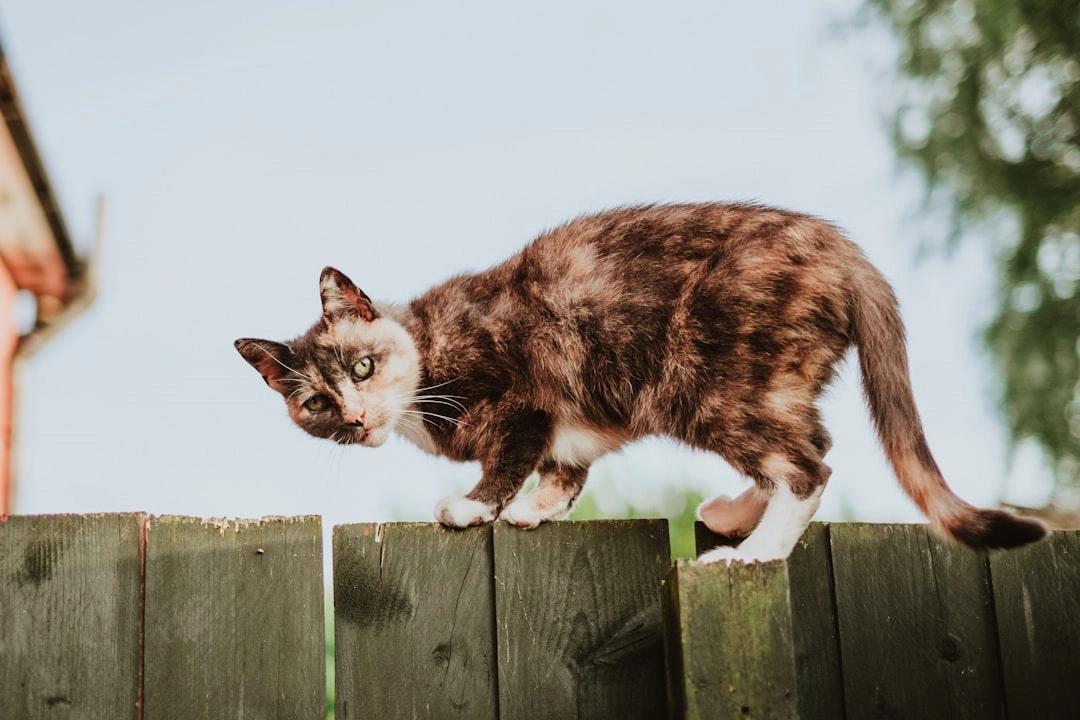
Enhancing Your Senior Cat’s Life Through Training
As our feline companions age, their needs and behaviors can change significantly. Senior cats, typically defined as those over the age of 11, often experience a variety of physical and psychological changes that can impact their overall wellbeing. Understanding these changes is crucial for pet owners who want to ensure their beloved cats remain happy and healthy in their golden years. One effective way to support your senior cat is through tailored training strategies that cater to their unique needs. This blog will explore smart training tips specifically designed for senior cats, focusing on how to enhance their quality of life while addressing any behavioral challenges that may arise.
Did you know that many senior cats can still learn new tricks and behaviors, despite common misconceptions that older animals are set in their ways? In fact, engaging your senior cat in training can provide mental stimulation, strengthen your bond, and even help alleviate some age-related issues. Whether it’s teaching them to respond to their name, encouraging them to use a scratching post, or introducing new play activities, training can be a rewarding experience for both you and your feline friend.
In this blog, we will delve into the importance of understanding your senior cat’s behavior, the basics of feline psychology, and how to implement effective training strategies that respect their unique needs. By fostering a positive environment and utilizing gentle training techniques, you can help your senior cat thrive during this important stage of their life.
Decoding Your Senior Cat’s Behavior
Understanding the behavior of senior cats is essential for effective training and care. As cats age, they may exhibit changes in their behavior due to various factors, including health issues, cognitive decline, and shifts in their environment. Recognizing these changes can help you adapt your training methods and provide the support your cat needs.
One of the most significant aspects of feline behavior is their natural instincts. Cats are instinctual hunters, and even senior cats retain some of these predatory behaviors. They may still enjoy stalking and pouncing on toys, which can be a great way to engage them in play. However, as they age, their energy levels may decrease, and they may not be as agile as they once were. This is where understanding their limitations becomes crucial. Tailoring play sessions to accommodate their physical abilities can help keep them active without causing undue stress or injury.
Common behaviors in senior cats can also include increased vocalization, changes in grooming habits, and altered eating patterns. For instance, some senior cats may become more vocal as they seek attention or express discomfort. Others may groom less frequently, leading to matting or skin issues. It’s essential to monitor these behaviors closely and consult with a veterinarian if you notice any significant changes, as they could indicate underlying health problems.
Additionally, senior cats may develop new habits, such as increased scratching or litter box avoidance. Understanding the reasons behind these behaviors can help you address them effectively. For example, if your cat is scratching furniture, it may be a sign that they need a more suitable scratching surface or that they are feeling stressed. Providing appropriate outlets for their natural behaviors can help reduce unwanted actions and promote a harmonious living environment.
Another important aspect of understanding your senior cat’s behavior is recognizing the impact of cognitive decline. Some older cats may experience a condition known as feline cognitive dysfunction (FCD), which is similar to dementia in humans. Symptoms can include disorientation, disrupted sleep patterns, and changes in social interactions. If you suspect your cat may be experiencing cognitive decline, it’s essential to consult with your veterinarian for guidance on managing their condition and implementing training strategies that can help stimulate their minds.
In summary, understanding your senior cat’s behavior is key to providing effective training and care. By recognizing their natural instincts, monitoring changes in behavior, and being aware of potential cognitive decline, you can create a supportive environment that enhances their quality of life. In the following sections, we will explore specific training strategies that can help you engage your senior cat while addressing any behavioral challenges they may face.
Empowering Your Senior Cat Through Training
Training is not merely for kittens or younger cats; it is a critical component of any cat’s life, especially as they age. Many pet owners believe that training older cats is a lost cause, but that could not be farther from the truth. Training senior cats can enhance their quality of life, alleviate stress, and reinforce the bond between pet and owner. By employing effective training strategies, you can encourage desired behaviors that make your home a harmonious and enriching environment for your feline friend.
One of the primary benefits of training senior cats is the promotion of mental stimulation. Just like humans, cats can benefit from exercising their brains. Training offers an outlet for mental engagement through interactive exercises, puzzles, or even basic commands such as “sit” or “paw.” Not only does this keep your cat active and engaged, but it can also help combat cognitive decline—a common concern in older felines.
Another significant advantage of training for senior cats is addressing behavioral issues. Many seniors develop new behaviors as they age, often due to changes in health or cognition. Through training, pet owners can redirect unwanted behaviors like increased vocalization, territorial disputes, or litter box issues towards more appropriate outlets. Since behavioral challenges may become amplified as health conditions arise, incorporating effective training strategies can provide not just solutions but also bolster your relationship with your cat.
In implementing training techniques with senior cats, the most impactful method remains positive reinforcement. This involves rewarding your cat for displaying good behavior instead of punishing them for misbehavior. Reinforcements could include treats, praise, or affection—essentially anything that your cat values. Using a calm voice, gentle touch, and focusing on treats can ensure your cat remains engaged and receptive during training sessions. Simplicity is key, and opting for short, frequent sessions—around 5 to 10 minutes—often works best, as seniors can become tired more quickly.
Since senior cats might possess ingrained behaviors from their younger years, it’s important to approach training delicately, bearing in mind that patience and consistency are essential. Shifting focus to gradual adaptations rather than forcing complex commands or tricks allows a sense of trust and encourages relaxed engagement without anxiety or stress that may arise during intense training methods.
Outdoor activities, such as harness training, are also a unique way to allow cats to engage with the environment under supervision while offering varying experiences. Cats naturally possess a curiosity for exploring; therefore, training them to walk on a leash not only enhances physical activity but also caters to their mental requirements. Integrating soft variations—transitioning from indoors to selected safe outdoor experiences—will empower older cats to enjoy such exciting trips.
Tackling Behavioral Challenges in Senior Cats
As our beloved feline friends age, they become increasingly vulnerable to behavioral challenges that stem from a variety of underlying issues. Acknowledging that these hurdles are common among senior cats provides reassurance for pet owners while guiding them in seeking solutions. Knowing when and how to tackle these challenges can play a critical role in your cat’s well-being, alleviating worries for both of you.
Some common behaviors in senior cats may include increased aggression, decreased grooming habits, litter box issues, or heightened vocalization. Aggression can arise from fear or discomfort, prompting an unexpected defensive response. Addressing aggression in senior cats necessitates monitoring your feline’s health closely to identify sources of pain or illness. Validating this underlying premise leads to proper management by engaging a professional consultation, seeking advice, and implementing safer home scenarios.
Another issue senior cat owners often face relates to litter box avoidance. Feline senior citizens may experience joint discomfort, complicating their ability to access litter boxes, therefore relocating to unavailable venues. Counteractive steps include exploring the accessibility of litter boxes; implementing a low-height litter box provides an escape option catering to weakened mobility. Multiple bathrooms in varying locations might improve consistency while permitting preferences without sudden hesitation. Make sure the box is clean and in a quiet environment to encourage its use.
Cognitive dysfunction syndrome (CDS) often emerges in senior felines, causing behavior changes, such as confusion and disorientation. Symptoms may include lack of awareness regarding feeding times, disrupted sleep habits, or changes in interactions. Consulting with your veterinarian will foster professional input, enabling exploration of dedicated dietary supplements, medicinal intervention, or behavioral therapies aimed to provide optimal health standards paired with the little lessons of progress ensuing reward-driven basics.
Most importantly, when severe behavioral issues arise, seeking professional guidance is paramount. Veterinary behaviorists or experienced trainers specializing in feline training present external expert resources in providing resolution steps adapting to your cat’s nuanced shifts. Given ample strategies—for cognition feedback, environmental structuring, or adverse incident scenarios from achievable self-efforts—strategic backup authenticates worthwhile directions and paves successful support paths towards sustainable reassurances along the shared journeys.
In summary, engaging with and training senior cats through tailored, reward-oriented strategies can ignite remarkable chances for encouraging positive behaviors while supporting the unique challenges associated with aging. If faced with behaviors of concern impacting wellness or comfort, venture quickly toward unlocking essential cohabitation levels creating versatile guarantees through simplified cooperative schedules as travel mates soaring lifetimes of relationship together.

Engaging Activities for Your Senior Cat’s Happiness
As cats age, it becomes increasingly vital to keep them mentally and physically stimulated. Senior cats, like their younger counterparts, require regular engagement to maintain their health and happiness. Enrichment activities not only keep them active but also help prevent behavioral issues that can arise from boredom or inactivity. By incorporating a variety of enriching experiences into your senior cat’s daily routine, you can promote their overall well-being and quality of life.
Mental stimulation is just as crucial as physical exercise for senior cats. As they age, their cognitive abilities may decline, leading to conditions like feline cognitive dysfunction syndrome (CDS). Engaging activities can help slow down this decline by keeping their minds sharp. Puzzle toys, for instance, can be an excellent way to challenge your cat’s intellect. These toys require your cat to figure out how to access treats or toys hidden inside, providing both mental and physical engagement.
Interactive play is another fantastic way to enrich your senior cat’s life. Use feather wands, laser pointers, or even simple string toys to engage their natural hunting instincts. However, it’s essential to adapt play sessions to suit their physical capabilities. Older cats may not have the same energy levels or agility as they once did, so shorter, more frequent play sessions are advisable. Monitor their activity level and ensure they don’t overexert themselves, allowing plenty of time for rest and recovery.
Environmental enrichment is also vital for your senior cat’s well-being. Consider providing a variety of perches, scratching posts, and cozy hiding spots. Cats love to observe their surroundings, so creating vertical spaces allows them to climb and explore at their own pace. Cat trees, shelves, or window perches can provide your senior cat with a vantage point to watch birds or passersby, offering both entertainment and exercise.
In addition to physical and mental activities, social interaction is crucial for a senior cat’s emotional well-being. Spend quality time with your cat by petting, grooming, or simply sitting together. This not only strengthens your bond but also provides them with a sense of security and companionship. For those with multiple pets, ensure that all animals are comfortable with each other, and monitor their interactions to prevent stress or territorial disputes.
Lastly, consider incorporating gentle training exercises into your senior cat’s routine. Simple commands or tricks can stimulate their minds while reinforcing your bond. Use positive reinforcement techniques, such as treats or praise, to encourage participation. Training can be a fun and rewarding way to keep your senior cat engaged and mentally active.
Clearing Up Myths About Senior Cat Care
One prevalent misconception is that senior cats cannot learn new tricks or behaviors. While it’s true that older cats may take longer to adapt, they are certainly capable of learning. Just like younger cats, seniors can benefit from training sessions that incorporate positive reinforcement. Using treats and praise, you can teach them new commands or even simple tricks. The key is to be patient and adjust your training techniques to accommodate their physical and cognitive limitations.
Another common belief is that senior cats are less active and require little to no playtime. In reality, maintaining an active lifestyle is crucial for senior cats. Regular playtime helps prevent obesity, reduces the risk of developing health issues, and keeps their minds sharp. Engaging activities can help mitigate boredom and encourage natural behaviors. It’s essential to find activities that suit your cat’s energy level and physical abilities while still promoting mental and physical stimulation.
Some pet owners also worry that providing enrichment activities will lead to overstimulation or stress for their senior cats. While it’s essential to monitor your cat’s reactions, many senior cats thrive on new experiences and stimulation. Introducing new toys, puzzles, or play sessions gradually can help ensure your cat feels comfortable. Always observe their behavior and adjust activities accordingly, allowing for plenty of downtime as needed.
Another misconception is that senior cats should not be introduced to new environments or experiences. While it’s true that changes can be stressful for older cats, with the right approach, you can help them adapt to new situations. Slowly introducing them to new environments, people, or even other pets can make the transition smoother. Create a safe space where they can retreat if they feel overwhelmed, and give them time to adjust at their own pace.
Lastly, some pet owners believe that senior cats do not require regular veterinary check-ups once they reach a certain age. On the contrary, regular veterinary visits are essential for monitoring their health and addressing any emerging issues. Senior cats are more susceptible to various health conditions, so early detection can significantly improve their quality of life. Regular check-ups allow your veterinarian to assess their overall health, recommend dietary changes, and provide vaccinations or preventive care as needed.
In conclusion, understanding the importance of enrichment and addressing common misconceptions about senior cat care is crucial for promoting their well-being. By engaging your senior cat in mentally and physically stimulating activities, you can enhance their quality of life and help them thrive in their golden years. Always be patient, observant, and proactive in your approach, ensuring your feline companion enjoys a fulfilling and happy life.
