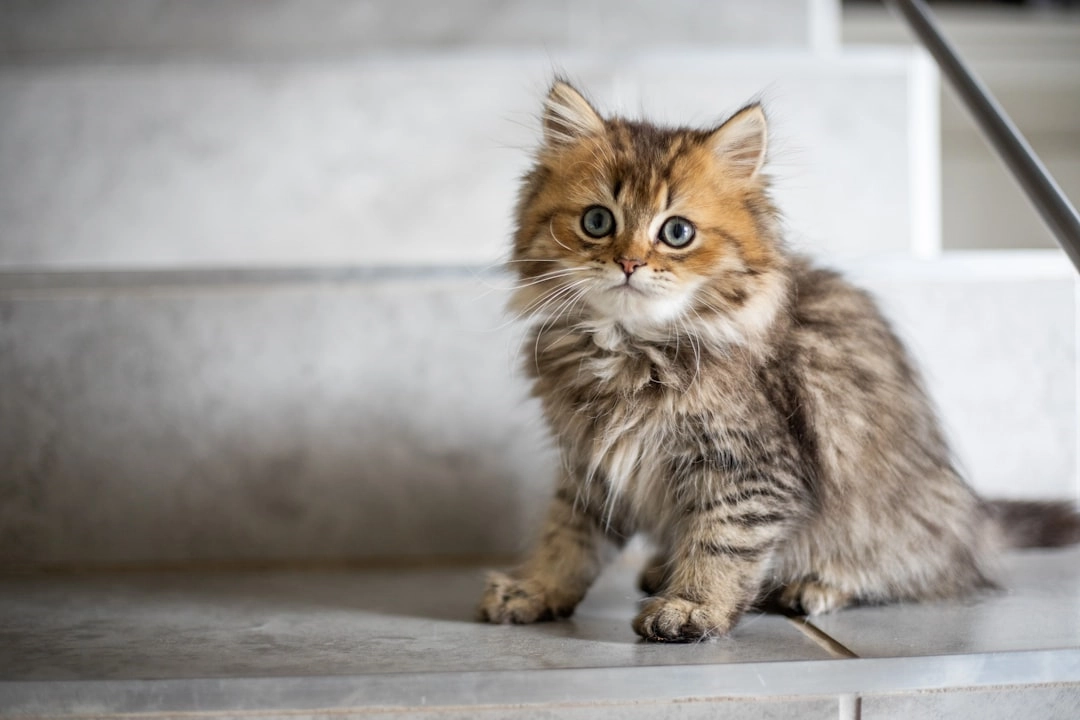
Unraveling the Mystery of Feline Overgrooming
Feline overgrooming is a perplexing behavior that many cat owners encounter, often leaving them puzzled and concerned. Did you know that over 30% of cats may exhibit some form of overgrooming at some point in their lives? This behavior can manifest in various ways, from excessive licking of specific body parts to the development of bald patches and skin irritations. Understanding the underlying causes of this behavior is crucial for pet owners who want to ensure their feline friends remain healthy and happy.
Overgrooming can be a sign of both physical and psychological issues, making it essential to approach the problem with a comprehensive understanding. While some cats may overgroom due to medical conditions such as allergies or skin infections, others may do so as a response to stress, anxiety, or boredom. This blog aims to explore the various reasons behind feline overgrooming and provide effective solutions to help your cat overcome this behavior.
Decoding Feline Behavior: The Psychology Behind Overgrooming
To effectively address feline overgrooming, it is vital to understand the basic instincts and behaviors that drive our cats. Cats are inherently creatures of habit, and their behaviors are often rooted in their evolutionary history. In the wild, cats groom themselves to maintain hygiene, regulate body temperature, and strengthen social bonds. However, when this grooming behavior becomes excessive, it can indicate underlying issues that need to be addressed.
One of the primary reasons for overgrooming is stress. Cats are sensitive animals, and changes in their environment—such as moving to a new home, the introduction of a new pet, or even changes in their owner’s routine—can trigger anxiety. This stress can lead to compulsive behaviors, including overgrooming, as a coping mechanism. Understanding your cat’s environment and identifying potential stressors is crucial in addressing this behavior.
Another factor to consider is boredom. Cats are natural hunters, and without adequate stimulation, they may resort to overgrooming as a way to occupy themselves. Providing enrichment through interactive toys, climbing structures, and regular playtime can help alleviate boredom and reduce the likelihood of overgrooming.
Additionally, some breeds may be more prone to certain behaviors than others. For instance, Siamese and Burmese cats are known for their vocal and social nature, which may lead them to seek more interaction and stimulation. Understanding breed-specific behaviors can help owners tailor their approach to meet their cat’s unique needs.
Physical health issues can also play a significant role in overgrooming. Conditions such as allergies, skin infections, or even pain from underlying medical issues can lead to excessive grooming as cats attempt to soothe themselves. Regular veterinary check-ups are essential to rule out any medical concerns that may be contributing to this behavior.
In summary, understanding feline behavior is key to addressing overgrooming effectively. By recognizing the natural instincts of cats, identifying potential stressors, providing adequate enrichment, and ensuring their physical health, pet owners can help their feline companions overcome this challenging behavior. In the following sections, we will delve deeper into practical solutions and strategies to manage and reduce overgrooming in cats.
Essential Training Techniques for Cats Battling Overgrooming
Understanding the significance of proper training for cats can dramatically affect their overall well-being, particularly in cases where overgrooming becomes a concern. While we often think of training as something that applies mainly to dogs, cats also benefit immensely from learning, particularly in behavioral modification. Establishing good habits and encouraging desirable behaviors can greatly lessen the instances of stress-related activities such as excessive grooming. Feline training fosters better communication between pet and owner, increasing trust and security.
So why is training essential for cats battling overgrooming? Firstly, effective training strategies emphasize positive reinforcement methods. These techniques focus on rewarding desired behaviors rather than punishing undesirable ones. When a cat learns that good behavior results in pleasant experiences—whether through treats, praise, or play—they are more likely to repeat that behavior. Implementing these principles helps to establish a rewarding and stimulating environment conducive to mental and emotional health.
Starting with basic command training is beneficial for all cats, even if you don’t expect them to perform complex tricks. Basic commands like “sit,” “stay,” or “come” help create a structure that can lead to a harmonious coexistence. As the cat starts to master basic commands, you can employ these as distractions to steer their attention away from unnecessary grooming habits when they begin showing the signs of overgrooming.
Training sessions should be engaging and short. To initiate positive engagement, owners can utilize clicker training as a specific form of positive reinforcement. It enables the cat to associate the click sound with praise or a treat immediately. Engaging in interactive play with teaser toys or wands not only serves as an opportunity for them to bond with their owner but can also occupy their time, redirecting the energy they would have spent overgrooming.
Additionally, introducing puzzle feeders or activity stations offers cognitive stimulation, which can help alleviate some of the boredom and anxiety that contribute to overgrooming. Training includes integrating these methods into a daily routine, always ensuring to practice patience. Training cats is not one-size-fits-all; what works wonderfully for one might need adjustment for another. Therefore, meticulously monitoring their emotional cues during training is fundamental to success.
Tackling Overgrooming: Addressing Behavioral Challenges
The solutions to addressing overgrooming are multi-faceted and should involve a combined approach comprising training, understanding physical health, and utilizing environmental adjustments. Taking the time to assess what behavioral issues trigger overgrooming provides invaluable insights. Monitoring your cat’s actions immediately after experiencing any changes in their environment or routine aids in finding root causes. For example, if you recently got a new pet or moved, ensure the existing pets do not feel displaced or threatened, as these can exacerbate anxiety leading to overgrooming.
Reevaluating your living situation from the cat’s perspective also becomes crucial; environments full of sudden loud noises, alterations in human routines, or even moving furniture can set a cat off. It is essential to remove stressors while introducing comforting measures—this can mean creating a quiet sanctuary for your feline companion with relaxing music or the strategic use of pheromone diffusers that can help soothe the cat.
Stress due to underlying medical conditions should also not be overlooked in attempts to address behavioral challenges. Frequent trips to the veterinarian to conduct thorough physical examinations become essential. Rule out any possible allergies or skin infections requiring timely treatment that could alleviate distress and, by extension, overgrooming. Sometimes medications, dietary adjustments, or therapeutic actions may be recommended, emphasizing the necessity of achieving good physical health prior to effectively addressing behavior.
In some instances, environmental enrichment becomes key to breaking the cycle of excessive grooming. Providing engaging experiences like scratching posts, climbing furniture, and interactive toys are excellent ways to offer constructive alternatives. Introducing semi-structured play can stimulate mentally, reducing grooming as a coping mechanism through healthy distractions. Furthermore, activities that replicate hunting behaviors reinforce mental engagement. These active remedies coexist with consistency in interventions for long-term effectiveness in discouraging negative behaviors.
Should attempts at managing these behaviors continue yielding limited results, seeking professional assistance becomes an effective step. Feline behaviorists or animal therapists possess specialized knowledge to guide owners through intricate solutions tailored specifically for their cats. Therapy recommendations can vary based on particular emotional issues, leading to custom solutions for heightened and resolvable distress through their professional toolbox of strategies.
In summary, bridging a holistic approach focusing on structured training methods as well as thoroughly understanding and addressing the root behavioral issues paves a pathway toward resolution for overgrooming. Engaging the cat through new stimulations, paying attention to emotional cues, regular veterinary visits, and knowing when to seek professional help can elevate both emotional states for cats struggling with these complex problems.

Boosting Feline Happiness: The Role of Enrichment and Play
Creating an engaging environment for your cat is crucial in preventing and addressing overgrooming behavior. Cats, being naturally curious and playful creatures, thrive on mental and physical stimulation. Without adequate enrichment, they can quickly become bored or anxious, leading to undesirable behaviors such as excessive grooming. Therefore, understanding the importance of enrichment and play can significantly improve your cat’s quality of life and reduce stress-related issues.
Mental stimulation is essential for cats, as it keeps their minds sharp and engaged. Activities that challenge their cognitive abilities—such as puzzle toys or treat-dispensing devices—can be excellent tools for keeping your feline entertained. These toys not only engage your cat’s problem-solving skills but also encourage them to work for their food, mimicking the natural hunting behavior they would exhibit in the wild. This form of enrichment can be particularly effective in reducing boredom and anxiety, both of which are known contributors to overgrooming.
Physical play is equally important. Engaging your cat in interactive play sessions helps to satisfy their instinctual need to hunt and pounce. Using toys like feather wands or laser pointers can simulate the thrill of a chase, providing an outlet for their energy. It’s recommended to have daily play sessions, as this not only strengthens the bond between you and your cat but also allows them to release pent-up energy that might otherwise lead to destructive behaviors.
In addition to interactive play, providing various forms of enrichment can help maintain your cat’s mental health. Scratching posts, climbing trees, and hideaways allow cats to express their natural behaviors. They can scratch to keep their claws healthy, climb to survey their territory, and hide to feel secure. By incorporating these elements into your home, you can create a stimulating environment that encourages exploration and reduces the likelihood of overgrooming.
It’s also essential to rotate toys regularly to keep your cat’s interest piqued. Just as humans can grow tired of the same old routine, so too can cats. Introducing new toys or moving existing ones around can make old favorites feel fresh again. Additionally, you can consider using scent enrichment, such as catnip or herbal blends that stimulate their senses and encourage play. Cats have a strong sense of smell, and engaging them through scents can add an extra layer of enrichment to their environment.
In summary, enriching your cat’s environment through mental and physical stimulation is a proactive approach to preventing overgrooming and other behavioral issues. By providing a variety of engaging activities and ensuring they have the opportunity to play, you can help your cat lead a happier, healthier life, free from the compulsions that may arise from boredom or stress.
Clearing Up Confusion: Common Misunderstandings About Cat Overgrooming
Overgrooming in cats is often surrounded by misconceptions that can lead to confusion among pet owners. Understanding the facts can empower cat owners to take appropriate actions to help their furry friends. One of the most common misconceptions is that overgrooming is simply a sign of bad behavior or attention-seeking. In reality, it is often a complex response to stress, anxiety, or underlying medical conditions. Recognizing this can shift the focus from punitive measures to supportive and corrective actions.
Another frequent question is whether all cats that groom excessively have a medical issue. While it is true that overgrooming can be a symptom of health problems, such as allergies or skin infections, it can also arise from behavioral triggers like stress or boredom. It’s essential to consult a veterinarian to rule out medical issues, but also to observe your cat’s environment and behavior for signs of anxiety or boredom that may contribute to the overgrooming.
Many cat owners may also wonder if they should intervene when they see their cat grooming. While grooming is a natural behavior for cats, it becomes a concern when it becomes excessive or leads to bald patches or skin irritation. If you notice your cat spending an unusual amount of time grooming a specific area, it is vital to assess the situation. Providing environmental enrichment and engaging your cat in play can help redirect their focus, but if the behavior persists, seeking veterinary advice is recommended.
Some people believe that only indoor cats experience overgrooming issues. However, even outdoor cats can develop behavioral problems that lead to excessive grooming, particularly if they experience stressors such as territorial disputes or changes in their environment. Regardless of whether your cat is indoor or outdoor, creating a safe and enriched environment is crucial for their mental health.
Lastly, a common myth is that all overgrooming is a sign of a mental disorder. While it can be associated with compulsive behaviors, not every instance of overgrooming indicates a severe psychological issue. Cats may engage in this behavior for various reasons, including stress relief, comfort, or even boredom. Addressing the root cause, whether it be behavioral or medical, is essential for effectively managing overgrooming.
In conclusion, being informed about the facts surrounding cat overgrooming can help owners better understand their pets’ needs and behaviors. By clearing up misconceptions and focusing on creating a supportive and enriched environment, cat owners can play a significant role in preventing overgrooming and promoting their feline companions’ overall well-being.
