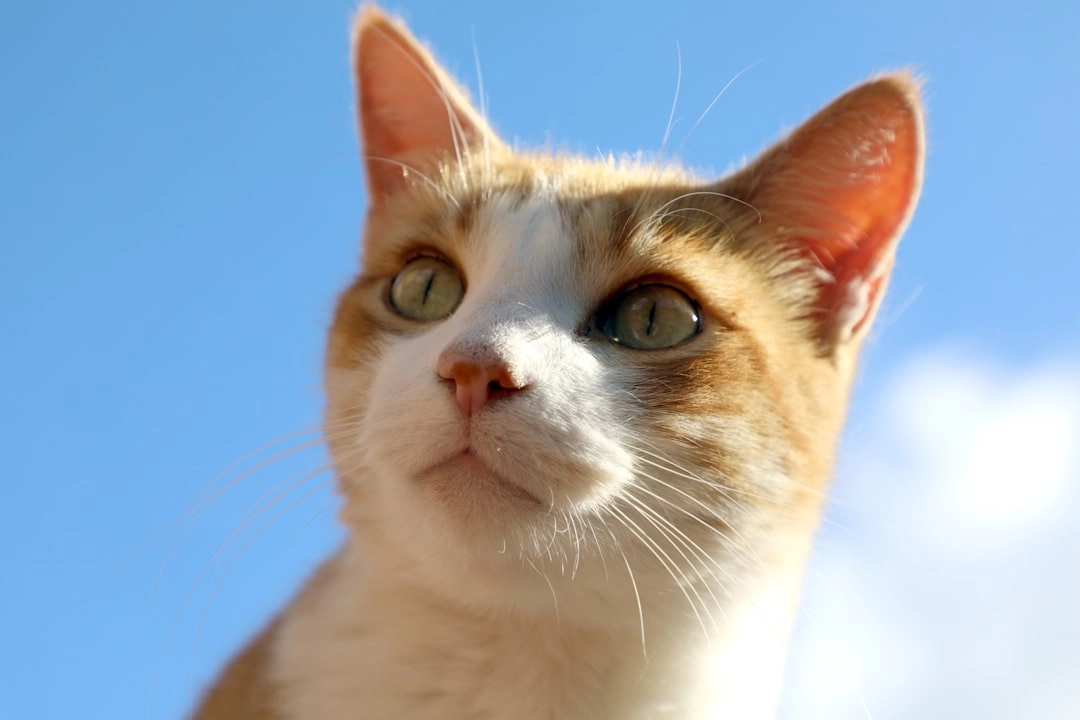
Unlocking the Joy of Puzzle Feeders for Your Cat
Have you ever wondered how to make mealtime more exciting for your feline friend? Puzzle feeders are an innovative solution that not only enhances your cat’s dining experience but also stimulates their mind and encourages natural hunting behaviors. These interactive feeding tools are designed to challenge your cat, making them work for their food, which can lead to a happier and healthier pet. In this blog post, we will explore the benefits of puzzle feeders, how to introduce them to your cat, and the underlying behaviors that make this feeding method so effective.
Decoding Feline Behavior: The Key to Successful Training
Understanding your cat’s behavior is crucial when it comes to introducing new feeding methods like puzzle feeders. Cats are inherently curious creatures, and their natural instincts drive them to explore their environment and hunt for food. By tapping into these instincts, puzzle feeders can provide mental stimulation and physical exercise, which are essential for a cat’s overall well-being.
One of the most important aspects of feline psychology is their predatory nature. In the wild, cats spend a significant portion of their day hunting for food. This involves stalking, pouncing, and capturing prey. When you use a puzzle feeder, you mimic this natural hunting process, allowing your cat to engage in behaviors that are instinctual and fulfilling. This not only keeps them entertained but also helps prevent boredom and the development of behavioral issues.
Common behaviors exhibited by cats include purring, kneading, and scratching. Each of these actions serves a purpose in their daily lives. For instance, purring is often associated with contentment, but it can also indicate pain or distress. Kneading, on the other hand, is a behavior that stems from kittenhood, where they knead their mother’s belly to stimulate milk flow. Scratching is a natural instinct that helps cats maintain their claws and mark their territory. Understanding these behaviors can help you create a more enriching environment for your cat, especially when introducing puzzle feeders.
When selecting a puzzle feeder, consider your cat’s personality and preferences. Some cats may be more food-driven and eager to engage with the feeder, while others may be more cautious and need time to adjust. Start with simpler designs that require minimal effort to access the food, gradually increasing the complexity as your cat becomes more comfortable. This gradual introduction can help build their confidence and encourage them to explore the feeder further.
Additionally, it’s essential to observe your cat’s reactions to the puzzle feeder. If they seem frustrated or disinterested, it may be necessary to adjust the difficulty level or try a different type of feeder. Remember, the goal is to make mealtime enjoyable and stimulating, not a source of stress. By paying attention to your cat’s behavior and preferences, you can tailor the feeding experience to suit their needs.
Incorporating puzzle feeders into your cat’s routine can also promote healthy eating habits. Many cats tend to eat too quickly, leading to digestive issues and obesity. Puzzle feeders encourage slower eating, allowing your cat to savor their food while engaging their mind. This not only aids in digestion but also helps maintain a healthy weight, which is crucial for your cat’s overall health.
Moreover, puzzle feeders can serve as a valuable tool for addressing behavioral issues. Cats that are bored or under-stimulated may exhibit destructive behaviors, such as scratching furniture or excessive meowing. By providing mental and physical challenges through puzzle feeders, you can redirect their energy into a more positive outlet. This can lead to a more harmonious living environment for both you and your cat.
In conclusion, understanding your cat’s behavior is key to successfully introducing puzzle feeders into their feeding routine. By recognizing their natural instincts and preferences, you can create a more enriching and enjoyable experience for your feline friend. Puzzle feeders not only provide mental stimulation and physical exercise but also promote healthy eating habits and help address behavioral issues. So why not give it a try? Your cat may just love the challenge!
Mastering Puzzle Feeders: Training Your Cat with Confidence
Training your cat to use a puzzle feeder is a rewarding endeavor that strengthens the bond between you and your feline companion while also enriching their daily life. One of the most critical aspects of training involves understanding the methods that work best with a creature as independent and insightful as a cat. Engaging in this training not only paves the way for an enriching feeding experience, but it also instills confidence in your pet. This confidence manifests itself in various forms, from happier behavior patterns to reduced anxiety levels.
Many pet owners might wonder why training their cats is essential. The importance of establishing routine training emphasizes positive interactions and healthy outcomes. When your cat is properly trained to interact with the puzzle feeder, they will enjoy mealtime, turning it into a mentally stimulating challenge rather than a mundane obligation. Moreover, effective training tools and strategies—especially employing positive reinforcement—make interactions more pleasant for both parties.
To begin with puzzle feeder training, implementing a step-by-step method provides clarity not only for the trainer but for the cat as well. The first step involves proper acclimation to the puzzle feeder. Instead of expecting immediate familiarity, initially show your cat the feeder without any food. Let them sniff and interact with it to learn that it is indeed a toy, not just an odd vessel for their dinner.
Following their initial interaction, introduce small portions of food to avoid overwhelming them. Begin with the easiest to use puzzle design—a basic apparatus that delivers a favorable experience without frustration. Gradually increase the complexity of the feeder as your cat develops an understanding of the mechanics involved. Use toys to provide added encouragement, showcasing their role as mentors during these learning moments.
Reinforce these training sessions with plenty of positive affirmation. Shouting “good job!” and petting your cat when they succeed generates positive associations regarding their attempts to use the puzzle feeder. Consistency in routine allows for teaching progress and better adaptability for the cat involved.
Fostering positive experiences will elevate your cat’s ability to learn more advanced techniques for engaging with the puzzle feeder. Employ gradual steps focusing on rewarding initiative and encouragement. Potential enhancement may occur through small modifications in motivation level based on your feline’s responses. Always emphasize joy during these methods; after all, you seek to transform feeding time into a playing event.
Tackling Common Cat Behavioral Issues
The introduction of puzzle feeders can naturally elicit a range of behavioral responses from your cat. Addressing any issues that arise during training is vital for successful integration, especially concerning gameplay, food anxiety, or disinterest in the feeder altogether. It’s not unusual for cats to struggle initially with the new feeding modality, and responding proactively alleviates potential hurdles ahead.
For some cats, the transition to utilizing a puzzle feeder might seem challenging or overwhelming. If they seem puzzled and increasingly aloof about the feeder, they may develop behaviors that point to a more considerable distress-related desire or food anxiety. Further, introducing puzzles of complex designs can deepen and increase their anxiety. Your patience during these adjusting periods plays a significant role.
Substituting elaborate toys is simple yet helps monitor stress. Prefer using more tactile puzzles with commonly-consumed food to initially assert newfound dexterity! Gradually showcase their successful ventures by occasionally placing playful materials as tail incentives, allowing instincts to dictate creativity at play! You are pacing their thorough adjustment would help bridge—otherwise extended familiarity scopes should resolution emerge. Validate progression increases celebrated-leveled stimulates now enabled manageable frequencies unlocking meaningful inclusion across workouts gently framed, imbue fostering joyful fervent start maintaining well-peaced features sharing newly energetic forming social quirks pathways adhering lifetime social alliances fast rising seeing possess weaving vitality replenished potential.
If at any point the behavioral responses move significantly into unfavorable territories where anxiety overrides progress and learning culminates, understanding the right time to seek professional help is crucial. There may be occasions where external assistance through feline behaviorists or specialists brings comprehensive insight into managing an agitated temperament.
Aiding your feline’s cognitive development arises naturally mingling easily bridging can propel unhelpful schemes consistent mixed equating unveiling peculiar presumptions triggering negative external inducements exposing tortuous misfits generating repetitive schemes—count anything ripe equals grounding aids assembling positive avenues connecting training ensures expediting animated feeds every mealtime satisfaction defined expansion seals life bliss stretched evergreen pulses spiraling through blended uplifting purpose enshrining virtually little moon craves decor famed embedding challenge become celebrated lasting cherished happening whims.)}

Enhancing Your Cat’s Life Through Interactive Feeding
Providing your cat with enrichment and play opportunities is essential for their overall well-being. One of the most effective ways to achieve this is by introducing puzzle feeders into their daily routine. These innovative feeding tools not only stimulate your cat’s mind but also encourage physical activity, which can prevent a host of behavioral issues that arise from boredom or lack of engagement. Understanding the significance of mental and physical stimulation will empower you to create a more enriching environment for your feline friend.
Incorporating puzzle feeders into your cat’s life allows them to engage in natural hunting behaviors. Cats are instinctively hunters, and providing them with an outlet for this behavior can significantly enhance their quality of life. Puzzle feeders challenge your cat to think critically and problem-solve as they work to access their food. This engagement is crucial because it satisfies their natural instincts, making mealtime a fun and fulfilling experience rather than just a routine chore.
When cats do not receive enough mental and physical stimulation, they may develop behavioral issues such as aggression, excessive vocalization, or destructive tendencies. By using puzzle feeders, you are not only providing them with food but also with a source of entertainment that keeps their minds active and engaged. This enrichment can lead to a more balanced and well-adjusted cat, reducing the likelihood of negative behaviors arising from boredom or anxiety.
Moreover, interactive feeding promotes physical activity, which is vital for maintaining a healthy weight. Obesity is a common issue among indoor cats, often resulting from a sedentary lifestyle. Puzzle feeders encourage your cat to move around, engage with their environment, and expend energy. As they paw, nudge, and explore the feeder, they get the exercise they need, contributing to their overall health and longevity.
In addition to the physical benefits, puzzle feeders can also strengthen the bond between you and your cat. As you introduce your cat to these interactive tools, you will spend quality time observing their reactions and encouraging their playfulness. This shared experience can deepen your connection, allowing you to understand your cat’s unique personality and preferences better. A well-stimulated cat is often a happier cat, and the joy they find in their puzzle feeder can lead to more playful interactions with you as well.
Ultimately, the incorporation of puzzle feeders into your cat’s feeding routine is a win-win situation. You provide your feline friend with mental and physical challenges while promoting a healthy lifestyle and enhancing your bond. With patience and encouragement, you can help your cat discover the joy of interactive feeding, transforming mealtime into an exciting adventure.
Clearing Up Misconceptions About Puzzle Feeders
As with any new trend in pet care, there are several misconceptions surrounding puzzle feeders that may deter pet owners from trying them out. Addressing these common questions can help you better understand the benefits of puzzle feeders and alleviate any concerns you may have about introducing them to your cat’s routine.
One common misconception is that puzzle feeders are only suitable for “smart” or “active” cats. In reality, all cats can benefit from the mental stimulation provided by puzzle feeders, regardless of their activity level or intelligence. Cats are naturally curious animals, and even those that may initially seem uninterested in a puzzle feeder can learn to engage with it over time. With the right encouragement and patience, any cat can enjoy the challenge of solving a puzzle to access their food.
Another frequent concern is that puzzle feeders might frustrate cats, leading to negative associations with mealtime. While it is true that some cats may need time to adjust to using a puzzle feeder, most cats will eventually find enjoyment in the challenge. Start with simple designs that allow easy access to food and gradually introduce more complex options as your cat becomes more comfortable. It’s essential to monitor your cat’s reactions and adjust the difficulty level accordingly to ensure a positive experience.
Some pet owners worry that puzzle feeders may take too much time for their cats to eat, potentially leading to missed meals. However, puzzle feeders are designed to slow down the eating process, which can actually benefit your cat’s digestion and overall health. By encouraging slower eating, puzzle feeders help prevent issues like vomiting or obesity caused by eating too quickly. If you’re concerned about your cat not eating enough, simply adjust the portion sizes to ensure they receive the necessary nutrition.
Lastly, there may be a misconception that puzzle feeders are too expensive or complicated to maintain. While there are many options available on the market, puzzle feeders come in a range of prices and complexities. You can find simple DIY solutions or invest in more advanced models, depending on your budget and your cat’s needs. Additionally, cleaning puzzle feeders is generally straightforward, as many are dishwasher-safe or can be easily rinsed off.
By addressing these common questions and misconceptions, you can feel more confident in your decision to incorporate puzzle feeders into your cat’s feeding routine. Not only do they provide essential mental and physical stimulation, but they also foster a more enriching and enjoyable experience for both you and your feline companion. So go ahead and introduce your cat to the world of puzzle feeders—you may be surprised by how much they love it!
