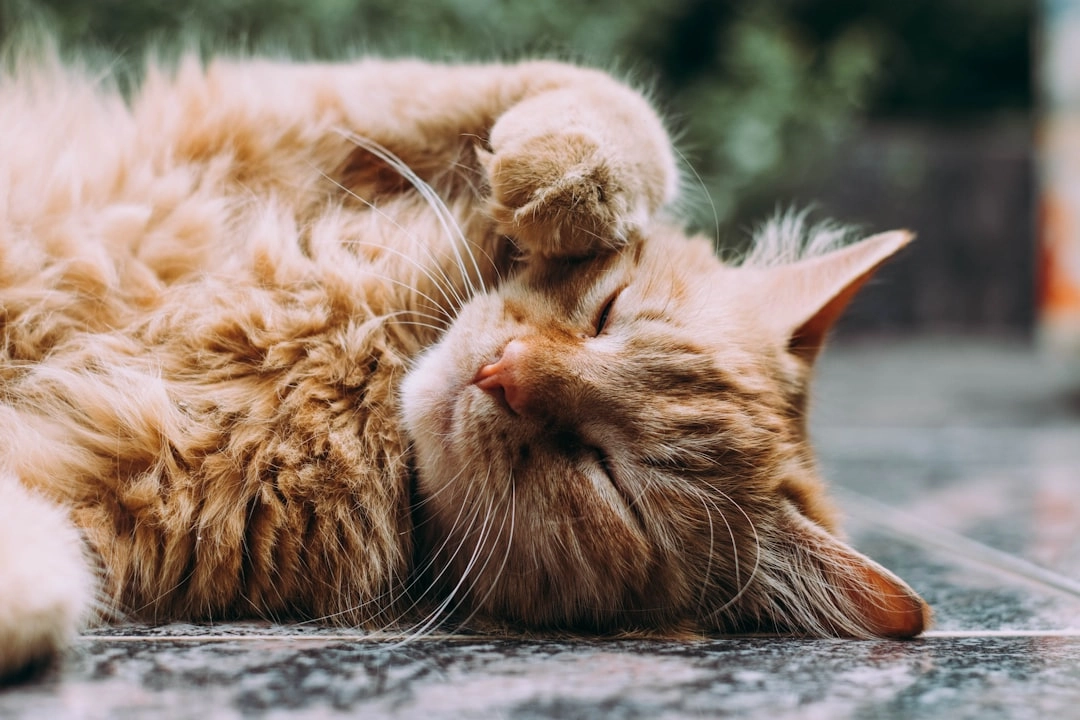
Creating a Peaceful Environment for Your Cat
Training your cat for a calm and happy life is not just about teaching them commands; it’s about understanding their unique needs and behaviors. Cats are often seen as independent creatures, but they thrive in environments where their instincts and emotions are acknowledged and respected. Did you know that a well-trained cat can significantly reduce stress for both the pet and the owner? This is because training fosters a deeper bond and understanding between you and your feline friend. In this blog, we will explore effective training techniques that promote mildness in cats, focusing on their behavior, communication, and the importance of enrichment.
Decoding Feline Behavior: The Key to Training
Understanding your cat’s behavior is crucial for successful training. Cats communicate through a variety of signals, including body language, vocalizations, and even their grooming habits. By learning to interpret these signals, you can better respond to your cat’s needs and create a more harmonious living environment. For instance, a cat that kneads with its paws is often expressing comfort and affection, while a cat that hisses or swats may be feeling threatened or anxious. Recognizing these behaviors allows you to address any issues before they escalate.
One of the fundamental aspects of feline psychology is their natural instincts. Cats are both predators and prey in the wild, which influences their behavior at home. They have a strong hunting instinct, which is why they may pounce on toys or even your fingers during playtime. This instinct can be harnessed during training sessions by incorporating play into the learning process. Using toys that mimic prey can engage your cat’s natural hunting behavior, making training more enjoyable and effective.
Another important factor to consider is the individual personality of your cat. Just like humans, cats have unique temperaments that can affect their behavior. Some cats are naturally more social and outgoing, while others may be shy or reserved. Understanding your cat’s personality can help you tailor your training approach. For example, a more timid cat may require gentle encouragement and patience, while a more assertive cat might respond well to a firmer training style.
Common behaviors such as purring, scratching, and climbing are also essential to understand. Purring is often associated with contentment, but it can also indicate discomfort or stress in some situations. Scratching is a natural behavior that helps cats maintain their claws and mark their territory. Providing appropriate scratching posts and surfaces can help redirect this behavior away from your furniture. Climbing is another instinctual behavior; cats love to explore vertical spaces. Creating a cat-friendly environment with shelves or cat trees can satisfy this need and keep your cat mentally stimulated.
Moreover, breed-specific behaviors can play a significant role in how you train your cat. Different breeds have varying characteristics and tendencies. For instance, Siamese cats are known for their vocal nature and social behavior, while Maine Coons are often more laid-back and gentle. Understanding these breed traits can help you set realistic expectations for training and behavior. It’s essential to research your cat’s breed and adapt your training methods accordingly.
In addition to understanding behavior, creating a positive training environment is vital. Positive reinforcement is one of the most effective training methods for cats. This involves rewarding your cat with treats, praise, or playtime when they exhibit desired behaviors. This approach not only encourages good behavior but also strengthens the bond between you and your cat. Avoid using punishment, as it can lead to fear and anxiety, making training more challenging.
Consistency is another key element in training. Cats thrive on routine, so establishing a regular training schedule can help reinforce learning. Short, frequent training sessions are often more effective than long, infrequent ones. Aim for sessions that last about 5-10 minutes, focusing on one behavior at a time. This keeps your cat engaged and prevents frustration for both of you.
Finally, enrichment plays a crucial role in a cat’s overall well-being. Providing mental and physical stimulation through interactive toys, puzzle feeders, and playtime can help reduce behavioral issues and promote a calm demeanor. Cats are naturally curious and intelligent animals, so keeping their environment stimulating is essential for their happiness. Incorporating training into playtime can also enhance their learning experience, making it fun and rewarding.
In summary, training your cat for a calm and happy life involves understanding their behavior, instincts, and individual personality. By recognizing the natural tendencies of your feline friend and creating a positive training environment, you can foster a strong bond and promote mildness. Remember, patience and consistency are key, and with the right approach, you can help your cat thrive in a loving and supportive home.
Essential Training Techniques for a Happy Feline
Training your cat is vital to fostering a strong bond between you and your furry companion while ensuring a peaceful coexistence in your home. One of the main benefits of training is that it enhances your cat’s well-being by enriching its environment with structured activities and mental stimulation. A well-trained cat is more likely to exhibit desired behaviors, reducing unwanted actions that might disrupt the household or lead to stress for both the animal and the owner.
But why exactly is training so important? For starters, a properly trained cat can understand what you want and expect from it, which establishes a harmonious connection in your relationship. Training not only guides behavior but also increases your cat’s sense of security and belonging. Cats are inherently inclined to respond to clear routines and signals; by reinforcing positive actions, you create an environment that feels safe and accommodating to them.
The importance of training also extends to providing avenues for physical and mental exercise. Indoor cats, in particular, can experience boredom or anxiety due to a lack of stimulation. By incorporating various training techniques such as clicker training or simple commands like sit or high-five, you engage your cat’s mental faculties. Not only does this help in curbing problem behaviors, such as scratching furniture or disruptive meowing, but it also contributes positively to your feline’s overall health.
To begin the training process, it’s helpful to understand the basic principles behind how cats learn. Unlike dogs, cats may not respond enthusiastically to direct instruction; they often prefer a more subtle form of communication. Positive reinforcement is a key method that focuses on rewarding your cat for good behavior rather than punishing unwanted behaviors. This might include verbal praise, treats, or engaging in playtime when they follow a command or exhibit a desired action. Understanding this important principle establishes a culture of trust and collaboration during training sessions.
Establishing a training routine goes a long way in facilitating the learning experience. Scheduling a daily training session that lasts about 5–10 minutes can result in effective learning due to the consistency and focused environment. Depending on your cat’s attention span and motivation, break sessions into smaller chunks to maintain interest without overwhelming your feline friend. Ideal environments for training should be free of distractions, providing an atmosphere of focus where your cat can clearly receive and interpret the cues given.
Keep in mind that consistency is the crucial ingredient in solid training habits. Make certain that all family members understand the commands, signals, and approaches employed to reinforce your cat’s good behavior. Mixed messages only complicate and hinder the learning process for your furry companion. Address specific commands clearly – consider integrating actions or toys alongside verbal praise during the instruction phases. After repeating techniques, your cat will better recognize the behavior through forms of appreciation and will maintain their connection with those outcomes.
Effective Strategies for Managing Behavioral Challenges
Like any creature, cats can sometimes exhibit behaviors that may be undesirable for their environment and, at times, downright puzzling for their owners. When confronted with behavioral issues, it’s essential to first observe your cat’s actions to discern the root of the behavior. Common problematic behaviors might include clawing at furniture, frequent hiding, aggressive behaviors, or litter box issues. Recognizing why these behaviors arise paves the way for effective solutions and helps understand your cat better.
Let’s consider a frequent challenge: inappropriate elimination. A cat’s refusal to use its litter box can result from various factors, including stress, medical conditions, or a dislike for the particular litter used. Consequently, it’s crucial to observe changes in your pet’s routine and environment that might result in behavioral adjustments. Clean and appropriate litter boxes in accessible spots are vital. If significant stressors occur (new pets, houseguests, changes in the environment), returning to familiar routines or medications prescribed by a vet can easily help the issue.
Another common issue is scratching, which, from a natural instinct perspective, serves as a way for cats to maintain their claws while marking territory. Instead of viewing scratching purely as a bad behavior, providing alternative outlets via scratching posts can effectively deter unwanted claw marks on your furniture and rugs. Guide your cat towards suitable scratching options by employing rewarding methods, increasing the appeal of these designated areas with catnip, and being patient throughout their discovery of it.
Managing aggression also forms a significant aspect of behavioral resolution. Conflicts in multi-cat households may provoke anxious or defensive responses. To avoid incidents of violence, ensure that there are ample resources available (water bowls, litter boxes, and play spaces) for each cat. Activities through guided socialization play are beneficial because, at times, assertiveness might arise from periods of boredom, allowing excess energy to spill over into fighting among siblings or competitors.
Determining whether or not professional help is necessary involves honest assessments of behavioral timelines. If behavioral interventions yield no positive results, understanding when to consult with a veterinarian or a certified animal behaviorist is essential. Consulting professionals provides added insights with considerations around training, healthcare (ruling out medical issues), and overall specific demands according to different breeds and personalities. Some cats may harbor psychological disorders requiring fine-tuned approaches and lengthy directed plans for recovery.
Furthermore, understanding your feline friend’s individual personality plays a crucial role in behavior management. Recognizing your cat as not solely an animal subject to observation will deepen and mold your approach by informing tailoring demands or perceived future developments. Furthermore, sensitive observations can aid in improving interactions between each other, denoting support built upon words aimed toward connection rather than mere commands meant solely for discipline.
Training your cat and addressing behavioral issues take dedicated time and patience, combined with empathy for feline nature. Successful communication relies on addressing their emotions and response mechanisms to reach promised environments of peaceful coexistence without unsettled bickering. By focusing on an understanding of natural instincts mixed with nurturing effective strategies, tranquil warmth can reflect sound through practiced partnership, supporting growth within your mutual space.

Engaging Your Cat: The Power of Play and Enrichment
Creating a fulfilling and stimulating environment for your cat is essential for their well-being. Mental and physical enrichment not only enhances your cat’s quality of life but also prevents a range of behavioral issues that can arise from boredom and inactivity. Cats are naturally curious creatures, and they thrive when their environment is enriched with opportunities for exploration, play, and learning. Engaging your cat in activities that stimulate their senses and instincts is key to keeping them happy and healthy.
One of the primary reasons enrichment is so important is that it prevents undesirable behaviors that often stem from boredom. Cats who lack stimulation may engage in destructive activities, such as scratching furniture, excessive meowing, or even aggression. By providing various forms of enrichment, you can redirect their energy towards positive outlets, ultimately leading to a calmer and more content feline companion.
Mental stimulation is crucial for cats, as it helps to keep their minds sharp and engaged. Puzzle toys, for example, challenge your cat to think critically as they work to obtain treats hidden inside. These toys encourage problem-solving skills and can keep your cat occupied for extended periods. Additionally, interactive play with toys that mimic prey—such as feather wands or laser pointers—satisfies their natural hunting instincts, allowing them to express their innate behaviors in a controlled environment.
Physical activity is equally important for maintaining your cat’s overall health. Regular play sessions help to keep your cat fit, preventing obesity and related health issues. Establishing a routine that incorporates playtime not only helps your cat burn off excess energy but also strengthens the bond between you and your pet. Engaging in interactive play for just 15-20 minutes a day can significantly enhance your cat’s happiness and well-being.
Creating an enriched environment also involves providing vertical spaces for climbing and exploring. Cats are natural climbers and enjoy perching on high surfaces to observe their surroundings. Cat trees, shelves, or even safe window perches allow your cat to satisfy their curiosity and feel secure while they survey their territory. These vertical spaces can help reduce stress and provide a sense of safety, contributing to a calm and happy life.
Moreover, introducing new toys and rotating them regularly can keep your cat’s interest piqued. Cats can quickly lose interest in toys that they see every day, so having a selection of toys that you can swap out will keep playtime exciting and fresh. Incorporating various textures, sounds, and movements into their play can further enhance their experience and encourage exploration.
Finally, incorporating environmental enrichment such as scratching posts, cozy hiding spots, and engaging scents (like catnip or silver vine) can provide additional layers of stimulation. Each cat has unique preferences, so observing your pet’s reactions can help you tailor their enrichment activities to suit their individual needs. The more engaged and stimulated your cat is, the more likely they are to exhibit calm and positive behaviors.
Debunking Myths: Your Cat’s Behavior and Needs
As cat owners, we often encounter various misconceptions about feline behavior and care. It’s essential to address these myths to foster a better understanding of our pets and their needs. Clearing up these common questions can lead to more informed decisions that positively impact our cats’ lives.
One prevalent misconception is that cats are low-maintenance pets that do not require much attention or interaction. While it is true that cats are more independent than dogs, they still need social interaction and mental stimulation to thrive. Ignoring your cat’s need for companionship can lead to feelings of loneliness and boredom, which can manifest in behavioral issues. Spending quality time with your cat, engaging in play, and providing enrichment activities are essential for their happiness.
Another common belief is that all cats dislike water. While many cats may be hesitant around water, this is not universally true. Some breeds, like the Maine Coon or the Turkish Van, are known for their affinity for water and may even enjoy playing in it. Introducing your cat to water gradually and positively can help dispel this myth, as some cats can learn to enjoy water-related activities.
Additionally, many people believe that a cat’s purring always indicates contentment. While purring is often a sign of a happy cat, it can also indicate discomfort or stress in certain situations. Understanding your cat’s body language and context is crucial for accurately interpreting their feelings. Observing their behavior in conjunction with purring can provide a clearer picture of their emotional state.
Furthermore, there is a misconception that all cats are solitary animals. In reality, many cats thrive in social settings, whether that means interacting with their human companions or living harmoniously with other pets. Some cats are naturally more social than others, and their personalities play a significant role in how they interact with others. Ensuring that your cat has opportunities for socialization can enhance their quality of life and overall well-being.
Finally, many owners believe that providing food and shelter is enough for a cat’s well-being. While these are essential components of care, mental and physical stimulation is equally important. Enrichment activities, playtime, and social interaction are vital for a happy and healthy cat. Providing a stimulating environment and meeting your cat’s emotional needs will help them thrive and maintain a calm demeanor.
In conclusion, understanding the importance of enrichment and play, as well as debunking common misconceptions about feline behavior, is essential for creating a happy and fulfilling life for your cat. By providing a stimulating environment, engaging in regular play, and recognizing your cat’s unique needs, you can foster a strong bond and promote a calm and happy life for your beloved feline friend.
