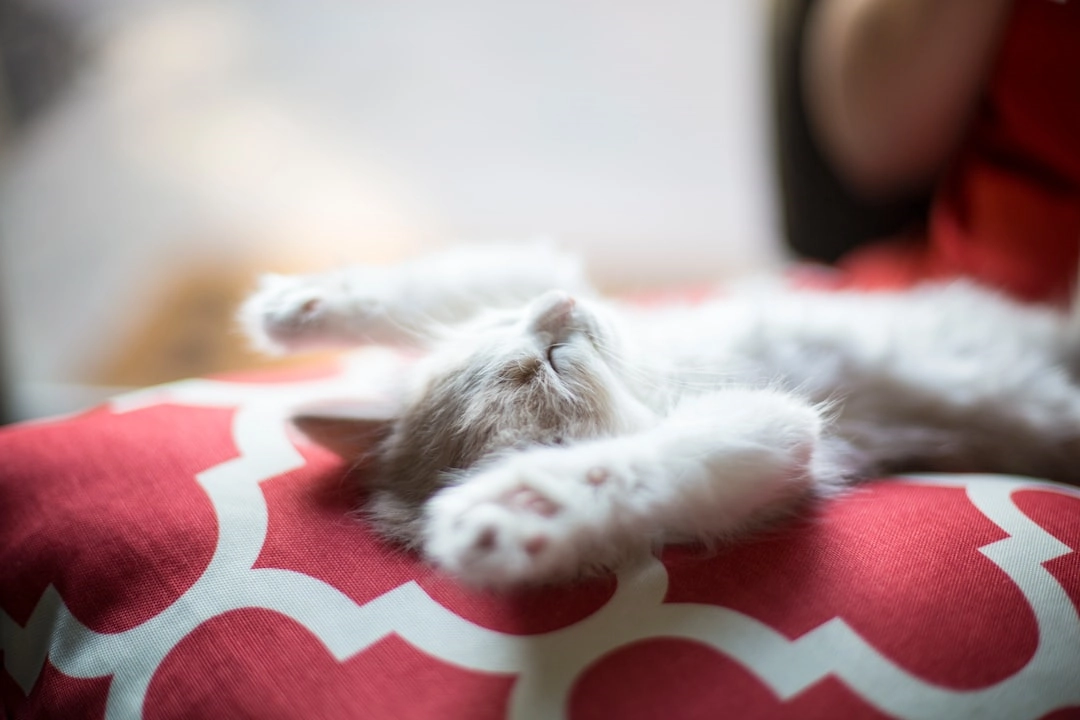
Engaging Your Feline Friend: The Joy of Laser Play
Training your cat to safely chase a laser pointer can be an exhilarating experience for both you and your furry companion. Cats are natural hunters, and their instinct to chase is deeply ingrained in their behavior. This playful interaction not only provides physical exercise but also stimulates their mental faculties. However, it’s essential to approach this activity with care to ensure your cat’s safety and well-being. Did you know that using a laser pointer can mimic the thrill of the hunt for your cat? This engaging playtime can help satisfy their predatory instincts while also strengthening the bond between you and your pet.
Decoding Feline Instincts: Understanding Your Cat’s Behavior
To effectively train your cat to follow a laser pointer, it’s crucial to understand the basics of feline psychology. Cats are instinctual creatures, and their behaviors are often driven by their natural instincts. One of the most significant aspects of a cat’s behavior is their predatory nature. In the wild, cats are solitary hunters, relying on stealth and agility to catch their prey. This instinct is what makes laser pointers so appealing to them; the quick movements of the light mimic the erratic movements of small animals, triggering their chase response.
Common behaviors exhibited by cats during play include pouncing, stalking, and rapid movements. When a cat spots the laser dot, their eyes widen, and they become fixated on the target. This intense focus is a reflection of their hunting instincts, and it’s essential to channel this energy positively. However, it’s important to note that while chasing a laser pointer can be fun, it can also lead to frustration if not managed correctly. Cats may become agitated if they are unable to “catch” the elusive light, which can lead to stress or anxiety.
To mitigate these potential issues, it’s advisable to incorporate a tangible reward at the end of the play session. For instance, after a few minutes of laser play, you can redirect your cat’s attention to a physical toy that they can catch and “kill.” This not only provides a sense of accomplishment but also helps to satisfy their hunting instincts. Additionally, keeping play sessions short—around 5 to 10 minutes—can prevent overstimulation and keep your cat engaged without overwhelming them.
Understanding the various behaviors of your cat can also help you tailor the laser play experience to their unique personality. For example, some cats may be more energetic and enthusiastic, while others may be more reserved. Observing your cat’s reactions during play can provide valuable insights into their preferences and comfort levels. This awareness allows you to adjust your approach, ensuring that playtime remains a positive experience.
Moreover, different breeds of cats may exhibit varying behaviors when it comes to play. For instance, Siamese cats are known for their high energy levels and playful nature, while British Shorthairs may be more laid-back. Recognizing these breed-specific traits can help you create a more engaging and enjoyable play environment for your cat.
In conclusion, training your cat to safely chase a laser pointer can be a rewarding experience that taps into their natural instincts. By understanding feline behavior and providing a balanced play routine, you can ensure that your cat enjoys the thrill of the chase while also maintaining their mental and emotional well-being. Remember, the key to successful playtime is to keep it fun, safe, and rewarding for your furry friend.
Essential Training Techniques for Your Feline Companion
Training your cat to safely engage with a laser pointer is more than just a fun playtime; it’s an important aspect of their overall mental health and well-being. Understanding how cats learn is essential to implement effective training strategies. Unlike dogs, who typically thrive on structured obedience, cats require different, more stimulating training that respects their natural instincts. Establishing clear training goals sets the stage for a rewarding interaction between you and your feline friend.
One of the crucial elements of training is the use of positive reinforcement. This method encourages desired behavior through rewards, such as treats or affection. Positive reinforcement motivates your cat to engage with the laser pointer while feeling valued and appreciated. Instead of punishment for unwanted behaviors, emphasize rewarding interactions that encourage your cat’s natural predatory instincts. For example, after playtime, you can reward them with a treat or their favorite toy, making the interaction holistic and fulfilling.
The idea is to keep the training sessions short and focused; ideally, around five to ten minutes should suffice. Cats generally have shorter attention spans than other pets, so periodic breaks prevent burnout and frustration during sessions. Craft an enjoyable setting by choosing a dedicated room or an area that minimizes distractions. The fun, stimulating environment encourages your cat to actively engage and learn, linking laser play with good vibes.
Now, the question arises—how do you introduce your cat to laser pointer play? Start off in a low-lit space to maintain their focus, allowing them to associate chasing the dot with their hunting instinct. Using a Class II laser under 1 milliwatt protects their eyes and ensures safe engagement. The trick is to make the dot unpredictable: move it in swift bursts, weaving in and out of hiding spots around the floor level or bouncing it off surfaces to evoke their instinctual hunting mechanisms.
In addition to structuring the activity, pay attention to your cat’s specific preferences and energy levels. Monitor how eagerly they respond to the laser dot, adjusting the training approaches accordingly. Not all cats will exhibit the same fervor towards chasing; some may need more encouragement than others. Remain patient and give your feline the time it requires to adapt and take full delight in their pursuit.
Navigating and Resolving Behavior Challenges
As delightful as training can be, it is likely that owners may encounter behavioral challenges during the laser pointer play. Identifying these common issues—and knowing how to address them—ensures that both you and your feline feel fulfilled in playtime encounters.
One significant concern that owners may face is overstimulation. This tends to happen when the excitement from chasing the laser dot becomes overwhelming for the cat. A sure sign of overstimulation may be if your feline begins exhibiting erratic behavior such as dilated pupils, increased vocalizations, or uncharacteristic actions. A smart approach in preventing overstimulation is to always allow them tangible toys that represent their catch. After some time of running after the dot, it’s key to transition your cat to catching their prey through their favored toys, providing a satisfying conclusion for their wild chase.
Furthermore, if your cat appears frustrated that the elusive dot cannot be caught, do not allow that tension to persist. Recognize and praise any initiative they take during the play, reinforcing the act of pursuing whether through vocal affirmation or offering bits of treats. This uplifts their playful spirit and restores the atmosphere of fun.
It’s also possible that laser play generates an excessive interest, transitioning towards obsession or hyper-focusing. This fixation, if not checked, can spill over into unwanted behaviors—such as meowing insistently when not in play. Should you find such concerns becoming a routine, reassess your training session lengths and delve into diversified activities beyond lasers. Enriching their playtime experience through an array of engaging toys can stimulate their interest and prevent excessive reliance on a solitary toy.
If behavioral challenges persist despite thoughtful interventions, seek professional help. Licensed veterinarians or animal behaviorists can examine underlying health concerns linked to unusual cat behaviors and aid in developing better communication skills between you and your furry companion.
While engaging in fun and stimulating laser play sessions is appealing for pet owners, understanding, patience, and dedication create a successful training experience. Adjust training principles and behavior strategies tailored to your cat to establish harmonious, joyful interactions filled with healthy outlets for energy and desire.

Maximizing Playtime: The Importance of Engaging Activities
When it comes to keeping your feline friend happy and healthy, engaging them in stimulating play activities is essential. Training your cat to safely chase a laser pointer is a fantastic way to incorporate both mental and physical enrichment into their daily routine. Cats are natural hunters, and providing them with opportunities to exercise their predatory instincts can prevent a range of behavioral issues that stem from boredom and inactivity.
Engaging your cat in play not only promotes physical health through exercise but also enhances their mental well-being. Cats are intelligent creatures that thrive on mental stimulation, and play serves as a form of enrichment that satisfies their curiosity and hunting instincts. Without adequate stimulation, cats can develop behavioral problems such as excessive meowing, scratching furniture, or even aggression. Regular playtime, especially activities that mimic hunting, helps to channel their energy positively, preventing these issues from arising.
Incorporating laser pointer play into your cat’s routine offers an exciting way to engage their minds and bodies. The quick movements of the laser dot mimic the erratic behavior of prey, prompting your cat to pounce, chase, and stalk. This kind of active play can burn off excess energy and keep your cat physically fit. Furthermore, alternating laser play with other types of enrichment—such as interactive toys, puzzle feeders, or even simple cardboard boxes—ensures that your cat receives a well-rounded play experience.
It’s important to note that while laser pointers are fun, they should not be the sole source of entertainment. Combining laser play with physical toys that your cat can actually catch and “kill” helps to satisfy their hunting instincts more fully. After a laser session, introduce a tangible toy, allowing your cat to experience the satisfaction of catching something tangible. This not only enriches their playtime but also reinforces positive behaviors, creating a rewarding experience for both you and your feline friend.
In conclusion, maximizing playtime through various engaging activities, including laser pointer training, is vital for your cat’s mental and physical health. Providing a mix of stimulating experiences keeps your cat entertained and fulfilled, ultimately fostering a happy and well-adjusted companion.
Debunking Myths: Common Misunderstandings About Laser Play
As with many aspects of pet care, there are several common questions and misconceptions surrounding the use of laser pointers in cat play. Understanding these can help you use this engaging tool effectively and safely, ensuring a positive experience for both you and your feline friend.
One prevalent misconception is that laser pointers are inherently harmful to cats. While it’s true that improper use can lead to frustration, using a Class II laser under 1 milliwatt poses minimal risk to your cat’s eyes. The key is to use the laser pointer correctly and responsibly. Always ensure that the laser dot does not shine directly into your cat’s eyes, and remember to balance laser play with tangible toys to provide a satisfying conclusion to the chase.
Another common question revolves around whether laser pointer play can lead to obsessive behavior in cats. While some cats may become overly fixated on the light, this can often be mitigated by incorporating other forms of play. Providing a mix of interactive toys and physical objects for your cat to catch will help them avoid developing an unhealthy obsession with the laser dot. If you notice signs of excessive fixation, consider shortening the play sessions and ensuring that they end on a positive note with a catchable toy.
Many cat owners also wonder if laser pointer play can replace traditional playtime with physical toys. While laser pointers can be an exciting addition to your cat’s play repertoire, they should not serve as the sole form of entertainment. Cats benefit from a variety of play experiences that stimulate both their physical and mental capabilities. Traditional toys, such as feather wands, balls, and puzzle feeders, offer tactile experiences that laser pointers cannot provide.
Additionally, some pet owners fear that using a laser pointer will cause their cats to become aggressive. While it’s true that cats can exhibit predatory behavior during play, this does not inherently lead to aggression. To prevent any potential issues, it’s important to supervise play sessions and observe your cat’s body language. If your cat seems overstimulated or agitated, it may be time to take a break or switch to a different type of play.
In summary, understanding the facts surrounding laser pointer play can enhance your experience with your feline friend. By debunking myths and addressing common questions, you can ensure that laser play remains a fun, safe, and enriching activity for your cat, ultimately contributing to their overall happiness and well-being.
