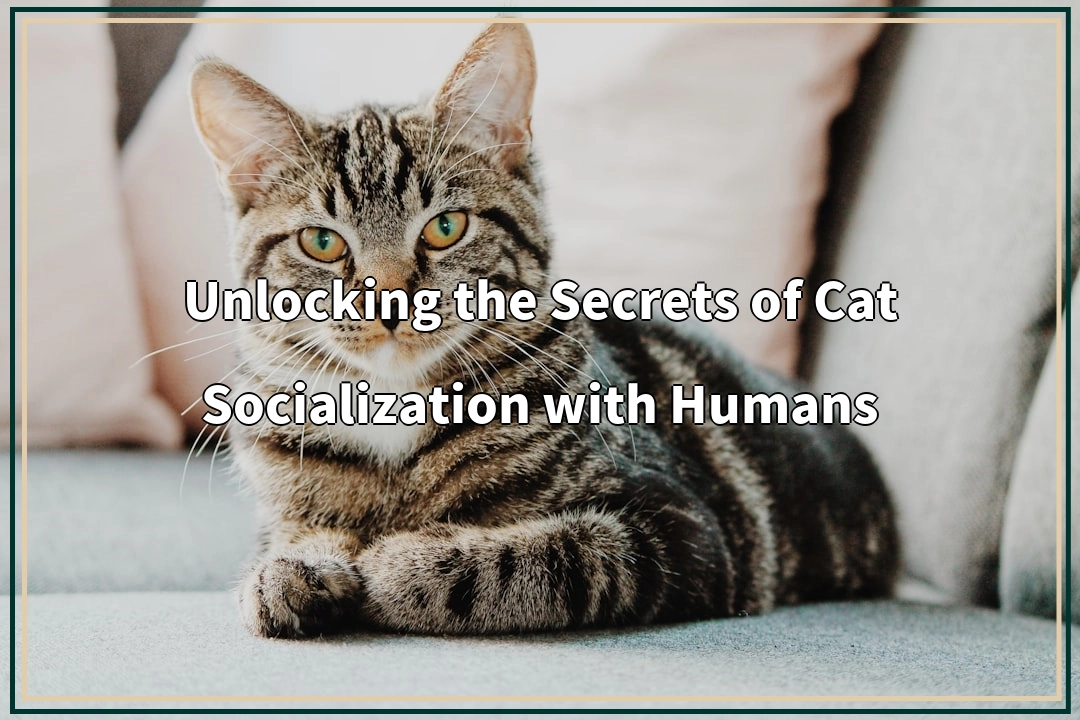
Understanding Cat Socialization with Humans
When it comes to our feline friends, one of the most intriguing aspects is their socialization with humans. Many cat owners often wonder why their cats behave the way they do and how they can foster a better relationship with them. Did you know that cats have a unique way of communicating and bonding with humans that differs significantly from dogs? While dogs are pack animals that thrive on social interaction, cats are more independent and have a different approach to forming relationships. This distinction can lead to misunderstandings between cats and their human companions.
Socialization is a critical component of a cat’s development and can significantly influence their behavior and temperament. A well-socialized cat is more likely to be friendly, confident, and adaptable to various environments. Conversely, a poorly socialized cat may exhibit fear, aggression, or anxiety in the presence of humans. Understanding the nuances of cat socialization can help owners create a nurturing environment that encourages positive interactions and strengthens the bond between them and their feline companions.
In this blog post, we will explore the various aspects of cat socialization with humans, including the factors that influence it, the importance of early socialization, and practical tips for enhancing your cat’s social skills. By unlocking the secrets of cat socialization, you can ensure that your furry friend thrives in your home and enjoys a fulfilling life alongside you.
Exploring the Dynamics of Cat Socialization
Cat socialization refers to the process through which cats learn to interact with humans and other animals. This process begins at a young age and is influenced by various factors, including genetics, environment, and early experiences. Kittens are particularly impressionable during their early weeks of life, making this a crucial period for socialization. During this time, they are exposed to different stimuli, including sounds, sights, and interactions with humans and other pets.
Research has shown that kittens who are well-socialized during this critical period are more likely to grow into well-adjusted adult cats. They tend to be more confident, less fearful, and more willing to engage with humans. Conversely, kittens that lack socialization may develop behavioral issues, such as aggression or extreme shyness, which can persist into adulthood.
One of the key elements of successful cat socialization is positive reinforcement. This involves rewarding desired behaviors with treats, praise, or playtime, which encourages cats to associate human interaction with positive experiences. For example, if a kitten approaches a human and receives a treat, it learns that being near people is a good thing. This method can be applied throughout a cat’s life, helping to reinforce positive behaviors and build trust.
Another important aspect of cat socialization is understanding the individual personality of each cat. Just like humans, cats have unique temperaments that can influence their social behavior. Some cats are naturally more outgoing and curious, while others may be more reserved or cautious. Recognizing these differences allows owners to tailor their socialization efforts to meet the specific needs of their cats.
In addition to early socialization, ongoing interactions with humans are essential for maintaining a cat’s social skills. Regular playtime, gentle handling, and exposure to new experiences can help reinforce positive behaviors and prevent regression. It’s also important to create a safe and comfortable environment for your cat, as stress and anxiety can hinder socialization efforts.
Overall, cat socialization with humans is a multifaceted process that requires patience, understanding, and commitment. By investing time and effort into socializing your cat, you can foster a strong bond that enhances both your lives. In the following sections, we will delve deeper into the characteristics of well-socialized cats, the care and health considerations for socialization, and tips for living harmoniously with your feline companion.

Defining the Traits of Socialized Cats
Understanding the traits of well-socialized cats is essential for fostering a positive relationship between felines and their human companions. Socialization plays a crucial role in shaping a cat’s personality and behavior, and it begins from a young age. Kittens that experience a variety of social interactions are more likely to develop into confident and well-adjusted adults. These traits can be observed in their interactions with humans, other animals, and their overall adaptability to new environments.
One of the most significant characteristics of a well-socialized cat is its ability to exhibit friendly behavior towards humans. These cats often approach people with curiosity and a relaxed demeanor, displaying behaviors such as purring, rubbing against legs, and seeking attention. This friendliness is a direct result of positive experiences during their formative weeks, where they learn to associate humans with safety and comfort.
Another key trait is the cat’s level of confidence. Socialized cats tend to be more confident in unfamiliar situations, which can include new environments, sounds, or even the presence of other pets. This confidence is crucial for their overall well-being, as it allows them to explore their surroundings without fear. In contrast, cats that have not been adequately socialized may exhibit signs of anxiety or fearfulness, leading to avoidance behaviors or aggression.
Socialized cats also demonstrate a range of playful behaviors, which are vital for their mental and physical health. Playfulness is an indication of a cat’s comfort level with its environment and its ability to engage with humans. A well-socialized cat will often initiate play, using toys or even household items, and will enjoy interactive play sessions with their owners. This playful nature not only strengthens the bond between cat and human but also helps to keep the cat physically active and mentally stimulated.
Additionally, communication is a vital characteristic of socialized cats. These felines are more likely to vocalize their needs and desires, whether through meowing, purring, or other sounds. They also use body language effectively, displaying signs of affection or discomfort through their posture, tail position, and ear orientation. Understanding these communication cues is essential for building a strong relationship with your cat and ensuring its needs are met.
Lastly, socialized cats tend to exhibit better grooming habits and overall health. Cats that feel secure in their environment are more likely to engage in regular grooming behaviors, which is essential for their hygiene and skin health. A well-groomed cat is not only more pleasant to be around but also less prone to health issues related to poor grooming, such as matting or skin infections.
Maintaining Feline Well-Being Through Care
Ensuring the health and well-being of your cat goes hand in hand with effective socialization. Proper care involves a comprehensive approach that includes nutrition, regular veterinary check-ups, and attention to behavioral health. A well-balanced diet is fundamental to a cat’s overall health and can significantly impact its behavior and socialization skills.
When it comes to diet, cats are obligate carnivores, meaning their nutritional needs are primarily met through animal-based proteins. A high-quality diet should consist of a balance of proteins, fats, vitamins, and minerals to support their energy levels and overall health. It’s essential to choose cat food that lists meat as the primary ingredient, as this will provide the necessary amino acids and nutrients that cats require. Additionally, fresh water should always be available to keep your cat hydrated.
It’s also important to monitor your cat’s weight and adjust its diet accordingly. Obesity is a common health concern in cats and can lead to various issues, including diabetes, joint problems, and decreased mobility. Regular play and exercise are crucial for maintaining a healthy weight and promoting socialization. Engaging your cat in interactive play sessions not only provides physical activity but also strengthens the bond between you and your feline friend.
In terms of health, regular veterinary check-ups are vital for early detection and prevention of common health issues. Routine vaccinations, parasite control, and dental care are essential components of a cat’s health regimen. Common health concerns in cats include dental disease, obesity, and kidney disease, all of which can be managed effectively with proper care and regular veterinary visits.
Behavioral health is another critical aspect of care that can influence socialization. Stress and anxiety can hinder a cat’s ability to interact positively with humans and other animals. Creating a safe and enriching environment is essential for reducing stress. This can include providing scratching posts, climbing structures, and interactive toys that stimulate your cat’s natural instincts. Additionally, ensuring that your cat has a quiet space to retreat to when feeling overwhelmed can help maintain its emotional well-being.
Overall, the combination of understanding the traits of socialized cats and providing comprehensive care is essential for fostering a positive relationship between cats and their human companions. By prioritizing both socialization and health, you can ensure that your feline friend thrives in your home and enjoys a fulfilling life alongside you.

Coexisting Harmoniously with Socialized Cats
Living with a socialized cat can be an incredibly rewarding experience, as these feline companions often exhibit friendly, affectionate, and playful behaviors. Understanding how to create an environment that fosters these traits is key to enjoying a fulfilling relationship with your cat. The interaction dynamics between socialized cats, families, and other pets can vary, and knowing what to expect can help ensure a harmonious household.
Socialized cats typically thrive in family environments. They often seek out interaction with their human companions and can form strong bonds with all family members, including children. Their playful nature makes them wonderful playmates, and they can often adapt well to the energy levels of young children. However, it’s important to teach children how to interact gently and respectfully with cats to avoid overwhelming them. Teaching kids to recognize a cat’s body language, such as when it needs space or when it is ready to play, can enhance the relationship between the cat and the children.
When it comes to living with other pets, socialized cats can be quite adaptable. If introduced properly and given time to adjust, they can coexist peacefully with dogs and other cats. It’s essential to manage introductions carefully; for example, allowing the cat to have its own space where it can retreat if it feels stressed or threatened. Supervised interactions and gradual acclimatization can help build positive relationships between pets. Socialized cats are often curious about their surroundings and may enjoy engaging with other animals, provided they feel safe.
Activity needs for socialized cats can vary widely depending on the individual cat’s personality and energy level. Generally, socialized cats require regular playtime and mental stimulation to keep them happy and healthy. Engaging them in interactive play, such as using feather wands or laser pointers, can provide the physical exercise they need while also reinforcing your bond. Cats are naturally playful creatures, and stimulating their instincts through play can prevent behavioral issues that may arise from boredom or excess energy.
Additionally, providing a variety of toys and enrichment activities can help keep your socialized cat engaged. Puzzle toys that dispense treats or toys that mimic prey movements can challenge their minds and encourage active play. It’s also beneficial to create vertical spaces, such as cat trees or shelves, allowing your cat to climb and explore its environment. This not only satisfies their natural climbing instincts but also offers a sense of security and territory.
In summary, living with a socialized cat requires understanding their needs for interaction, play, and stimulation. By creating a supportive and enriching environment, you can enjoy a loving relationship with your feline friend while ensuring they thrive in your home.
Your Questions Answered: Cat Socialization Insights
As cat owners and enthusiasts, it’s natural to have questions about the socialization of cats and how it affects their behavior and interactions. Below are some frequently asked questions that provide valuable insights into cat socialization with humans.
1. How can I tell if my cat is well-socialized?
A well-socialized cat will typically exhibit friendly behavior towards humans, such as seeking attention, purring, and engaging in play. They should also show confidence in new situations and environments. Signs of a well-socialized cat include vocalizations, relaxed body language, and a willingness to explore their surroundings. Conversely, a cat that hides, hisses, or displays aggression may need more socialization.
2. What is the best age to socialize a kitten?
The ideal age to socialize a kitten is between 2 to 9 weeks old. During this critical period, kittens are highly impressionable and can easily adapt to new experiences, sounds, and people. Exposing them to various stimuli, such as gentle handling, different environments, and other pets, can help them develop into well-adjusted adult cats.
3. Can older cats be socialized, or is it too late?
While socializing an older cat may take more time and patience, it is definitely possible. Cats of all ages can benefit from positive experiences and gentle exposure to new people and environments. It may require a gradual approach, allowing the cat to acclimate at its own pace. Using treats, play, and gentle encouragement can help foster positive interactions.
4. What are some signs that my cat is stressed or anxious?
Common signs of stress or anxiety in cats include hiding, excessive grooming, vocalization, changes in eating habits, and aggression. If you notice any of these behaviors, it’s essential to assess your cat’s environment and make necessary adjustments to reduce stress. Providing safe spaces, engaging in play, and maintaining a consistent routine can help alleviate anxiety.
5. How can I improve my cat’s socialization skills?
Improving your cat’s socialization skills involves creating positive experiences. Start by gradually introducing your cat to new people, environments, and other pets in a controlled manner. Use treats and positive reinforcement to reward desired behaviors. Regular playtime, gentle handling, and exposure to various stimuli will also help your cat become more comfortable and confident in social situations.
By addressing these frequently asked questions, cat owners can better understand the importance of socialization and how to create a positive and nurturing environment for their feline companions.
