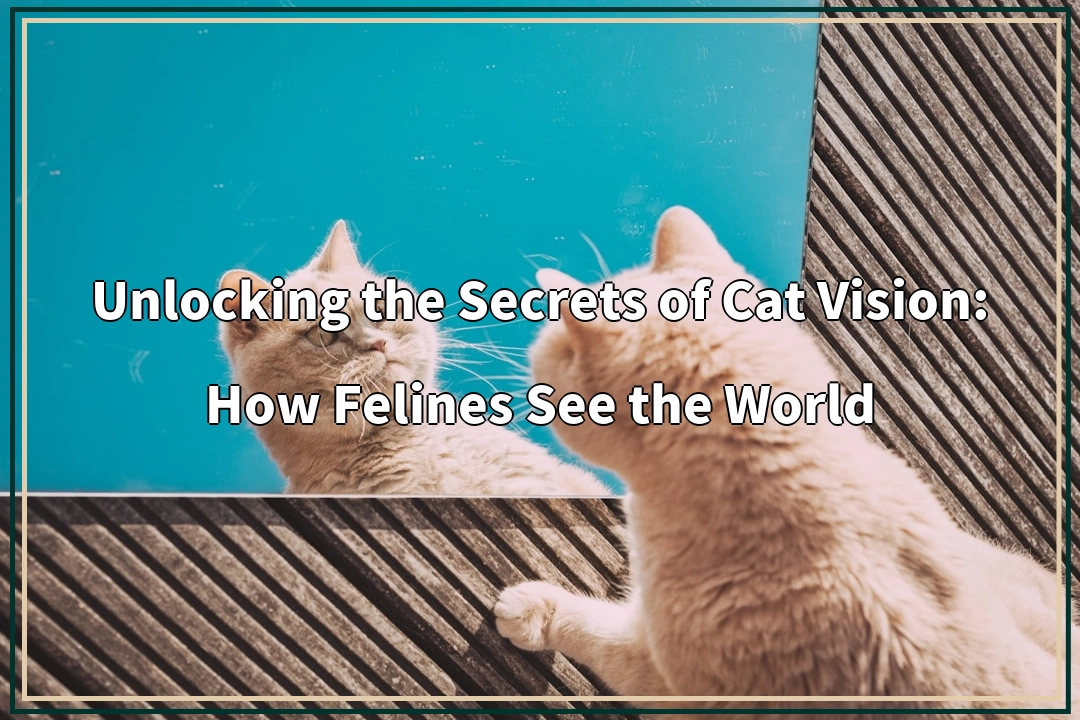
Discovering the Fascinating World of Cat Vision
Have you ever wondered how your feline friend perceives the world around them? Cat vision is a captivating subject that reveals the unique ways in which these remarkable creatures experience their environment. Unlike humans, cats have evolved to see the world through a different lens, one that is finely tuned for their predatory lifestyle. Understanding cat vision not only satisfies our curiosity but also enhances our ability to care for and interact with our beloved pets.
One of the most intriguing aspects of cat vision is their ability to see in low light conditions. This adaptation is a result of their evolutionary history as nocturnal hunters. Cats possess a higher number of rod cells in their retinas compared to humans, allowing them to detect movement and see in dim lighting much more effectively. In fact, cats can see in light levels six times lower than what a human needs to see. This incredible night vision is complemented by a reflective layer behind the retina called the tapetum lucidum, which enhances their ability to gather light.
Another common question that arises when discussing cat vision is whether they can see color. While cats are not completely colorblind, their color perception is limited compared to humans. They primarily see shades of blue and green, while reds and pinks may appear more muted. This dichromatic vision is similar to that of a person with red-green color blindness. Understanding these differences can help cat owners create a more enriching environment for their pets, taking into account the colors that are more visible to them.
As we delve deeper into the intricacies of cat vision, we will explore how their unique visual capabilities influence their behavior, hunting strategies, and interactions with their surroundings. By unlocking the secrets of cat vision, we can better appreciate the remarkable adaptations that make our feline companions such extraordinary creatures.
Understanding Cat Vision: An Overview
Cat vision is a fascinating topic that encompasses various aspects of how felines perceive their environment. To fully appreciate the intricacies of cat vision, it is essential to explore its defining characteristics, evolutionary background, and the implications for cat care and behavior.
At its core, cat vision is characterized by several key features that distinguish it from human vision. As mentioned earlier, cats have a higher concentration of rod cells, which are responsible for detecting light and movement. This adaptation allows them to excel in low-light conditions, making them formidable hunters during dawn and dusk, known as crepuscular activity. Their eyes are also larger in proportion to their head size, which contributes to their ability to gather more light.
In terms of color perception, cats are dichromatic, meaning they have two types of color receptors. This allows them to see a limited spectrum of colors, primarily in the blue and green ranges. While they may not appreciate the full vibrancy of a rainbow, their vision is finely tuned for detecting motion and contrast, which is crucial for hunting.
The evolutionary history of cats plays a significant role in shaping their visual capabilities. As descendants of wild felines, domestic cats have retained many traits that enhance their survival as predators. Their keen eyesight is complemented by excellent hearing and a strong sense of smell, creating a well-rounded sensory experience that aids in hunting and navigating their environment.
Understanding cat vision is not only an academic pursuit but also has practical implications for cat owners. By recognizing how cats see the world, we can create environments that cater to their unique needs. For instance, providing toys that mimic the movement of prey can engage their hunting instincts, while choosing colors for toys and accessories that are more visible to them can enhance their play experience.
In summary, cat vision is a complex and fascinating subject that reveals the remarkable adaptations of our feline friends. By exploring the characteristics and evolutionary background of cat vision, we can gain a deeper appreciation for the world as seen through their eyes. This understanding not only enriches our knowledge but also enhances our relationships with our beloved cats, allowing us to provide them with the best possible care and environment.

Exploring the Unique Features of Cat Vision
Understanding the characteristics of cat vision provides insight into how these fascinating creatures interact with their environment. The evolution of a cat’s visual system is a remarkable adaptation that enhances their hunting abilities and overall survival. Cats, as members of the Felidae family, have developed unique features that distinguish their vision from that of humans and other animals.
One of the most notable characteristics of cat vision is their exceptional ability to see in low light. This capability is primarily due to the high density of rod cells in their retinas, which are specialized for detecting light and movement. Unlike humans, who have a higher concentration of cone cells responsible for color vision, cats are equipped to excel in dimly lit conditions. This adaptation allows them to hunt effectively during twilight hours, a behavior known as crepuscular activity.
Additionally, cats possess a reflective layer behind their retinas called the tapetum lucidum. This layer acts like a mirror, reflecting light that passes through the retina back into the eye, thereby increasing the amount of light available for their photoreceptors. This unique feature not only enhances their night vision but also gives their eyes a characteristic glow when light is shone on them in the dark.
In terms of color perception, cats are dichromatic, meaning they have two types of color receptors. This allows them to see a limited range of colors, primarily in the blue and green spectrum. While they may not perceive the vibrant colors that humans do, their vision is finely tuned for detecting motion and contrast, which is crucial for their hunting instincts. This means that while a bright red toy may not capture their attention, a moving object in shades of blue or green will likely pique their interest.
Another interesting characteristic of cat vision is their field of view. Cats have a wider field of vision compared to humans, approximately 200 degrees versus the human average of 180 degrees. This broader perspective allows them to detect movement from various angles, enhancing their ability to spot potential prey or threats in their surroundings.
Understanding these unique features of cat vision not only enriches our knowledge of these animals but also informs how we can create environments that cater to their natural instincts. By recognizing the importance of light, color, and movement in their perception, cat owners can provide engaging experiences that align with their feline companions’ visual capabilities.
Supporting Your Cat’s Vision and Overall Health
Ensuring the health and well-being of your cat involves understanding their unique dietary needs and addressing potential health concerns related to their vision. A balanced diet plays a crucial role in maintaining optimal eye health and overall vitality in felines.
When it comes to nutrition, cats are obligate carnivores, meaning their diet must primarily consist of animal-based proteins. Essential nutrients such as taurine, vitamin A, and omega-3 fatty acids are vital for maintaining healthy vision. Taurine, in particular, is an amino acid that supports retinal health and is crucial for preventing vision-related issues. Commercial cat foods often contain adequate levels of taurine, but it is essential to ensure that your cat’s diet is well-balanced and meets their specific nutritional requirements.
In addition to a proper diet, regular veterinary check-ups are essential for monitoring your cat’s eye health. Common health concerns related to vision in cats include cataracts, glaucoma, and retinal degeneration. Early detection of these issues can significantly improve the prognosis and quality of life for your feline friend. Signs of potential vision problems may include difficulty navigating in low light, excessive squinting, or changes in behavior, such as increased hiding or reluctance to jump.
Moreover, environmental factors can also impact your cat’s vision and overall health. Providing a safe and stimulating environment is crucial for their well-being. Ensure that your home is free from hazards that could lead to eye injuries, such as sharp objects or toxic plants. Additionally, providing plenty of opportunities for play and exercise can help maintain their physical health and support their natural hunting instincts.
Hydration is another critical aspect of your cat’s health. Cats often do not drink enough water, which can lead to urinary tract issues and other health concerns. Encouraging your cat to drink more water can be achieved by providing fresh water daily, using water fountains, or incorporating wet food into their diet. Proper hydration supports overall health, including eye health.
In summary, supporting your cat’s vision and overall health involves a combination of proper nutrition, regular veterinary care, and a safe environment. By understanding their unique dietary needs and being vigilant about potential health concerns, you can help ensure that your feline companion enjoys a long, healthy, and vibrant life.

Embracing Life with Your Feline Companion
Living with a cat offers a unique and enriching experience, particularly when you understand their extraordinary vision and behavior. As cat owners, it is essential to recognize how these creatures interact with their environment, families, and even other pets. Cats are known for their independent nature, but they also form strong bonds with their human companions, enriching our lives with their playful antics and affectionate moments.
Compatibility with families is a crucial consideration when welcoming a cat into your home. Most cats are adaptable and can thrive in various living situations, whether it be a bustling household with children or a quieter environment with adults. Cats often enjoy interacting with their human family members, engaging in playtime, and curling up on laps during relaxation. However, it is essential to recognize that each cat has its personality. Some may be more social and outgoing, while others might prefer solitude and quiet. Observing your cat’s behavior can help you tailor your interactions to meet their needs and preferences.
When it comes to cohabiting with other pets, cats can be both territorial and social. Introducing a new cat to an existing pet, whether it’s another cat or a dog, requires careful consideration and gradual introductions. Understanding feline body language can be helpful in these situations; for example, a cat’s raised tail and relaxed body posture indicate comfort, while flattened ears and a puffed-up tail suggest stress or aggression. Ensuring that each pet has its own space and resources, such as litter boxes, food bowls, and resting areas, can minimize conflicts and promote harmony within the household.
Activity needs are another critical aspect of living with a cat. Cats are naturally playful and curious creatures that require regular stimulation to maintain their physical and mental well-being. While some cats may enjoy lounging around for extended periods, others thrive on interactive play. Engaging your cat with toys that mimic prey, such as feather wands or laser pointers, can help fulfill their hunting instincts and keep them active. Additionally, providing climbing structures like cat trees or shelves allows them to explore their vertical space, promoting exercise and mental engagement.
It is also essential to provide a safe and stimulating environment for your cat. Cats enjoy exploring their surroundings, so creating an enriching space filled with scratching posts, cozy hiding spots, and interactive toys can help prevent boredom and destructive behavior. Furthermore, regular playtime not only strengthens the bond between you and your cat but also contributes to their overall health by keeping them active and engaged.
Ultimately, living with a cat means understanding their unique needs and behaviors. By providing a nurturing environment that caters to their instincts, you can enjoy a fulfilling and harmonious relationship with your feline companion. As you navigate the joys and challenges of cat ownership, remember that each cat is an individual, and adapting to their specific personality will enhance the experience for both you and your furry friend.
Your Cat Vision Questions Answered
As cat owners and enthusiasts delve into the intriguing world of feline vision, several questions frequently arise. Here, we address some common inquiries related to cat vision, behavior, and care, providing valuable insights for cat lovers seeking to deepen their understanding of these fascinating creatures.
1. Can cats see in complete darkness?
Cats cannot see in complete darkness, but they can see exceptionally well in low light conditions. Their eyes have a higher concentration of rod cells, which are sensitive to light, allowing them to detect movement and navigate in dimly lit environments much better than humans.
2. How do cats perceive colors?
Cats are dichromatic, meaning they have two types of color receptors. They primarily see shades of blue and green, while reds and pinks may appear more muted. This limited color perception does not hinder their ability to detect movement and contrast, which is vital for hunting.
3. Why do my cat’s eyes appear to glow in the dark?
The glow you see in your cat’s eyes at night is due to the tapetum lucidum, a reflective layer behind the retina. This layer enhances their night vision by reflecting light that passes through the retina back into the eye, making their eyes appear to shine in low light.
4. What signs indicate vision problems in cats?
Common signs of vision issues in cats include difficulty navigating in low light, excessive squinting, or changes in behavior, such as increased hiding or reluctance to jump. If you notice these symptoms, it’s essential to consult your veterinarian for a thorough examination.
5. How can I support my cat’s eye health?
Supporting your cat’s eye health involves providing a balanced diet rich in essential nutrients, regular veterinary check-ups, and ensuring a safe environment free from hazards. A diet containing taurine, vitamin A, and omega-3 fatty acids can significantly contribute to maintaining healthy vision.
6. Do all cats have the same vision capabilities?
While all cats share certain visual characteristics, individual differences can arise based on factors such as breed, age, and health. Regular veterinary care and attention to their unique needs can help ensure optimal vision and overall health.
By addressing these frequently asked questions, cat owners can enhance their understanding of feline vision and provide the best possible care for their beloved companions. Whether you are a seasoned cat owner or a new enthusiast, understanding how cats perceive the world can enrich your relationship and improve their quality of life.
