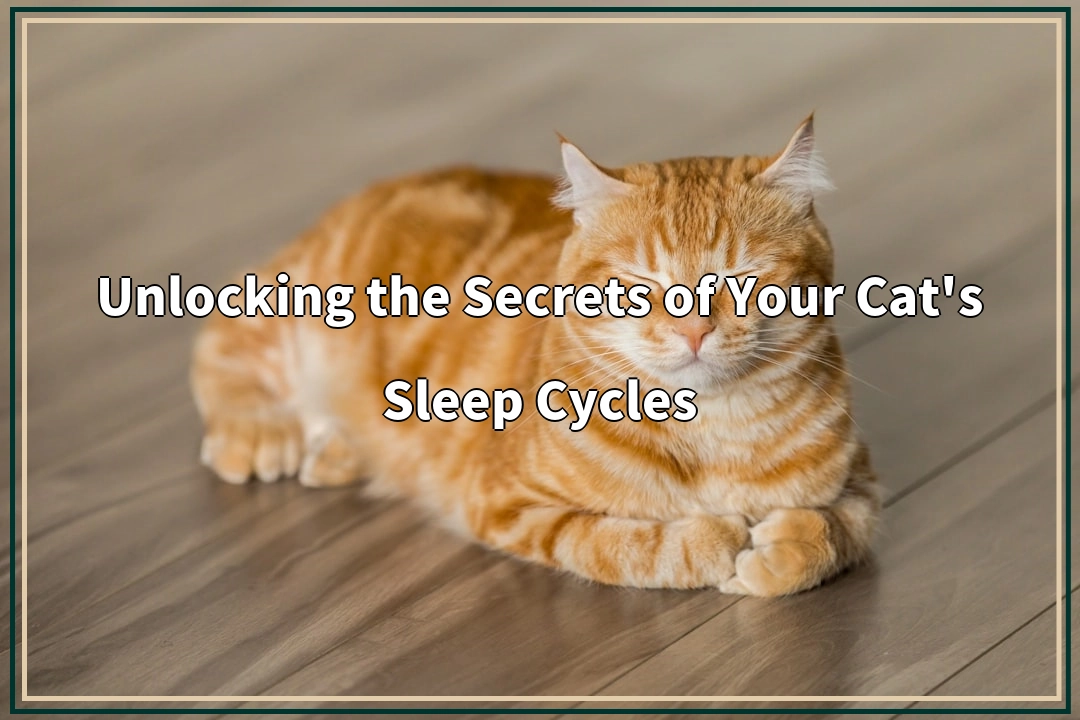
Discovering the Mysteries of Cat Sleep
Have you ever wondered why your feline friend seems to sleep so much? Cats are known for their impressive napping skills, often sleeping anywhere from 12 to 16 hours a day. This behavior can leave many cat owners puzzled, leading to questions about the nature of cat sleep cycles. Understanding these cycles is crucial for appreciating your cat’s unique behaviors and needs. In this exploration, we will delve into the fascinating world of feline sleep patterns, uncovering the biological and behavioral aspects that govern their sleep cycles.
Understanding Cat Sleep Patterns
Cats are remarkable creatures with sleep cycles that differ significantly from those of humans. Unlike us, who typically cycle through various sleep stages every 90 minutes, cats have a more complex and flexible sleep pattern. Their sleep is divided into two main types: REM (Rapid Eye Movement) sleep and non-REM sleep. During REM sleep, which accounts for about 30% of their total sleep time, cats experience vivid dreams and heightened brain activity. This phase is essential for their mental health, allowing them to process experiences and emotions.
In contrast, non-REM sleep is characterized by deeper, restorative rest. Cats can easily transition between these two states, often remaining alert and ready to spring into action at a moment’s notice. This ability to shift between light and deep sleep is a survival mechanism, allowing them to remain vigilant against potential threats in their environment.
To further understand cat sleep cycles, it’s important to consider their evolutionary background. Domestic cats are descendants of wild felines, which are natural hunters. In the wild, these animals would sleep in short bursts to conserve energy for hunting while remaining alert to potential dangers. This instinctual behavior has been passed down through generations, influencing the sleep patterns of our beloved pets today.
Moreover, various factors can influence a cat’s sleep cycle, including age, health, and lifestyle. Kittens, for instance, tend to sleep more than adult cats, as their bodies require extra rest for growth and development. Senior cats may also experience changes in their sleep patterns, often sleeping more due to decreased activity levels or health issues. Understanding these nuances can help cat owners provide better care and create an environment that supports their pet’s well-being.
In addition to age, a cat’s environment plays a significant role in their sleep habits. Cats are creatures of habit and often prefer to sleep in familiar, safe spaces. Providing a cozy bed in a quiet area can encourage restful sleep, while a chaotic or noisy environment may disrupt their cycles. It’s essential for cat owners to recognize the importance of a peaceful sleeping environment, as it directly impacts their pet’s overall health and happiness.
As we continue to explore the intricacies of cat sleep cycles, we will uncover more about the various stages of sleep, the signs that indicate whether your cat is in a deep slumber, and tips for optimizing their rest. By understanding the science behind feline sleep patterns, we can foster a deeper connection with our furry companions and ensure they lead healthy, fulfilling lives.
In summary, the sleep cycles of cats are a fascinating topic that reveals much about their behavior and needs. By unlocking the secrets of their sleep patterns, we can better appreciate the unique qualities of our feline friends and provide them with the care they deserve.

Unique Traits of Feline Sleep Patterns
Understanding the unique traits of feline sleep patterns is essential for any cat owner. Cats exhibit a range of sleep behaviors that are fascinating and often perplexing. Their sleep cycles are influenced by their evolutionary background as hunters, leading to distinct characteristics that set them apart from other animals. One of the most notable traits is their ability to enter and exit sleep stages rapidly. This adaptability allows them to remain alert to potential threats while still getting the rest they need.
Another characteristic of cat sleep is the division between REM and non-REM sleep. During REM sleep, cats experience heightened brain activity, which is crucial for mental health and processing experiences. This phase is often when they dream, and you may notice twitching or movements as they engage in these vivid dreams. In contrast, non-REM sleep is a deeper, more restorative state that allows their bodies to recover and rejuvenate.
Historically, the sleep patterns of cats can be traced back to their wild ancestors. These felines needed to conserve energy for hunting, leading to a sleep schedule that involves short bursts of rest interspersed with periods of alertness. This evolutionary trait is still evident in domestic cats today, who may nap frequently but remain vigilant to their surroundings. The typical cat can sleep anywhere from 12 to 16 hours a day, with some breeds, like the Siamese, known for their more active sleep patterns.
Additionally, cats are crepuscular animals, meaning they are most active during dawn and dusk. This behavior is a remnant of their hunting instincts, as many prey species are also active during these times. As a result, you may find your cat engaging in playful antics or hunting behaviors during these hours, followed by longer periods of sleep during the day and night.
Understanding these unique traits can help cat owners create an environment that supports their pet’s natural sleep patterns. Providing a safe, quiet space for your cat to rest can enhance their overall well-being and happiness.
Promoting Feline Health and Well-Being
When it comes to promoting feline health and well-being, several factors come into play, particularly regarding diet and common health concerns. A balanced diet is crucial for maintaining a cat’s energy levels and overall health, especially considering their unique sleep patterns. Cats are obligate carnivores, meaning their diet should primarily consist of high-quality protein sources. Nutritional needs vary based on age, activity level, and health status, so it’s essential to consult with a veterinarian to determine the best diet for your cat.
In addition to protein, cats require specific nutrients such as taurine, arachidonic acid, and certain vitamins that are vital for their health. Taurine, for example, is an amino acid essential for heart health, vision, and reproductive function. Ensuring that your cat’s diet is rich in these nutrients can help support their energy levels and overall well-being, which in turn can positively impact their sleep quality.
Common health concerns in cats can also affect their sleep patterns. Conditions such as obesity, arthritis, and dental issues can lead to discomfort and disrupted sleep. Obesity, in particular, is a growing concern among domestic cats, as it can lead to a range of health problems, including diabetes and joint issues. Maintaining a healthy weight through proper diet and regular exercise is essential for ensuring your cat enjoys restful sleep.
Moreover, regular veterinary check-ups are crucial for monitoring your cat’s health and addressing any potential issues early on. During these visits, your veterinarian can provide guidance on nutrition, weight management, and any specific health concerns that may arise based on your cat’s age and breed.
In summary, understanding the unique traits of feline sleep patterns and promoting health through proper diet and regular veterinary care are vital for ensuring your cat leads a happy and healthy life. By being attentive to their needs, you can help your feline friend achieve the restful sleep they require to thrive.

Integrating Cats into Your Home Life
Bringing a cat into your home can be a rewarding experience, as these fascinating creatures offer companionship and unique personalities. However, understanding how to live harmoniously with your feline friend involves knowing their specific needs, including their sleep cycles, activity levels, and social behaviors. Cats can be incredibly affectionate and interactive, but they also have a distinct way of expressing their feelings and desires.
Compatibility is an essential factor to consider when integrating a cat into your household. Cats can interact well with families, children, and other pets, but this often depends on the individual cat’s temperament and socialization. Some breeds, such as the Ragdoll and Maine Coon, are known for their friendly and laid-back personalities, making them excellent companions for families with children. These breeds often enjoy being part of family activities and can form strong bonds with their human companions.
On the other hand, some cats may prefer a quieter environment and may not appreciate the hustle and bustle of a busy household. Breeds like the Persian or British Shorthair are often more independent and may enjoy their alone time. It’s crucial to assess the individual personality of your cat, as every feline is unique. Early socialization is key to helping a cat become comfortable with various family members and other pets.
When it comes to living with other pets, cats can often coexist peacefully with dogs, provided both animals are introduced properly and have their own spaces. Cats typically communicate through body language and vocalizations, so understanding these cues can help prevent conflicts. For instance, if a cat’s tail is puffed up, it indicates fear or aggression, while a relaxed body posture signifies comfort. Observing these signals can help you manage interactions between your cat and other pets effectively.
Activity needs are another important aspect of cat ownership. Cats have varying energy levels depending on their age, breed, and personality. Younger cats and kittens tend to be more playful and require more stimulation, while older cats may prefer lounging and napping. Engaging your cat in playtime with interactive toys can help fulfill their activity requirements and strengthen your bond. Activities like feather wands, laser pointers, or puzzle feeders can keep your cat mentally stimulated and physically active.
It’s also essential to create an environment that caters to your cat’s natural instincts. Providing climbing structures, scratching posts, and cozy hiding spots can enrich their living space and help satisfy their curiosity. Additionally, incorporating playtime into your daily routine will not only keep your cat active but also provide them with the mental stimulation they need to thrive.
Your Cat Questions Answered
As a cat owner, you may have various questions about your feline companion’s behavior, health, and needs. Below are some frequently asked questions that can help guide you in providing the best care for your cat.
1. Why does my cat sleep so much?
Cats are naturally inclined to sleep between 12 to 16 hours a day, as their bodies require rest for recovery and energy conservation. Their evolutionary background as hunters contributes to this behavior, allowing them to remain alert and ready to hunt when needed. Understanding their sleep patterns can help you create a supportive environment for restful sleep.
2. How can I tell if my cat is getting enough exercise?
Monitoring your cat’s activity level is essential. If your cat engages in play and displays natural hunting behaviors, such as stalking and pouncing, they are likely getting enough exercise. Regular playtime with interactive toys can help keep them physically active. If your cat seems lethargic or overweight, consider increasing playtime and providing more opportunities for exercise.
3. How can I improve my cat’s sleep environment?
Creating a peaceful and comfortable sleeping environment is vital for your cat’s well-being. Provide a cozy bed in a quiet area of your home, away from loud noises and disturbances. Consider adding blankets or soft bedding to make their sleeping space more inviting. Ensure your cat has access to natural light, as exposure to daylight can help regulate their sleep cycles.
4. Are there specific health issues I should be aware of?
Common health concerns in cats include obesity, dental problems, and kidney disease. Regular veterinary check-ups are crucial for monitoring your cat’s health and addressing any issues early on. Maintaining a balanced diet, regular exercise, and proper dental care can help prevent many of these health concerns.
5. How can I help my cat adjust to a new environment?
When introducing a cat to a new home, it’s essential to provide a safe space where they can acclimate gradually. Allow them to explore at their own pace and provide familiar items, such as their bed or toys, to help them feel secure. Be patient, as it may take time for your cat to adjust to their new surroundings.
By understanding the nuances of living with cats and addressing common questions, you can create a nurturing environment that enhances your feline friend’s quality of life. With proper care and attention, your cat can thrive and become a cherished member of your family.
