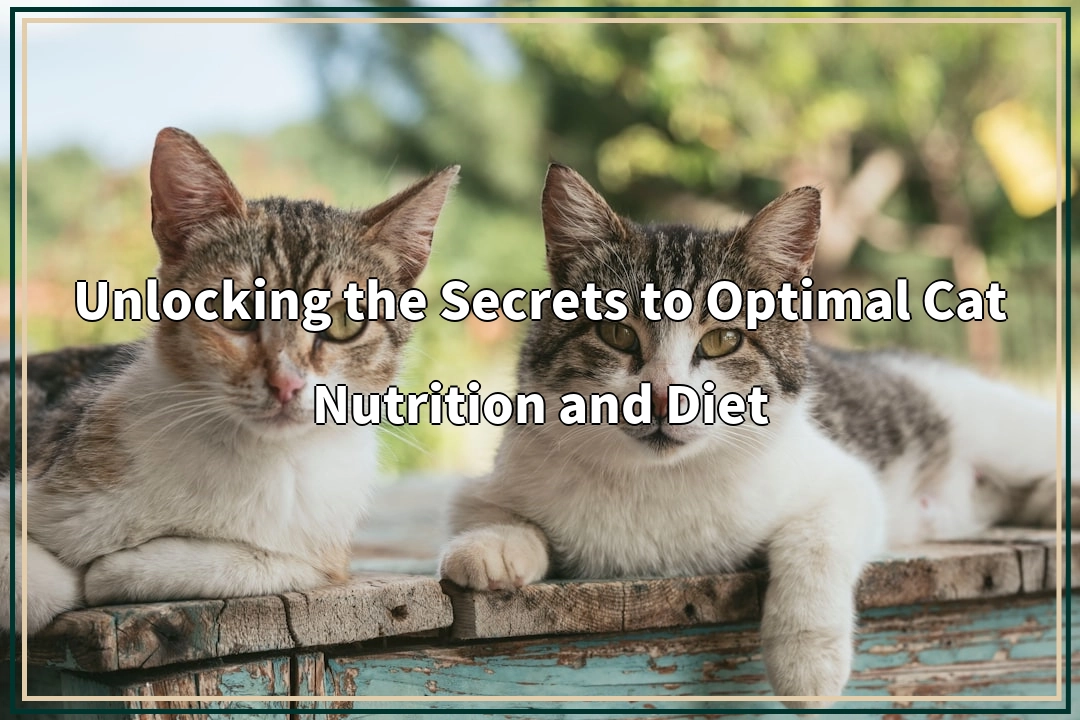
Understanding the Importance of Cat Nutrition
When it comes to our feline friends, one of the most crucial aspects of their well-being is their nutrition. Cat nutrition and diet are not just about filling their bowls; they are fundamental to their overall health, longevity, and happiness. Did you know that a well-balanced diet can significantly reduce the risk of obesity, diabetes, and other health issues in cats? In fact, nutrition is often considered the cornerstone of a cat’s health, influencing everything from their energy levels to their coat condition and even their behavior.
As cat owners, we often find ourselves asking: What should I feed my cat? How do I ensure they are getting the right nutrients? These questions are essential, as the answers can vary widely depending on the cat’s age, breed, activity level, and health status. With so many options available in the market, it can be overwhelming to choose the right food. This blog aims to demystify cat nutrition, providing insights into what constitutes a balanced diet for cats and how to make informed choices for their dietary needs.
Moreover, understanding cat nutrition is not just about selecting the right food; it also involves recognizing the specific dietary requirements of different breeds. Each breed may have unique nutritional needs based on their size, metabolism, and predisposition to certain health conditions. By tailoring their diet to meet these needs, we can help our cats thrive and lead healthier lives.
Exploring Cat Nutrition and Diet Essentials
Cat nutrition encompasses a variety of factors, including the types of food available, the essential nutrients required for optimal health, and the potential risks associated with improper feeding practices. Cats are obligate carnivores, meaning their diet must primarily consist of meat to meet their nutritional needs. This dietary requirement is rooted in their evolutionary history, as wild cats primarily hunt and consume prey rich in protein and fat.
In terms of essential nutrients, cats require a balanced intake of proteins, fats, carbohydrates, vitamins, and minerals. Proteins are vital for muscle development and repair, while fats provide energy and support healthy skin and coat. Carbohydrates, although not as critical, can serve as a source of energy and aid in digestion. Additionally, vitamins and minerals play crucial roles in various bodily functions, including immune response and bone health.
When selecting cat food, it’s essential to consider the quality of ingredients. High-quality commercial cat foods often list meat as the primary ingredient, ensuring that your cat receives the necessary protein. It’s also important to be aware of the potential risks associated with certain diets, such as raw feeding, which can pose risks of nutritional imbalances and exposure to harmful bacteria.
In summary, understanding cat nutrition and diet is vital for any cat owner. By providing a balanced and species-appropriate diet, we can help our feline companions lead healthier, happier lives. In the following sections, we will delve deeper into the specific dietary needs of various cat breeds, explore common nutritional pitfalls, and offer practical tips for ensuring your cat’s diet is both nutritious and enjoyable.
Delving into the World of Cat Breeds and Their Nutritional Needs
As we explore the fascinating world of cat breeds, it’s essential to recognize that each breed may have unique nutritional requirements. Factors such as size, activity level, and predisposition to certain health conditions can influence what constitutes an optimal diet for a specific breed. For instance, larger breeds like Maine Coons may require more calories and protein to support their muscle mass, while smaller breeds like Singapura may have different energy needs.
Additionally, certain breeds are more prone to specific health issues that can be managed through diet. For example, Siamese cats are known to be prone to dental issues, making it crucial to provide them with food that supports oral health. Similarly, breeds like Persians may benefit from diets that promote healthy skin and coat, given their long fur and potential for matting.
Understanding these breed-specific needs allows cat owners to make informed decisions about their pets’ diets, ensuring they receive the right balance of nutrients to thrive. In the following sections, we will further explore the nutritional requirements of various cat breeds, providing insights and recommendations to help you choose the best diet for your feline companion.

Essential Traits of Optimal Cat Nutrition
Understanding the essential traits of optimal cat nutrition is crucial for every cat owner. The nutritional needs of cats are rooted in their evolutionary history as obligate carnivores, which means they require a diet primarily composed of meat to thrive. This dietary requirement stems from their ancestors, who hunted small prey in the wild. The linguistic roots of the term “nutrition” can be traced back to the Latin word “nutritio,” meaning “nourishment” or “to nourish.” Over time, the concept of nutrition has evolved to encompass a comprehensive understanding of how various nutrients contribute to health and well-being.
Historically, the dietary habits of cats have been influenced by their domestication. While wild cats primarily consumed raw prey, domesticated cats have adapted to a variety of diets, including commercial cat foods. However, despite this adaptability, their fundamental nutritional needs remain consistent. Cats require a high-protein diet, rich in essential amino acids such as taurine, which is vital for heart health, vision, and reproductive function. Additionally, they need certain fatty acids, vitamins, and minerals to support their overall health.
Another critical characteristic of optimal cat nutrition is the balance of macronutrients. A well-rounded diet for cats should consist of approximately 30-50% protein, 15-30% fat, and a minimal amount of carbohydrates. Unlike dogs, cats have a limited ability to metabolize carbohydrates, making it essential to focus on high-quality protein sources. The presence of animal-based proteins in their diet is not only necessary for energy but also plays a vital role in maintaining muscle mass and supporting bodily functions.
Moreover, hydration is an often-overlooked aspect of cat nutrition. Cats have a low thirst drive and may not drink enough water, especially if they are fed dry kibble. Ensuring that your cat has access to fresh water at all times is crucial for preventing urinary tract issues and promoting overall health. Some cat owners may choose to incorporate wet food into their cat’s diet, which can help increase their moisture intake and provide additional nutrients.
Maintaining Feline Health Through Proper Nutrition
Maintaining feline health through proper nutrition is essential for preventing common health issues and ensuring a long, happy life for your cat. One of the most prevalent health concerns in cats is obesity, which can lead to a host of related problems, including diabetes, arthritis, and heart disease. Obesity is often the result of overfeeding, lack of exercise, and an imbalanced diet. Therefore, it is crucial to monitor your cat’s weight and adjust their food intake accordingly.
In addition to obesity, other common health issues in cats include dental disease, urinary tract problems, and gastrointestinal disorders. Dental disease is particularly prevalent in cats, and a diet that promotes oral health is essential. Some cat foods are specifically formulated to reduce plaque and tartar buildup, which can help maintain healthy teeth and gums. Regular dental check-ups with a veterinarian are also recommended to address any potential issues early on.
Urinary tract health is another significant concern for cat owners. Cats are prone to developing urinary crystals and stones, which can lead to painful blockages. Feeding a diet that promotes urinary health, such as those formulated with appropriate pH levels and moisture content, can help prevent these issues. Additionally, ensuring that your cat stays hydrated is vital for maintaining urinary tract health.
Gastrointestinal disorders, such as food allergies or sensitivities, can also affect a cat’s health. Signs of gastrointestinal issues may include vomiting, diarrhea, or changes in appetite. If you suspect that your cat has a food allergy, it is essential to consult with a veterinarian to determine the best course of action. A veterinarian may recommend an elimination diet to identify the offending ingredient and suggest a suitable alternative.
In summary, understanding the essential traits of optimal cat nutrition and maintaining feline health through proper dietary choices are fundamental for every cat owner. By providing a balanced diet tailored to your cat’s specific needs, you can help prevent common health issues and ensure that your feline companion enjoys a long, healthy life. As we continue to explore the world of cat nutrition, it is vital to stay informed about the latest research and recommendations to make the best choices for your beloved pet.

Integrating Your Cat’s Dietary Needs into Daily Life
Living with a cat requires a keen understanding of their dietary and lifestyle needs, particularly when it comes to nutrition. Each breed may exhibit different characteristics that influence how they interact with families, other pets, and their environment. Understanding these dynamics is crucial for creating a harmonious home for both the cat and its human companions.
When it comes to compatibility, many cat breeds can coexist peacefully with families and other pets. However, certain breeds may have specific personality traits that influence their interactions. For instance, Ragdolls are known for their gentle and affectionate nature, making them excellent companions for children and families. They tend to be laid-back and enjoy socializing, which makes them a good fit for multi-pet households. On the other hand, more independent breeds like the Bengal may require more personal space and may not be as tolerant of younger children or overly enthusiastic pets.
In terms of activity needs, cats have varying levels of energy and playfulness depending on their breed. For example, Abyssinians are highly active and playful, requiring ample stimulation and interactive playtime to keep them engaged. Providing them with toys, climbing structures, and opportunities for exploration is essential to prevent boredom and ensure they remain physically fit. Conversely, breeds like the Persian may be less active and prefer a more relaxed environment, requiring less physical stimulation but still benefiting from gentle play and social interaction.
Understanding your cat’s specific activity level is vital for fostering a healthy lifestyle. Cats that are not sufficiently stimulated can develop behavioral issues, including aggression or destructive tendencies. Therefore, integrating playtime into your daily routine is essential. Engaging your cat in interactive games, such as feather wands or laser pointers, can help satisfy their natural hunting instincts and keep them physically and mentally fit.
Moreover, it’s important to ensure that your cat has a comfortable and safe environment to thrive in. This includes providing a cozy resting area, access to fresh water, and appropriate litter box maintenance. Additionally, incorporating elements of vertical space, such as cat trees or shelves, can cater to your cat’s natural climbing instincts and provide them with opportunities for exercise and exploration.
Common Questions About Cat Nutrition and Care
As a cat owner, you may have several questions regarding the best practices for feeding and caring for your feline friend. This FAQ section aims to address some of the most common queries related to cat nutrition, health, and general care.
What is the best diet for my cat?
The best diet for your cat depends on their age, breed, and health status. Generally, a high-quality, protein-rich diet with animal-based ingredients is ideal. Consult your veterinarian for specific recommendations based on your cat’s individual needs.
How often should I feed my cat?
Most adult cats should be fed twice a day, while kittens may require more frequent meals, around three to four times daily. It’s essential to establish a consistent feeding schedule to maintain your cat’s health and weight.
Can I feed my cat a vegetarian or vegan diet?
Cats are obligate carnivores, meaning they require specific nutrients found primarily in animal products. While some vegetarian diets are marketed for cats, they may not provide all the essential nutrients your cat needs. It’s best to consult with a veterinarian before making any significant dietary changes.
What are the signs of food allergies in cats?
Signs of food allergies in cats may include itching, skin irritations, gastrointestinal issues such as vomiting or diarrhea, and changes in appetite. If you suspect your cat has a food allergy, consult your veterinarian for proper diagnosis and treatment.
How can I help my cat maintain a healthy weight?
To help your cat maintain a healthy weight, provide a balanced diet tailored to their specific needs, monitor portion sizes, and encourage regular play and exercise. Regular veterinary check-ups can also help track your cat’s weight and overall health.
Is it safe to give my cat treats?
Yes, giving your cat treats can be a great way to bond and reward them. However, treats should only make up a small percentage of their daily caloric intake. Choose high-quality treats that align with your cat’s dietary needs and avoid those with artificial additives.
By addressing these common questions, you can make informed decisions about your cat’s nutrition and care. A well-balanced diet, coupled with an understanding of your cat’s unique characteristics and needs, will contribute to a happy and healthy feline companion.
