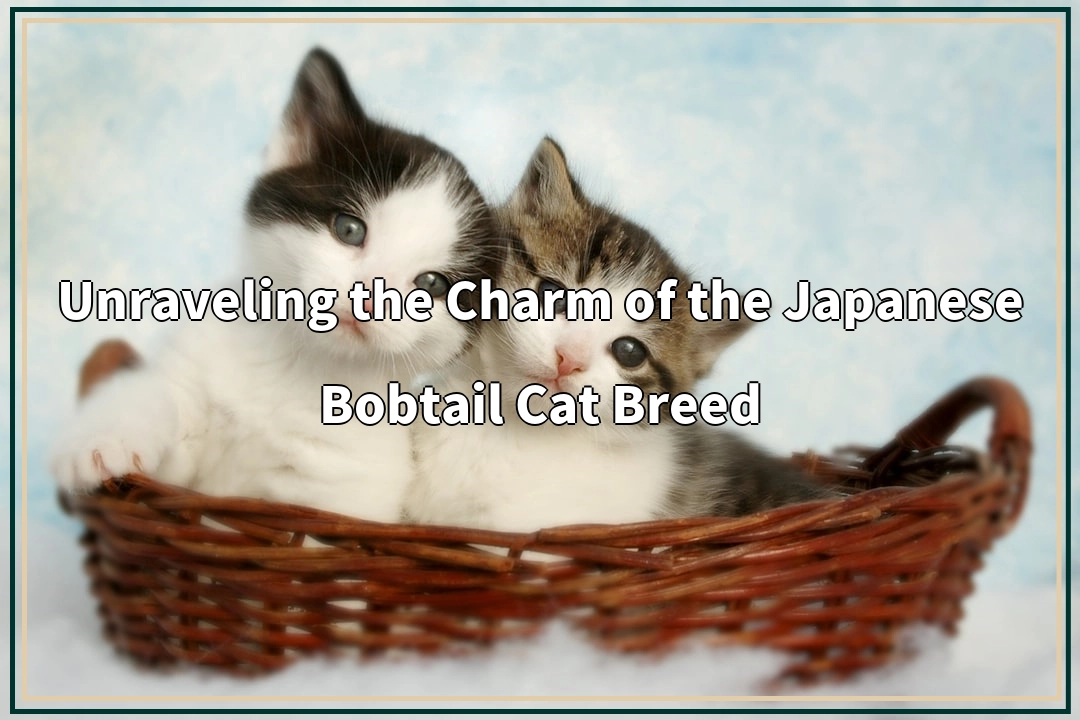
Discovering the Allure of the Japanese Bobtail
The Japanese Bobtail cat breed is a captivating and unique feline that has charmed cat lovers around the world. With its distinctive bobbed tail resembling that of a rabbit, this breed stands out not only for its appearance but also for its rich history and vibrant personality. Did you know that the Japanese Bobtail has been a symbol of good fortune in Japan for centuries? This delightful breed is not just a pretty face; it is also known for its playful and intelligent nature, making it a beloved companion for many households. In this exploration, we will delve into the fascinating world of the Japanese Bobtail, uncovering its origins, characteristics, and the reasons behind its enduring popularity.
Understanding the Japanese Bobtail Breed
The Japanese Bobtail is a natural breed that has existed in Japan for over a thousand years. Its history is steeped in folklore and tradition, with many ancient tales depicting these cats as bringers of luck and prosperity. The breed is often associated with the famous “Maneki-neko,” or “beckoning cat,” a common talisman in Japanese culture that is believed to attract good fortune. This cultural significance has contributed to the breed’s popularity not only in Japan but also around the globe.
One of the most striking features of the Japanese Bobtail is its unique tail, which is short and resembles a pom-pom or a rabbit’s tail. This distinctive trait is the result of a natural genetic mutation, and it sets the breed apart from other domestic cats. The tail is often described as being flexible and expressive, moving in a way that adds to the cat’s playful demeanor. In addition to their charming tails, Japanese Bobtails come in a variety of colors and patterns, with the most common being the “mi-ke” or “calico” pattern, which features a mix of white, black, and orange fur.
In terms of personality, the Japanese Bobtail is known for its lively and spirited nature. These cats are highly intelligent and curious, often engaging in playful antics that entertain their owners. They are also social creatures, forming strong bonds with their human companions and often following them around the house. Their playful disposition makes them excellent companions for families, as they enjoy interactive play and can even learn tricks. This breed is also known for its vocalizations, often communicating with a variety of chirps and trills that add to their charm.
As a breed, Japanese Bobtails are generally healthy and robust, but like all cats, they can be prone to certain health issues. Regular veterinary check-ups and a balanced diet are essential to ensure their well-being. Grooming is relatively easy, as their short to medium-length fur requires minimal maintenance. However, regular brushing can help reduce shedding and keep their coat looking its best.
In summary, the Japanese Bobtail is a breed that embodies a unique blend of beauty, history, and personality. With its striking appearance and engaging nature, it is no wonder that this breed has captured the hearts of cat enthusiasts worldwide. Whether you are considering adding a Japanese Bobtail to your family or simply want to learn more about this fascinating breed, understanding its origins and characteristics is the first step in appreciating the charm of these delightful cats.

Distinctive Traits of the Japanese Bobtail
The Japanese Bobtail is a breed renowned for its unique and captivating physical characteristics, as well as its engaging personality. One of the most striking features of this breed is its short, bobbed tail, which is often compared to that of a rabbit. This tail is not just a quirk; it is a defining trait that has been celebrated in Japanese culture for centuries. The genetic mutation responsible for this tail length is natural, making the Japanese Bobtail a true representation of the beauty found in diversity within the feline world.
In terms of appearance, Japanese Bobtails are medium-sized cats with a muscular build and long, slender legs that give them an agile and athletic look. Their bodies are well-proportioned, with a slightly elongated shape that enhances their gracefulness. The head of a Japanese Bobtail is another notable feature; it is wedge-shaped with high cheekbones and large, expressive eyes that can come in various colors, including blue, green, or gold. This breed’s ears are also prominent, standing tall and alert, which adds to their overall charm.
Japanese Bobtails are known for their diverse coat colors and patterns. While they can be found in solid colors, the most popular and recognized pattern is the “mi-ke,” which is a tricolor combination of white, black, and orange. This striking coloration not only enhances their visual appeal but also connects them to their cultural significance as symbols of good fortune. The coat itself is short to medium in length and has a silky texture, making it pleasant to touch and easy to maintain.
Beyond their physical attributes, the personality of the Japanese Bobtail is one of its most endearing qualities. These cats are often described as playful, energetic, and intelligent. They thrive on interaction and enjoy engaging in activities that stimulate their minds and bodies. Their curious nature makes them avid explorers, and they are known to enjoy climbing and jumping, thanks to their strong legs. This breed is also quite vocal, often communicating with a range of sounds, including chirps and trills, which adds to their charm and personality.
Japanese Bobtails are social animals that form strong bonds with their human companions. They are known to be affectionate and loyal, often following their owners around the house and seeking attention. This breed typically gets along well with children and other pets, making them an excellent choice for families. Their friendly demeanor and playful spirit contribute to their reputation as delightful companions that bring joy to any household.
Maintaining the Health and Well-Being of Your Japanese Bobtail
When it comes to caring for a Japanese Bobtail, understanding their dietary needs and health concerns is essential for ensuring a long and healthy life. Like all cats, Japanese Bobtails require a balanced diet that provides the necessary nutrients to support their active lifestyle. A high-quality commercial cat food that is rich in protein is recommended, as this breed is naturally energetic and requires adequate fuel for their playful antics.
It is important to choose a diet that is appropriate for their age, size, and activity level. Kittens, for example, have different nutritional needs compared to adult cats. A diet formulated for kittens will provide the essential nutrients needed for growth and development. As they transition into adulthood, a high-protein diet with moderate fat content will help maintain their muscle mass and overall health. Additionally, it is crucial to provide fresh water at all times to keep them hydrated.
Regular veterinary check-ups are vital for monitoring the health of your Japanese Bobtail. While this breed is generally healthy, they can be prone to certain health issues, such as dental problems, obesity, and genetic conditions. Regular dental care, including brushing their teeth and providing dental treats, can help prevent dental disease, which is common in many cat breeds. Keeping an eye on their weight is also important, as obesity can lead to various health complications.
Another common health concern in Japanese Bobtails is hypertrophic cardiomyopathy (HCM), a genetic condition that affects the heart muscle. Regular veterinary examinations, including heart screenings, can help detect any potential issues early on. Additionally, maintaining a healthy lifestyle through regular exercise and playtime can contribute to their overall well-being.
Grooming your Japanese Bobtail is relatively straightforward due to their short to medium-length coat. Regular brushing can help reduce shedding and keep their fur looking healthy and shiny. Bathing is generally not necessary unless they get into something particularly messy, as cats are known for their grooming habits. However, occasional baths can help keep their coat clean and free of dirt.
In summary, understanding the distinctive traits and health care needs of the Japanese Bobtail is essential for any potential owner. Their unique appearance, playful personality, and affectionate nature make them a delightful addition to any home. By providing proper nutrition, regular veterinary care, and a loving environment, you can ensure that your Japanese Bobtail thrives and remains a cherished member of your family for years to come.

Embracing Life with a Japanese Bobtail
Welcoming a Japanese Bobtail into your home means inviting a delightful and engaging companion into your life. This breed is known for its playful spirit and affectionate nature, making it an excellent choice for families and individuals alike. One of the most endearing qualities of the Japanese Bobtail is its compatibility with various household dynamics. These cats are social creatures that thrive on interaction, often forming strong bonds with their human family members. They are known to be friendly and gentle, making them a great fit for households with children.
Japanese Bobtails generally exhibit a playful and curious demeanor, which means they enjoy being part of family activities. Their energetic nature makes them great playmates for kids, as they are always ready to join in on games and fun. This breed’s intelligence also allows them to learn tricks and engage in interactive play, providing mental stimulation that keeps them happy and content. They tend to be quite vocal, often communicating with a variety of sounds that can be quite entertaining for families.
When it comes to cohabitating with other pets, Japanese Bobtails usually adapt well, especially if introduced at a young age. Their friendly disposition allows them to get along with dogs and other cats, making them versatile companions in multi-pet households. They often exhibit a playful curiosity towards other animals, and their sociable nature can help bridge any gaps between different species in the home. However, it’s essential to supervise initial interactions and provide a gradual introduction to ensure that everyone feels comfortable.
In terms of activity needs, the Japanese Bobtail is an energetic breed that requires regular exercise and mental stimulation. These cats love to play and explore, so providing a variety of toys, scratching posts, and climbing structures can keep them entertained. Interactive play sessions with their owners are crucial, as they thrive on human interaction. Daily playtime not only helps to expend their energy but also strengthens the bond between the cat and its owner.
Due to their active nature, Japanese Bobtails can become bored or frustrated if they lack adequate stimulation. It’s essential to engage them in play that challenges their intelligence, such as puzzle toys or games that require problem-solving. Regular exercise is vital for their physical health, as it helps prevent obesity and other related health issues. Cat trees, tunnels, and laser pointers can provide both physical and mental challenges, keeping your Japanese Bobtail happy and healthy.
Your Questions Answered: Japanese Bobtail Insights
As potential owners consider adding a Japanese Bobtail to their family, several questions often arise. Below, we address some frequently asked questions to provide a deeper understanding of this unique breed.
1. Are Japanese Bobtails hypoallergenic?
While no cat is entirely hypoallergenic, Japanese Bobtails may produce fewer allergens than some other breeds. Their short to medium-length coats require minimal grooming, which can help reduce the amount of dander in the home. However, individuals with allergies should spend time with the breed before making a commitment to ensure compatibility.
2. How much exercise do Japanese Bobtails need?
Japanese Bobtails are an active breed that requires daily exercise to maintain their health and happiness. Engaging them in interactive play for at least 20-30 minutes each day is recommended. Providing a variety of toys and climbing opportunities will help meet their activity needs and keep them stimulated.
3. Do Japanese Bobtails get along with children?
Yes, Japanese Bobtails are known for their friendly and gentle nature, making them excellent companions for children. They enjoy playtime and often form strong bonds with young family members. However, it’s important to teach children how to interact with pets respectfully to ensure a harmonious relationship.
4. What are common health issues in Japanese Bobtails?
Japanese Bobtails are generally healthy cats, but they can be prone to certain health issues such as hypertrophic cardiomyopathy (HCM) and dental problems. Regular veterinary check-ups are essential for monitoring their health and addressing any concerns early on. Maintaining a healthy diet and providing regular exercise can also help prevent common health issues.
5. How should I groom my Japanese Bobtail?
Grooming a Japanese Bobtail is relatively easy due to their short to medium-length coat. Regular brushing, approximately once a week, can help reduce shedding and keep their coat healthy. Occasional baths may be necessary if they get particularly dirty, but generally, they are good at grooming themselves.
In conclusion, living with a Japanese Bobtail is a rewarding experience filled with love, playfulness, and companionship. Their engaging personalities, compatibility with families, and unique characteristics make them a cherished addition to any home. Understanding their needs and being proactive in their care will ensure that your Japanese Bobtail thrives and remains a joyful part of your family for years to come.
