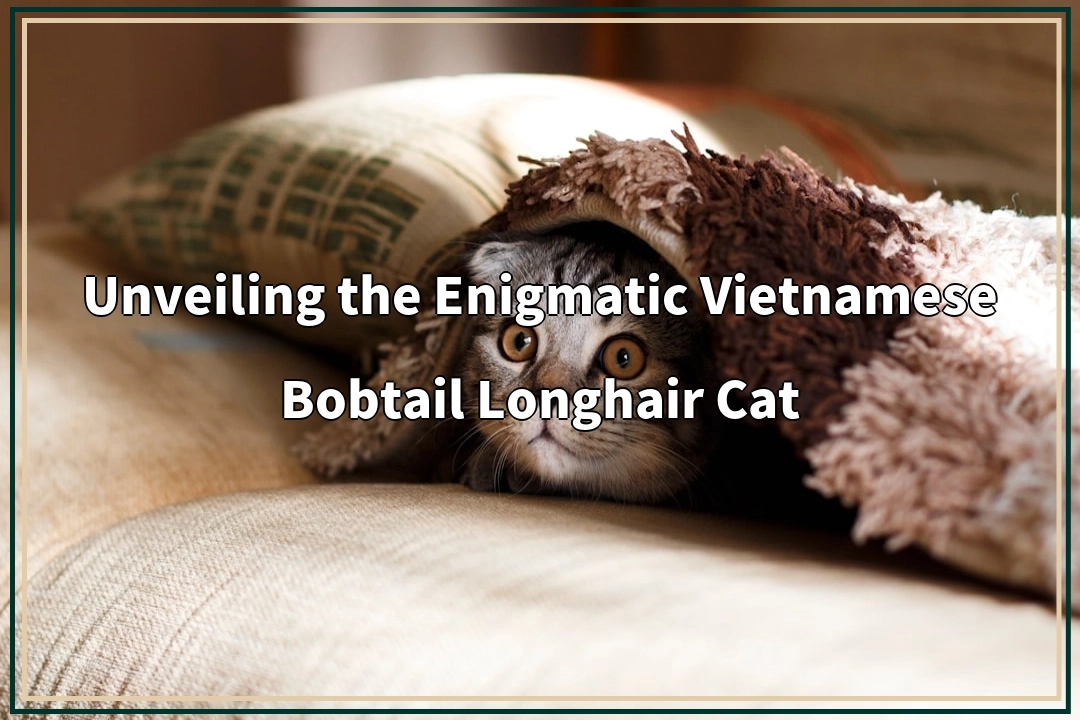
Discovering the Allure of the Vietnamese Bobtail Longhair
The Vietnamese Bobtail Longhair cat is a captivating breed that enchants cat lovers with its unique appearance and charming personality. Known for its distinctive bobbed tail and luxurious long fur, this breed is not just a pretty face; it also boasts a rich history and a playful demeanor that makes it a delightful companion. Have you ever wondered what makes this breed so special? Or perhaps you’re curious about its origins and characteristics? In this exploration, we will delve into the fascinating world of the Vietnamese Bobtail Longhair, uncovering the traits that set it apart from other feline companions.
Understanding the Vietnamese Bobtail Longhair
The Vietnamese Bobtail Longhair is a breed that stands out due to its unique physical traits and vibrant personality. This breed is characterized by its short, stubby tail, which is a result of a natural genetic mutation. Unlike many other cat breeds, the Vietnamese Bobtail Longhair’s tail is not just short; it is often described as being “bobbed,” resembling a pom-pom or a rabbit’s tail. This distinctive feature is one of the primary reasons why this breed has garnered attention and admiration from cat enthusiasts around the world.
Originating from Vietnam, this breed has a rich cultural significance. The Vietnamese Bobtail Longhair is often associated with good luck and prosperity in Vietnamese culture. In fact, these cats are frequently depicted in traditional Vietnamese art and folklore, symbolizing happiness and fortune. The breed’s history can be traced back to the rural areas of Vietnam, where they were cherished as companions and protectors of homes, helping to control rodent populations.
In terms of appearance, the Vietnamese Bobtail Longhair is a medium-sized cat with a well-proportioned body. Their long, flowing fur is soft and silky, often coming in a variety of colors and patterns. Common colorations include white, black, and various shades of tabby, often with striking markings that enhance their beauty. Their large, expressive eyes can be blue, green, or gold, adding to their captivating charm.
Beyond their physical attributes, the Vietnamese Bobtail Longhair is known for its playful and affectionate nature. These cats are highly social and thrive on interaction with their human companions. They are often described as being intelligent and curious, making them quick learners who enjoy engaging in play and exploration. Their friendly disposition makes them excellent family pets, as they tend to get along well with children and other animals.
As a breed, the Vietnamese Bobtail Longhair is relatively healthy, but like all cats, they can be prone to certain genetic conditions. Regular veterinary check-ups and a balanced diet are essential to ensure their well-being. Grooming is also an important aspect of care, as their long fur requires regular brushing to prevent matting and to keep their coat looking its best.
In summary, the Vietnamese Bobtail Longhair is a breed that combines beauty, charm, and a rich cultural heritage. With their unique appearance and engaging personality, they have captured the hearts of many cat lovers around the globe. Whether you are considering adding one of these delightful felines to your family or simply want to learn more about them, the Vietnamese Bobtail Longhair is a breed that is sure to leave a lasting impression.

Distinctive Traits of the Vietnamese Bobtail Longhair
The Vietnamese Bobtail Longhair cat is a breed that captivates with its unique physical and behavioral characteristics. This breed is particularly known for its short, bobbed tail, which is a result of a natural genetic mutation. Unlike many other breeds, the tail of the Vietnamese Bobtail Longhair is not just short; it is often described as being fluffy and rounded, resembling a pom-pom. This distinctive feature not only sets them apart visually but also contributes to their playful and curious nature.
In terms of size, the Vietnamese Bobtail Longhair is a medium-sized cat with a well-proportioned body. They typically weigh between 6 to 12 pounds, making them a manageable size for families and individuals alike. Their long, flowing fur is one of their most striking features, and it comes in a variety of colors and patterns. Common colorations include white, black, cream, and various shades of tabby, often adorned with unique markings that enhance their beauty.
The breed’s facial structure is equally charming, characterized by a rounded head, large, expressive eyes, and prominent cheekbones. Their eyes can be blue, green, or gold, and they are known for their expressive nature, often reflecting their mood and curiosity. The ears are medium-sized and slightly rounded at the tips, contributing to their overall adorable appearance.
Beyond their physical attributes, the Vietnamese Bobtail Longhair is known for its vibrant personality. These cats are highly social and thrive on interaction with their human companions. They are playful, intelligent, and curious, often engaging in games and exploration. Their affectionate nature makes them excellent companions, as they enjoy being involved in family activities and often form strong bonds with their owners.
Another notable characteristic of the Vietnamese Bobtail Longhair is their vocalization. They are known to be quite chatty, using a variety of sounds to communicate their needs and desires. This vocal nature can be endearing, as they often “talk” to their owners, expressing their thoughts and feelings. Their playful demeanor, combined with their vocalizations, makes them a delightful addition to any household.
Essential Care and Health for the Vietnamese Bobtail Longhair
Caring for a Vietnamese Bobtail Longhair involves understanding their specific needs, particularly in terms of diet and health. A balanced diet is crucial for maintaining their overall health and well-being. As a medium-sized breed, they require a diet that is rich in high-quality protein to support their active lifestyle. A mix of dry kibble and wet food is often recommended, ensuring that they receive adequate hydration and nutrition.
When selecting cat food, it is essential to look for options that list meat as the primary ingredient. This ensures that the cat is receiving the necessary nutrients to support muscle development and energy levels. Additionally, incorporating omega fatty acids into their diet can promote healthy skin and a shiny coat, which is particularly important for the long-haired variety of this breed.
Regular feeding schedules are also important. Adult Vietnamese Bobtail Longhairs typically do well with two meals a day, while kittens may require more frequent feeding to support their growth. It’s crucial to monitor their weight and adjust their food intake accordingly, as obesity can lead to various health issues.
In terms of health, the Vietnamese Bobtail Longhair is generally considered a healthy breed. However, like all cats, they can be prone to certain genetic conditions. Regular veterinary check-ups are essential to monitor their health and catch any potential issues early. Common health concerns for this breed may include dental problems, obesity, and hereditary conditions such as hypertrophic cardiomyopathy (HCM), which is a heart condition that can affect cats.
Maintaining dental health is particularly important for the Vietnamese Bobtail Longhair. Regular brushing of their teeth and providing dental treats can help prevent periodontal disease, which is common in cats. Additionally, ensuring that they have access to fresh water at all times is vital for their overall health.
Grooming is another essential aspect of care for the Vietnamese Bobtail Longhair. Their long fur requires regular brushing to prevent matting and to keep their coat looking its best. Depending on the cat’s activity level and environment, grooming sessions should be conducted at least once a week, or more frequently during shedding seasons. This not only helps maintain their coat but also provides an opportunity for bonding between the cat and its owner.
In summary, the Vietnamese Bobtail Longhair is a breed that requires attentive care and a balanced diet to thrive. Understanding their unique characteristics and health needs will ensure that they remain happy and healthy companions for years to come.

Integrating the Vietnamese Bobtail Longhair into Your Home
Welcoming a Vietnamese Bobtail Longhair into your home is a rewarding experience that can enrich your life and that of your family. This breed is known for its affectionate nature and playful spirit, making it an excellent companion for households of all sizes. Whether you have children, other pets, or are living alone, the Vietnamese Bobtail Longhair adapts well to various living situations.
One of the most appealing traits of the Vietnamese Bobtail Longhair is its sociable demeanor. These cats thrive on companionship and are known to form strong bonds with their human family members. They enjoy being involved in daily activities and are often found following their owners around the house, eager to participate in whatever is happening. This level of engagement makes them wonderful pets for families, as they tend to be gentle and tolerant, even with young children.
When it comes to interactions with other pets, the Vietnamese Bobtail Longhair typically displays a friendly disposition. Their curious and playful nature often leads them to get along well with dogs and other cats. Early socialization is key to ensuring a harmonious environment, so introducing your Vietnamese Bobtail Longhair to other pets at a young age can help foster positive relationships. With proper introductions and supervision, they can coexist peacefully and even form playful bonds.
In terms of activity needs, the Vietnamese Bobtail Longhair is an active breed that requires regular stimulation to keep them happy and healthy. They are known for their playful antics and love engaging in interactive playtime with their owners. Toys that encourage mental and physical exercise, such as feather wands, laser pointers, and puzzle feeders, are great options to keep them entertained.
Additionally, these cats enjoy climbing and exploring, so providing them with cat trees or shelves can enhance their environment and satisfy their natural curiosity. It’s essential to allocate time each day for interactive play, as this not only helps to channel their energy but also strengthens the bond between you and your feline friend.
Another consideration for those living with a Vietnamese Bobtail Longhair is their grooming needs. Regular brushing is necessary to maintain their beautiful coat and prevent matting. Grooming can also serve as a bonding experience, allowing you to spend quality time with your cat while keeping them looking their best. This breed typically enjoys being brushed, making it a mutually enjoyable activity.
Overall, integrating a Vietnamese Bobtail Longhair into your home can be a fulfilling experience. Their affectionate nature, compatibility with families and other pets, and playful demeanor make them a delightful addition to any household. With proper care, attention, and stimulation, you can create a loving environment that allows your Vietnamese Bobtail Longhair to thrive.
Your Questions Answered: Vietnamese Bobtail Longhair FAQs
As interest in the Vietnamese Bobtail Longhair grows, so do the questions potential owners have about this charming breed. Here, we address some of the most frequently asked questions to provide you with a comprehensive understanding of what it means to share your life with a Vietnamese Bobtail Longhair.
1. What is the typical lifespan of a Vietnamese Bobtail Longhair?
The Vietnamese Bobtail Longhair generally has a lifespan of 12 to 15 years, although with proper care and a healthy lifestyle, some may live even longer. Regular veterinary check-ups and a balanced diet are essential in ensuring a long and healthy life for your cat.
2. Are Vietnamese Bobtail Longhairs good with children?
Yes, they are known for their gentle and playful nature, making them excellent companions for children. They are typically tolerant and enjoy engaging in playtime with younger family members. However, it’s important to supervise interactions to ensure that both the child and the cat are comfortable.
3. Do Vietnamese Bobtail Longhairs require a lot of grooming?
While their long fur does require regular grooming, it is relatively low-maintenance compared to some other long-haired breeds. Brushing them once or twice a week is usually sufficient to prevent matting and to keep their coat healthy and shiny. During shedding seasons, more frequent grooming may be necessary.
4. How active are Vietnamese Bobtail Longhairs?
This breed is known for its high activity level. They enjoy playtime and require mental stimulation to keep them engaged. Regular interactive play sessions are essential to keep them happy and to prevent boredom-related behaviors.
5. Can Vietnamese Bobtail Longhairs live in apartments?
Yes, they can adapt well to apartment living, provided they have enough space to play and explore. Cat trees, shelves, and interactive toys can help keep them entertained in smaller living spaces. Just ensure they have access to plenty of mental and physical stimulation.
6. What should I feed my Vietnamese Bobtail Longhair?
A balanced diet rich in high-quality protein is crucial for this breed. Look for cat foods that list meat as the primary ingredient and consider incorporating wet food into their diet for added moisture. Regular feeding schedules are also important for maintaining their health.
By addressing these frequently asked questions, we hope to provide potential owners with valuable insights into the Vietnamese Bobtail Longhair breed. This enchanting cat is not only a delightful companion but also a wonderful addition to any home.
