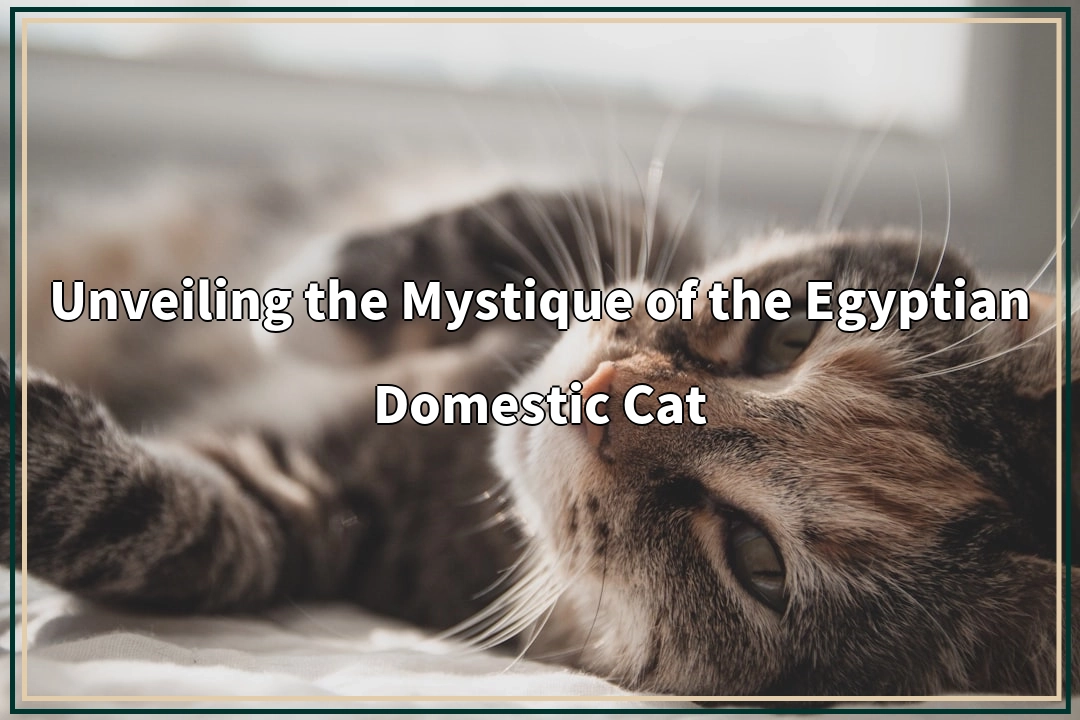
Discovering the Enigmatic Egyptian Domestic Cat
The Egyptian Domestic Cat, a breed steeped in history and mystique, has captivated the hearts of cat lovers around the world. Known for their striking appearance and unique personality traits, these felines are not just pets; they are living links to ancient civilizations. Did you know that the domestication of cats can be traced back to ancient Egypt, where they were revered as sacred animals? This fascinating connection to history makes the Egyptian Domestic Cat a subject of intrigue and admiration.
Understanding the Egyptian Domestic Cat
The Egyptian Domestic Cat, often simply referred to as the Egyptian cat, is a breed that embodies the rich cultural heritage of Egypt. These cats are believed to have originated from the African wildcat, Felis lybica lybica, around 1500 B.C. in the region that is now modern-day Egypt. This breed is one of the oldest domesticated cat breeds, and its lineage can be traced back to the time when cats were first domesticated to control rodent populations in agricultural societies.
Historically, cats held a significant place in ancient Egyptian society. They were not only valued for their hunting skills but also revered as symbols of grace and protection. The goddess Bastet, often depicted as a lioness or as a woman with the head of a lioness, was worshipped as the protector of home and family, and she was closely associated with domestic cats. This divine connection elevated the status of cats in ancient Egypt, leading to their mummification and burial alongside their owners, a practice that highlighted their importance in the lives of the Egyptians.
In terms of physical characteristics, the Egyptian Domestic Cat is known for its sleek, athletic build and striking features. They typically have a medium-sized body, long legs, and a wedge-shaped head with large, expressive eyes. Their coat is short and can come in a variety of colors, although the most common is a warm, sandy hue that resembles the desert sands of their homeland. The breed is also known for its unique spotted or marbled patterns, which add to its exotic appearance.
Personality-wise, the Egyptian Domestic Cat is often described as affectionate, intelligent, and playful. They are known for their social nature and tend to form strong bonds with their human companions. Unlike some other breeds that may be more aloof, Egyptian cats thrive on interaction and enjoy being part of family activities. Their playful demeanor and curiosity make them entertaining companions, and they often exhibit dog-like behaviors, such as following their owners around the house.
As a breed, the Egyptian Domestic Cat has adapted well to various living environments, making them suitable for both urban and rural settings. They are generally healthy cats, but like all breeds, they can be prone to certain health issues. Regular veterinary check-ups, a balanced diet, and proper exercise are essential to ensure their well-being. Additionally, their social nature means that they benefit from companionship, whether from humans or other pets, to keep them mentally stimulated and happy.
In summary, the Egyptian Domestic Cat is a breed that not only boasts a rich historical background but also possesses a unique blend of physical beauty and engaging personality traits. Their connection to ancient Egypt and the reverence they received in that society adds an extra layer of fascination to these remarkable felines. As we continue to explore the characteristics and care of the Egyptian Domestic Cat, we uncover the many reasons why they remain a beloved choice for cat enthusiasts around the globe.

Distinctive Traits of the Egyptian Domestic Cat
The Egyptian Domestic Cat is renowned for its striking appearance and captivating personality, making it a beloved choice among cat enthusiasts. This breed is characterized by its sleek, athletic build, which is a reflection of its historical roots as a skilled hunter. The lineage of the Egyptian Domestic Cat can be traced back to ancient Egypt, where these felines were revered not only for their beauty but also for their ability to control pests in agricultural settings.
One of the most notable features of the Egyptian Domestic Cat is its unique coat. Typically, these cats have a short, fine coat that can come in a variety of colors, including sandy, brown, and gray. The most distinctive pattern associated with this breed is the spotted or marbled coat, which adds to their exotic appearance. This characteristic is reminiscent of their wild ancestors, further emphasizing their connection to the natural world.
In addition to their physical traits, the Egyptian Domestic Cat is known for its expressive eyes, which are often large and almond-shaped. These eyes can come in various colors, including green, gold, and copper, and they contribute to the cat’s overall captivating gaze. The breed’s wedge-shaped head and large ears give it an alert and inquisitive expression, further enhancing its charm.
Personality-wise, the Egyptian Domestic Cat is often described as affectionate, intelligent, and playful. These cats are known for their social nature and tend to thrive on interaction with their human companions. Unlike some breeds that may exhibit aloofness, Egyptian cats are eager to engage with their families, often following their owners around the house and participating in daily activities. Their playful demeanor and curiosity make them entertaining companions, and they are known to enjoy interactive playtime with toys or games.
Moreover, the Egyptian Domestic Cat is recognized for its adaptability. They can thrive in various living environments, whether in apartments or larger homes, as long as they receive sufficient attention and stimulation. Their energetic nature means they require regular playtime and mental challenges to keep them engaged and happy. This breed is also known for its vocalizations, often communicating with a range of sounds, from soft chirps to more assertive meows, adding to their interactive personality.
Essential Care and Health for Egyptian Domestic Cats
Caring for an Egyptian Domestic Cat involves understanding their specific needs to ensure a healthy and fulfilling life. A balanced diet is crucial for maintaining their overall health and well-being. These cats require high-quality cat food that is rich in protein, as they are naturally active and need the energy to support their playful nature. Look for cat food that lists meat as the primary ingredient, as this aligns with their carnivorous diet.
In addition to protein, it’s important to provide a balanced mix of carbohydrates, fats, vitamins, and minerals. Cats also need access to fresh water at all times to stay hydrated. Be mindful of their portion sizes to prevent obesity, which can lead to various health issues. Regular feeding schedules can help manage their weight and maintain their energy levels throughout the day.
Health-wise, the Egyptian Domestic Cat is generally a robust breed, but like all cats, they can be prone to certain health concerns. Regular veterinary check-ups are essential to monitor their health and catch any potential issues early. Some common health concerns in this breed include dental problems, obesity, and certain genetic conditions. Ensuring proper dental care, such as regular teeth brushing and dental treats, can help prevent dental diseases.
Additionally, it is important to keep an eye on their weight, as obesity can lead to serious health problems, including diabetes and joint issues. Engaging them in regular exercise through playtime and interactive toys can help maintain a healthy weight and promote overall fitness.
Another aspect of care involves grooming. While the Egyptian Domestic Cat has a short coat that requires minimal grooming, regular brushing can help reduce shedding and keep their coat healthy. Pay attention to their ears and eyes, as regular cleaning can prevent infections and other health issues.
Lastly, providing a stimulating environment is key to their mental health. Egyptian Domestic Cats thrive on interaction and play, so offering a variety of toys, scratching posts, and climbing structures can keep them entertained and mentally engaged. Socialization is also important; these cats enjoy the company of their human families and may benefit from having another pet companion to play with.
In summary, understanding the distinctive traits and essential care requirements of the Egyptian Domestic Cat is vital for any prospective owner. By providing a balanced diet, regular veterinary care, and a stimulating environment, you can ensure that your Egyptian Domestic Cat lives a happy, healthy, and fulfilling life.

Integrating the Egyptian Domestic Cat into Your Home
Welcoming an Egyptian Domestic Cat into your family can be a rewarding experience filled with companionship and joy. Known for their affectionate nature and engaging personalities, these cats are often described as social and interactive. They tend to form strong bonds with their human companions, making them ideal pets for families and individuals alike. This breed is generally compatible with children and other pets, thriving in a lively household where they can participate in daily activities.
When it comes to families, Egyptian Domestic Cats are typically gentle and patient, which makes them excellent companions for children. Their playful demeanor means they enjoy engaging in interactive play, such as chasing toys or participating in games. This interactive play not only keeps them physically active but also fosters a strong bond between the cat and its human family members. However, it’s essential to teach children how to interact gently with cats, as rough handling can lead to stress for the animal.
In terms of compatibility with other pets, Egyptian Domestic Cats usually adapt well to their surroundings. They tend to be curious and sociable, which can help them get along with other cats and even dogs, especially if introduced at a young age. Providing proper introductions and allowing time for the animals to adjust to each other is crucial for ensuring harmonious relationships within a multi-pet household. Egyptian cats are often seen engaging in playful antics with their fellow pets, which can lead to entertaining interactions that brighten up any home.
Activity needs are an essential consideration when bringing an Egyptian Domestic Cat into your home. This breed is known for its energetic and playful nature, which means they require regular exercise to keep them happy and healthy. Daily play sessions are crucial, as they help prevent boredom and associated behavioral issues. Engaging them with interactive toys, feather wands, and puzzle feeders can provide both mental and physical stimulation.
Additionally, providing vertical spaces, such as cat trees or shelves, allows Egyptian Domestic Cats to explore their environment from different heights. They enjoy climbing and perching, which taps into their natural instincts as hunters. Regular playtime not only keeps them physically fit but also satisfies their innate desire to stalk and chase, providing a fulfilling outlet for their energy.
Creating a stimulating environment is key to their happiness. Egyptian Domestic Cats thrive in homes where they have access to various toys, scratching posts, and opportunities for interactive play. It’s essential to rotate their toys periodically to maintain their interest and excitement. Providing opportunities for mental stimulation, such as puzzle toys or training sessions, can also help keep their minds sharp and engaged.
Common Inquiries About the Egyptian Domestic Cat
As prospective owners consider welcoming an Egyptian Domestic Cat into their homes, several questions often arise. Here are some frequently asked questions that can provide valuable insights into this remarkable breed:
1. Are Egyptian Domestic Cats good with children?
Yes, Egyptian Domestic Cats are generally good with children. Their playful and affectionate nature makes them great companions for kids. However, it is essential to supervise interactions to ensure gentle handling and to teach children how to respect the cat’s space.
2. Do Egyptian Domestic Cats get along with other pets?
Yes, Egyptian Domestic Cats tend to adapt well to living with other pets, including dogs and other cats. Early socialization is key to fostering positive relationships, so introducing them to other animals gradually can help ensure a smooth transition.
3. How much exercise do Egyptian Domestic Cats need?
Egyptian Domestic Cats are active and energetic, requiring daily playtime and exercise to stay healthy and happy. Engaging them with interactive toys and providing opportunities for climbing and exploring will help meet their activity needs.
4. What should I feed my Egyptian Domestic Cat?
A balanced diet rich in high-quality protein is essential for the health of an Egyptian Domestic Cat. Look for cat food that lists meat as the primary ingredient and provides a balanced mix of carbohydrates, fats, vitamins, and minerals.
5. Are there any common health issues associated with Egyptian Domestic Cats?
While Egyptian Domestic Cats are generally healthy, they can be prone to certain health concerns, including dental issues and obesity. Regular veterinary check-ups, a balanced diet, and exercise are essential for maintaining their health.
6. How can I keep my Egyptian Domestic Cat mentally stimulated?
Providing a variety of toys, engaging in interactive play, and offering puzzle feeders can help keep your Egyptian Domestic Cat mentally stimulated. Rotating toys and incorporating training sessions can also enhance their cognitive abilities.
By understanding the needs and characteristics of the Egyptian Domestic Cat, potential owners can ensure a harmonious and fulfilling relationship with this enchanting breed. With proper care, attention, and stimulation, these cats can thrive in any loving home.
