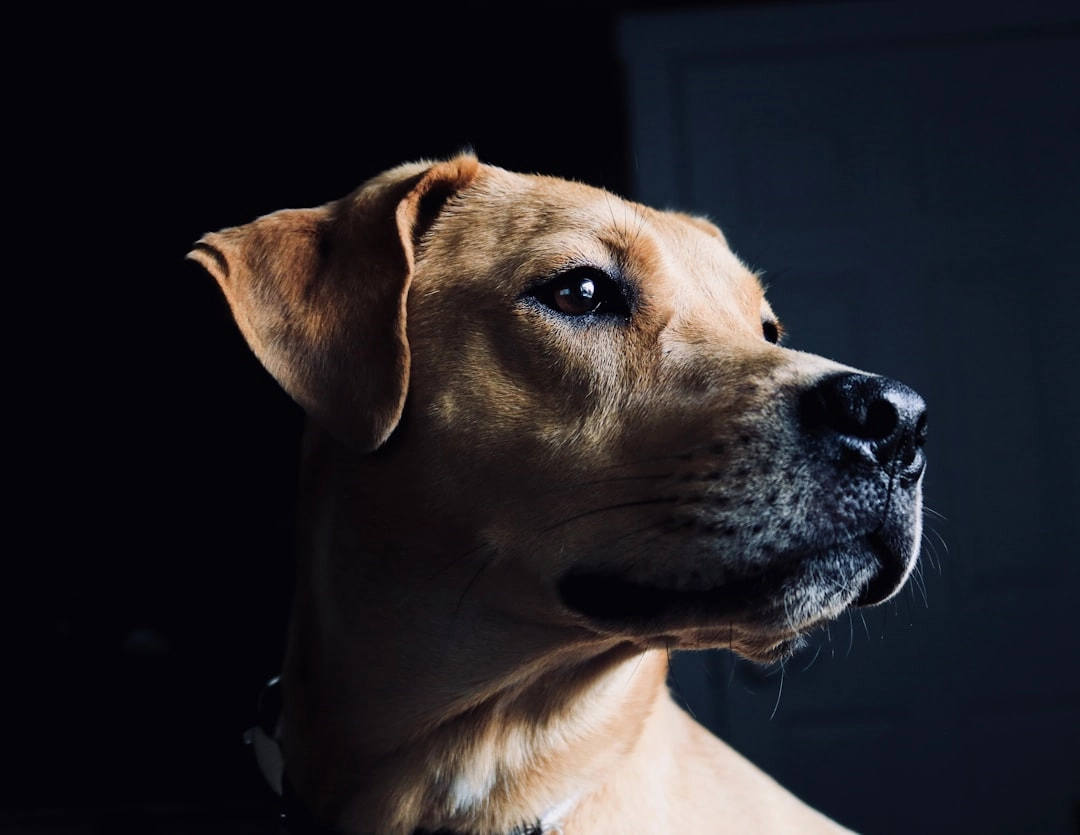
Helping Your Pup Overcome Firework Anxiety
Fireworks can be a source of immense stress for many dogs, leading to anxiety and fear that can manifest in various ways. As pet owners, it’s crucial to understand how to help our furry friends cope with these loud and unpredictable noises. Did you know that firework fear is one of the most common noise-related phobias in dogs? This fear can escalate over time if not addressed properly, making it essential to implement effective solutions to ease their anxiety. In this blog, we will explore various strategies to help your pup feel more secure and calm during firework displays, ensuring that they can enjoy a peaceful environment even amidst the chaos.
Decoding Your Dog’s Fear of Fireworks
Understanding the natural instincts and behaviors of dogs is key to addressing their fear of fireworks. Dogs are inherently sensitive creatures, and their acute hearing allows them to perceive sounds at frequencies that are inaudible to humans. This heightened sense of hearing means that the loud bangs and high-pitched whistles of fireworks can be overwhelming and frightening for them. When faced with such stimuli, many dogs exhibit signs of distress, including trembling, pacing, hiding, or even attempting to escape.
To effectively help your dog cope with firework anxiety, it’s important to recognize the underlying reasons for their fear. Dogs are instinctively wired to seek safety and security, and loud noises can trigger their fight-or-flight response. This response is a natural survival mechanism that can lead to panic when they feel threatened. Understanding this behavior is the first step in helping your pup navigate their fear of fireworks.
One common behavior exhibited by anxious dogs is seeking refuge in small, enclosed spaces. This instinctual response is rooted in their desire to find a safe haven away from perceived threats. As a pet owner, you can facilitate this behavior by providing a designated safe space for your dog during firework displays. This could be a cozy corner in your home, a crate with their favorite blanket, or even a quiet room where they can feel secure. By creating a safe environment, you can help alleviate some of their anxiety.
Another important aspect of understanding your dog’s behavior is recognizing the signs of stress. Dogs may communicate their discomfort through body language, such as cowering, flattening their ears, or avoiding eye contact. Being attuned to these signals allows you to respond appropriately and provide comfort when needed. Additionally, some dogs may exhibit destructive behaviors, such as chewing furniture or digging, as a way to cope with their anxiety. Addressing these behaviors with positive reinforcement and redirection can help your dog feel more at ease.
Desensitization is a powerful tool in helping dogs overcome their fear of fireworks. This process involves gradually exposing your dog to the sounds of fireworks in a controlled and positive manner. Start by playing recordings of fireworks at a low volume while engaging your dog in a fun activity, such as playing with their favorite toy or offering treats. Gradually increase the volume over time, ensuring that your dog remains calm and relaxed throughout the process. This method can help them associate the sound of fireworks with positive experiences, reducing their fear response.
In addition to desensitization, training techniques can also play a significant role in addressing firework anxiety. Teaching your dog basic commands, such as “sit” or “stay,” can provide them with a sense of structure and control during stressful situations. Incorporating positive reinforcement, such as treats and praise, can further encourage desired behaviors and help your dog feel more confident in their ability to cope with anxiety-inducing stimuli.
Enrichment activities can also be beneficial in distracting your dog from the sounds of fireworks. Engaging their minds through puzzle toys, interactive games, or scent work can redirect their focus and provide a sense of fulfillment. Additionally, physical exercise is essential for reducing anxiety levels. Taking your dog for a long walk or engaging in playtime before a firework event can help expend excess energy and promote relaxation.
Finally, it’s important to remember that every dog is unique, and what works for one may not work for another. Patience and understanding are key when helping your pup navigate their fear of fireworks. By employing a combination of desensitization, training, and enrichment techniques, you can create a supportive environment that fosters confidence and security in your furry friend.
Effective Training Techniques for Fearful Dogs
Training plays a crucial role in helping your dog navigate their fear of fireworks. Effective training not only promotes good behavior but also establishes a stronger bond between you and your furry friend. Dogs that receive proper training often have higher confidence levels, which can mitigate anxiety during stressful events such as loud noises from fireworks.
One of the fundamental principles of training is positive reinforcement. This involves rewarding your dog for desired behaviors rather than focusing on punishing undesired ones. When it comes to overcoming firework anxiety, it is essential to use this approach to create positive associations. For example, you can start training your dog to associate the sounds of fireworks with fun and enjoyment. Playing recordings of fireworks at a low volume, while simultaneously offering treats and engaging in play, reinforces the idea that fireworks are not something to be feared.
Teaching basic commands such as “sit,” “stay,” or “come” can also offer your dog structure and instill a sense of security. Implementing these commands during times of calm and slowly practicing them during exposure to less loud sounds will acclimate your dog to following commands even in stressful situations. Through this kind of preparation, dogs can better understand what is expected of them, making it easier for them to settle down during firework displays.
One particular step of training that can be beneficial is the desensitization process. This involves exposing your dog gradually to the sounds they fear while pairing it with something they enjoy—a process called counterconditioning. Initially, play sound recordings of fireworks on a low setting while engaging them with a favorite toy or providing high-value treats. Gradually increase the sound volume as long as they remain calm. This provides consistency to their experience, letting them know that there’s nothing to fear as long as they receive rewards for good behavior. The technique of gradually escalating the stimulus often requires patience but can be rewarding over time.
To successfully carry out this training, make sure to incorporate consistency into your routine. Set aside specific training sessions during quieter times, ensuring a stress-free environment where your dog can better focus. Adhering to routine commands amidst triggered situations helps reinforce what they’ve learned and trains them to better accept increased levels of stimulation without fear.
Training should also involve fostering your dog’s curiosity through engagement. Utilizing socialization as a training method while creating a healthy atmosphere contributes significantly to combating fear. Introducing your pup to a variety of environments, positive stimuli, and enriching activities can decrease fear response tendencies towards specific stimuli over time. Practical day-to-day interactions can boost your pet’s morale and willingness to learn.
Handling Common Behavioral Challenges During Firework Season
Addressing behavioral issues during fireworks is paramount to ensuring the well-being of your frightened pup. Many dogs will exhibit undesirable behaviors due to their extreme anxiety; these behaviors can range from excessive barking, chewing or destructive tendencies to hiding or attempting to flee the house. The first step in dealing with these behaviors is recognizing them for what they truly are—an expression of fear and distress.
Identifying these common issues comes with training insight, making it clear how addressing them with patience and care can significantly help in reducing your pup’s anxiety. If your dog demonstrates behaviors like pacing, attempting to escape, or destructive chewing during firework displays, it signals an urgent need for distraction techniques or specific interventions.
Setting up an anxiety-reducing environment beforehand can also be a crucial mitigation tactic. Use dog-safe soothing products such as anxiety wraps, calming sprays, or aromatherapy—options that can encourage a relaxing atmosphere for your dog when loud noises arise. Crate training may offer similar comfort; as a dog may feel safer and more secure in a cozy designated space that comforts them amid the noises.
Using relaxation techniques, such as introducing music or ambient noise to your dog’s environment, may promote a sense of security. Soft music can mask the sound of fireworks, promoting calming effects, thereby helping your dog focus on more comforting auditory stimuli during a stressful event.
If you observe that these trained exercises do not alleviate your dog’s anxiety or if destructive behaviors emerge despite attempts to curb them, consulting with a professional is advisable. A trained canine behaviorist or veterinarian could provide insights to tailor approaches specific to your dog’s symptoms. They might also recommend calming medications as a short-term assistance approach, alongside a comprehensive behavior modification plan.
Timeliness in addressing these behavioral issues is key. Comprehending how your dog behaves during high-anxiety stimuli—including understanding their thresholds and reactions—paves the way for better preventive measures when dealing with anxiety cases overall. Subsequently offering additional socializing and coping techniques creates deeper-rooted long-lasting security under heavy-sound circumstances.

Boosting Your Dog’s Confidence Through Play and Enrichment
Engaging your dog in mental and physical activities is vital for their overall well-being, especially when they are facing anxiety from fireworks. Enrichment activities can significantly help reduce fear and stress levels, allowing your pup to feel more secure in their environment. By providing a variety of stimulating activities, you not only keep your dog entertained but also help them build confidence and resilience against fear-inducing situations.
The importance of mental stimulation cannot be overstated. Dogs, much like humans, need to exercise their minds to remain healthy and happy. Boredom can lead to unwanted behaviors, such as chewing furniture or excessive barking. Engaging your dog in puzzle toys, interactive games, or scent work can keep their minds occupied and focused on positive activities, rather than fixating on their fear of fireworks. For example, you can hide treats around the house and encourage your dog to find them, or use a treat-dispensing toy that challenges them to figure out how to access the goodies inside.
Physical stimulation is equally important. Regular exercise helps release pent-up energy and can significantly lower anxiety levels. Activities like walking, running, or playing fetch not only provide a great outlet for energy but also foster a sense of routine and stability. This is particularly important during firework season, as a well-exercised dog is generally more relaxed and better able to cope with stressful situations.
Combining mental and physical activities can yield the best results. Consider setting up an obstacle course in your backyard or living room, where your dog can navigate through tunnels, jump over small hurdles, and weave around cones. This type of enrichment encourages physical exercise while also engaging your dog’s problem-solving skills. Incorporating playdates with other dogs can also provide a valuable social aspect, allowing your pup to learn from their peers and build confidence in a safe, supervised environment.
Furthermore, engaging in training sessions that incorporate fun activities can enhance the bond between you and your dog. Training should be seen as a game rather than a chore, which helps to create a positive association with learning. Use clicker training or verbal cues to reinforce good behavior, rewarding your dog with treats and praise. The focus should be on making training enjoyable, so your dog is more likely to engage and learn effectively.
As the firework season approaches, consider integrating these enrichment activities into your dog’s routine. Not only will they help mitigate anxiety, but they will also foster a happier, healthier, and more confident pup. Ultimately, investing time in play and enrichment can lead to lasting benefits, making your dog more adaptable to stressors like fireworks and improving their overall quality of life.
Clearing Up Myths and Misunderstandings About Firework Fear in Dogs
When it comes to understanding dogs and their fear of fireworks, several misconceptions often circulate among pet owners. Clearing up these misunderstandings is essential for ensuring that your dog receives the proper care and support they need during stressful situations.
One common misconception is that dogs will eventually “get used to” the sound of fireworks on their own. While some dogs may become desensitized over time, many will not. In fact, without proper intervention, their fear can escalate, leading to more severe anxiety and destructive behaviors. It is crucial for pet owners to proactively address their dog’s fear rather than assuming it will resolve itself.
Another frequent misunderstanding is that fear-based behaviors, such as hiding or barking excessively, are signs of weakness or poor training. In reality, these behaviors are natural responses to stress and anxiety. Dogs are instinctively wired to react to perceived threats, and it is essential to approach these behaviors with compassion and understanding. Punishing a dog for their fearful reactions can worsen their anxiety and damage the bond of trust between you and your pet.
Some pet owners also believe that medications are the only solution for managing firework fear. While medications can be beneficial in certain cases, they should not be the sole approach. Behavioral modification techniques, training, and enrichment activities should be integrated with any medical treatment to ensure a comprehensive strategy that addresses the root of the issue.
Additionally, there is a misconception that all dogs experience fireworks fear in the same way. In reality, each dog is unique, and their reactions to fireworks can vary significantly based on factors such as breed, age, and prior experiences. Some dogs may display mild signs of anxiety, while others may have severe panic attacks. Understanding your dog’s individual temperament is crucial in developing an effective plan to address their fear.
Lastly, some pet owners may believe that simply isolating their dog during firework displays will alleviate their fear. While creating a safe space is essential, it should be complemented with other strategies such as desensitization and training. Simply leaving a dog alone in a room may not provide the emotional support they need to cope with their anxiety. Engaging with your dog, providing comfort, and using calming techniques can significantly improve their experience during stressful events.
By debunking these common myths and misconceptions, pet owners can better understand their dogs’ needs and take appropriate action to support them during firework season. With patience, empathy, and effective strategies, you can help your pup overcome their fear and enjoy a happier, more secure life.
