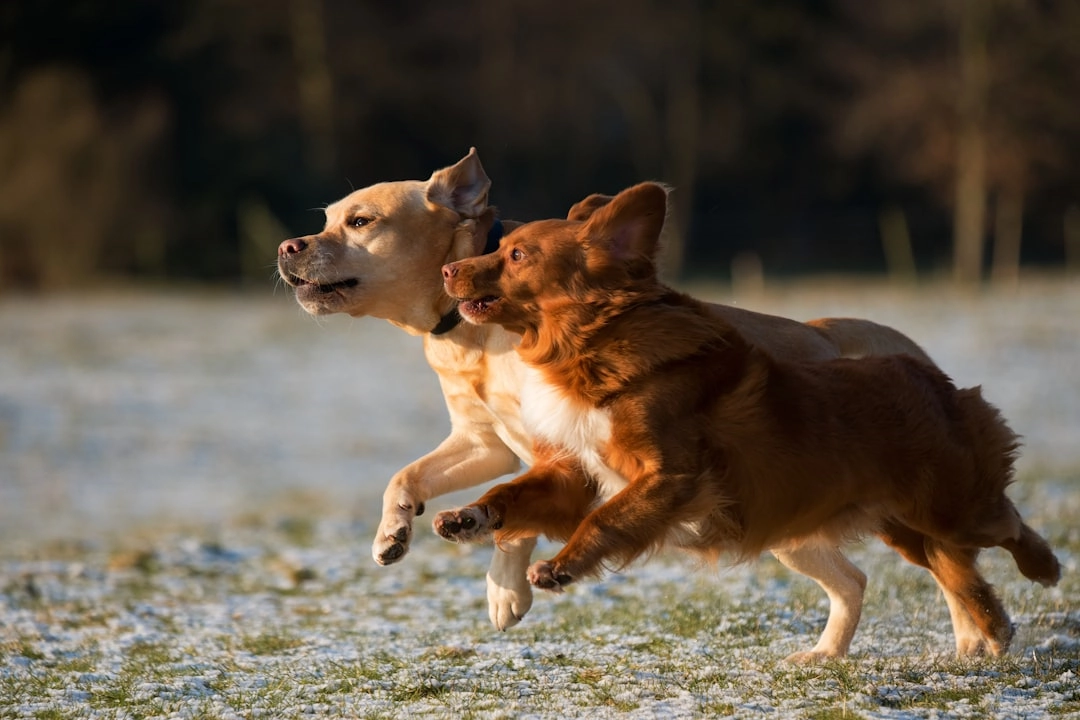
Creating a Calm Environment for Your Puppy
Welcoming a puppy into your home is an exciting adventure filled with joy, laughter, and a few challenges. One of the most significant challenges new puppy owners face is helping their furry friends remain calm around other animals. Puppies, by nature, are curious and energetic, often leading to overwhelming situations when they encounter other pets or wildlife. Understanding how to manage this behavior is crucial for fostering a peaceful coexistence between your puppy and other animals.
Did you know that a puppy’s early experiences with other animals can shape their behavior for life? Socialization is a critical aspect of a puppy’s development, and it plays a vital role in how they interact with other animals. A well-socialized puppy is more likely to remain calm and composed in various situations, while a poorly socialized one may exhibit fear or aggression. This guide aims to provide you with insights and strategies to help your puppy navigate interactions with other animals, ensuring a harmonious environment for everyone involved.
Decoding Your Puppy’s Behavior Around Other Animals
Understanding your puppy’s behavior is essential for effective training and socialization. Puppies communicate through body language, vocalizations, and actions, and recognizing these signals can help you respond appropriately to their needs. Here are some fundamental aspects of puppy behavior that can help you understand their interactions with other animals.
First and foremost, puppies are naturally inclined to explore their surroundings. This instinct drives them to approach other animals, whether they are dogs, cats, or even wildlife. However, this curiosity can sometimes lead to overexcitement or anxiety, especially if the other animal is larger or unfamiliar. It’s essential to observe your puppy’s body language during these encounters. Signs of excitement may include wagging tails, playful barks, and a bouncy demeanor, while signs of anxiety may manifest as tucked tails, growling, or attempts to hide.
Socialization is a critical component of a puppy’s development. The first few months of a puppy’s life are crucial for learning how to interact with other animals. During this period, exposing your puppy to various animals in a controlled and positive manner can help them develop confidence and reduce fear. Positive experiences, such as playdates with well-behaved dogs or supervised interactions with calm cats, can teach your puppy how to behave appropriately around other animals.
Another important aspect of puppy behavior is their play style. Puppies often engage in play fighting, which can sometimes be mistaken for aggression. Understanding the difference between playful behavior and aggressive behavior is vital. Playful puppies will typically exhibit loose body language, take turns chasing each other, and engage in playful barks. In contrast, aggressive behavior may involve stiff body posture, growling, and a lack of willingness to back down. Recognizing these differences can help you intervene when necessary and guide your puppy toward more appropriate interactions.
Additionally, breed-specific behaviors can influence how a puppy interacts with other animals. Some breeds are naturally more social and outgoing, while others may be more reserved or protective. For example, herding breeds like Border Collies may exhibit strong instincts to chase and herd other animals, while toy breeds may be more inclined to be cautious or fearful. Understanding your puppy’s breed characteristics can help you tailor your training and socialization efforts to meet their specific needs.
Finally, it’s essential to create a calm environment for your puppy when introducing them to other animals. This can be achieved through proper training techniques, such as positive reinforcement and desensitization. Gradually exposing your puppy to other animals in a controlled setting can help them build confidence and learn appropriate behaviors. For instance, you can start by allowing your puppy to observe other animals from a distance, rewarding them for calm behavior, and gradually decreasing the distance as they become more comfortable.
In conclusion, understanding your puppy’s behavior around other animals is crucial for fostering a calm and positive environment. By recognizing their natural instincts, socialization needs, and breed-specific traits, you can help your puppy navigate interactions with other animals more effectively. With patience, consistency, and positive reinforcement, you can guide your puppy toward becoming a well-adjusted and calm companion in any situation.
Essential Training Techniques for Your Puppy
Training your puppy is an integral part of responsible pet ownership and helps establish a foundation for their future behavior. Proper training teaches your puppy vital skills and commands, increases their confidence, and fosters a strong bond between you and your furry friend. Importantly, a well-trained dog is often a calm dog, especially in the presence of other animals.
One of the most effective methods to teach your puppy is through positive reinforcement. This method employs rewards, such as treats or praise, to encourage desirable behavior. Not only does this create a pleasurable learning experience for your puppy, but it also fosters a deep sense of trust between the puppy and owner. It’s worth noting that puppies respond much better to encouragement than to discipline, and using positive reinforcement can prevent behavioral problems in the long run.
Starting with basic commands such as “sit,” “stay,” and “down” can significantly reduce excitement and anxiety when other animals are around. The dog is instructed to listen and remain calm, which alleviates stress and communicates your control as the handler. Through repetitive training and rewards, your puppy can be conditioned to remain in a designated calm state in diverse environments.
In addition to foundational commands, your puppy will benefit greatly from socialization training. Puppies should be gradually introduced to a variety of animals and situations, which is crucial during the early developmental stages of their lives. Controlled environments, like puppy classes or supervised playdates with well-mannered dogs, provide the perfect opportunity for learning and adjustment. Just like us, puppies require a mix of engagement and boundaries to thrive.
Furthermore, utilizing specific training games can also promote calmness and relaxation. Activities like “find it,” where your puppy searches for hidden treats, can improve focus and divert their energy in a positive way. Besides enhancing your training methods, they foster independent thought and spatial awareness, making your puppy far more adaptable and calm when they encounter new animals and contexts.
It is essential to be patient during this training process and to conduct sessions that last only 5-10 minutes to hold the puppy’s attention. Frequent, short training sessions generally yield better results than extended sessions, which can lead to distraction or frustration. As your puppy’s skills progress, you can extend training sessions and start introducing more advanced concepts to solidify good behavior even further.
Tackling Behavioral Concerns with Your Puppy
Despite best efforts in training and socialization, behavioral issues can sometimes arise as a puppy navigates different environments and animal encounters. Addressing these concerns early on can ensure that your puppy develops into a well-adjusted adult dog capable of handling diverse situations calmly.
One common behavioral issue seen in puppies is fear or anxiety when encountering new animals. This often manifests in barking, lunging, or trying to hide. If you observe your puppy behaving this way, it’s imperative to not punish them as it could worsen their anxiety. Instead, ensure that each introduction to another animal is positive and relaxed. Use treats and calm verbal encouragement to help them associate new animals with something enjoyable. This gradual exposure will often diminish fear over time as they learn what to expect from their experiences with other dogs.
Furthermore, resource guarding is another situation you might confront. Puppies may display assertive behaviors when they possess food or toys and may react aggressively if they perceive another animal or even person as a threat to what they value. It is crucial to handle these situations sensitively by addressing it through training techniques. Behavioral correction methods like “trading” or teaching “drop it” can resolve conflicts while ensuring the puppy understands sharing positively.
If problem behaviors persist despite your best training efforts, consult a professional dog trainer or behaviorist experienced in behavioral modification strategies. Expert advice can provide fresh insights and approaches and a detailed evaluation of your puppy’s challenges can guide you towards efficient solutions.
Finally, keep in mind that tackling behavior issues is an ongoing process that requires consistency. Puppy owners should remain aware of their puppy’s overall wellbeing and behavior in addition to adjusting their training strategies whenever they observe potential issues. Regular feedback and evolution in your approach will enhance your bond with your puppy and reinforce that positive behavior is commendable.
In summary, every puppy is unique, and training combined with appropriate responses to behavioral issues can create lasting changes to shape your puppy into a pleasant companion. Through patience, structured training approaches, and positivity, you will help transform your puppy’s anxious tendencies into calmness and composure around other animals.

Engaging Your Puppy: The Role of Enrichment and Play
Providing your puppy with a variety of engaging activities is crucial for their development and overall well-being. Mental and physical stimulation not only keeps your puppy entertained but also helps prevent behavioral issues that may arise from boredom or excess energy. A well-enriched environment can transform a hyperactive puppy into a calm, well-adjusted companion, especially when interacting with other animals.
Puppies, like children, require a balance of structured play and free exploration to develop their skills and social behaviors. Incorporating both physical and mental enrichment activities can provide the necessary stimulation to keep your puppy engaged. Physical activities, such as walks, fetch, and agility exercises, help expend energy, while mental stimulation can be achieved through puzzle toys, scent games, and obedience training.
One effective way to engage your puppy is through interactive toys that challenge their problem-solving abilities. Puzzle feeders or treat-dispensing toys can keep your puppy occupied for extended periods, allowing them to use their intellect while also satisfying their natural instincts to hunt and forage. By keeping their minds active, you not only enrich their lives but also reduce the likelihood of undesirable behaviors, such as chewing or digging, that often arise from boredom.
Incorporating social play with other animals is equally important for a puppy’s development. Playdates with well-behaved dogs can provide valuable experiences in social interaction, helping your puppy learn how to navigate relationships with other animals. Observing and participating in their play allows them to develop communication skills and learn appropriate boundaries. However, it’s crucial to supervise these interactions to ensure they remain positive and safe.
Structured play sessions can also teach your puppy to follow commands while having fun. Games like “hide and seek,” where your puppy has to find you or their favorite toy, can reinforce training commands while allowing for physical activity. These games encourage mental engagement and can help your puppy develop a stronger bond with you as they learn to rely on your guidance during play.
Furthermore, incorporating enrichment activities into your puppy’s daily routine can help them learn to relax and be calm around other animals. For example, after a play session, you can guide your puppy to a quiet area for some downtime. Providing a cozy space with toys, chews, or even calming music can help them unwind, reinforcing the idea that relaxation is also a vital part of their daily life.
Overall, a well-rounded approach to enrichment and play can significantly enhance your puppy’s ability to remain calm around other animals. By ensuring that their physical and mental needs are met, you set the stage for a well-behaved and content puppy who can handle the various interactions they will encounter throughout their lives.
Debunking Myths: Addressing Common Questions and Misconceptions
As a puppy owner, you may encounter various questions and misconceptions regarding the behavior and training of your furry friend. Addressing these common queries can help clarify misunderstandings and guide you toward more effective training and socialization practices.
One common misconception is that puppies will naturally learn how to behave around other animals without any guidance. While puppies have innate instincts, they require structured training and socialization to learn appropriate behaviors. Just like humans, puppies learn best through experiences, and it is essential for owners to actively engage in their training and socialization efforts to help them develop good habits.
Another prevalent myth is that aggressive behavior in puppies is merely a phase that they will outgrow. While it is true that some puppies may exhibit more boisterous behavior during their development, addressing aggressive tendencies early on is crucial. Ignoring these behaviors can lead to serious issues later in life. Seeking the help of a professional trainer or behaviorist can provide insights into effective strategies to mitigate aggression and ensure a well-adjusted adult dog.
Some owners may also believe that certain breeds are inherently better with other animals than others. While breed traits can influence behavior, individual personality and early socialization experiences play a more significant role in determining how a puppy interacts with other animals. It is vital to remember that each puppy is unique, and factors such as environment, training, and experiences can shape their behavior.
Additionally, some owners may assume that their puppy’s behavior will automatically improve with age. While it is true that puppies tend to mellow out as they mature, it is essential to continue training and providing mental stimulation throughout their lives. Ongoing engagement helps maintain their good behavior and keeps them mentally sharp, reducing the likelihood of developing behavioral issues later on.
Lastly, there is a misconception that using physical discipline is an effective way to train a puppy. In reality, physical punishment can lead to fear, anxiety, and aggression, which can exacerbate behavioral problems. Positive reinforcement techniques, on the other hand, foster trust and a strong bond between the owner and the puppy, leading to more successful training outcomes.
In summary, addressing common questions and misconceptions about puppy behavior is vital for successful training and socialization. By debunking myths and providing accurate information, you can create a supportive environment for your puppy, helping them grow into a well-adjusted and calm companion around other animals.
