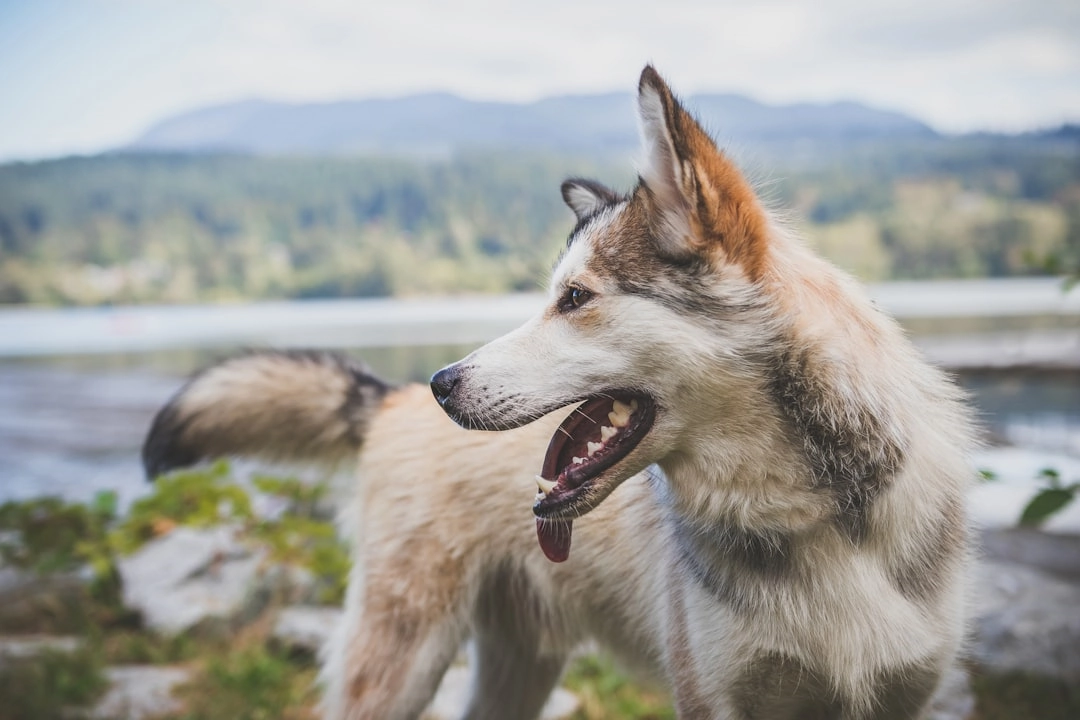
Addressing Puppy Overgrooming: An Essential Guide
Puppy overgrooming is a behavior that can perplex pet owners, often leading to concern about the underlying causes and potential health implications. Many dog owners may wonder why their furry companions engage in excessive licking, chewing, or grooming, and what can be done to address this behavior effectively. Surprisingly, overgrooming is not just a cosmetic issue; it can indicate deeper emotional or physical problems that require attention. Understanding the reasons behind this behavior is crucial for ensuring the well-being of your puppy and fostering a healthy relationship between you and your pet.
In this guide, we will explore the various factors contributing to puppy overgrooming, including stress, anxiety, and medical conditions. By gaining insight into these aspects, pet owners can take proactive steps to mitigate overgrooming and promote a happier, healthier life for their puppies. Whether you are a new puppy parent or have years of experience, this guide aims to provide valuable information and practical strategies to help you address this common issue.
Decoding Puppy Overgrooming: Understanding Their Behavior
To effectively tackle puppy overgrooming, it is essential to first understand the natural instincts and behaviors of dogs. Puppies, like their adult counterparts, have a range of innate behaviors that can manifest in various ways. Overgrooming can often be a response to environmental stressors, boredom, or even a way to self-soothe. Recognizing these behaviors and their triggers is the first step in addressing the issue.
One of the primary reasons puppies may engage in overgrooming is anxiety. Just like humans, dogs can experience stress and anxiety due to changes in their environment, such as moving to a new home, the arrival of a new family member, or even loud noises like thunderstorms or fireworks. When faced with these stressors, some puppies may resort to excessive grooming as a coping mechanism. This behavior can provide temporary relief, but it can also lead to skin irritations and other health problems if left unaddressed.
Another factor contributing to overgrooming is boredom. Puppies are naturally curious and energetic creatures that require mental and physical stimulation. If they do not receive enough exercise or engaging activities, they may turn to grooming as a way to occupy themselves. This behavior can become habitual, leading to excessive licking or chewing that can harm their skin and coat. Providing adequate enrichment through play, training, and socialization is essential to prevent boredom-related overgrooming.
Medical issues can also play a significant role in overgrooming behavior. Conditions such as allergies, skin infections, or parasites like fleas can cause discomfort and itching, prompting puppies to groom excessively in an attempt to alleviate their irritation. It is crucial for pet owners to monitor their puppies for any signs of skin problems or discomfort and consult a veterinarian if they suspect a medical issue. Early intervention can prevent further complications and help address the root cause of the overgrooming behavior.
Understanding the unique personality and breed characteristics of your puppy can also provide insight into their grooming habits. Different breeds may have varying tendencies toward grooming behaviors based on their historical roles and instincts. For example, some breeds are more prone to anxiety or have higher energy levels, which can influence their grooming habits. By recognizing these breed-specific traits, pet owners can tailor their approach to address overgrooming effectively.
In summary, addressing puppy overgrooming requires a comprehensive understanding of the underlying causes and behaviors associated with this issue. By recognizing the signs of anxiety, boredom, and potential medical problems, pet owners can take proactive steps to mitigate overgrooming and promote a healthier, happier life for their puppies. In the following sections, we will delve deeper into practical strategies and solutions to help you combat puppy overgrooming effectively.
Effective Training Strategies for Reducing Overgrooming
Training your puppy effectively can play a pivotal role in addressing the issues of overgrooming. Training not only strengthens the bond between you and your furry friend but also helps to establish boundaries and encourage desired behaviors. Understanding why training is critical can serve as the foundation for a structured plan. When it comes to managing excessive grooming, focusing on building commands and responses can aid in redirecting attention and lessening anxiety, both of which are vital in reducing overgrooming incidents.
First and foremost, successful training hinges on the use of positive reinforcement techniques. This method has been shown to work more effectively than using punishments or negative stimuli, which can lead to further anxiety in puppies. When your puppy behaves appropriately, especially during times when you notice their tendency to overgroom, provide plenty of praise and some high-value treats. This establishes a clear association in your pup’s mind; good behavior, such as playing instead of grooming, results in rewards.
Starting with simple commands like “sit” and “stay” can be highly effective in developing your puppy’s overall obedience. Additionally, incorporating commands that specifically redirect focus away from grooming behaviors can significantly alleviate their urge to overgroom. When you see your puppy starting to lick or chew excessively, use commands you’ve practiced regularly to divert their attention; for example, teaching “leave it” can halt an impending bout of overgrooming while providing enough motivation through treats or toys for your puppy to comply.
During training sessions, consistency is your greatest ally. Set aside time each day to practice basic obedience skills along with commands that minimize excessive grooming. Like many skills, training requires repetition, ensuring your puppy firmly understands the associations being taught. By keeping training sessions short yet frequent, around 5 to 10 minutes a few times a day, you’ll maximize concentration while avoiding overwhelm.
Introducing social interactions and learning events is another technique that encourages healthy outlets for energy and anxiety reduction. Your puppy requires opportunities for both socialization and mental engagement. Setting up playdates with other friendly dogs, enrolling in puppy training classes, or participating in local dog parks can offer rich settings where puppies learn to behave with interaction instead of repeating overgrooming behaviors. Thus, engaging your puppy’s interest in the surrounding will provide not only supervision but also lead to memorable experiences while reducing excessive grooming.
Visual aids, such as photos or short videos for commands like “fetch” or “drop it,” can creatively incorporate multimedia tools into your training. Having training supports makes learning engaging and effective, helping bridge communication between you and your puppy even more strongly. Use flash cards or poster signs around your house as a reminder for consistently associated behaviors. Great setups prompt recall abilities in everyday situations by summarizing cues provided during your sessions.
Tackling Overgrooming: Comprehensive Solutions for Behavioral Challenges
Addressing the behavioral challenges that lead to overgrooming requires keen observation and informed decision-making on the pet owner’s part. Throughout your journey with your puppy, various behavioral issues might surface, impacting their desire to excessively lick or chew themselves. It’s imperative to stay in tune with changes in their behavior and interact with your vet if anything seems abnormal.
Regular monitoring allows dog owners to spot external factors affecting their puppies negatively. Overgrooming could stem from environmental stressors such as anxiety due to sudden life changes or health alterations affecting your puppy’s skin condition. Be aware of additional considerations that may heighten the stress levels—canine companions are likely to develop additional anxiety issues if resources like shelter are inconsistent. Consistency in your puppy’s routine also plays a major role in cultivating stability.
Sometimes, overgrooming is inherently tied to underlying health complications. Allergies, hot spots, or other conditions causing itching often lead to further irritation on exposed skin. To mitigate repeated overgrooming, as a responsible dog owner, communicate regularly with your veterinarian. Routine check-ups alongside targeted diagnostics will ensure necessary interventions can be initiated for underlying medical issues, alleviating the source contributing to excessive licking, chewing, and grooming.
Separately, behavior modification strategies may become practical tools as behavioral specialists are more frequently leaning towards gradual conditioning treatments. Many find Cognitive Behavioral Therapy beneficial, but formal methodologies vary from methods considering dog peer partners towards traditional behavioral constraints. For reducing instances of panic-attack behaviors—including anxiety-based responses driving excessive overgrooming—a delicate therapeutic process exists primarily in altering mental responses associating punishment drives toward grooming pursuits positively instead. Validate feelings with methods geared toward building comfort in dogs.
In summary, conquering the emotional, health, and behavioral side of overgrooming issues deeply intertwines puppy owners successfully modifying instinctual behavior traits altogether. Understanding their environmental flux utilizes learned and conditional activities bound between ensuring strategy alongside checks where they occur maximizes outcomes related toward behaviors we enhance improvements for both puppies and humans alike at once.

Boosting Puppy Well-Being Through Play and Enrichment
Providing mental and physical stimulation is crucial in combating puppy overgrooming. Puppies, like young children, are naturally curious and energetic. They require various activities to keep their minds engaged and their bodies active. Without adequate enrichment, they may turn to overgrooming as a means to cope with boredom or anxiety. By understanding the importance of enrichment and play, pet owners can create a more fulfilling environment that reduces the likelihood of excessive grooming behaviors.
Engaging your puppy in different forms of play not only satisfies their physical needs but also contributes significantly to their mental development. Interactive toys, puzzle feeders, and training games are excellent ways to stimulate your puppy’s brain. These toys encourage problem-solving skills and keep them focused on tasks other than grooming. Incorporating varied activities into their daily routine ensures they remain mentally challenged and less likely to develop harmful behaviors.
Physical exercise is equally important for preventing overgrooming. Regular walks, fetch games, and agility training help to expend pent-up energy that might otherwise manifest as grooming. A tired puppy is generally a well-behaved puppy, as exercise helps to alleviate stress and anxiety. Aim for at least 30 minutes of structured playtime daily, supplemented by additional exploration and socialization opportunities.
Social interactions also play a vital role in enriching your puppy’s life. Puppy playgroups, dog parks, and training classes allow them to interact with other dogs and people, providing both social stimulation and physical activity. These interactions can help to reduce anxiety and promote positive behaviors, which are crucial for a balanced puppy. The more positive experiences they have, the less likely they are to resort to overgrooming as a coping mechanism.
Incorporating various activities into your puppy’s daily routine can also help keep them engaged. Consider rotating toys to maintain their interest and introducing new games that challenge their skills. Activities such as hide-and-seek, scent work, or even simple obedience training can keep your puppy mentally stimulated. The key is to find a balance between physical exercise and mental enrichment, ensuring that both aspects are catered to effectively.
Finally, be mindful of your puppy’s individual needs and preferences. Some dogs may thrive in high-energy environments, while others may prefer calmer activities. Observing their behavior can provide insights into what forms of enrichment will work best for them. By tailoring your approach to their specific personality and energy levels, you can create an environment that minimizes the risk of overgrooming and fosters overall well-being.
Clearing Up Myths About Puppy Overgrooming
Understanding the common questions and misconceptions surrounding puppy overgrooming can help pet owners better address this issue. Many owners may feel confused or overwhelmed by the signs of overgrooming, leading to misunderstandings about its causes and solutions. By addressing these common inquiries, we can provide clarity and empower pet owners to take effective action.
One common misconception is that overgrooming is solely a behavioral issue. While it can stem from anxiety or boredom, it may also be linked to underlying medical conditions. Allergies, skin infections, and parasites can all cause discomfort, prompting your puppy to lick or chew excessively. It’s essential to consult with a veterinarian to rule out any health problems that may be contributing to the behavior.
Another frequent question revolves around whether overgrooming is a sign of poor training or discipline. Many pet owners worry that their puppy’s excessive grooming indicates a lack of obedience or behavioral control. However, it is crucial to understand that overgrooming is often a response to stress or discomfort rather than a deliberate act of disobedience. Focusing on training and behavior modification can help, but addressing the root causes of anxiety or irritation is equally important.
Some pet owners also wonder if certain breeds are more prone to overgrooming than others. While all puppies can develop this behavior, some breeds may be more susceptible due to their temperament or genetic predispositions. For example, breeds that are known for high anxiety levels, such as Border Collies or German Shepherds, may exhibit overgrooming tendencies more frequently. Understanding your puppy’s breed characteristics can help tailor your approach to their specific needs.
Lastly, many pet owners question the effectiveness of enrichment activities in preventing overgrooming. Some may feel that simply providing toys or exercise is not enough to address the behavior. However, enrichment plays a vital role in reducing anxiety and boredom, both of which can lead to overgrooming. By offering a variety of engaging activities and social opportunities, pet owners can create a more stimulating environment that significantly decreases the likelihood of excessive grooming.
In summary, addressing puppy overgrooming requires a comprehensive understanding of both the behavioral and medical factors involved. By dispelling myths and providing clear answers to common questions, pet owners can take informed steps to combat overgrooming effectively. Implementing enrichment activities, understanding individual needs, and consulting with veterinarians will contribute to a happier, healthier puppy.
