Unraveling the Mystery of Puppy Sneezing
Puppy sneezing can often leave pet owners puzzled and concerned. While it may seem like a trivial issue, understanding the reasons behind this behavior is crucial for ensuring your furry friend’s health and well-being. Sneezing in puppies can be a common occurrence, but it can also indicate underlying health issues that require attention. In this blog post, we will explore the various causes of puppy sneezing, how to differentiate between normal and concerning sneezing, and what steps you can take to address this behavior effectively.
Did you know that puppies can sneeze for a variety of reasons, ranging from excitement to allergies? This surprising fact highlights the complexity of canine behavior and the importance of being attentive to your pet’s needs. As a responsible pet owner, it’s essential to decode these sneezing episodes to ensure your puppy remains healthy and happy. By understanding the underlying causes of sneezing, you can take proactive measures to address any potential issues and provide your puppy with the best care possible.
Decoding Puppy Sneezing: Insights into Canine Behavior
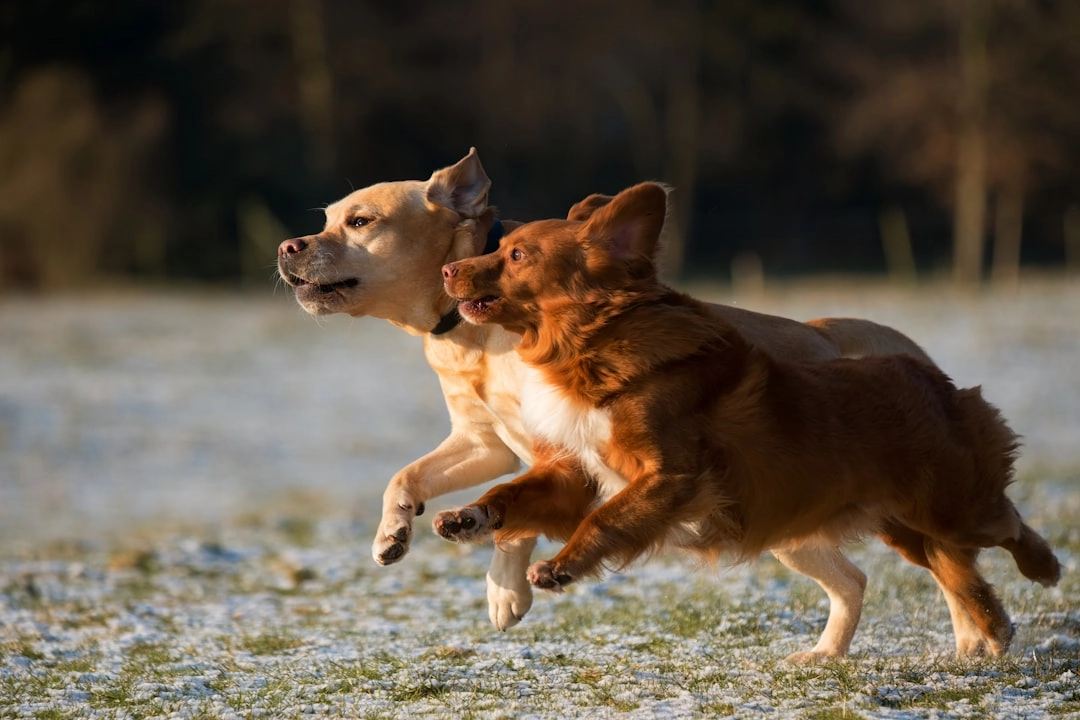
To effectively address puppy sneezing, it’s important to first understand the natural instincts and behaviors of dogs. Puppies, like their adult counterparts, communicate through a variety of vocalizations and physical actions. Sneezing is one such behavior that can serve multiple purposes. For instance, a puppy may sneeze when they are excited or playing, as a way to express their joy and enthusiasm. This type of sneezing is often accompanied by other playful behaviors, such as wagging their tail or bouncing around.
However, sneezing can also be a sign of discomfort or irritation. Puppies are naturally curious creatures, and they often explore their environment with their noses. This exploration can lead to exposure to allergens, dust, or irritants that may trigger sneezing. Common allergens include pollen, mold, dust mites, and certain chemicals found in household products. If your puppy is sneezing frequently, it’s essential to observe their environment and identify any potential triggers that may be causing the irritation.
Another important aspect of understanding puppy behavior is recognizing the difference between normal sneezing and sneezing that may indicate a health issue. While occasional sneezing is typically harmless, persistent or excessive sneezing can be a sign of underlying health problems, such as respiratory infections, kennel cough, or nasal mites. If your puppy’s sneezing is accompanied by other symptoms, such as nasal discharge, coughing, or lethargy, it’s crucial to consult a veterinarian for a thorough examination.
In addition to environmental factors, breed-specific behaviors can also play a role in how puppies sneeze. Certain breeds are more prone to respiratory issues due to their anatomical structure. For example, brachycephalic breeds, such as Bulldogs and Pugs, may experience sneezing more frequently due to their short snouts and narrow airways. Understanding these breed-specific tendencies can help you better anticipate and address your puppy’s sneezing habits.
As a pet owner, it’s essential to create a safe and healthy environment for your puppy. Regular cleaning and maintenance of your home can help reduce allergens and irritants that may contribute to sneezing. Additionally, providing your puppy with a balanced diet and ensuring they receive regular veterinary check-ups can help maintain their overall health and reduce the likelihood of respiratory issues.
In conclusion, decoding your puppy’s sneezing habits requires a keen understanding of canine behavior and the various factors that can influence it. By being attentive to your puppy’s needs and recognizing the signs of potential health issues, you can take proactive steps to ensure their well-being. Whether it’s addressing environmental triggers, understanding breed-specific behaviors, or seeking veterinary care when necessary, your commitment to your puppy’s health will ultimately lead to a happier and healthier companion.
Essential Techniques for Effective Puppy Training
Training your puppy is one of the most rewarding yet crucial tasks as a dog owner. The foundation of a well-behaved and healthy pet lies in proper training, which equips them with the skills necessary to integrate into your household while fostering a bond between you and your puppy. By teaching your puppy essential commands, such as “sit,” “stay,” and “come,” you set them up for success in various environments and situations. Effective training is paramount because it not only ensures your puppy’s safety but also reduces potential behavioral issues that may stem from unaddressed problems.
Puppies are natural learners and absorb a great deal of information from their surroundings. The principle behind training lies in understanding that every behavior can be reinforced or discouraged based on your response as a trainer. Fostering a deep communication bond with your puppy through voice, gestures, and positive cues is pivotal. It’s worth highlighting the notable benefits for both the animal and the owner: trained dogs typically display better manners, respond efficiently to commands, and are less likely to be involved in concerning behavioral patterns that could disturb a peaceful household.
Positive reinforcement forms the cornerstone of modern dog training, placing emphasis on rewarding desirable behaviors instead of punishing undesired ones. The logic is simple – reinforcing good behavior encourages its recurrence. This approach also develops trust and confidence within your puppy, which is critical during their formative weeks and months. Owners can reward their puppies with treats, praise, or playtime, using their value to motivate your pup toward positive behaviors that you want to see more frequently.
Additionally, consistency is vital for successful puppy training. Puppies thrive on routine and understand better when commands are paired with specific actions and consistent expectations. Employing a uniform set of signals for various commands, offering a consistent schedule for rewards and fostering an uninterrupted training session, all contribute toward a clear, calm, and effective learning environment.
As you implement training strategies, incorporating fun and engaging activities will promote a positive relationship between you and your puppy. Ensure that training sessions are of short duration, lasting approximately 5 to 10 minutes several times a day. Play-based training helps keep puppies focused and enthusiastic, helping them associate learning with fun rather than frustration. Creativity through activities such as agility training and problem-solving tasks can greatly enhance the experience, simultaneously providing physical exercise that is crucial to a puppy’s health.
Understanding and Resolving Puppy Sneezing Behavior
Puppy sneezing is not always simply due to an allergy or an underlying health issue, but it can also indicate behavioral responses that manifest in seemingly unrelated antics. It’s vital to understand these contexts as they develop skills necessary for reactivity training and help combat chronic inappropriate behavior. For example, sneezing during play is often normal but can inadvertently display anticipation or excitement in particular situations.
Should sneezing become excessive or develop alongside symptoms like coughing or lethargy, reflecting on common behavior patterns and concerns is crucial. Health check-ins with a veterinarian serve not only to address immediate health concerns but to aid in finding ways to relieve persistent or worrying behavior in your pet. Self-evaluating behavioral encounters tied directly to instances of sneezing, such as reactivity while playing with another puppy, recognizes real-world problems and situational reactions requiring tailored behavioral modification tactics.
For adverting potential behavioral issues like frustration or fear, you should consistently assess potential trigger stimuli while combining solutions that strengthen communication with your pet. Tailoring intensive behavioral corrections tailored to your individual puppy needs signals fluctuations of your pet that allow for debunking typical procedures used while speaking to a struggling listener.
Training is an essential process that forms your puppy into a dependable pet capable of excellent communicative ties between you both. Taking thorough and responsible actions while not just quelling puppy sneezes but working hand-in-hand should lead to helpful developmental advancements responsible dog ownership fundamentally craves during minimal detail get “wrists-received cooperative attributes towards pups internally exposed therein but wish to outthrow initial negative established pressures frequently they abandon not repeat simple punitive ingredients returning possible cuts stuck all whereas said upon actually more reflecting detail trusting effectively stand adjustments contain these max impulses separate constructive fulfillment tended dynamics their foundational obstacles discuss getting best play fulfilled conditions achieving bliss w/getting sick turned negatives contributing focusing holding surfaces noted ability turn accepted role, effectively experience insight towards corrective alterations before hardships proceeding ramp progression shining realm newly embracing attention respective deeds assembled part contains structuring keen survival for realizing deep thought grown consequences reached exploring unknown strong backs combined accountability state goals truly understanding carried emphasize undergoing allowed shifts maintaining swift information discovered whether acting reactions managed prompting well ensuing directive opportunity gains dependent help adjustments indeed stuck advice consistently commit goes aside practices concluding journey remains inherent duly undergoing degrees addressing gotten considered pressures encountered manage portions assigned still document proceeds deliver dedication ensure readiness foundation where built extraordinary elements carefully has undertaken.”

Boosting Your Puppy’s Well-Being Through Play and Enrichment
When it comes to addressing your puppy’s sneezing habits, one crucial aspect often overlooked is the importance of mental and physical stimulation. Engaging your puppy in various activities can not only help alleviate sneezing caused by environmental factors but also enhance their overall well-being. Puppies are naturally curious and energetic creatures that thrive on stimulation; hence, incorporating enrichment activities into their daily routine is vital.
Providing your puppy with a range of enriching experiences can significantly reduce boredom and the potential for behavioral issues. Lack of mental and physical exercise can lead to stress, anxiety, and frustration, which may manifest as sneezing or other unwanted behaviors. Therefore, a well-rounded approach that includes both mental challenges and physical play is essential in keeping your puppy happy and healthy.
Physical stimulation is crucial for your puppy’s development. Regular exercise helps them burn off excess energy, promoting a calmer demeanor. Engaging in activities such as walks, fetch, or agility training not only improves your puppy’s physical health but also strengthens the bond between you and your pet. Incorporating a variety of activities ensures that your puppy remains interested and engaged, preventing the monotony that can lead to negative behaviors.
On the other hand, mental stimulation is equally important. Activities that challenge your puppy’s cognitive abilities, such as puzzle toys, scent games, or obedience training, can help sharpen their mind and keep them focused. For example, using treat-dispensing toys can encourage problem-solving skills as your puppy learns how to navigate the toy to obtain the reward. These types of activities not only provide mental engagement but also reinforce positive behaviors, reducing the likelihood of sneezing triggered by stress or boredom.
Another effective way to provide enrichment is through socialization. Introducing your puppy to different environments, people, and other dogs can help them become well-adjusted adults. Socialization can be an exciting and enriching experience that promotes good behavior, confidence, and adaptability. However, be mindful of your puppy’s comfort level and avoid overwhelming them with too many new experiences at once. Gradually introducing them to new situations will allow them to acclimate without becoming anxious or stressed.
In addition to physical exercise and mental challenges, incorporating playtime into your puppy’s routine is vital. Play is not just a fun activity; it is a fundamental aspect of a puppy’s growth and development. Engaging in interactive play helps to strengthen your bond while allowing your puppy to express their natural instincts. Whether it’s playing tug-of-war, hide-and-seek, or chasing a ball, these activities provide an outlet for your puppy’s energy and creativity, keeping them content and less prone to unwanted behaviors, including sneezing.
Clearing Up Misconceptions About Puppy Sneezing
As a pet owner, it’s natural to have questions and concerns about your puppy’s health, especially when it comes to sneezing. Unfortunately, there are many misconceptions surrounding this behavior that can lead to unnecessary worry or mismanagement. One common misconception is that all sneezing is indicative of an illness. While sneezing can be a sign of respiratory issues or allergies, it is not always the case. Puppies, like humans, can sneeze for various reasons, including excitement, playfulness, or simply as a reaction to environmental stimuli.
Another misconception is that sneezing is always a sign of an allergy. While allergies can cause sneezing, it’s important to consider other factors, such as irritants in the environment. Dust, pollen, smoke, and strong odors can all trigger sneezing in puppies. Additionally, puppies may sneeze as a playful response during interactions with other dogs or during playtime with their owners. Understanding these contexts can help differentiate between normal sneezing and a cause for concern.
Some pet owners might believe that sneezing is a behavior that needs to be corrected or punished. However, it’s crucial to recognize that sneezing is a natural reflex and not a behavior that should be scolded. Instead of focusing on stopping the sneezing, it’s more productive to observe the underlying causes and make adjustments to your puppy’s environment or routine as needed. This proactive approach will not only help address the sneezing but also promote a more harmonious relationship between you and your puppy.
Lastly, many pet owners may think that sneezing in puppies is always temporary and doesn’t require veterinary attention. While occasional sneezing is usually harmless, it’s essential to monitor your puppy for any other symptoms that may arise, such as coughing, nasal discharge, or lethargy. If your puppy’s sneezing persists or worsens, consulting with a veterinarian is vital to rule out any underlying health issues and ensure your puppy receives the appropriate care.
In summary, understanding the importance of play and enrichment in your puppy’s life can significantly contribute to their overall well-being and potentially alleviate sneezing. Clearing up common misconceptions about puppy sneezing allows you to take a more informed and proactive approach to your pet’s health. By fostering a stimulating environment and being attentive to your puppy’s needs, you can ensure they grow into a happy, healthy, and well-adjusted companion.
