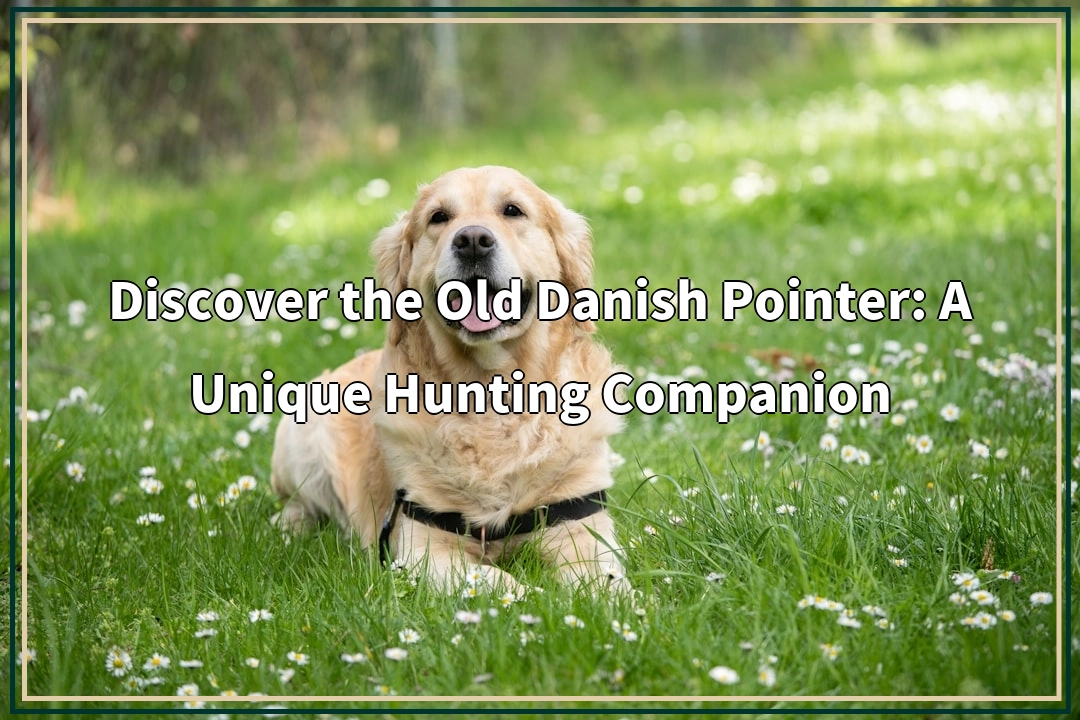
Unveiling the Old Danish Pointer: A Remarkable Hunting Breed
The Old Danish Pointer, a breed steeped in history and tradition, is not just a dog; it is a testament to Denmark’s rich hunting culture. Known for its exceptional skills in tracking and pointing game, this breed has captured the hearts of hunters and dog enthusiasts alike. But what makes the Old Danish Pointer so unique? With its origins dating back to the early 18th century, this breed has a fascinating story that intertwines with the development of hunting practices in Denmark. As we delve into the world of the Old Danish Pointer, you’ll discover not only its impressive capabilities but also the deep-rooted connection it shares with its human companions.
Understanding the Old Danish Pointer: History and Characteristics
The Old Danish Pointer, also known as Gammel Dansk Hønsehund, is recognized as Denmark’s oldest pointing breed. Its history can be traced back to 1710 when a man named Morten Bak began experimenting with breeding local farm dogs that exhibited desirable traits for hunting. By crossing these dogs with imported pointing breeds, likely of Spanish origin, Bak aimed to create a versatile hunting companion capable of locating and retrieving game.
Over the years, the Old Danish Pointer has evolved into a robust and reliable breed, known for its keen sense of smell and unwavering determination in the field. This breed was primarily developed for hunting birds, particularly game birds, and has been a favored choice among hunters for its ability to work in various terrains and conditions.
One of the most striking features of the Old Danish Pointer is its physical appearance. These dogs are medium to large in size, with a well-proportioned body that exudes strength and agility. Their coat is typically short and dense, providing protection against the elements while allowing for ease of movement. The breed’s coloration can vary, but it often includes a combination of white with black or brown patches, giving them a distinctive and appealing look.
In terms of temperament, the Old Danish Pointer is known for its friendly and sociable nature. These dogs are not only loyal companions but also thrive on human interaction. They are intelligent and eager to please, making them relatively easy to train. However, their strong hunting instincts mean that they require consistent training and socialization from an early age to ensure they develop into well-rounded pets.
As a breed that has faced challenges throughout its history, the Old Danish Pointer was on the brink of extinction after World War II. However, dedicated breeders established a breed club in 1947, working tirelessly to restore the population and preserve the breed’s unique characteristics. Today, the Old Danish Pointer is celebrated not only for its hunting prowess but also for its role as a beloved family pet.
In summary, the Old Danish Pointer is a remarkable breed that embodies the spirit of hunting and companionship. With its rich history, distinctive appearance, and friendly temperament, this breed continues to capture the hearts of dog lovers and hunters alike. Whether you’re considering adding an Old Danish Pointer to your family or simply want to learn more about this fascinating breed, understanding its origins and characteristics is the first step in appreciating all that it has to offer.

Distinctive Traits of the Old Danish Pointer
The Old Danish Pointer is a breed that stands out not only for its impressive hunting abilities but also for its unique physical and behavioral characteristics. This breed is recognized for its robust build, which reflects its history as a hunting dog. Typically, the Old Danish Pointer has a medium to large stature, with males generally being larger than females. Their strong, muscular bodies are designed for endurance and agility, essential traits for a dog that was bred to traverse various terrains while hunting.
One of the most notable features of the Old Danish Pointer is its coat. The breed usually sports a short, dense coat that is weather-resistant, allowing it to perform well in different climates. The coat is predominantly white, often adorned with patches of black or brown, giving the dog a striking appearance. This coloration not only adds to the breed’s aesthetic appeal but also serves a practical purpose in the field, helping hunters spot their dogs against the backdrop of nature.
In terms of temperament, the Old Danish Pointer is known for its friendly and sociable nature. These dogs are highly affectionate and form strong bonds with their families. They thrive on human interaction and are often described as eager to please, making them relatively easy to train. Their intelligence and willingness to learn contribute to their effectiveness as hunting companions. However, it’s important to note that their strong hunting instincts can sometimes lead to a stubborn streak, requiring consistent training and positive reinforcement to guide their behavior.
Another key characteristic of the Old Danish Pointer is its keen sense of smell and remarkable tracking abilities. This breed is particularly adept at locating game birds, which is why it has been a favored choice among hunters for centuries. Their natural instincts make them excellent at pointing and retrieving, and they are known for their enthusiasm and energy in the field. However, this same energy means that they require regular exercise and mental stimulation to keep them happy and healthy.
Overall, the Old Danish Pointer is a breed that embodies the spirit of adventure and companionship. With its unique combination of physical traits, friendly demeanor, and impressive hunting skills, it is no wonder that this breed has earned a special place in the hearts of dog lovers and hunters alike.
Essential Care and Health for the Old Danish Pointer
Caring for an Old Danish Pointer involves understanding its specific needs, particularly in terms of diet and health. As a breed that was developed for hunting, the Old Danish Pointer requires a balanced diet that supports its active lifestyle. High-quality dog food that is rich in protein is essential, as it provides the necessary energy for their daily activities. Look for dog foods that list meat as the first ingredient, as this indicates a higher protein content.
In addition to protein, the diet of an Old Danish Pointer should include healthy fats, carbohydrates, vitamins, and minerals. Omega fatty acids are particularly beneficial for maintaining a healthy coat and skin, while carbohydrates provide the energy needed for their active nature. It is advisable to consult with a veterinarian to determine the best dietary plan tailored to your dog’s age, weight, and activity level.
Regular feeding schedules are important for maintaining a healthy weight and preventing obesity, which can lead to various health issues. Adult Old Danish Pointers typically do well with two meals a day, while puppies may require more frequent feeding. Always ensure that fresh water is available to keep your dog hydrated, especially after exercise.
Health-wise, the Old Danish Pointer is generally considered a robust breed, but like all dogs, they can be prone to certain health issues. Some common concerns include hip dysplasia, ear infections, and skin allergies. Regular veterinary check-ups are crucial for early detection and management of any potential health problems. Additionally, maintaining good ear hygiene is important, as the breed’s floppy ears can trap moisture and lead to infections.
Another aspect of health care for the Old Danish Pointer is exercise. This breed thrives on physical activity and requires regular exercise to stay healthy and happy. Daily walks, playtime, and opportunities to run in a safe, enclosed area are essential for their well-being. Engaging in activities that stimulate their natural hunting instincts, such as scent work or agility training, can also be beneficial.
Overall, providing proper care and attention to the dietary and health needs of the Old Danish Pointer is vital for ensuring a long, healthy, and fulfilling life. With the right approach to care, these remarkable dogs can thrive as both hunting companions and beloved family pets.

Integrating the Old Danish Pointer into Your Family Life
The Old Danish Pointer is more than just a skilled hunting companion; it is also a loving family member that can seamlessly integrate into your home. Known for its friendly disposition and affectionate nature, this breed tends to get along well with children and adults alike. Their social temperament makes them an excellent choice for families who are looking for a dog that can provide companionship and joy.
One of the standout characteristics of the Old Danish Pointer is its playful demeanor. These dogs thrive on interaction and often seek out the company of their human family members. Their loyalty and affectionate behavior make them particularly good with children, as they tend to be gentle and patient. However, it’s essential to supervise interactions between dogs and young children to ensure that play remains safe and enjoyable for everyone involved.
When it comes to other pets, the Old Danish Pointer generally displays a friendly attitude. With proper socialization from an early age, these dogs can coexist peacefully with other dogs and even cats. However, due to their strong hunting instincts, it is advisable to introduce them to smaller animals with caution. The breed’s natural prey drive can sometimes lead to chasing behavior, so training and supervision are crucial in mixed-pet households.
In terms of activity needs, the Old Danish Pointer is a high-energy breed that requires ample exercise to remain happy and healthy. Daily walks, play sessions, and opportunities to run off-leash in a secure area are vital for meeting their physical and mental stimulation requirements. Engaging them in activities that tap into their hunting instincts, such as scent work or agility courses, can provide an excellent outlet for their energy and keep their minds sharp.
These dogs thrive in environments where they have space to roam and explore. If you live in an apartment or a smaller home, it is essential to ensure that you can provide enough exercise and mental stimulation through regular outings and activities. A bored Old Danish Pointer can develop behavioral issues, so maintaining a routine that includes plenty of physical activity is essential for their well-being.
Training is another critical aspect of living with an Old Danish Pointer. These dogs are intelligent and eager to please, making them relatively easy to train. However, consistent and positive reinforcement techniques are necessary to encourage good behavior. Early socialization and obedience training can help shape them into well-mannered companions that are a joy to have around.
Your Questions Answered: Old Danish Pointer Insights
As with any breed, prospective owners of the Old Danish Pointer often have questions about their care, behavior, and compatibility with family life. Below are some frequently asked questions that can provide further insights into what it’s like to live with this remarkable breed.
1. Are Old Danish Pointers good family dogs?
Yes, Old Danish Pointers are known for their friendly and affectionate nature, making them excellent family dogs. They are gentle with children and tend to bond closely with their human companions.
2. How much exercise does an Old Danish Pointer need?
This breed requires a significant amount of exercise due to its high energy levels. Daily walks, playtime, and opportunities for off-leash running are essential for keeping them physically and mentally stimulated.
3. Do Old Danish Pointers get along with other pets?
Generally, Old Danish Pointers can coexist well with other dogs and pets, especially when properly socialized from a young age. However, caution should be taken with smaller animals due to their natural prey drive.
4. What kind of training is best for an Old Danish Pointer?
Positive reinforcement training methods work best for this breed. They are intelligent and eager to please, so using treats and praise during training can lead to effective results. Early socialization and obedience training are also important.
5. Are there any common health issues with Old Danish Pointers?
While generally healthy, Old Danish Pointers can be prone to certain health issues such as hip dysplasia and ear infections. Regular veterinary check-ups and a balanced diet can help manage their health effectively.
6. What is the lifespan of an Old Danish Pointer?
The average lifespan of an Old Danish Pointer ranges from 12 to 14 years. Providing them with a healthy diet, regular exercise, and routine veterinary care can contribute to a longer, healthier life.
By understanding the characteristics and needs of the Old Danish Pointer, potential owners can make informed decisions about bringing this breed into their homes. With the right environment, training, and care, the Old Danish Pointer can be a loyal and loving companion that enriches family life.
