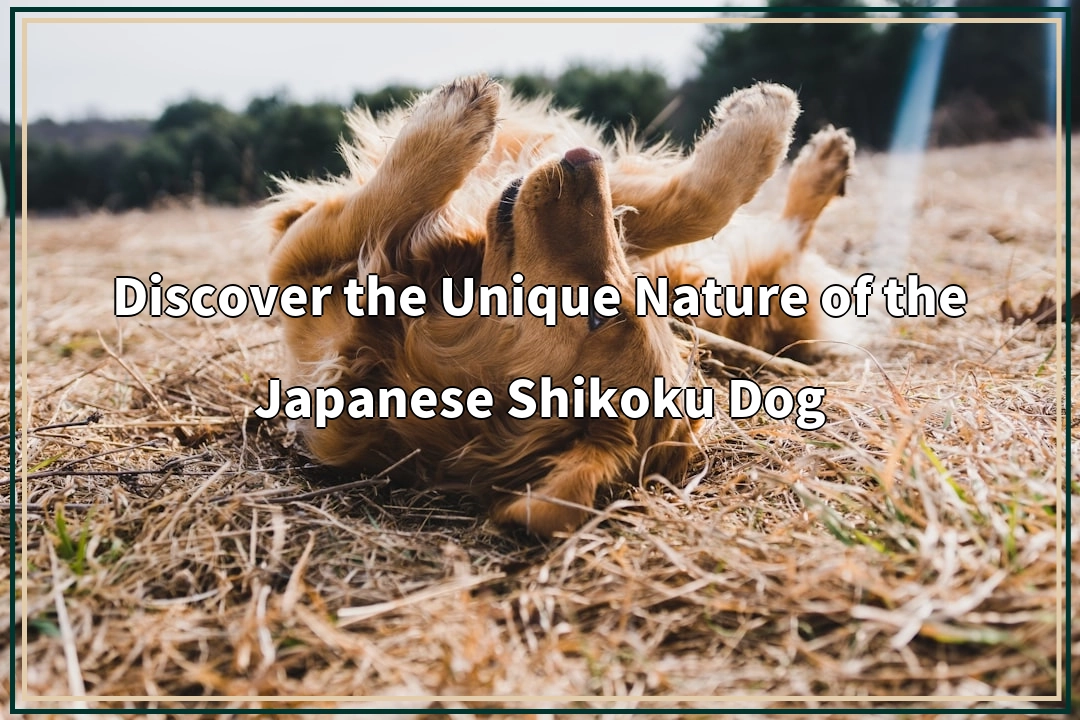
Unveiling the Charm of the Japanese Shikoku Dog
The Japanese Shikoku Dog, a breed steeped in history and tradition, is a captivating canine that has captured the hearts of dog lovers around the world. Known for its agility, loyalty, and spirited nature, this breed is not just a pet but a companion that embodies the essence of its native land, Japan. Did you know that the Shikoku Dog is one of the six native Japanese breeds recognized for its unique characteristics and historical significance? This breed has a rich heritage that dates back centuries, making it a fascinating subject for anyone interested in dogs and their origins.
Understanding the Shikoku Dog: A Breed Overview
The Shikoku Dog, also known as Shikoku Inu or Kochi Ken, hails from Shikoku Island, Japan. This medium-sized breed is renowned for its striking appearance, which resembles that of a typical spitz. With its pricked ears, curled tail, and wolf-like features, the Shikoku Dog is not only visually appealing but also possesses a strong and agile physique. Originally bred for hunting, these dogs were used to track and hunt large game, including boars and deer, showcasing their tenacity and natural hunting instincts.
Historically, the Shikoku Dog was developed in the mountainous regions of Shikoku Island, where it adapted to the rugged terrain and harsh weather conditions. The breed’s lineage can be traced back to the 16th century, and it is believed to have descended from the ancient Japanese dogs that were brought to the island by early settlers. Over the years, the Shikoku Dog has maintained its status as a loyal and brave companion, earning a reputation for its intelligence and alertness.
In 1937, the Japanese government recognized the Shikoku Dog as a living “natural monument,” highlighting its cultural significance and the need for preservation. This recognition has helped to maintain the breed’s purity and has contributed to its popularity both in Japan and internationally. Today, the Shikoku Dog is cherished not only for its hunting abilities but also for its affectionate nature and strong bond with its human companions.
One of the defining characteristics of the Shikoku Dog is its temperament. These dogs are known for being loyal, energetic, and intelligent, making them excellent companions for active families. They thrive in environments where they can engage in physical activities and mental stimulation. However, their independent nature can sometimes pose challenges for novice dog owners, as they may exhibit stubbornness and a strong will. Proper training and socialization from an early age are essential to ensure that the Shikoku Dog develops into a well-mannered and obedient pet.
In terms of appearance, the Shikoku Dog typically stands between 17 to 21 inches tall at the shoulder and weighs around 35 to 55 pounds. Their coat is double-layered, consisting of a soft undercoat and a harsh outer coat, which provides protection against the elements. The breed comes in various colors, including red, sesame (red with black-tipped hairs), and brindle. Their striking appearance, combined with their spirited personality, makes them a favorite among dog enthusiasts.
As a breed that has been shaped by its environment and history, the Shikoku Dog embodies the spirit of Japan. Its unique characteristics and loyal nature make it a remarkable companion for those who appreciate the rich heritage of this ancient breed. Whether you are considering adding a Shikoku Dog to your family or simply want to learn more about this fascinating breed, understanding its origins and traits is essential to appreciating the unique nature of the Japanese Shikoku Dog.

Distinctive Traits of the Japanese Shikoku Dog
The Japanese Shikoku Dog is a breed that stands out not only for its striking appearance but also for its remarkable personality traits. Known for its loyalty, intelligence, and energetic disposition, the Shikoku Dog has a rich history that influences its characteristics today. This breed, which originated from Shikoku Island, is often recognized for its spitz-like features, including a well-proportioned body, erect ears, and a curled tail that adds to its unique charm.
One of the most notable characteristics of the Shikoku Dog is its agility and athleticism. Originally bred for hunting, these dogs possess a natural instinct for tracking and chasing, making them exceptional companions for active individuals or families. Their strong hunting background means they have a high energy level and require regular exercise to stay healthy and happy. Daily walks, playtime, and mental stimulation are essential to prevent boredom and destructive behavior.
In terms of temperament, the Shikoku Dog is known for being loyal and devoted to its family. They form strong bonds with their owners and can be quite protective, making them excellent watchdogs. However, this loyalty can sometimes translate into a cautious demeanor around strangers. Early socialization is crucial to help them develop a well-rounded personality and to ensure they are comfortable in various environments.
Shikoku Dogs are also known for their intelligence and problem-solving abilities. They are quick learners and respond well to positive reinforcement training methods. However, their independent nature can sometimes lead to stubbornness, which may pose challenges for inexperienced dog owners. Consistent training and clear boundaries are essential to help them thrive as obedient companions.
Another distinctive trait of the Shikoku Dog is its grooming needs. Their double coat, consisting of a soft undercoat and a harsher outer coat, requires regular brushing to prevent matting and to manage shedding. While they are relatively clean dogs and do not have a strong odor, maintaining their coat is important for their overall health and appearance. Regular grooming sessions can also serve as an opportunity to check for any skin issues or parasites.
Essential Care and Health Considerations for Shikoku Dogs
Caring for a Japanese Shikoku Dog involves understanding their specific needs, particularly regarding diet and health. A well-balanced diet is crucial for maintaining their energy levels and overall well-being. High-quality dog food that meets their nutritional requirements is essential, as these dogs are active and require adequate protein, fats, and carbohydrates to support their lifestyle.
When selecting a diet for your Shikoku Dog, look for options that list real meat as the primary ingredient. Protein sources such as chicken, beef, or fish should be at the forefront of their food. Additionally, incorporating healthy fats, such as omega-3 and omega-6 fatty acids, can promote a shiny coat and healthy skin. Carbohydrates from whole grains or vegetables can provide the necessary energy for their active nature.
Portion control is also important to prevent obesity, which can lead to various health issues. Shikoku Dogs are prone to weight gain if their diet is not carefully monitored, especially if they are not getting enough exercise. Regular feeding schedules and measuring food portions can help maintain a healthy weight.
In terms of health concerns, Shikoku Dogs are generally considered a healthy breed, but they can be susceptible to certain genetic conditions. Common health issues include hip dysplasia, patellar luxation, and certain eye conditions. Regular veterinary check-ups are essential to monitor their health and catch any potential issues early on.
Another important aspect of care is ensuring that your Shikoku Dog receives appropriate vaccinations and preventive care. Regular vaccinations against common canine diseases, as well as flea and tick prevention, are crucial for maintaining their health. Additionally, dental care should not be overlooked; regular brushing and dental chews can help prevent dental issues that are common in many dog breeds.
Overall, the Japanese Shikoku Dog requires a balanced approach to care that includes proper nutrition, regular exercise, and routine health check-ups. By understanding their unique characteristics and health needs, owners can ensure that their Shikoku Dog leads a happy, healthy, and fulfilling life.

Integrating the Japanese Shikoku Dog into Your Family Life
The Japanese Shikoku Dog is not just a pet; it’s a loyal companion that can seamlessly integrate into a family dynamic, provided the environment is suitable for its needs. This breed is known for its strong bonds with family members and is typically affectionate and protective. However, potential owners should be aware of the breed’s characteristics to ensure a harmonious relationship within the household.
Shikoku Dogs tend to get along well with children, making them a great choice for families. Their playful nature and energetic disposition mean they can engage in activities and games, which children often enjoy. However, as with any breed, supervision is important, especially when interacting with younger kids, to prevent any accidental rough play. Teaching children how to interact respectfully with the dog will foster a positive relationship and help the Shikoku feel comfortable and secure.
When it comes to other pets, Shikoku Dogs can coexist peacefully with other dogs, especially if they are socialized early on. Their hunting instincts might lead them to view smaller pets, such as cats or rodents, as prey. Therefore, if you have other animals in the household, it is crucial to introduce them slowly and monitor their interactions closely. Positive reinforcement can help facilitate friendly relationships among all pets.
Activity levels are another critical aspect to consider when living with a Shikoku Dog. These dogs are highly energetic and require regular exercise to maintain their physical and mental health. Daily walks, play sessions, and interactive games are essential to prevent boredom and behavioral issues. A Shikoku Dog thrives in environments where it can explore, run, and engage in stimulating activities. Ideally, they should have at least an hour of vigorous exercise each day, which can include hiking, running, or playing fetch.
Additionally, mental stimulation is just as important as physical activity for this intelligent breed. Engaging them in puzzle toys, training sessions, and obedience exercises can keep their minds sharp and prevent destructive behaviors that may arise from boredom. Because Shikoku Dogs are known for their independent nature, it is essential to maintain a consistent training routine that incorporates commands and tricks to channel their intelligence positively.
In summary, living with a Japanese Shikoku Dog can be a rewarding experience, provided you understand their needs for companionship, exercise, and mental stimulation. With the right environment and care, this breed can become a beloved member of the family, offering loyalty, affection, and joy.
Your Questions About the Japanese Shikoku Dog Answered
As a breed that has piqued the interest of many dog lovers, the Japanese Shikoku Dog often comes with a set of frequently asked questions. Here are some of the most common inquiries that potential owners may have regarding this unique breed.
1. What is the temperament of the Japanese Shikoku Dog?
The Shikoku Dog is known for its loyal, energetic, and intelligent nature. They are typically friendly with family members but may be cautious around strangers. Early socialization is essential to help them develop a well-rounded temperament.
2. How much exercise does a Shikoku Dog need?
Shikoku Dogs are highly active and require at least an hour of exercise each day. Activities can include walking, running, playing fetch, or engaging in dog sports. Mental stimulation is equally important, so incorporating training and puzzle games can be beneficial.
3. Are Shikoku Dogs good with children?
Yes, Shikoku Dogs generally do well with children. Their playful and energetic nature makes them great companions for kids. However, supervision is necessary to ensure safe interactions, especially with younger children.
4. What are the grooming needs of a Shikoku Dog?
Shikoku Dogs have a double coat that requires regular brushing to prevent matting and manage shedding. They are relatively clean dogs and do not require frequent baths, but regular grooming sessions are essential for maintaining their coat health.
5. Are there any common health issues associated with Shikoku Dogs?
While Shikoku Dogs are generally healthy, they can be prone to certain genetic conditions such as hip dysplasia and eye disorders. Regular veterinary check-ups and preventive care are essential for maintaining their health.
6. Can Shikoku Dogs live in apartments?
While Shikoku Dogs can adapt to apartment living, they require ample exercise and mental stimulation to thrive. A lack of space may necessitate more frequent walks and playtime to meet their activity needs.
7. How do I train a Shikoku Dog?
Training a Shikoku Dog should start early, focusing on positive reinforcement techniques. Consistency and patience are key, as they can exhibit stubbornness. Incorporating fun training methods can keep them engaged and eager to learn.
These FAQs aim to provide potential Shikoku Dog owners with valuable insights into the breed, helping them make informed decisions about bringing this remarkable dog into their lives.
