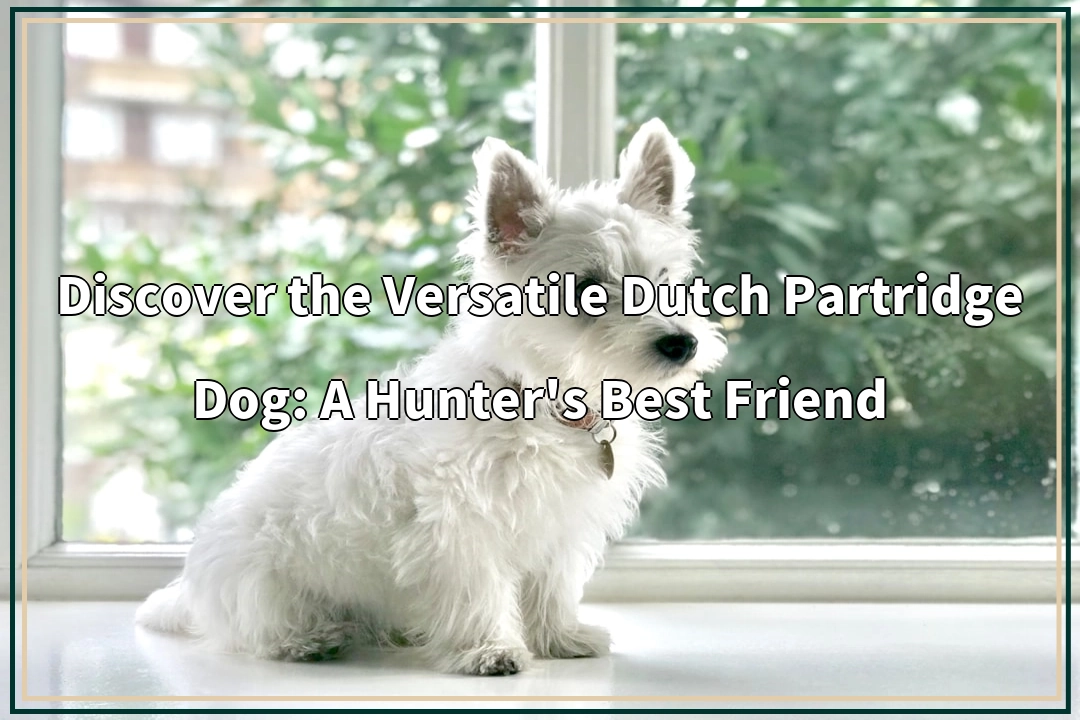
Unveiling the Dutch Partridge Dog: A Hunter’s Companion
The Dutch Partridge Dog, known as the Drentsche Patrijshond, is a remarkable breed that has captured the hearts of hunting enthusiasts and dog lovers alike. This versatile hunting dog is not only skilled in the field but also makes a loyal and affectionate family companion. With a history that spans over 300 years, the Drent has proven itself as an invaluable partner for hunters, particularly in the pursuit of game birds like partridge. But what makes this breed so special? What are its unique characteristics and capabilities? In this exploration, we will delve into the fascinating world of the Dutch Partridge Dog, uncovering its traits, history, and the reasons behind its enduring popularity among hunters and families.
Understanding the Dutch Partridge Dog: Characteristics and History
The Drentsche Patrijshond, or Dutch Partridge Dog, is a breed that originated in the rural province of Drenthe in the Netherlands. This breed is often described as a spaniel-like pointer, combining the best traits of both types of dogs. With its distinctive appearance and exceptional hunting abilities, the Drent has become a beloved breed among those who appreciate its versatility and intelligence.
Physical Characteristics
One of the most striking features of the Dutch Partridge Dog is its appearance. The breed typically has a medium build, with a well-proportioned body that allows for agility and endurance in the field. The coat is usually wavy or curly, providing protection against the elements, and can come in various colors, including white with orange or brown patches. The Drent’s expressive eyes and friendly demeanor make it an appealing choice for families as well.
Temperament and Behavior
In addition to its physical attributes, the Dutch Partridge Dog is known for its friendly and loyal temperament. This breed is highly intelligent and eager to please, making it relatively easy to train. Drents are known for their strong bond with their families, often displaying affection and loyalty. They thrive on companionship and are happiest when they are part of family activities, whether that involves hunting in the field or relaxing at home.
Origin and History
The history of the Dutch Partridge Dog is rich and intertwined with the development of hunting practices in the Netherlands. The breed is believed to have descended from various pointing dogs that were brought to the region, including those from Spain. Over the centuries, the Drent was refined to become a versatile hunting dog, capable of tracking, pointing, and retrieving game.
For over 300 years, the Drentsche Patrijshond has been utilized primarily as a hunting companion, particularly for upland game birds. Its ability to work independently while maintaining close contact with the hunter has made it a prized asset in the field. The breed’s natural instincts and keen sense of smell allow it to excel in various hunting scenarios, from tracking partridge to retrieving waterfowl.
Modern-Day Role
Today, the Dutch Partridge Dog continues to be celebrated for its hunting prowess and versatility. While it remains a popular choice among hunters, the breed has also found a place in many households as a loving family pet. Its adaptability to different environments and lifestyles makes it suitable for both active individuals and families looking for a loyal companion.
In summary, the Dutch Partridge Dog is a breed that embodies the perfect blend of hunting ability and family companionship. With its rich history, distinctive characteristics, and endearing temperament, the Drent is truly a remarkable breed that deserves recognition and appreciation. Whether in the field or at home, the Dutch Partridge Dog stands out as a loyal partner and a skilled hunter, making it a cherished member of any family.

Distinctive Traits of the Dutch Partridge Dog
The Dutch Partridge Dog, or Drentsche Patrijshond, is renowned for its unique combination of physical and behavioral traits that make it an exceptional hunting companion and family pet. Understanding these distinctive characteristics is essential for anyone considering adding this breed to their household or utilizing it for hunting purposes.
Physical Attributes
The Drentsche Patrijshond is a medium-sized dog, typically weighing between 50 to 70 pounds and standing about 20 to 24 inches tall at the shoulder. Its build is robust yet agile, allowing for both endurance and speed in the field. The breed features a distinctive coat that is wavy or curly, providing protection against various weather conditions. The coat is often a combination of white with orange or brown patches, which not only adds to its aesthetic appeal but also helps in camouflage during hunting.
Temperament and Behavior
Versatility and Adaptability
The Dutch Partridge Dog is not only a skilled hunter but also an adaptable breed that can thrive in various environments. Whether living in a rural setting with ample space to roam or in a more urban environment, the Drent can adjust to its surroundings as long as it receives sufficient exercise and mental stimulation. This versatility makes it a popular choice among dog owners who lead active lifestyles.
Maintaining the Health and Well-Being of Your Dutch Partridge Dog
Common Health Concerns
Like all breeds, the Dutch Partridge Dog is prone to certain health issues. Some common concerns include hip dysplasia, elbow dysplasia, and ear infections. Regular veterinary check-ups are essential for early detection and management of these conditions.
Hip and elbow dysplasia are genetic conditions that can affect the dog’s mobility and quality of life. Regular exercise, maintaining a healthy weight, and providing joint supplements can help mitigate these issues.
Additionally, due to their floppy ears, Drents are susceptible to ear infections. Regular ear cleaning and monitoring for signs of infection, such as redness or odor, can help keep your dog healthy.
Overall, the Dutch Partridge Dog is a breed that thrives on proper care, nutrition, and regular veterinary attention. By understanding its unique characteristics and health needs, owners can ensure that their Drent remains a happy, healthy, and loyal companion for years to come.

Integrating the Dutch Partridge Dog into Your Home
The Dutch Partridge Dog, or Drentsche Patrijshond, is not just an exceptional hunting companion; it also makes a wonderful family pet. Understanding how this breed interacts with families and other pets, as well as its activity needs, is essential for anyone considering bringing a Drent into their home.
Compatibility with Families and Other Pets
One of the standout features of the Dutch Partridge Dog is its friendly and sociable nature. This breed is known for forming strong bonds with family members, including children. Drents are generally patient and gentle, making them excellent companions for kids. They thrive on social interaction and are eager to be included in family activities, whether it’s playing in the yard or lounging on the couch.
When it comes to other pets, the Dutch Partridge Dog tends to be adaptable. With proper socialization from a young age, they can coexist peacefully with other dogs and even cats. Their friendly disposition allows them to integrate well into multi-pet households. However, it’s essential to supervise interactions, especially during the initial introductions, to ensure that all pets feel comfortable and secure.
Activity Requirements and Mental Stimulation
The Dutch Partridge Dog is an active breed that requires regular exercise and mental stimulation to thrive. As a hunting dog, it possesses high energy levels and an innate desire to explore. Daily walks, play sessions, and opportunities to run in a secure area are essential to keep this breed physically fit and mentally engaged.
In addition to physical exercise, mental stimulation is equally important. Engaging activities such as obedience training, agility exercises, and interactive toys can help satisfy the Drent’s intelligent nature. This breed excels in activities that challenge their problem-solving abilities, so incorporating training games can be particularly beneficial.
Overall, providing a balanced lifestyle that includes both physical activity and mental challenges is key to a happy and healthy Dutch Partridge Dog. When their needs are met, they are likely to be well-adjusted, obedient, and loving companions.
Common Inquiries About the Dutch Partridge Dog
As prospective owners consider adding a Dutch Partridge Dog to their family, several common questions arise regarding this breed’s care, training, and suitability. Here, we address some of the most frequently asked questions to help you make an informed decision.
What is the ideal living environment for a Dutch Partridge Dog?
The Dutch Partridge Dog is adaptable to various living situations but thrives in environments where it has ample space to roam and play. A home with a secure yard is ideal, but they can also adapt to apartment living as long as they receive sufficient daily exercise.
How much exercise does a Dutch Partridge Dog need?
This breed requires a significant amount of exercise—typically at least an hour a day. Activities can include walks, runs, and playtime. They also enjoy participating in dog sports such as agility or obedience training, which provide both physical and mental stimulation.
Are Dutch Partridge Dogs good with children?
Yes, the Dutch Partridge Dog is known for its gentle and patient nature, making it a great choice for families with children. They tend to be playful and affectionate, enjoying interactive play with kids. However, supervision is recommended during playtime, especially with younger children.
Do Dutch Partridge Dogs require special grooming?
The Drentsche Patrijshond has a wavy or curly coat that requires regular grooming to prevent matting and keep it healthy. Weekly brushing is generally sufficient, but more frequent grooming may be needed during shedding seasons. Regular ear cleaning is also important to prevent infections.
What health issues are common in Dutch Partridge Dogs?
Like all breeds, the Dutch Partridge Dog can be prone to certain health conditions, including hip and elbow dysplasia and ear infections. Regular veterinary check-ups and maintaining a healthy weight can help manage these risks.
By understanding the compatibility, activity needs, and common inquiries related to the Dutch Partridge Dog, potential owners can better prepare for a fulfilling relationship with this remarkable breed. The Drent is not only a skilled hunting companion but also a loving and loyal family member that can bring joy and companionship into any home.