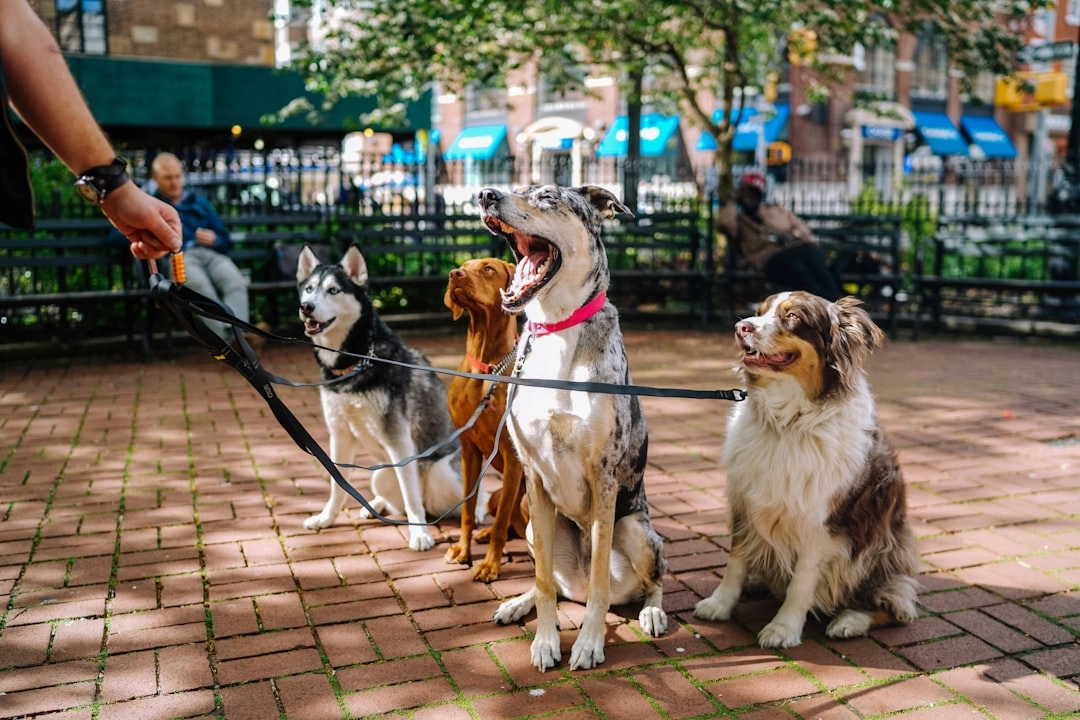
Creating a Happy Space for Your Puppy When Home Alone
Leaving your puppy home alone can be a daunting experience for both you and your furry friend. Many pet owners worry about their puppy’s well-being and how they will cope with being left alone. Surprisingly, puppies are quite adaptable creatures, and with the right activities and environment, they can thrive even when you’re not around. Engaging activities can keep your puppy entertained, mentally stimulated, and happy while you are away. In this blog, we will explore various engaging activities that can help keep your puppy happy and occupied when home alone, ensuring they feel secure and content.
Decoding Your Puppy’s Natural Instincts
Understanding your puppy’s behavior is crucial for creating a safe and enriching environment. Puppies, like all animals, have natural instincts that drive their actions and reactions. These instincts are shaped by their evolutionary history and play a significant role in how they interact with their surroundings. For instance, puppies are naturally curious and energetic, which means they require plenty of stimulation to keep them engaged. Recognizing these behaviors can help you tailor activities that align with their instincts, making it easier for them to cope with being alone.
One of the most fundamental aspects of puppy behavior is their need for social interaction. Puppies are pack animals by nature, and they thrive on companionship. When left alone, they may experience feelings of loneliness or anxiety, which can lead to destructive behaviors. To mitigate this, it’s essential to provide them with activities that mimic social interaction, even in your absence. Toys that encourage independent play, such as puzzle feeders or interactive toys, can help satisfy their need for engagement and keep their minds occupied.
Another important instinct to consider is a puppy’s natural tendency to chew and explore. Puppies are known for their inquisitive nature, and they often use their mouths to investigate the world around them. Providing safe chew toys can not only satisfy this instinct but also help prevent them from chewing on furniture or other household items. Look for durable toys that are specifically designed for puppies, as these will withstand their enthusiastic chewing while also promoting dental health.
Additionally, understanding the concept of enrichment is vital for keeping your puppy happy when home alone. Enrichment involves providing activities that stimulate your puppy’s mind and body, allowing them to express their natural behaviors in a constructive way. This can include a variety of activities, such as scent games, where you hide treats around the house for your puppy to find, or interactive toys that dispense treats as they play. These activities not only keep your puppy entertained but also help build their problem-solving skills and confidence.
It’s also essential to recognize that different breeds may exhibit varying behaviors and needs. For example, high-energy breeds like Border Collies or Australian Shepherds may require more physical activity and mental stimulation than lower-energy breeds like Bulldogs or Basset Hounds. Tailoring your puppy’s activities to their specific breed characteristics can significantly enhance their overall well-being. Researching your puppy’s breed and understanding their unique traits will help you create a more effective and engaging environment for them.
In conclusion, creating a happy and engaging environment for your puppy when home alone is achievable with a little understanding and effort. By recognizing their natural instincts and providing appropriate activities, you can help your puppy feel secure and content in your absence. Remember, a well-stimulated puppy is a happy puppy, and with the right tools and strategies, you can ensure that your furry friend thrives even when you’re not at home.
Effective Puppy Training for Loneliness Adaptation
Training your puppy is fundamental for nurturing a well-behaved and confident pet, especially when they are left alone at home. Understanding why training is essential can significantly enhance the experience for both you and your puppy. For starters, an effectively trained puppy is generally more relaxed when left alone, reducing potential feelings of anxiety or stress during your absence.
When we talk about why training is important, we can’t ignore the tremendous benefits it offers. Well-trained puppies often learn essential commands such as sit, stay, and come. These commands not only help with general obedience but also support emotional well-being, as they give your puppy a clear structure to follow, allowing them to understand their environment better. A structured lifestyle contributes to lower anxiety levels, making it less challenging for a puppy to deal with isolation when they find themselves alone. Further, it strengthens the bond between you and your puppy, establishing mutual understanding and trust.
The approach to training is also critical. It’s generally most effective to use positive reinforcement as a training method. Positive reinforcement is about rewarding your puppy for performing desirable actions, ensuring they are motivated to repeat those behaviors in the future. When implementing positive reinforcement, use treats, praise, or playtime as rewards to create a nurturing environment for training sessions. Notably, a young puppy has a short attention span, making quick, consistent sessions more productive. Such methods will engrain the principles quickly, setting your puppy up for success.
An effective training program doesn’t stop at basic commands. Incorporating skill-oriented activities, such as obstacle courses or scent training, can make training fun and stimulating. These not only engage their mental capacity but also facilitate problem-solving abilities that keep puppies entertained while you’re away. Rotate toys, engage them with interactive games, or hide treats for them to discover; these activities promote necessary cognitive stimulation to help occupy their time in isolation. Mindful engagement can lessen concerns when stepping out.
Tackling Puppy Challenges for Enhanced Contentment
Addressing behavioral issues in puppies, especially those that arise when they’re left alone, is integral to overall well-being. Understanding common problems will better equip you to handle them effectively before they become ingrained habits. Many puppies can show behavioral changes when faced with stressors or isolation due to a lack of prior training or bonding.
Separation anxiety is a frequent issue faced by many puppy parents. Indicators may include excessive barking, destructive behavior, or even house soiling. However, there are actionable steps you can take to soothe your puppy and support their emotional health. One approach is to gradually acclimate them to your absence; try leaving them alone in increments before extending that time, rewarded with lots of positive attention when you return. Each positive interaction will help combat anxiety around being left alone, further intertwining the concepts of separation and your eventual return.
If your puppy resorts to unacceptable behavior out of anxiety or boredom, reviewing physical and mental stimulation may be warranted. Modify your puppy’s environment with crates, gates, or designating specific areas for positive experiences. Dedicate more interaction when you’re present and fully assess their need for more engagement during downtime. Providing distinct periods for both active play and calm relaxation sessions can make a significant difference.
In some situations, consistently acting without results may suggest engaging a qualified professional dog trainer or animal behaviorist. Such experts can offer insights tailored to individual needs when deeper, underlying behavior challenges exist. Using reputable sources and introductions like word of mouth can connect you to the right specialist for guidance.
The transitional periods throughout your puppy’s developmental stages call for adaptability from all involved parties. Without doubt, the crucial aspect is providing timely interventions complemented by proactive solutions will lead to enhanced nurturing and happier tendencies for your puppy. You genuinely shape your puppy’s approach to more confident self-fulfillment independent of you, genuinely making for a less nervous circumstance when being left alone.

Boosting Your Puppy’s Happiness Through Play and Enrichment
Keeping your puppy happy and engaged while they are home alone is crucial for their mental and emotional well-being. Enrichment and play are vital components that not only prevent boredom but also help reduce anxiety and behavioral issues. Puppies, like children, need stimulation to thrive. By providing them with engaging activities, you create a stimulating environment that encourages exploration and learning, leading to a happier, more content pet.
One of the primary reasons for incorporating enrichment activities is to prevent behavioral issues that often arise from boredom. When puppies are left alone without stimulation, they may resort to destructive behaviors, such as chewing furniture, barking excessively, or even engaging in self-harm. Mental and physical stimulation are essential in mitigating these issues. Engaging your puppy’s mind and body can significantly reduce anxiety and promote positive behavior. This is especially important for puppies who are still developing their coping mechanisms for being alone.
There are numerous ways to provide enrichment and play for your puppy. Puzzle toys, for example, are an excellent way to stimulate your puppy’s brain. These toys require them to solve a problem to access a treat, encouraging them to think critically and engage their natural instincts. Such toys not only keep them busy but also enhance their cognitive skills. Interactive toys that require movement, like treat-dispensing balls, are also fantastic for keeping your puppy active and entertained.
Another way to enrich your puppy’s environment is through scent work. Puppies have an incredible sense of smell, and activities that involve sniffing or searching for hidden treats can be both fun and mentally stimulating. Hide treats around the house and encourage your puppy to find them. This not only engages their sense of smell but also provides a rewarding experience that can keep them occupied for extended periods.
Physical exercise is equally important for your puppy’s happiness. Regular play sessions, whether it’s a game of fetch in the backyard or tug-of-war in the living room, provide essential physical stimulation. If your puppy has access to a safe outdoor space, consider setting up an obstacle course using cones, tunnels, and jumps to make exercise more exciting. Engaging in play helps burn off excess energy, which can contribute to a calmer demeanor when they are left alone.
Additionally, incorporating training sessions into your puppy’s daily routine can also serve as an enrichment activity. Teaching new commands or tricks can stimulate their mind and strengthen your bond. Use positive reinforcement techniques, rewarding them with treats and praise for their efforts. Short, fun training sessions can keep your puppy engaged while also teaching them valuable skills that contribute to their overall behavior and obedience.
Clearing Up Common Myths About Puppy Care
When it comes to keeping puppies happy and healthy, many pet owners may have questions or misconceptions that could impact their approach. Addressing these common queries can help create a more effective strategy for puppy care, particularly regarding activities for when they are left alone.
One prevalent misconception is that all dogs are naturally independent and can easily adapt to being left alone. While some breeds may handle solitude better than others, most puppies require time to adjust to being alone. It’s crucial to gradually train them to cope with your absence, rather than expecting them to be perfectly content from the start. Starting with short durations and gradually increasing the time alone can help them acclimate to the experience without anxiety.
Another common myth is that providing physical exercise alone is sufficient for a puppy’s well-being. While physical activity is essential, mental stimulation is equally important. Puppies need a balance of both to thrive. Overemphasis on physical exercise without mental engagement can lead to frustration and behavioral problems. Incorporating a variety of enrichment activities ensures that both their mind and body are well catered to.
Some pet owners also believe that leaving their puppy with an abundance of toys will automatically keep them entertained. However, it’s not just about the quantity of toys; the quality and type of toys matter significantly. Interactive toys that challenge your puppy’s problem-solving skills or toys that mimic hunting behavior can be far more effective than a pile of plush toys that don’t engage their natural instincts.
Lastly, some owners might worry that their puppy will become overly reliant on them if they provide too much attention or enrichment. On the contrary, engaging with your puppy through play and enrichment can foster independence. When puppies learn to entertain themselves through various activities, they develop confidence and coping skills that are beneficial when they are left alone.
In summary, providing a rich environment filled with engaging activities is essential for your puppy’s happiness when home alone. Understanding the importance of mental and physical stimulation and addressing common misconceptions can lead to a more fulfilling experience for both you and your furry friend. By investing time and effort into enrichment and play, you create a happier, healthier puppy who is better equipped to handle being alone.
