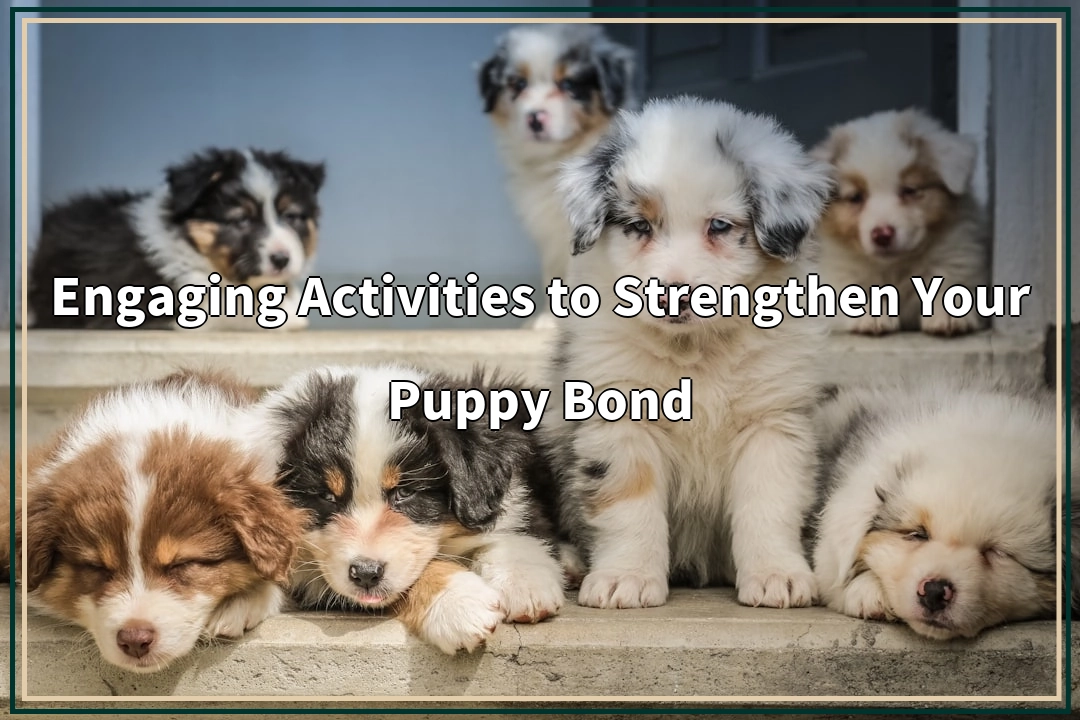
Building a Lasting Connection with Your Puppy
Welcoming a puppy into your home is an exciting and transformative experience. These adorable bundles of joy not only bring companionship and love but also require a significant commitment to their development and well-being. One of the most crucial aspects of raising a puppy is establishing a strong bond between you and your new furry friend. Engaging activities designed to strengthen this bond can enhance your relationship, promote healthy development, and create a happy, well-adjusted dog. But what exactly are these activities, and how can they benefit both you and your puppy?
Research indicates that puppies who engage in regular bonding activities exhibit lower levels of anxiety and fear, while also demonstrating improved social skills and confidence. This is particularly important during the early stages of a puppy’s life, as they are highly impressionable and eager to learn. By participating in fun and interactive games, you not only provide essential physical and mental stimulation for your puppy but also deepen the special connection you share. Whether it’s teaching them new tricks, exploring the great outdoors, or simply enjoying quiet moments together, these shared experiences can significantly enhance your bond.
Understanding Puppy Bonding Activities
Puppy bonding activities encompass a wide range of engaging games and exercises that promote interaction between you and your puppy. These activities are designed to foster trust, communication, and a sense of security, which are vital for a healthy relationship. The essence of these activities lies in their ability to create positive experiences that reinforce the bond you share with your puppy.
Originating from the understanding that dogs are social animals, bonding activities have evolved to include various forms of play and training that cater to a puppy’s natural instincts. From fetch to puzzle games, these activities not only entertain but also challenge your puppy mentally and physically. Engaging in these activities can help you understand your puppy’s personality, preferences, and learning style, allowing you to tailor your approach to their unique needs.
Historically, the relationship between humans and dogs has been built on companionship and cooperation. As dogs were domesticated, they became integral members of human families, serving various roles from hunting partners to loyal companions. This deep-rooted connection has led to the development of numerous bonding activities that enhance the human-dog relationship. Today, these activities are recognized not just for their fun factor but also for their importance in promoting a well-rounded and emotionally healthy dog.
Incorporating bonding activities into your puppy’s daily routine can yield numerous benefits. For instance, engaging in interactive games can help alleviate behavioral issues stemming from boredom or anxiety. Additionally, these activities provide an opportunity for positive reinforcement, which is essential for effective training. By rewarding your puppy during play, you reinforce desired behaviors and strengthen your bond.
Moreover, bonding activities can vary based on your puppy’s age, breed, and personality. Some puppies may thrive in high-energy games like fetch or tug-of-war, while others may prefer more mentally stimulating activities such as scent work or puzzle toys. Understanding your puppy’s preferences will allow you to select the most suitable activities that cater to their individual needs.
As you embark on this journey of bonding with your puppy, remember that patience and consistency are key. Building a strong connection takes time, and the activities you choose should be enjoyable for both you and your puppy. By prioritizing these engaging experiences, you are laying the foundation for a lifelong partnership filled with love, trust, and mutual respect.

Understanding Your Puppy’s Unique Traits
When it comes to puppies, understanding their unique traits is essential for fostering a strong bond. Each puppy possesses a distinct personality, shaped by a combination of genetics, environment, and early experiences. Recognizing these characteristics not only helps in training but also enhances the overall relationship between you and your furry friend. Puppies are often characterized by their playful nature, curiosity, and eagerness to learn, making them delightful companions. However, their behavior can vary significantly based on breed, upbringing, and individual temperament.
The origins of the term “puppy” can be traced back to the Middle French word “poupée,” which means “doll” or “toy.” This linguistic root reflects the playful and affectionate nature that puppies embody. Over time, the word evolved to represent young dogs, and today, it encompasses a wide variety of breeds, each with its own set of characteristics. For instance, some breeds are known for their high energy levels and need for physical activity, while others may be more laid-back and content with less exercise.
Historically, puppies have been bred for specific purposes, such as herding, hunting, or companionship. This selective breeding has resulted in distinct traits that are often associated with particular breeds. For example, herding breeds like Border Collies are known for their intelligence and agility, while toy breeds like Chihuahuas are often characterized by their affectionate and social nature. Understanding these breed-specific traits can help you tailor your bonding activities to suit your puppy’s needs and preferences.
Moreover, puppies go through various developmental stages, each marked by unique behavioral characteristics. The socialization period, which occurs between three and twelve weeks of age, is critical for a puppy’s development. During this time, they are particularly receptive to new experiences and interactions, making it an ideal window for introducing them to different environments, people, and other animals. Engaging in bonding activities during this phase can help build confidence and reduce anxiety in new situations.
As your puppy matures, their characteristics may continue to evolve. For instance, a once hyperactive puppy may become more calm and composed as they grow older. Regular engagement in bonding activities can help channel their energy positively, ensuring that they develop into well-adjusted adult dogs. By being attuned to your puppy’s unique traits, you can create a nurturing environment that fosters a lasting bond built on trust and understanding.
Essential Care for a Healthy Puppy
Caring for your puppy involves more than just providing food and shelter; it encompasses a holistic approach to their health and well-being. Proper care is vital for ensuring that your puppy grows into a healthy, happy adult dog. This includes attention to their diet, exercise, grooming, and regular veterinary check-ups. Each of these elements plays a crucial role in your puppy’s overall health and development.
When it comes to diet, puppies have specific nutritional needs that differ from those of adult dogs. A balanced diet is essential for their growth and development, providing the necessary nutrients to support their active lifestyle. Puppies require higher levels of protein, fat, and certain vitamins and minerals to fuel their rapid growth and energy levels. It’s important to choose a high-quality puppy food that meets the standards set by the Association of American Feed Control Officials (AAFCO). Look for foods specifically formulated for puppies, as these will contain the right balance of nutrients tailored to their developmental stage.
In addition to a proper diet, hydration is equally important. Puppies should have access to fresh, clean water at all times to support their overall health. Monitoring their water intake can help prevent dehydration, especially during hot weather or after vigorous play sessions.
Health issues can arise in puppies, and being aware of common concerns is crucial for early detection and intervention. Some common health issues include parasites, such as fleas and worms, which can affect a puppy’s growth and overall health. Regular veterinary check-ups are essential for monitoring your puppy’s health and ensuring they receive necessary vaccinations. Vaccinations protect against various diseases, including parvovirus, distemper, and rabies, which can be life-threatening if contracted.
Additionally, dental care is an often-overlooked aspect of puppy health. Puppies can develop dental issues just like adult dogs, so it’s important to establish a dental care routine early on. Regular brushing and providing dental chews can help maintain healthy teeth and gums.
Socialization is another critical component of puppy care. Exposing your puppy to various environments, people, and other animals helps them develop confidence and reduces the likelihood of behavioral issues later in life. Positive experiences during the early stages of development can lead to a well-adjusted adult dog.
In summary, understanding your puppy’s unique traits and providing essential care are fundamental to building a strong bond. By focusing on their nutritional needs, health concerns, and socialization, you can ensure that your puppy grows into a happy, healthy companion. Engaging in bonding activities while prioritizing their care will not only strengthen your relationship but also contribute to their overall well-being.

Integrating Your Puppy into Family Life
Bringing a puppy into your home is not just about adding a pet to your family; it’s about integrating a new member into your daily life. Understanding how your puppy interacts with family members, including children and other pets, is crucial for creating a harmonious household. Puppies are inherently social creatures, and their ability to bond with humans and other animals can significantly impact their behavior and overall well-being.
When considering compatibility, it’s important to recognize that different breeds have varying temperaments and energy levels. For example, breeds like Golden Retrievers and Labradors are typically known for their friendly and outgoing nature, making them excellent companions for families. They tend to be patient and gentle with children, which can lead to a positive interaction between your puppy and your little ones. On the other hand, some breeds may be more reserved or sensitive, requiring careful introductions to new family members and environments.
In terms of interaction with other pets, early socialization is key. Puppies that are exposed to various animals during their critical developmental stages are more likely to grow up to be well-adjusted adults. This means introducing your puppy to other dogs, cats, and even small animals in a controlled and positive manner. Monitoring these interactions ensures that your puppy learns appropriate behaviors and social cues, which will help prevent any future conflicts or anxieties.
Activity needs are another essential consideration when living with a puppy. Most puppies are bursting with energy and require regular exercise to stay healthy and happy. Engaging in daily activities not only helps to expend their energy but also strengthens the bond between you and your puppy. Activities can include walks, play sessions in the yard, or visits to dog parks where they can socialize with other dogs. It’s important to remember that different breeds have different exercise requirements. High-energy breeds like Border Collies or Australian Shepherds may need more vigorous exercise, while smaller or less active breeds might be satisfied with shorter play sessions.
Providing mental stimulation is equally important as physical activity. Puzzle toys, obedience training, and interactive games can help keep your puppy’s mind engaged. These activities not only prevent boredom but also contribute to their cognitive development. Incorporating a variety of activities into your puppy’s routine will help them become well-rounded, happy companions.
Ultimately, integrating your puppy into family life involves a commitment to understanding their needs and creating an environment that fosters their development. By prioritizing socialization, physical activity, and mental stimulation, you will cultivate a loving and supportive atmosphere that allows your puppy to thrive.
Your Puppy Questions Answered
As a new puppy owner, it’s natural to have a plethora of questions regarding your furry friend’s care and development. Here, we’ve compiled a list of frequently asked questions to address common concerns and provide you with the information you need to foster a strong bond with your puppy.
1. What is the best way to socialize my puppy?
Socialization should begin as early as possible, ideally during the critical socialization period (3 to 12 weeks of age). Introduce your puppy to various environments, people, and other animals in a positive and controlled manner. Puppy classes, dog parks, and playdates with other vaccinated dogs can provide excellent opportunities for socialization.
2. How much exercise does my puppy need?
Exercise needs vary by breed and age. Generally, puppies require about five minutes of exercise per month of age, up to twice a day. For example, a three-month-old puppy may need around 15 minutes of exercise per session. Activities can include walks, playtime, and training sessions, but be mindful not to overexert your puppy, especially in hot weather.
3. What should I feed my puppy?
Choosing high-quality puppy food that meets AAFCO standards is crucial for your puppy’s growth and development. Look for foods that are specifically formulated for puppies, containing higher levels of protein, fat, and essential vitamins. Always consult your veterinarian for personalized recommendations based on your puppy’s breed and health needs.
4. How do I prevent my puppy from chewing on furniture?
Puppies explore the world with their mouths, and chewing is a natural behavior. To prevent destructive chewing, provide appropriate chew toys and redirect your puppy to them when they attempt to chew on furniture. Consistent training and supervision are key in establishing good habits.
5. How can I help my puppy adjust to being alone?
To help your puppy adjust to being alone, gradually increase the time they spend alone in a safe space. Start with short periods and slowly extend them. Providing toys and engaging activities can help distract your puppy during your absence. Positive reinforcement when you return can also alleviate anxiety.
6. When should I start training my puppy?
Training can begin as early as eight weeks of age. Focus on basic commands such as sit, stay, and come, using positive reinforcement techniques. Consistency and patience are essential, as puppies learn best through repetition and rewards.
By addressing these frequently asked questions, you can feel more confident in your ability to care for and bond with your puppy. Remember that every puppy is unique, and what works for one may not work for another. Stay attuned to your puppy’s needs and adjust your approach as necessary for a successful and rewarding relationship.
