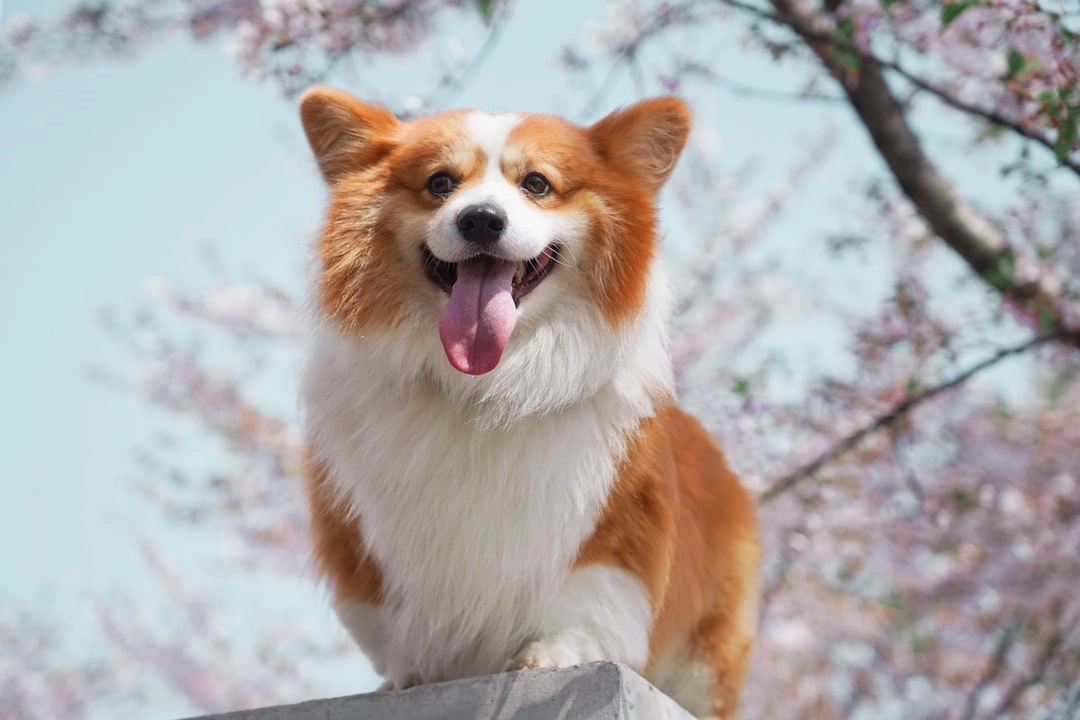
Engaging Activities for a Stimulated Puppy Mind
When it comes to raising a happy and healthy puppy, mental stimulation is just as crucial as physical exercise. Puppies, like young children, are naturally curious and eager to explore their surroundings. Engaging them in stimulating activities not only keeps them entertained but also helps in their cognitive development. Did you know that a well-stimulated puppy is less likely to develop behavioral issues? This is because mental challenges can help reduce boredom, which often leads to destructive behaviors. In this blog, we will explore various engaging activities that can keep your puppy’s mind sharp and active, ensuring they grow into well-adjusted adult dogs.
Decoding Puppy Behavior: Understanding Their Natural Instincts
To effectively engage your puppy in stimulating activities, it’s essential to understand their natural instincts and behaviors. Puppies are born with a set of innate behaviors that guide their interactions with the world around them. These behaviors are influenced by their breed, genetics, and early socialization experiences. Understanding these instincts can help you tailor activities that not only entertain your puppy but also align with their natural tendencies.
One of the most fundamental instincts in puppies is their curiosity. This trait drives them to explore their environment, sniffing and investigating everything they encounter. Providing them with safe spaces to explore can satisfy this instinct. For instance, setting up a puppy play area with various textures, toys, and obstacles can encourage exploration and play. Additionally, interactive toys that dispense treats can stimulate their problem-solving skills, keeping their minds engaged.
Another critical aspect of puppy behavior is their social nature. Puppies are pack animals, and they thrive on social interactions, whether with humans or other dogs. Engaging in playdates with other puppies or enrolling them in puppy classes can provide essential socialization opportunities. These interactions not only help them learn proper dog etiquette but also stimulate their minds as they navigate different social situations.
Moreover, understanding breed-specific behaviors can significantly enhance your approach to mental stimulation. For example, herding breeds like Border Collies are known for their high energy and intelligence. They require more challenging activities, such as agility training or herding games, to keep them mentally satisfied. On the other hand, toy breeds may enjoy puzzle toys that require less physical exertion but still challenge their minds. Tailoring activities to your puppy’s breed can lead to more effective mental stimulation.
In addition to understanding their instincts, it’s important to recognize common behaviors and what they signify. For instance, if your puppy is chewing on furniture or digging in the yard, it may be a sign of boredom or excess energy. Redirecting these behaviors into constructive activities, such as providing chew toys or engaging in fetch games, can help channel their energy positively.
Furthermore, incorporating training sessions into your puppy’s routine can serve as an excellent form of mental stimulation. Teaching basic commands or tricks not only strengthens your bond but also challenges their cognitive abilities. Puppies thrive on positive reinforcement, so using treats and praise during training can make the experience enjoyable for both of you.
Lastly, don’t underestimate the power of scent work. Puppies have an incredible sense of smell, and engaging them in scent-based activities can be both fun and mentally stimulating. Hiding treats around the house or in the yard and encouraging your puppy to find them can tap into their natural hunting instincts. This not only provides mental stimulation but also satisfies their innate desire to explore and discover.
In summary, understanding your puppy’s natural instincts and behaviors is key to providing engaging mental stimulation activities. By recognizing their curiosity, social nature, and breed-specific traits, you can create a stimulating environment that promotes healthy development. Incorporating training, socialization, and scent work into their routine will not only keep them entertained but also help them grow into well-rounded adult dogs. Remember, a mentally stimulated puppy is a happy puppy!
Why Puppy Training is Key to a Happy Companion
Training your puppy is not merely a task on a checklist—it’s a vital journey that lays the foundation for a lifelong partnership between you and your furry friend. At its core, training is about more than obedience; it’s about communication, socialization, and creating an environment where your puppy can thrive. Early and consistent training engages your puppy’s mind and significantly contributes to their emotional and behavioral health. A well-trained puppy is often a more confident dog, which can lead to fewer issues down the line.
The importance of training can’t be overstated. Positive training methods benefit not just the pup, but also the owner. Engaging in training creates a stronger bond through trust and interaction. Teaching basic commands such as “sit,” “stay,” and “come” forms the foundation upon which more complex commands are built. These early lessons contribute to your puppy’s safety, providing signals that guide them in unpredictable scenarios, such as coming back to you in busy outdoor environments.
The value of positive reinforcement cannot be emphasized enough when discussing training principles. This approach relies on reward-based systems that celebrate the successes rather than punishing failures. When you effectively pair actions with immediate rewards such as treats, praises, or play, you promote eager learning in your puppy. Positive reinforcement techniques have been widely supported by both experts and numerous research studies, revealing that pups trained in this manner experience lower levels of stress and increased enthusiasm when engaging in training sessions.
In essence, implementing proper training enables you to tailor routines and responses that speak to your puppy’s needs while cultivating important skills along the way. Moreover, consider tailoring your training approach to account for breed differences. Some breeds, particularly herding dogs, often thrive when they are physically active while learning, while others may adapt best in calm settings. Addressing each animal’s disposition showcases sensitivity to individuality, something every pet should receive.
A step-by-step guide can be incredibly beneficial when embarking on the exciting training journey with your puppy. Start with fundamental cues like “sit,” encouraging them to lower their rear to the ground in exchange for positive reinforcement. Keep sessions short but effective, ranging from five to ten minutes in length to accommodate a young puppy’s attention span. Follow up the success of every session with affection or a gentle rub; this tells them they’ve performed well. Transitioning smoothly between basic commands to slightly more complex tricks or challenge—always in short, consistent sessions—illustrates an organized training agenda that puppies readily embrace.
Resolving Common Puppy Behavior Concerns
As every puppy owner knows, training often goes hand-in-hand with addressing behavioral issues, creating an integrative experience for both pet and owner. Puppies, by nature, may exhibit behaviors that manifest as challenges, leading to concerns regarding their adjustability and harmony in a home environment. Understanding common behavior problems helps equip pet owners to troubleshoot issues, ultimately fostering enhanced patience and reduction of stress during interactions.
One prevalent problem is biting, stemming from teething and typical puppy play behavior. While mouthiness is a natural instinct, teaching the appropriate times for playful chewing versus those moments where your fingers and fabric of the couch should not be recognized as chew toys is crucial. A beneficial approach consists of guiding puppies toward acceptable toys and consistently practicing the command “leave it” whenever they bite or nip inappropriate items or loved ones. Failing this effort can result in engrained, lasting habits that manifest even as your puppy matures.
Similarly, potty training emerges as a shared trial amongst puppy parents. Setbacks are part and parcel of that early experience. Scheduled breaks through consistent training or allotted timeframes frame routine, which can be advertised verbally and supported by rewards. Providing designated areas can significantly streamline the transition towards consistent toilet habits without confusing interaction cues.
An equally common behavior challenge is overly enthusiastic jumping. Not only is this event somewhat cute, but it may transition too quickly into possible aggression or a domineering presence with inappropriate advances. Ensuring controlled introductions to newcomers can establish boundary awareness for your pup; best methods invite guests to avoid greeting the puppy at first but instead showcase safety precautions utilizing polite behaviors upon gentle approaches.
A thorough behavioral evaluation alongside enjoyable training interventions holds value equally throughout an owner-pet bonding relationship. Address behavioral concerns gently while rewarding successful habits; by embodying the defined comfort benefits stemming from communication in modern pet training methods, you reinforce joy. Remember to monitor your mood for joy-filled outcomes instead of representing monotonous or frustration-related demands on command adherence.

Boosting Your Puppy’s Happiness Through Play and Enrichment
Engaging in enriching activities and play is essential for a puppy’s overall well-being. Just like humans, puppies require both mental and physical stimulation to thrive. Enrichment activities are designed to engage your puppy’s senses and instincts, encouraging them to explore, problem-solve, and interact with their environment in positive ways. When puppies are mentally stimulated, they are less likely to engage in destructive behaviors caused by boredom or excess energy. Understanding the importance of these activities can help you create a fulfilling and happy life for your furry friend.
The benefits of mental and physical stimulation cannot be overstated. When puppies engage in activities that challenge their minds and bodies, they are less likely to develop behavioral issues such as excessive barking, chewing, or digging. These behaviors often arise from boredom and frustration. By providing a variety of enrichment activities, you can redirect that energy into constructive outlets, ultimately fostering a happier and healthier puppy.
One effective way to incorporate enrichment into your puppy’s routine is through interactive toys and puzzles. These toys encourage your puppy to think critically and engage in problem-solving as they work to retrieve treats hidden inside. Puzzle feeders can turn mealtime into a fun and stimulating experience, slowing down their eating while promoting mental engagement. Rotating different toys regularly keeps the experience fresh and exciting, encouraging your puppy to stay engaged.
In addition to toys, consider introducing scent work as a form of enrichment. Puppies have an extraordinary sense of smell, and engaging their noses can provide a great mental workout. Hide treats around your home or yard and encourage your puppy to sniff them out. This not only satisfies their natural hunting instincts but also stimulates their brains, keeping them entertained and happy.
Playtime with other dogs or humans is also an essential component of enrichment. Socialization is crucial for a puppy’s development, as it helps them learn how to interact appropriately with other animals and people. Playdates with other friendly puppies can help your dog learn valuable social skills while providing a great outlet for their energy. Always supervise play sessions to ensure safety and encourage positive interactions.
Furthermore, training sessions can be a fantastic way to enrich your puppy’s mind while reinforcing good behavior. Teaching new commands or tricks provides mental stimulation and strengthens the bond between you and your puppy. Using positive reinforcement techniques during training encourages a willingness to learn and explore new challenges, ultimately contributing to a well-rounded, happy dog.
Clearing Up Myths: Common Questions About Puppy Enrichment
As puppy owners embark on the journey of enriching their pet’s lives, various questions and misconceptions often arise. Understanding these common queries can help ensure that you are on the right track when it comes to providing the best for your puppy.
One common misconception is that physical exercise alone is sufficient for a puppy’s well-being. While daily walks and play sessions are essential, mental stimulation is equally important. Puppies require a balance of both to thrive. Engaging their minds through enrichment activities can help alleviate excess energy, making them more manageable and reducing the likelihood of developing behavioral issues.
Another frequent question revolves around the notion that all puppies naturally know how to play. While puppies have instinctual behaviors, not all of them will immediately know how to engage in play appropriately. Some puppies may be shy or unsure about how to interact with toys or other dogs. As a responsible owner, it’s crucial to introduce play gradually, encouraging your puppy and guiding them through appropriate behaviors. This helps build their confidence and fosters healthy play habits.
Some owners may also wonder if providing too many toys will overwhelm their puppy. It’s important to find a balance. Offering a variety of toys can keep your puppy engaged, but rotating them regularly can prevent overstimulation. This keeps the toys exciting and fresh, allowing your puppy to focus on each toy individually, which enhances their engagement and problem-solving skills.
Lastly, many new puppy owners are unsure how long to engage in enrichment activities. The key is to tailor activities to your puppy’s age, breed, and energy level. Young puppies may have shorter attention spans, so keeping sessions brief—around 5 to 10 minutes—is ideal. As your puppy matures, you can gradually increase the duration and complexity of activities, allowing them to build stamina and mental resilience.
By addressing these common questions and misconceptions, you can better understand the importance of enriching your puppy’s life. Engaging in activities that stimulate both their minds and bodies fosters a happier, healthier puppy, paving the way for a lifelong bond between you and your furry companion.
