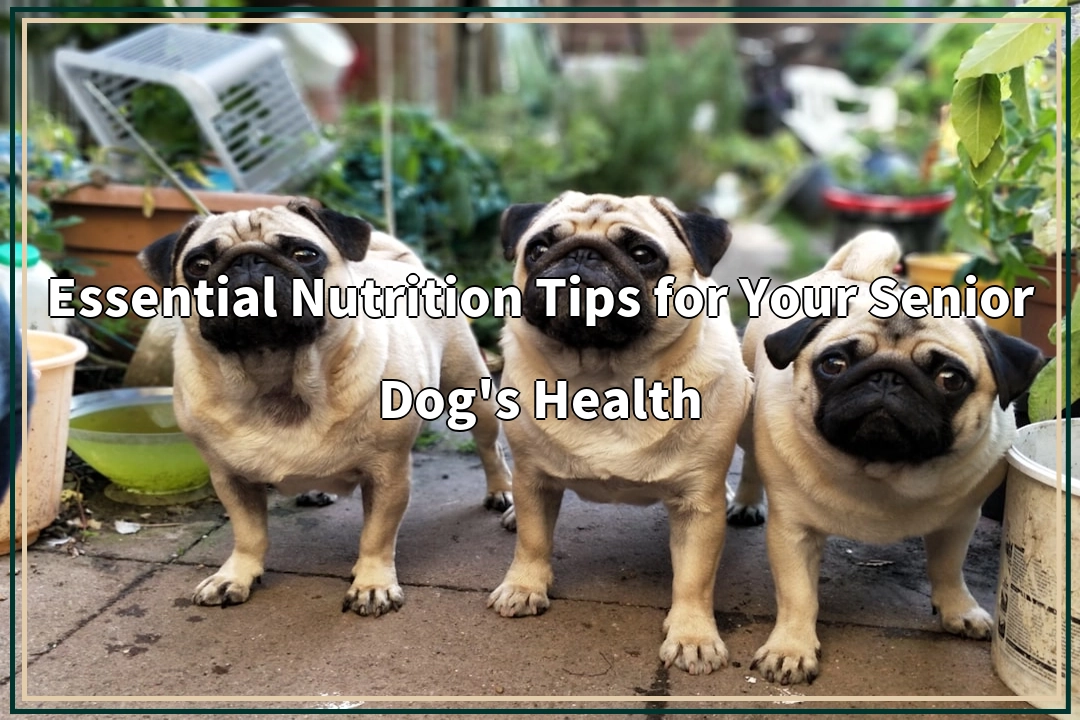
Nourishing Your Senior Dog: A Vital Guide
As our beloved canine companions age, their nutritional needs change significantly. Senior dogs, typically defined as those over the age of seven, require a tailored diet to support their health and well-being. Many pet owners often wonder, “What should I feed my senior dog to ensure they remain healthy and active?” This question is crucial, as proper nutrition can greatly influence the quality of life for older dogs. In fact, studies have shown that a well-balanced diet can help manage age-related health issues, improve mobility, and enhance overall vitality.
One surprising fact is that senior dogs may not need as many calories as their younger counterparts. As dogs age, their metabolism slows down, and they may become less active. This means that feeding them the same amount of food as before can lead to obesity, which can exacerbate health problems such as arthritis, diabetes, and heart disease. Therefore, understanding the specific nutritional requirements of senior dogs is essential for any pet owner looking to provide the best care for their furry friends.
In this guide, we will explore essential nutrition tips for senior dogs, focusing on the types of food that can help maintain their health, the importance of hydration, and how to recognize signs of dietary deficiencies. By the end of this article, you will have a comprehensive understanding of how to nourish your senior dog effectively, ensuring they enjoy their golden years to the fullest.
Understanding Senior Dog Nutrition Needs
Senior dog nutrition is a specialized area of pet care that focuses on the dietary requirements of older dogs. As dogs age, their bodies undergo various changes that can affect their nutritional needs. For instance, older dogs may experience a decline in their ability to digest certain nutrients, leading to potential deficiencies if their diet is not adjusted accordingly. Additionally, senior dogs are more prone to health issues such as obesity, kidney disease, and dental problems, all of which can be influenced by their diet.
When it comes to formulating a diet for senior dogs, several key factors must be considered. First and foremost, the protein content of their food is crucial. Older dogs require high-quality protein to maintain muscle mass and support overall health. However, the protein should be easily digestible, as older dogs may have a harder time processing certain types of protein. Look for dog foods that list real meat as the first ingredient and avoid those with fillers or by-products.
Another important aspect of senior dog nutrition is the inclusion of healthy fats. Omega-3 and Omega-6 fatty acids are beneficial for maintaining healthy skin and coat, as well as supporting joint health. These fatty acids can help reduce inflammation and improve mobility, which is particularly important for senior dogs that may suffer from arthritis or other joint issues.
Furthermore, senior dogs often benefit from a diet that is lower in calories but higher in fiber. This helps to prevent obesity while ensuring that they feel full and satisfied. Fiber is also essential for maintaining healthy digestion, which can be a concern for older dogs. Look for dog foods that contain whole grains, fruits, and vegetables, as these ingredients provide both fiber and essential vitamins and minerals.
Hydration is another critical component of senior dog care. Older dogs may not drink as much water as they should, leading to dehydration. It’s essential to encourage your senior dog to drink plenty of water throughout the day. You can do this by providing fresh water at all times and considering wet dog food options, which can help increase their overall fluid intake.
In summary, understanding the unique nutritional needs of senior dogs is vital for their health and well-being. By providing a balanced diet that includes high-quality protein, healthy fats, and adequate hydration, you can help your senior dog thrive in their later years. In the following sections, we will delve deeper into specific dietary recommendations and tips for caring for your senior dog, ensuring they enjoy a happy and healthy life.

Understanding the Unique Traits of Senior Dogs
As dogs age, they exhibit distinct characteristics that set them apart from their younger counterparts. Recognizing these traits is essential for providing the appropriate care and nutrition that senior dogs require. Senior dogs typically experience a decline in energy levels, changes in their physical appearance, and alterations in their behavior. These changes can be attributed to various factors, including age-related health issues, hormonal changes, and the natural aging process.
One of the most noticeable characteristics of senior dogs is a decrease in their activity levels. While younger dogs are often playful and energetic, senior dogs may prefer to lounge around and take more frequent naps. This change in behavior can be concerning for pet owners, as it may signal underlying health issues. However, it is important to understand that reduced activity is a normal part of aging, and it is crucial to adapt their exercise routines accordingly.
Another characteristic of senior dogs is the potential for weight gain. As their metabolism slows down, they may not require as many calories as they did in their younger years. This can lead to obesity if their diet is not adjusted. Pet owners should monitor their senior dog’s weight closely and consult with a veterinarian to determine the appropriate caloric intake based on their specific needs.
Physical changes are also common in senior dogs. Many will experience graying fur, particularly around the muzzle and eyes, which is a natural sign of aging. Additionally, senior dogs may develop mobility issues, such as arthritis or joint pain, making it difficult for them to engage in physical activities. This can further contribute to their reduced activity levels and may require adjustments in their care and exercise routines.
Behavioral changes can also occur as dogs age. Senior dogs may become more anxious or irritable, particularly if they are experiencing discomfort or pain. It’s essential for pet owners to be attentive to these changes and provide a calm and supportive environment. Regular veterinary check-ups can help identify any underlying health issues that may be contributing to behavioral changes.
Understanding these unique traits of senior dogs is crucial for pet owners. By recognizing the signs of aging and adapting care routines accordingly, owners can ensure their senior dogs maintain a good quality of life. In the following section, we will explore the essential aspects of caring for senior dogs, focusing on their nutritional needs and health considerations.
Essential Care Strategies for Senior Dog Health
Caring for senior dogs requires a thoughtful approach that addresses their unique nutritional needs and health concerns. As dogs age, their dietary requirements change significantly, making it essential for pet owners to provide a balanced and nutritious diet tailored to their specific needs. A well-rounded diet can help manage age-related health issues, maintain a healthy weight, and promote overall well-being.
One of the primary nutritional needs for senior dogs is high-quality protein. As dogs age, they may experience muscle loss, making it crucial to provide sufficient protein to help maintain muscle mass. Look for dog foods that contain real meat as the primary ingredient, as this ensures that your senior dog receives the necessary amino acids for optimal health. Additionally, easily digestible protein sources, such as chicken, fish, or lamb, are ideal for older dogs.
Healthy fats are another important component of a senior dog’s diet. Omega-3 and Omega-6 fatty acids can help support joint health, reduce inflammation, and promote a healthy coat. Incorporating sources of these essential fatty acids, such as fish oil or flaxseed oil, can provide significant benefits for senior dogs, particularly those suffering from arthritis or other joint issues.
Fiber is also a critical element in the diet of senior dogs. As dogs age, they may experience digestive issues, making it essential to include fiber-rich ingredients in their food. Fiber helps maintain healthy digestion and can prevent constipation, a common concern for older dogs. Look for dog foods that contain whole grains, fruits, and vegetables, as these ingredients provide both fiber and essential vitamins and minerals.
In addition to dietary considerations, senior dogs are prone to various health issues that require careful management. Common health concerns for older dogs include arthritis, dental disease, kidney disease, and obesity. Regular veterinary check-ups are essential for monitoring your senior dog’s health and addressing any potential issues early on.
Arthritis is one of the most prevalent conditions affecting senior dogs. It can lead to pain and stiffness, making it difficult for them to move comfortably. To help manage arthritis, pet owners can provide joint supplements, such as glucosamine and chondroitin, which can support joint health and mobility. Additionally, maintaining a healthy weight is crucial, as excess weight can exacerbate joint pain.
Dental health is another critical aspect of senior dog care. Older dogs are more susceptible to dental disease, which can lead to pain, tooth loss, and systemic health issues. Regular dental check-ups and cleanings, along with providing dental chews or toys, can help maintain your senior dog’s oral health.
Kidney disease is another common concern for senior dogs. As dogs age, their kidneys may become less efficient at filtering waste products from the blood. Feeding a diet specifically formulated for kidney health can help manage this condition and support overall kidney function. It’s essential to work closely with your veterinarian to determine the best dietary approach for your senior dog.
In summary, providing proper care for senior dogs involves understanding their unique characteristics and addressing their specific nutritional needs. By focusing on high-quality protein, healthy fats, and fiber, pet owners can help their senior dogs maintain a healthy weight and overall well-being. Additionally, being aware of common health concerns and working closely with a veterinarian can ensure that senior dogs receive the care they need to thrive in their golden years.

Embracing Life with Your Senior Dog
Living with a senior dog can be one of the most rewarding experiences for pet owners. As dogs age, they often develop a unique bond with their families, showcasing a blend of loyalty, affection, and companionship that can be deeply fulfilling. However, understanding how to best care for and interact with a senior dog is crucial for ensuring their happiness and well-being.
Compatibility is a key aspect of living with a senior dog. Many older dogs have established personalities, making them generally well-suited for family life. They often have a calm demeanor and can adapt well to various household environments. Senior dogs typically interact well with children, providing gentle companionship without the exuberance that younger dogs might display. This calm nature can make them an excellent choice for families looking for a more relaxed pet.
When it comes to compatibility with other pets, senior dogs can vary in their socialization skills. Some older dogs may be more tolerant of other animals, while others may prefer solitude or require a slower introduction to new companions. It’s essential to consider your senior dog’s personality and past experiences when introducing them to other pets. Supervised interactions and gradual introductions can help create a harmonious multi-pet household.
Activity needs for senior dogs are generally lower than those of younger dogs. While every dog is unique, many senior dogs are content with shorter, more frequent walks rather than long, strenuous exercise sessions. Gentle activities, such as leisurely strolls, light play, and mental stimulation through puzzle toys or training exercises, can keep your senior dog engaged without overwhelming them.
Maintaining a consistent routine is also beneficial for senior dogs. Older dogs thrive on predictability, and having a regular schedule for feeding, exercise, and bathroom breaks can help them feel secure. It’s important to listen to your senior dog’s needs and adjust their activity levels according to their energy and mobility. Providing them with a comfortable space to rest and relax is equally essential, as older dogs often require more downtime.
Overall, living with a senior dog can be an enriching experience filled with love and companionship. By understanding their compatibility with family members and other pets, as well as their specific activity needs, you can create a nurturing environment that supports their health and happiness during their golden years.
Your Questions Answered: Senior Dog Care FAQ
As pet owners navigate the journey of caring for senior dogs, they often have numerous questions regarding their unique needs and challenges. This FAQ section aims to address some of the most common inquiries that pet owners may have when it comes to providing the best care for their aging companions.
1. What should I feed my senior dog?
Feeding a senior dog involves selecting high-quality dog food that meets their specific nutritional needs. Look for formulas that contain easily digestible protein sources, healthy fats, and adequate fiber. It’s also beneficial to choose foods that include joint-supporting supplements like glucosamine and omega fatty acids to promote overall health.
2. How often should I exercise my senior dog?
While senior dogs require less exercise than younger dogs, they still benefit from regular physical activity. Short, leisurely walks and gentle play sessions are ideal. Aim for 20-30 minutes of activity each day, divided into multiple short sessions to prevent fatigue.
3. How can I tell if my senior dog is in pain?
Signs of pain in senior dogs can include limping, reluctance to move, changes in appetite, excessive whining, or unusual aggression. If you suspect your dog is in pain, it’s essential to consult your veterinarian for a proper evaluation and management plan.
4. Are there specific health issues I should watch for in senior dogs?
Common health concerns in senior dogs include arthritis, dental disease, obesity, kidney disease, and cognitive dysfunction syndrome (CDS). Regular veterinary check-ups can help detect and manage these issues early on.
5. How can I keep my senior dog mentally stimulated?
Mental stimulation is crucial for senior dogs to prevent boredom and promote cognitive health. Engaging them in puzzle toys, interactive games, or simple training exercises can keep their minds active. Additionally, varying their walking routes and introducing new experiences can provide valuable mental stimulation.
6. Should I change my senior dog’s diet if they have health issues?
Yes, if your senior dog has specific health issues, it’s important to consult with your veterinarian about dietary adjustments. Specialized diets may be necessary to manage conditions like kidney disease, diabetes, or obesity. Your vet can recommend the best food options tailored to your dog’s health needs.
In summary, caring for a senior dog involves understanding their unique nutritional needs, health concerns, and lifestyle adjustments. By addressing common questions and concerns, pet owners can provide the best possible care for their aging companions, ensuring they lead happy and fulfilling lives in their golden years.
