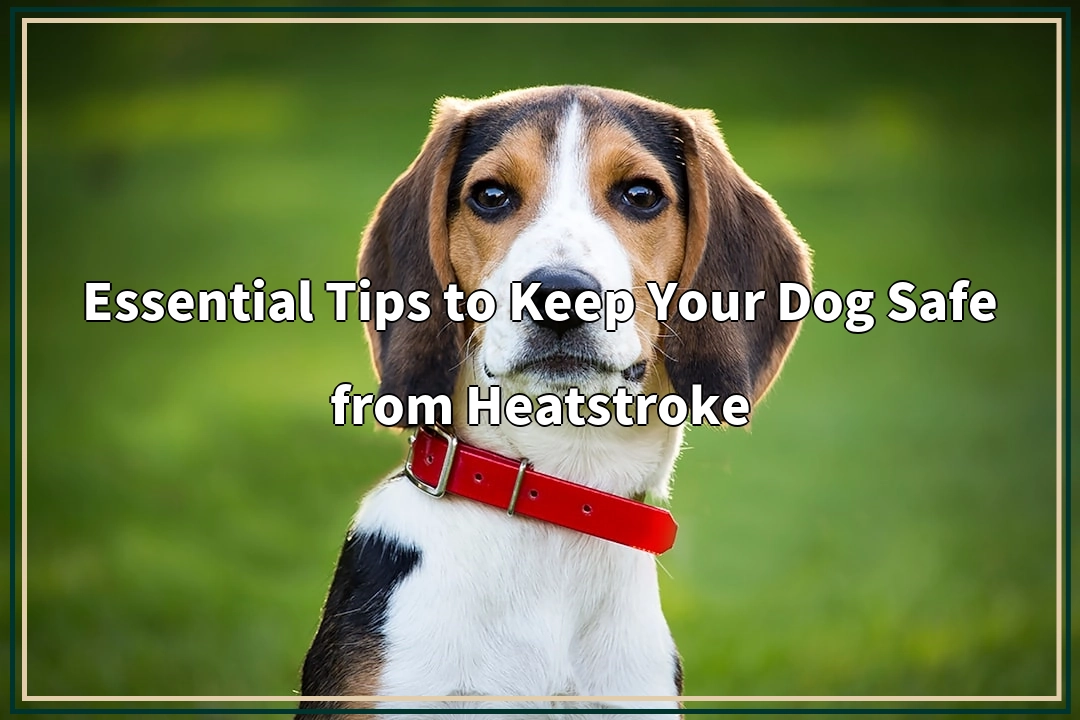
Keeping Your Furry Friend Safe from Heatstroke
As the summer sun blazes down, pet owners often find themselves asking a crucial question: How can I keep my dog safe from heatstroke? This concern is not unfounded, as heatstroke can be a life-threatening condition for our beloved canine companions. In fact, did you know that dogs are more susceptible to heat-related illnesses than humans? Their bodies are less efficient at regulating temperature, making it essential for pet owners to be vigilant during hot weather. Understanding the risks and implementing preventive measures can make all the difference in ensuring your dog’s safety and well-being.
Understanding Canine Heatstroke
Canine heatstroke, also known as hyperthermia, occurs when a dog’s body temperature rises to dangerous levels, typically above 104°F (40°C). This condition can develop rapidly, especially in high temperatures or humid conditions, and can lead to severe health complications or even death if not addressed promptly. Dogs do not sweat like humans; instead, they primarily cool themselves through panting. However, when the environmental temperature exceeds their ability to cool down, they can quickly become overwhelmed.
Heatstroke can affect any dog, but certain breeds are at a higher risk. Brachycephalic breeds, such as Bulldogs and Pugs, have short snouts that make it difficult for them to breathe efficiently, increasing their vulnerability to overheating. Additionally, older dogs, overweight dogs, and those with pre-existing health conditions are also at greater risk. Understanding these factors is crucial for pet owners, as it allows them to take proactive steps to protect their furry friends.
Signs and Symptoms of Heatstroke
Recognizing the signs of heatstroke is vital for prompt intervention. Common symptoms include excessive panting, drooling, weakness, confusion, and a rapid heart rate. In severe cases, dogs may experience vomiting, diarrhea, seizures, or even collapse. If you notice any of these symptoms, it is essential to act quickly. Move your dog to a cooler environment, offer water, and contact your veterinarian immediately.
Preventive Measures
Preventing heatstroke involves a combination of common sense and proactive measures. First and foremost, always provide your dog with access to fresh water and shade when outdoors. Avoid exercising your dog during the hottest parts of the day, typically between 10 a.m. and 4 p.m. Instead, opt for early morning or late evening walks when temperatures are cooler. Additionally, consider using cooling vests or mats designed to help regulate your dog’s body temperature.
Another effective strategy is to familiarize yourself with your dog’s breed and its specific needs. For instance, if you own a brachycephalic breed, you may need to take extra precautions, such as limiting outdoor activities during extreme heat. Regular grooming can also help, as a well-groomed coat can assist in temperature regulation. Be mindful of your dog’s behavior; if they seem lethargic or reluctant to engage in activities they usually enjoy, it may be a sign that they are overheating.
Conclusion
In summary, keeping your dog safe from heatstroke requires awareness, preparation, and a commitment to their well-being. By understanding the risks and implementing preventive measures, you can ensure that your furry friend enjoys the summer months safely and comfortably. Remember, your dog’s health is in your hands, and taking the necessary steps to protect them from heat-related illnesses is a vital part of responsible pet ownership.

Understanding Your Dog’s Vulnerability to Heatstroke
When it comes to canine heatstroke, understanding the unique characteristics of your dog is crucial for prevention and care. Different breeds have varying levels of susceptibility to heat-related illnesses, influenced by their physical traits, size, and even their coat type. For instance, brachycephalic breeds like Bulldogs and Pugs are particularly at risk due to their short snouts, which can hinder their ability to breathe effectively in hot weather. This anatomical characteristic can make it challenging for them to cool down, especially during high temperatures.
Additionally, larger breeds, such as St. Bernards and Mastiffs, may also struggle with heat regulation due to their size and body mass. On the other hand, smaller breeds may be more agile but can still succumb to heatstroke if exposed to extreme conditions for extended periods. It’s essential to recognize that all dogs, regardless of breed, can experience heatstroke if not properly monitored and cared for during hot weather.
Essential Care for Heatstroke Prevention
Taking care of your dog during the hot months is vital for their health and well-being. One of the primary aspects of care involves ensuring your dog stays hydrated. Fresh, clean water should always be available, especially when you are outside. Dogs can easily become dehydrated, which can exacerbate the risk of heatstroke. During walks or outdoor play, make frequent stops to allow your dog to drink water and rest in shaded areas.
Diet also plays a significant role in your dog’s overall health and ability to cope with heat. A balanced diet rich in essential nutrients will help maintain your dog’s energy levels and hydration. Consider incorporating wet food into their diet, as it contains higher moisture content, which can aid in hydration. Additionally, consult your veterinarian for recommendations on the best diet for your dog’s specific needs, especially if they are older or have pre-existing health conditions.
Recognizing Heatstroke Symptoms
Being aware of the symptoms of heatstroke is crucial for prompt intervention. Common signs include excessive panting, drooling, weakness, and confusion. If your dog exhibits these symptoms, it is vital to act quickly. Move them to a cooler environment, provide water, and contact your veterinarian immediately. Understanding these symptoms can save your dog’s life, as heatstroke can escalate rapidly if not addressed.
Regular Health Check-ups
Regular veterinary check-ups are essential for maintaining your dog’s health, especially during the summer months. Your veterinarian can provide guidance on how to keep your dog safe from heat-related illnesses and may recommend specific precautions based on your dog’s breed and health status. This proactive approach ensures that any underlying health issues are addressed before they become serious problems.
In summary, understanding your dog’s characteristics and providing appropriate care during hot weather are essential steps in preventing heatstroke. By staying informed and taking preventive measures, you can help ensure that your furry friend remains safe and healthy throughout the summer months.

Adapting Your Lifestyle for a Heat-Sensitive Dog
Living with a dog that is sensitive to heat requires careful planning and consideration. It’s essential to understand how your dog’s breed interacts with the family, other pets, and their environment. For instance, brachycephalic breeds like Bulldogs and Pugs may require extra care and attention when temperatures rise. These breeds often struggle with breathing and may become overwhelmed more quickly than other dogs, making it crucial to create a comfortable home environment for them.
When introducing your heat-sensitive dog to family members, especially children, it’s important to teach them how to interact safely. Supervise playtime and ensure that your dog has a safe space to retreat to when they need a break from the excitement. This helps foster a positive relationship between your dog and family members while ensuring your dog’s well-being.
Compatibility with Other Pets
Compatibility with other pets can vary widely depending on your dog’s personality and breed. Many dogs thrive in multi-pet households, while others may prefer to be the only pet. When bringing a new dog into your home, especially one sensitive to heat, consider their temperament and how they might interact with existing pets. Proper introductions and gradual acclimation can help ease any tension and foster harmonious relationships.
Activity Needs and Stimulation Requirements
Every dog has different activity needs, and understanding these requirements is essential for keeping your heat-sensitive dog happy and healthy. While some breeds are naturally energetic and require vigorous exercise, others may be more laid-back. For heat-sensitive dogs, it’s vital to schedule activities during cooler parts of the day, such as early mornings or late evenings. Engage in activities that stimulate their minds, like puzzle toys or training sessions, to keep them entertained without overheating.
Providing a comfortable living environment is also crucial. Ensure your home has plenty of shade, and consider using fans or air conditioning during hotter months. Outdoor playtime should be monitored closely, and breaks should be frequent to prevent overheating. This proactive approach will not only enhance your dog’s quality of life but also minimize the risk of heat-related health issues.
Your Heatstroke Questions Answered
As a responsible pet owner, you may have several questions regarding heatstroke and how to protect your dog during the warmer months. Below are some frequently asked questions that can help you better understand this condition and how to manage it effectively.
What are the early signs of heatstroke in dogs?
Early signs of heatstroke in dogs include excessive panting, drooling, weakness, and difficulty standing. If you notice these symptoms, it’s crucial to act quickly to cool your dog down and provide them with water. Move them to a shaded or air-conditioned area immediately.
How can I prevent heatstroke in my dog?
Preventing heatstroke involves several key strategies: always provide access to fresh water, avoid outdoor activities during peak heat hours, and ensure your dog has a cool place to rest. Additionally, consider using cooling mats or vests designed for dogs.
Are certain breeds more prone to heatstroke?
Yes, certain breeds, particularly brachycephalic breeds like Bulldogs, Pugs, and Boxers, are more prone to heatstroke due to their anatomical structure. They may have difficulty breathing and cooling down in hot weather, making it essential to take extra precautions with these breeds.
What should I do if my dog shows signs of heatstroke?
If your dog exhibits signs of heatstroke, it’s vital to act quickly. Move them to a cooler environment, offer water, and apply cool (not cold) water to their body to help lower their temperature. Contact your veterinarian immediately for further assistance.
Can dogs suffer from heatstroke indoors?
Yes, dogs can suffer from heatstroke indoors, especially in poorly ventilated spaces or if left in a hot car. Always ensure your home is well-ventilated and that your dog has access to cool areas, particularly during heat waves.
By understanding how to adapt your lifestyle for a heat-sensitive dog and being informed about heatstroke, you can help ensure that your furry friend remains safe and comfortable throughout the warmer months.
