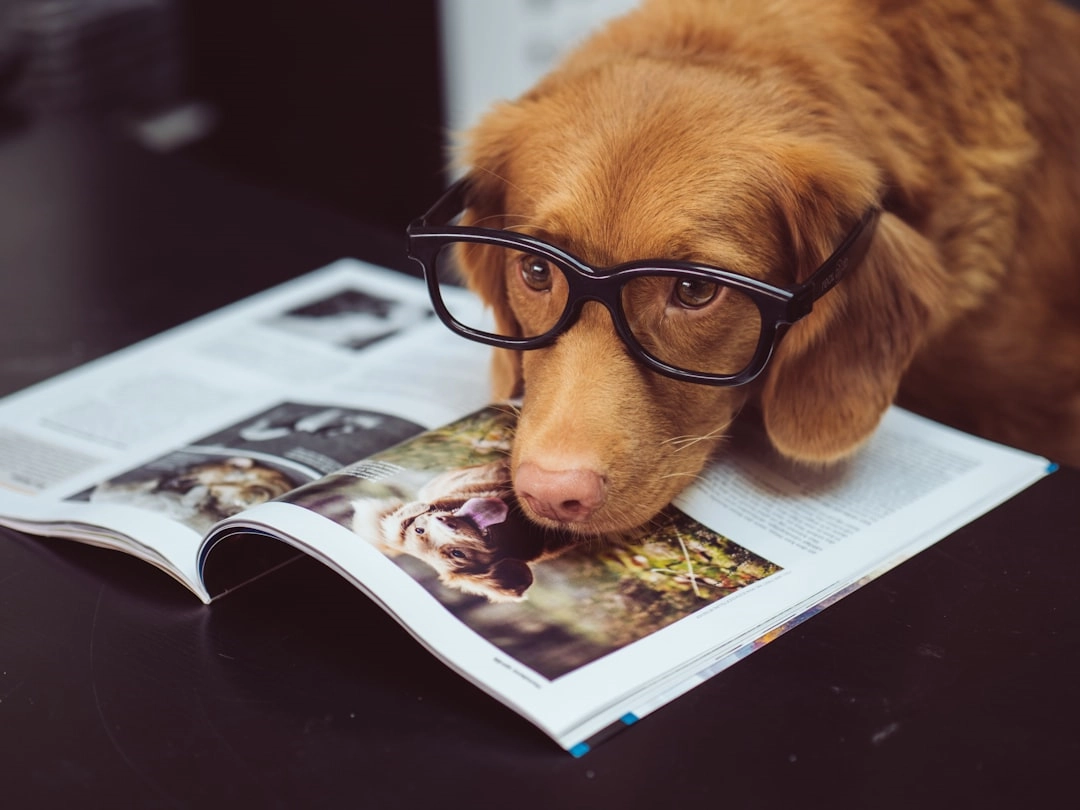
Gentle Potty Training: Setting the Stage for Success
Welcoming a puppy into your home is an exciting adventure filled with joy, laughter, and a few challenges along the way. One of the most significant hurdles new puppy owners face is potty training. It’s a common concern that can lead to frustration if not approached correctly. Did you know that a puppy’s ability to learn and adapt is closely tied to their understanding of their environment and the behaviors they exhibit? Gentle potty training is not just about teaching your puppy where to go; it’s about building a trusting relationship and understanding their needs. This method emphasizes patience, consistency, and positive reinforcement, making the process smoother for both you and your furry friend.
Many pet owners wonder, “How can I effectively potty train my puppy without causing stress or anxiety?” The answer lies in understanding your puppy’s natural instincts and behaviors. Puppies are inherently curious and eager to please, but they also require guidance and structure. By employing gentle potty training techniques, you can create a positive learning environment that fosters good habits and strengthens your bond with your puppy.
In this blog, we will explore the fundamentals of gentle potty training, focusing on the importance of understanding your puppy’s behavior and instincts. By recognizing the signs your puppy exhibits, you can better anticipate their needs and respond appropriately. This approach not only aids in successful potty training but also contributes to your puppy’s overall well-being and happiness.
Decoding Puppy Behavior: The Key to Successful Training
To effectively potty train your puppy, it’s essential to grasp the basics of canine behavior. Puppies, like all animals, have natural instincts that guide their actions. Understanding these instincts can significantly enhance your training efforts. For instance, puppies have a natural inclination to keep their living space clean. In the wild, dogs instinctively avoid soiling their dens, and this behavior carries over to domesticated puppies. By recognizing this instinct, you can leverage it to encourage your puppy to go outside or in designated areas.
Another critical aspect of puppy behavior is their communication style. Puppies express their needs and feelings through body language, vocalizations, and even specific behaviors. For example, a puppy may circle, sniff, or whine when they need to relieve themselves. By paying close attention to these signals, you can intervene promptly and guide your puppy to the appropriate potty area. This not only reinforces the desired behavior but also helps your puppy feel understood and supported.
Moreover, different breeds may exhibit varying behaviors and learning styles. Some breeds are more eager to please and may pick up on training cues quickly, while others may require more patience and repetition. Understanding your puppy’s breed characteristics can help tailor your training approach. For instance, a highly energetic breed may need more frequent potty breaks due to their active nature, while a more laid-back breed might be content with a more relaxed schedule.
Consistency is another vital component of successful potty training. Establishing a routine helps your puppy understand when and where they are expected to go. Take your puppy outside frequently, especially after meals, playtime, and naps. Use a specific command or phrase, such as “go potty,” to create an association between the command and the action. Over time, your puppy will learn to respond to this cue, making the process more efficient.
Positive reinforcement plays a crucial role in gentle potty training. When your puppy successfully goes in the designated area, reward them with praise, treats, or playtime. This encourages them to repeat the behavior in the future. Avoid punishment or negative reinforcement, as this can create fear and anxiety, hindering the training process. Instead, focus on celebrating successes, no matter how small, to build your puppy’s confidence and trust.
In summary, gentle potty training is about more than just teaching your puppy where to go. It involves understanding their natural instincts, recognizing their communication signals, and establishing a consistent routine. By employing positive reinforcement and being patient, you can create a supportive environment that fosters successful potty training and strengthens the bond between you and your puppy. As you embark on this journey, remember that every puppy is unique, and adapting your approach to their individual needs will lead to the best results.
Essential Pet Training: Creating a Balanced Companion
Training your puppy is an essential part of their development, helping to mold their behavior and fostering a harmonious relationship between them and their owners. Proper training equips your puppy with necessary life skills, ensures their safety, and significantly aids in reducing anxiety and misbehavior. While it might seem like an uphill battle at times, remember that training lays the foundation for a well-adjusted pet, contributing to an enjoyable and rewarding companionship.
The importance of training extends beyond mere commands; it encompasses teaching your puppy acceptable behavior within the home and community. Through effective training, a puppy learns about boundaries and expectations, cultivating their social abilities as they mature into confident adult dogs. Failure to train often leads to behavioral issues down the line, causing frustration for owners and may strain their relationships.
One of the key elements to successful training lies in positive reinforcement techniques. Acknowledging and rewarding desired behaviors increases the likelihood of those behaviors being repeated in the future. This is incredibly beneficial, as it not only trains the dog but also strengthens your bond by building trust and mutual understanding. For instance, each time your puppy goes potty outside, providing them with praise, treats, or play can make it easier for them to connect the action with positive consequences.
The puppy training journey can start with basic commands like sit, stay, and come. The steps for achieving these behaviors often entail breaking down actions into manageable parts, teaching one command at a time, and remaining consistent in what those commands entail. Maintaining consistency between various trainers or family members will provide clarity for your pup, facilitating a better learning environment.
Incorporating training into everyday life allows you to get the most out of the learning process. Opportunities to teach might arise in various situations—from moments of excitement and playtime to routine walking sessions. Daily training sessions that blend fun and work not only strengthen obedience but also introduce socialization experiences crucial for your puppy.
Another core principle is patience. Puppies often require time to connect the dots, and incorporating regular, short sessions (about 5 to 15 minutes each day) prevents them from becoming overwhelmed, making learning feel like a fun and engaging experience. Patience goes hand-in-hand with clarity; dogs thrive on routine and clear expectations, and improving your communication technique translates to heightened success with training initiatives.
Navigating Behavioral Concerns: A Guide for Success
Even after diligent training, you may find that behavioral issues occasionally arise, calling for more directed attention. Addressing these behavioral issues promptly is paramount to ensuring that they do not become habitual or escalate over time. Being proactive can sometimes mitigate larger problems in a busy household setting.
Common behavioral issues that puppies may exhibit include barking excessively, chewing furniture, digging, or refusal to be crate trained. It’s essential to investigate the cause behind these behaviors as there could be a number of triggers, from loneliness and anxiety to pent-up energy or lack of proper engagement. Identifying the specific causes enables owners to devise an appropriate action plan, whether that means enriching the environment, increasing physical exercise, or reducing barriers to accessible potty areas.
Consider basic behavioral solutions, such as providing engaging toys or games that require interaction, fulfilling chewing tendencies with healthy chew toys, and ensuring daily exercise to align physical energy levels. Distributing engaging sessions throughout the day will deliver mental stimulation, offering a sense of contentment which translates to calmer overall behavior.
However, not all issues can be easily handled alone. Recognizing when to seek professional help is an essential factor. A veterinarian or certified dog trainer can provide invaluable insights into tailored training solutions and specific behavior management techniques designed for your unique puppy. These resources often customize plans based on behavior patterns, social skills, and energy levels, resulting in a structured path towards adjustment and engagement in unfamiliar circumstances.
Finally, aiming for improvement is a process. Every dog learns at their own pace, and your patience pays off in building a strong foundation for maintaining great behavior in all walks of life. Observing your pup’s growth throughout their training period is hugely rewarding, reinforcing the existing bond you both share while keeping them eager and confident through every phase of their development.
Thus, with a sturdy training strategy in hand combined with measures in addressing behavioral challenges, puppy owners can navigate through to foster a truly joyful experience of companionship. In return for fostering a pet’s behavioral development, people find exceptional partners who fully acclimate with home living while embracing the joys they provide on a day-to-day basis.

Enhancing Puppy Life: The Role of Enrichment and Play
As any puppy owner knows, training isn’t just about teaching your dog where to relieve themselves; it’s also about creating an enriching environment that stimulates their mind and body. Puppies are naturally curious and energetic, which makes it crucial to provide them with various forms of mental and physical stimulation. Enrichment activities not only keep your puppy engaged but also prevent undesirable behaviors that may arise from boredom or pent-up energy.
The importance of enrichment cannot be overstated. When puppies lack adequate stimulation, they can become restless and may resort to destructive behaviors such as chewing furniture, digging, or excessive barking. By integrating a variety of enrichment activities into your puppy’s daily routine, you can channel their energy into productive and fulfilling play. This proactive approach fosters a well-rounded puppy who is both happy and healthy.
One effective way to provide mental stimulation is through interactive toys. These toys are designed to challenge your puppy’s problem-solving skills and keep them entertained. Puzzle toys, for instance, can be filled with treats or kibble that your puppy must figure out how to access. Not only does this keep their minds active, but it also reinforces positive behaviors associated with working for rewards.
In addition to toys, incorporating training sessions into your daily routine serves as both a bonding experience and a means of mental stimulation. Short, focused training sessions (5 to 10 minutes) that introduce new commands or tricks can be a fun way to engage your puppy. This practice not only reinforces their training but also provides an outlet for their energy. When they succeed in learning something new, they gain confidence and a sense of accomplishment.
Physical play is equally important in maintaining your puppy’s overall well-being. Regular exercise helps to burn off excess energy and promotes healthy development. Daily walks, playdates with other dogs, or simply engaging in games like fetch or tug-of-war can keep your puppy physically fit while also enhancing their social skills. Additionally, allowing your puppy to explore different environments during walks introduces them to new sights, sounds, and smells, further enriching their experience.
Furthermore, engaging your puppy in sensory activities can also provide enrichment. For example, taking them to different parks or nature trails exposes them to new experiences and environments. Sniffing around in a safe outdoor space allows them to explore their world in a way that satisfies their natural instincts. Sensory exploration is crucial for their development and helps build their confidence in navigating new surroundings.
Incorporating structured playtime into your puppy’s routine also helps create a strong bond between you and your furry friend. The joy of shared playtime fosters trust and strengthens your relationship. As your puppy learns to rely on you for guidance, they become more receptive to training, leading to a more well-adjusted pet overall. Remember that a happy puppy is a well-exercised puppy; the time you invest in play and enrichment will pay off in countless ways.
Debunking Myths: Clarifying Common Puppy Training Questions
As puppy owners embark on the journey of potty training and overall development, it’s not uncommon to encounter questions or misconceptions that can lead to confusion. Addressing these common queries can help set realistic expectations and improve the training experience for both you and your puppy.
One of the most frequently asked questions is, “How long will it take to potty train my puppy?” The answer varies significantly depending on the individual puppy, their age, and their previous experiences. Generally, with consistent training and reinforcement, most puppies can be reliably potty trained within a few weeks to a few months. However, it’s essential to remain patient and avoid expecting immediate results, as every puppy learns at their own pace.
Another common misconception is that puppies will automatically know where to go if they are taken outside regularly. While routine is essential, puppies often require guidance to learn the specific area designated for potty breaks. Using a consistent command, such as “go potty,” and taking them to the same spot each time will help them associate the area with relieving themselves.
Some people also believe that negative reinforcement, such as scolding or punishment, is effective for training. In reality, negative reinforcement can lead to fear and anxiety in puppies, making them less likely to learn desired behaviors. Positive reinforcement, on the other hand, fosters a trusting relationship and encourages your puppy to repeat good behaviors. Using praise, treats, and affection as rewards for appropriate actions is far more effective.
Additionally, many new puppy owners wonder if it’s necessary to crate train. Crate training can be beneficial when done correctly. A crate provides a safe space for your puppy and helps with potty training by encouraging them to hold their bladder until they are let outside. However, it’s important to remember that a crate should never be used as a form of punishment; instead, it should be a place where your puppy feels secure and comfortable.
Lastly, some owners may question whether their puppy should be fully potty trained before they can socialize with other dogs or go on outings. While it’s crucial to focus on potty training, socialization is equally important. Puppies should be exposed to various environments, people, and other animals to develop into well-rounded adults. As long as you keep an eye on your puppy and are proactive about potty breaks, there’s no reason they can’t enjoy social experiences while still in training.
In conclusion, understanding the importance of enrichment and addressing common misconceptions can greatly enhance your experience with potty training your puppy. By providing mental and physical stimulation through play, you can create a positive environment that promotes learning and prevents behavioral issues. Additionally, clarifying myths surrounding puppy training can help you set realistic expectations and foster a trusting relationship with your furry friend. As you navigate this journey, remember that patience, consistency, and love are the keys to a happy, well-trained puppy.
