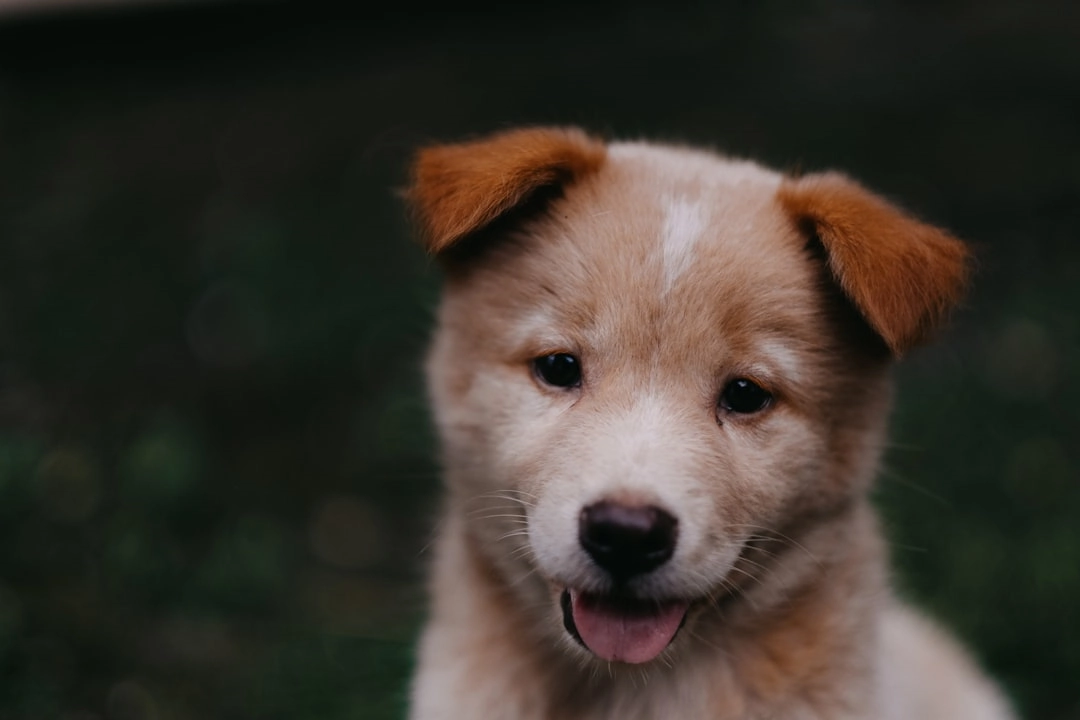
Gentle Approaches to Puppy Training: Setting the Stage
Welcoming a puppy into your home is an exhilarating experience filled with joy, laughter, and a fair share of challenges. One of the most crucial aspects of this journey is training your puppy to be gentle and well-mannered. Did you know that the foundation of a puppy’s behavior is laid during its early developmental stages? Understanding how to nurture gentleness in your puppy not only fosters a strong bond between you and your furry friend but also ensures a harmonious environment for everyone involved. In this blog, we will explore effective training techniques that promote gentleness, delve into the psychology behind puppy behavior, and provide insights into creating a nurturing atmosphere for your new companion.
Decoding Puppy Behavior: The Key to Gentle Training
To effectively train your puppy for gentleness, it is essential to understand the underlying behaviors that drive their actions. Puppies, like all animals, are influenced by their instincts, socialization experiences, and environmental factors. By decoding these behaviors, you can tailor your training approach to meet your puppy’s unique needs.
One of the fundamental aspects of puppy behavior is their natural instincts. Puppies are born with a set of instincts that guide their actions. For instance, they have a strong instinct to explore their surroundings, which can sometimes lead to nipping or biting as they investigate the world around them. Understanding this instinct is crucial for training, as it allows you to redirect their energy towards more appropriate behaviors.
Socialization is another critical factor in shaping a puppy’s behavior. During the first few months of life, puppies are highly impressionable and learn how to interact with other animals and humans. Positive experiences during this period can lead to a well-adjusted adult dog, while negative experiences can result in fear or aggression. Therefore, exposing your puppy to various environments, people, and other animals in a controlled and positive manner is essential for fostering gentleness.
Moreover, breed-specific behaviors can also play a significant role in how a puppy behaves. Different breeds have unique traits and tendencies that can influence their behavior. For example, herding breeds may exhibit more energy and a desire to chase, while toy breeds may be more prone to anxiety. Understanding these breed-specific behaviors can help you tailor your training methods to suit your puppy’s natural inclinations.
In addition to instincts and socialization, environmental factors also impact puppy behavior. The home environment, including the presence of children, other pets, and even the layout of your living space, can influence how a puppy behaves. Creating a safe and stimulating environment is vital for encouraging gentle behavior. Providing appropriate toys, engaging in interactive play, and establishing a routine can help channel your puppy’s energy positively.
Positive reinforcement is a cornerstone of effective puppy training. This method involves rewarding desired behaviors with treats, praise, or playtime, reinforcing the idea that gentleness is a behavior worth repeating. For instance, when your puppy interacts gently with a toy or another pet, offering a treat or verbal praise can help them associate gentleness with positive outcomes. This approach not only encourages good behavior but also strengthens the bond between you and your puppy.
Consistency is key when training for gentleness. Puppies thrive on routine and clear expectations. Establishing consistent commands and cues will help your puppy understand what is expected of them. For example, using the same word or phrase when asking your puppy to be gentle will reinforce the behavior over time. Additionally, being patient and understanding during the training process is essential, as puppies may not grasp concepts immediately.
In conclusion, nurturing gentleness in your puppy requires a comprehensive understanding of their behavior and the factors that influence it. By decoding their instincts, socialization experiences, and environmental influences, you can create a training plan that promotes gentleness and fosters a loving relationship. Remember, training is a journey, and with patience, consistency, and positive reinforcement, you can raise a calm and gentle companion who brings joy to your life.
Essential Training Techniques for Gentle Puppies
Training your puppy goes far beyond teaching commands; it’s about forming a robust foundation for positive behavior that nurtures both calmness and companionship. Training is vital for several reasons, primarily to foster understanding and connection between you and your puppy. Puppies are curious creatures who seek guidance as they navigate their new environments, and training provides that framework, shaping their experiences with kindness and clarity.
One significant benefit of training is that it enhances communication. When you engage in training, you help your puppy learn not just words, but the meanings behind them. This enriched communication becomes critical in fostering a trusting relationship, making your puppy more inclined to listen and respond appropriately when asked to exhibit gentle behaviors. Additionally, solid training imparts the guidance that is crucial for positive social interactions. A well-trained puppy is more at ease in unfamiliar situations, helping alleviate fear that may lead to undesired behavior.
The principles of effective training hinge largely on consistency and positive reinforcement. Puppies thrive on predictability; hence establishing a routine lets your puppy know what to expect, making the training process less intimidating. When it comes to instruction, adhering to positive reinforcement involves rewarding desired behaviors. This can entail using treats, praise, or toys every time your puppy successfully follows a command or exhibits a calming behavior. In the beginning, your goals in training should focus on basic commands that signal calming actions such as “sit,” “stay,” and “gentle.”
To provide a step-by-step guide for beginner puppy training, start with basic commands. Gradually transition into commands while increasing the complexity of each behavior over time. Begin by finding a suitable environment that minimizes distractions; choose a space indoors or a quiet outdoor area to increase focus. Use clear, consistent vocal cues followed by hand signals. Initially, keep sessions short and fun; only dedicate 5-10 minutes at a time to maintain your puppy’s attention and reduce any risk of frustration.
Repeat commands multiple times over several sessions, interspersing both success and enough quiet moments for reflection on what they’ve learned. As they succeed, ensure immediate rewards—praising their gentleness as it appears—will deeply engrain desirable behaviors and serve as intrinsic motivation. Remember, compassion combined with positivity speaks volumes when handling training as part of your unique bond.
Navigating and Resolving Behavioral Challenges
Puppies, while adorable and loveable, can sometimes exhibit behavioral issues that lead their caregivers to stress or anxiety about training and coexistence. Understanding these common problems—and the solutions for addressing them—constitutes an essential component of developing a gentle, balanced canine companion.
A prevalent issue many puppy owners face is jumping up on people, typically a sign of excitement and an instinctual form of greeting. Encouragingly, positive reinforcement can tackle this misbehavior effectively: teach them an alternative action such as ‘sit’ when meeting people and reward them with treats and praise when they respond appropriately, allowing joyful greetings while maintaining respectful boundaries.
Another challenge could be mouthing or nipping, especially common among puppies that are still learning self-control. This play habit may escalate out of exuberance or through teething discomfort. Providing appropriate chew toys can redirect this unwanted behavior. Also employing corrective, firm yet gentle verbal cues when the puppy tries to mouth human hands can assist them in understanding proper social cues.
Fear-related behaviors can surface, particularly if your puppy wasn’t extensively socialized as a young pup. Ensuring slow, positive exposure to different environments, people, and sounds through controlled situations—such as introducing strangers only in familiar areas while employing lots of praise—is effective to combat fear and should stave off underlying anxiety in your canine friend.
If training encounters challenges that seem overwhelming, remember professional help could lead to transformative adjustments and development for your pup. Building a relationship with a certified dog trainer can open paths toward customized approaches aimed at specific hurdles in your training journey.
Some behaviors indicate the necessity for consulting a canine behavior specialist or trainer before undertaking sessions independently. These areas might include excessive barking, intense food guarding, or trouble adapting to daily interactions with other people and animals. Identifying concerns early prevents an uphill struggle with angst at homes where optimum gentleness ought to thrive.
In summary, early training paired with sound strategies leads to smoother social development and a familiar environment promoting calm responses. Gentle approaches trained into a pup’s upbringing lay groundwork in controlling behavior while accommodating organic tendencies—promoting steady behavioral success throughout puppyhood and into adult life.

Creating a Stimulating Environment for Your Puppy
When it comes to nurturing calm and gentle companions, the importance of mental and physical stimulation cannot be overstated. Engaging your puppy in various activities is not only vital for their physical health but also plays a crucial role in preventing behavioral issues that may arise from boredom or pent-up energy. Puppies are naturally curious and energetic, and providing them with enriching experiences helps channel that energy in positive ways.
Mental stimulation can take many forms, including puzzle toys, interactive games, and training sessions that challenge your puppy’s cognitive abilities. For example, using treat-dispensing toys encourages problem-solving as your puppy figures out how to access the treats inside. This type of engagement keeps their minds sharp and can prevent unwanted behaviors such as chewing or excessive barking that often stem from boredom.
Physical stimulation is equally important, as it helps your puppy develop coordination and muscle strength while also expending energy. Regular walks, play sessions in the yard, or trips to the dog park allow your puppy to explore their environment, interact with other dogs, and enjoy the great outdoors. Activities like fetch or tug-of-war not only provide physical exercise but also reinforce the bond between you and your puppy, as these games encourage teamwork and trust.
Moreover, incorporating varied experiences into your puppy’s routine can prevent the onset of anxiety-related behaviors. Puppies thrive on routine, but they also benefit from exposure to different environments, sounds, and situations. Gradually introducing your puppy to new experiences—like meeting different people, visiting various locations, or encountering new animals—can help them develop confidence and adaptability. This proactive approach reduces the likelihood of fear-based reactions, promoting a calm demeanor in various settings.
Enrichment activities should be age-appropriate and tailored to your puppy’s individual personality and energy levels. For instance, some puppies may enjoy more active play, while others might prefer quieter, more contemplative activities like scent games, where they use their sense of smell to find hidden treats. Observing your puppy’s preferences and adjusting the enrichment activities accordingly ensures they remain engaged and satisfied.
In summary, creating a stimulating environment for your puppy is crucial for their overall well-being. By providing mental and physical enrichment, you help prevent behavioral issues, promote healthy development, and nurture a calm, gentle companion who thrives in various situations.
Clearing Up Common Myths About Puppy Training
As puppy owners embark on the journey of training their new companions, they often encounter a variety of questions and misconceptions that can create confusion or hinder their training efforts. Understanding the facts surrounding puppy training is essential for fostering a positive experience for both the owner and the puppy.
One common misconception is that puppies will naturally know how to behave without training. While puppies come with instinctual behaviors, they do not inherently understand what is acceptable in a human household. Training is essential to teach them proper etiquette, socialization skills, and how to respond to commands. It’s a common belief that puppies will “grow out” of undesirable behaviors, but without guidance, these habits may become ingrained and difficult to change later.
Another frequently asked question revolves around the effectiveness of punishment-based training methods. Many owners believe that harsh discipline is necessary to correct unwanted behaviors. However, studies have shown that positive reinforcement—rewarding desired behaviors rather than punishing undesired ones—leads to more effective and lasting results. Punishment can create fear and anxiety in puppies, making them more likely to exhibit undesirable behaviors or develop behavioral issues in the long run. Instead, focus on encouraging positive behaviors through praise, treats, and play.
Many new puppy owners also worry about the timeline for training. They may feel discouraged if their puppy doesn’t learn commands immediately. It’s essential to remember that training is a gradual process, and each puppy learns at their own pace. Patience and consistency are key. Short, frequent training sessions that incorporate play and rewards are more effective than long, drawn-out sessions that can lead to frustration for both the puppy and the owner.
Some owners might also believe that training should only occur during the puppy’s early months. While the first few months are crucial for establishing foundational behaviors, training can—and should—continue throughout a dog’s life. Ongoing training not only reinforces learned behaviors but also introduces new commands and skills, keeping your puppy mentally engaged and socially adept as they mature.
Lastly, there is a misconception that certain breeds are easier or harder to train than others. While breed characteristics can influence a puppy’s learning style and energy levels, every puppy is an individual with their own personality. Factors such as socialization, training techniques, and the owner’s commitment to consistent training play a more significant role in a puppy’s ability to learn than breed alone. With the right approach, patience, and love, any puppy can become a well-behaved and gentle companion.
In conclusion, addressing common questions and misconceptions about puppy training is essential for creating a positive and effective training experience. By focusing on the importance of proper training techniques and the unique needs of each puppy, owners can foster a loving relationship and nurture calm companions for years to come.
