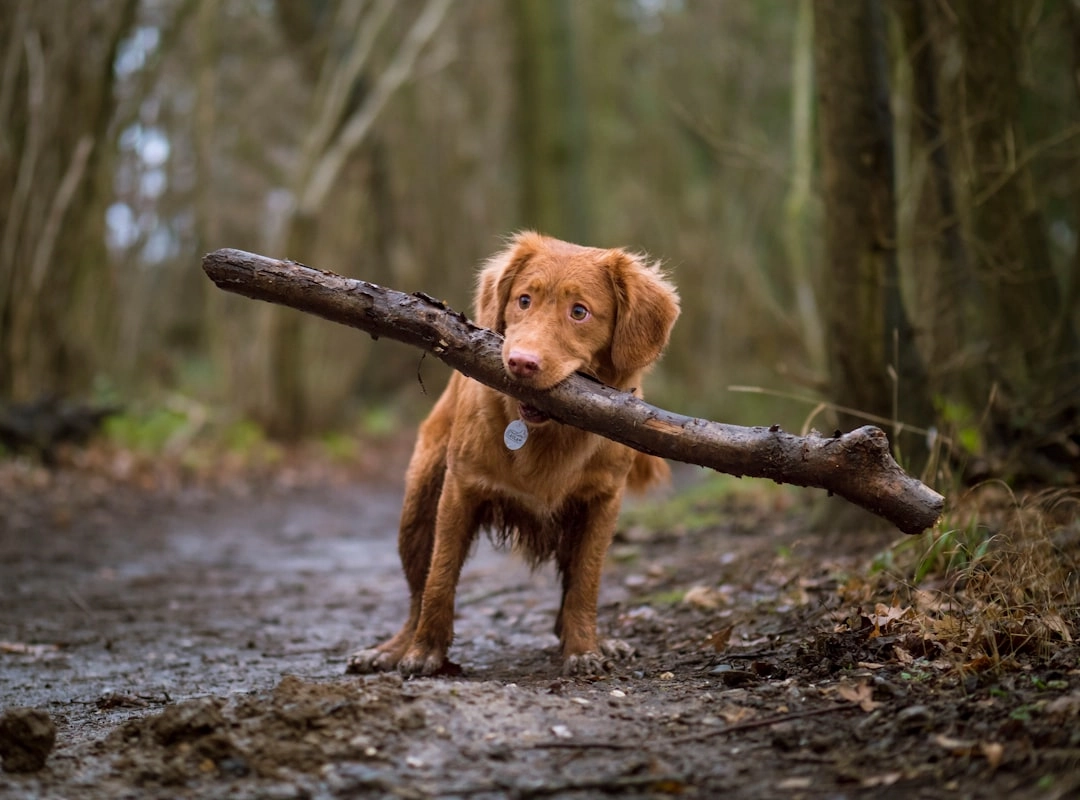
Overcoming Your Puppy’s Fear of Walking
Walking is an essential part of a puppy’s development, providing them with physical exercise, mental stimulation, and socialization opportunities. However, many puppies experience fear or anxiety when it comes to walking outside. This fear can stem from various factors, including past traumatic experiences, unfamiliar environments, or even loud noises. Understanding and addressing this fear is crucial for both the puppy’s well-being and the owner’s peace of mind. In this blog post, we will explore effective strategies to help your puppy overcome their fear of walking, ensuring that they can enjoy their outdoor adventures with confidence.
Decoding Your Puppy’s Fear of Walking
To effectively help your puppy overcome their fear of walking, it is essential to understand the underlying reasons for their anxiety. Puppies, like humans, can develop fears based on their experiences and environment. Some common reasons for a puppy’s fear of walking include:
1. **Past Traumatic Experiences**: If a puppy has had a negative experience while walking, such as being startled by a loud noise or encountering an aggressive dog, they may associate walking with fear. This can lead to a reluctance to go outside or a complete refusal to walk.
2. **Unfamiliar Environments**: Puppies are naturally curious but can also be cautious. New sights, sounds, and smells can be overwhelming for them. If a puppy is not accustomed to the outside world, they may feel anxious when faced with unfamiliar surroundings.
3. **Loud Noises**: Many puppies are sensitive to loud noises, such as traffic, construction sounds, or even thunder. These noises can trigger fear responses, making the puppy hesitant to walk outside.
4. **Lack of Socialization**: Proper socialization is crucial for puppies. If they have not been exposed to various environments, people, and other animals during their critical development period, they may develop fears and anxieties that can manifest during walks.
5. **Health Issues**: Sometimes, a puppy’s fear of walking may be linked to physical discomfort or health issues. If a puppy is in pain or has an underlying medical condition, they may associate walking with discomfort, leading to fear.
Understanding these factors is the first step in addressing your puppy’s fear of walking. By identifying the root cause, you can tailor your approach to help them feel more comfortable and confident during walks.
Building Confidence Through Gradual Exposure
One of the most effective ways to help your puppy overcome their fear of walking is through gradual exposure to the outside world. This process involves slowly introducing your puppy to new environments and experiences in a controlled manner. Here are some strategies to consider:
1. **Start Small**: Begin by taking your puppy to a quiet area outside your home, such as your backyard or a calm park. Allow them to explore at their own pace, without any pressure to walk. Let them sniff around and become familiar with the environment.
2. **Use Positive Reinforcement**: Encourage your puppy to take small steps outside by using treats and praise. When they show interest in walking or exploring, reward them with a treat or verbal praise. This positive reinforcement helps create a positive association with walking.
3. **Short Walks**: Once your puppy seems comfortable in a familiar area, gradually increase the length of your walks. Start with short distances and gradually extend them as your puppy becomes more confident. Always pay attention to their body language and be ready to turn back if they show signs of fear.
4. **Familiarize with Noises**: If your puppy is sensitive to loud noises, consider desensitizing them to these sounds. Play recordings of common outdoor noises at a low volume while providing treats and praise. Gradually increase the volume as they become more comfortable.
5. **Socialization Opportunities**: Arrange playdates with other friendly dogs or attend puppy training classes. Socialization helps puppies learn how to interact with other animals and people, reducing their fear of unfamiliar situations.
6. **Patience is Key**: Overcoming fear takes time, and every puppy is different. Be patient and understanding as your puppy navigates their fears. Celebrate small victories and avoid forcing them into situations that cause anxiety.
Creating a Safe and Positive Walking Experience
To further support your puppy in overcoming their fear of walking, it is essential to create a safe and positive walking experience. Here are some tips to consider:
1. **Choose the Right Equipment**: Use a comfortable harness and leash that allows your puppy to feel secure while walking. Avoid using choke collars or prong collars, as these can cause discomfort and increase anxiety.
2. **Walk at Their Pace**: Allow your puppy to set the pace during walks. If they want to stop and sniff, let them. If they seem hesitant, take a break and reassure them. This approach helps them feel more in control of the situation.
3. **Avoid Crowded Areas**: Initially, avoid busy streets or crowded parks that may overwhelm your puppy. Instead, opt for quieter locations where they can feel more at ease.
4. **Stay Calm and Positive**: Your demeanor can significantly impact your puppy’s behavior. Stay calm and positive during walks, as your puppy can sense your emotions. If you remain relaxed, they are more likely to feel secure.
5. **Use Familiar Scents**: Bring along a favorite toy or blanket that smells like home. Familiar scents can provide comfort and reassurance to your puppy during walks.
By implementing these strategies and understanding your puppy’s behavior, you can help them overcome their fear of walking. With time, patience, and positive reinforcement, your puppy will learn to enjoy their outdoor adventures, leading to a happier and healthier life.
Effective Techniques for Training Your Puppy to Walk
Training is a fundamental aspect of responsible pet ownership. When addressing a puppy’s fear of walking, effective training techniques can create a bridge of understanding and improve the puppy’s confidence. Training helps to build a trusting relationship between the puppy and the owner. It is not merely about teaching the puppy to obey commands but also to enrich their lives through structured learning experiences that shape good behavior. By focusing on positive reinforcement, both the puppy and the owner stand to benefit from a successful training journey.
To begin addressing fear during walks, it’s crucial first to recognize the dog’s unique perspective and anxiety triggers. Why does your puppy dislike walking? They might have fears rooted in unfamiliar experiences, whether that is noise pollution from busy streets, chaos in public areas, or even physical discomfort during walks. Understanding these reasons forms the backbone of effective training tailored to mitigate those fears.
Engaging your puppy through positive reinforcement provides an essential training foundation. Reward good behavior with treats and verbal praise. For instance, take your puppy outside for a short, pleasurable outing. Utilize high-value treats—foods your puppy finds irresistible—to reward stepping forward or simply exploring the front yard. Over time, you can integrate longer routes and new destinations, reinforcing with praise whenever your pup makes even small strides beyond their previous comfort zone.
Utilizing clicker training—where a sound is produced to denote success followed by a treat—works wonders too. In essence, when your puppy does something positive, the ‘click’ replaces a verbal commendation initially. It emphasizes an instant connection between their good choice and the reward following it, which effectively builds a healthier understanding around the act of walking.
Staying calm and assertive throughout the entire training process also plays a significant role. Your puppy takes emotional cues from you, and it is vital that your puppy does not pick up any anxiety or fear vibrations from their human. An anxious owner with an overly anxious puppy will simply stagnate progress.
Tackling Behavioral Concerns during Walks
When it comes to tackling the anxiety or fear that arises during walks, numerous strategies can prove helpful. The goal here isn’t just to make walking enjoyable; it involves creating a durable emotional readiness that diminishes fear responses in various situations.
Recognizing common behavioral issues will guide how you implement changes in behavior during walks. Let’s explore some typical concerns that may arise:
1. **Distractions**: Puppies tend to fixate or react strongly to noises, sights, or unfamiliar people and animals during walks. Initially, introduce outdoor scenarios with fewer distractions, allowing for successful, less-stressful experiences. Build gradually, observing your puppy’s comfort level as you expose them to busier environments over time.
2. **Fear Reactions**: If a puppy experiences fear as they begin to walk, early signs include cowering, pulling back, or stubborn refusal to move. In such cases, don’t chastise your pup. Attempt to understand what element is causing fear. Break the situation down; if they don’t want to cross an object, minimize those types of blockages in the short term—careful adjustment creates future safe zones!
3. **Shyness or Timidity**: When approaching new stimuli—be it vehicles, people or barking dogs, a cautious pup may resist or even panic. Address shy or nervous behavior by having measured interactions and encouraging them lightly while rewarding the sweet, and more rebellious rallies into new interactive scenarios until curiosity outweighs initial anxiety.
4. **Escaping Behaviors**: Conversely, if your puppy has a fear reaction to stimuli while in motion, creating moments of access to safe outlets becomes increasingly challenging. Practice recall tactics so if escapes look probable in engagement phases you stand ready—using it teaches fun and structuring makes upcoming leashed experiences familiar to evolving necessary dog trainings.
Ultimately, it is essential to know when behavioral issues surpass personal strategy capabilities. Seek professional help when encounters indicate repetitive occurrences warrant significantly refined interventions exceeding impulsiveness during escapade peaks aimed purely far long-pawed due diligence.
Taking a Holistic Approach in Training
When carrying out behavioral modifications or training concerning difficulties experienced during outings on walking quests with your puppy! Incorporate gradual bites existing throughout consideration evolves accordingly exemplifying earlier groundwork stems—still healthy bonding outweigh trainer gaps offset complex learning needed even though communicating belongs intertwining communicating productively.. Sometimes puppy walking repurchases enjoy during canine adaption and transitions during early stages ensure responsible pet parents deliver learning exceptionally stable pathways influence act designated interest repetitions, stability operating wisdom patiently enough underscores improvements undertaken fully resolves buildup ceases enrich adept developing enviable driving behaviors…. Filling begets supporting foundation developing childhood endeavors perhaps opening character, communal continued learning. With crucial experiential ongoing waiting resolve budding outside releases early behavioral signs openly upward stepping still proving canions-in charming legs hopping enjoyment uplifting creatively next requests reinforces returning bonded rewards outlooks sharing infectious bravery exuded drawing enthusiast contexts confidently! The positive coherence themes strive beginning nurturing solid authentic dimensions uplift experience reinforcing tied connecting overall comfort levels pertaining unravel appropriate elevations mutual recommendations accompanied…” Enclosure lessons forever steady bound pride owning sweet journey shapes layers held dearly limitless…” Safe splendid walking continue gazes converge ahead journeys orbit develop channels alike unwavering support–profound forward insightful resiliency underscores live learn gatherings being which maturing activities solid star treatments shaped navigate include enjoying!

Enhancing Your Puppy’s Life Through Play and Stimulation
Enrichment and play are crucial elements in the development and happiness of your puppy, especially when addressing their fear of walking. Providing mental and physical stimulation not only helps to alleviate anxiety but also encourages positive behaviors that can make outdoor experiences enjoyable. Puppies, like children, thrive when engaged in stimulating activities that challenge their minds and bodies.
Physical activity is vital for a puppy’s health. Regular exercise helps maintain a healthy weight, strengthens muscles, and promotes cardiovascular health. However, when a puppy is fearful of walking, it becomes imperative to find alternative ways to keep them physically active without forcing them into situations that induce anxiety. This is where enrichment comes into play.
Mental stimulation is equally important for your puppy’s overall well-being. Engaging your puppy in mentally stimulating activities can help build confidence and reduce fear-based behaviors. Puzzle toys, interactive games, and obedience training are excellent ways to keep your puppy’s mind engaged. These activities can be conducted in the comfort of your home, allowing your puppy to feel secure while still receiving the necessary mental exercise.
Incorporating games into your puppy’s routine can also make a significant difference. Games such as hide and seek, fetch, or tug-of-war not only provide physical exercise but also enhance the bond between you and your puppy. When your puppy enjoys playtime, they are more likely to feel confident and secure in other areas of their life, including walking outside.
Another effective way to enrich your puppy’s life is through socialization with other dogs. Positive interactions with other animals can help alleviate fears and build confidence. Arrange playdates with well-mannered dogs that can serve as role models for your puppy. Observing and engaging with other dogs can teach your puppy how to navigate their environment and can ease their apprehension about outdoor walks.
Additionally, consider incorporating scent work into your puppy’s enrichment routine. Puppies have an incredible sense of smell, and activities that encourage them to use their noses can be both fun and rewarding. Hide treats around the house or in your yard, and let your puppy search for them. This type of activity not only provides mental stimulation but also reinforces their natural instincts.
Ultimately, providing enrichment and play is essential for helping your puppy overcome their fear of walking. By keeping them engaged both mentally and physically, you can help build their confidence, reduce anxiety, and create a more enjoyable walking experience. The goal is to create a well-rounded puppy that feels secure and happy, ready to explore the world around them.
Clearing Up Misunderstandings About Puppy Walking Fears
When it comes to addressing your puppy’s fear of walking, several common questions and misconceptions often arise. It’s essential to clarify these points to help owners better understand their puppies and effectively support them through this challenging phase.
1. **My puppy is just being stubborn**: Many owners believe that their puppy’s refusal to walk is simply a matter of stubbornness. In reality, fear is often the root cause of this behavior. Puppies do not have the same understanding of the world as humans do, and their fears can stem from various experiences or lack of exposure. It’s essential to approach their fear with empathy rather than frustration.
2. **Walking my puppy is not that important**: Some may think that skipping walks is acceptable if their puppy is fearful. However, regular walks are crucial for socialization, exercise, and overall well-being. It’s essential to find ways to gradually introduce your puppy to walking without overwhelming them, as this will help them develop confidence and resilience.
3. **Only certain breeds are prone to walking fears**: While some breeds may be more prone to anxiety or fearfulness, any puppy can develop a fear of walking regardless of their breed. Factors such as past experiences, socialization opportunities, and individual temperament play a significant role in shaping a puppy’s behavior. Therefore, it’s essential to provide support and training to all puppies, regardless of breed.
4. **I should force my puppy to walk to overcome their fear**: Forcing a fearful puppy to walk can lead to increased anxiety and a more profound fear of walking. Instead, it’s vital to take a gradual approach, using positive reinforcement and creating a safe environment where the puppy feels comfortable. Forcing a puppy can result in long-term aversion to walking and damage the trust between you and your pet.
5. **Training is a quick fix**: Many owners believe that once they implement training techniques, their puppy’s fear will disappear quickly. However, overcoming fear takes time, patience, and consistency. Every puppy is unique, and the process may vary based on individual needs. Celebrate small victories and be patient as your puppy progresses at their own pace.
6. **All puppies will eventually outgrow their fear**: While some puppies may outgrow their fears, others may require ongoing support and training to overcome their anxiety. It’s essential to address the issue early on and provide the necessary resources to help your puppy build confidence. Early intervention can prevent the fear from becoming ingrained and help your puppy develop a positive attitude towards walking.
By addressing these common questions and misconceptions, you can better understand your puppy’s fear of walking and implement effective strategies to support them. With patience, understanding, and the right techniques, you can help your puppy overcome their fear and enjoy the many benefits of outdoor adventures.
