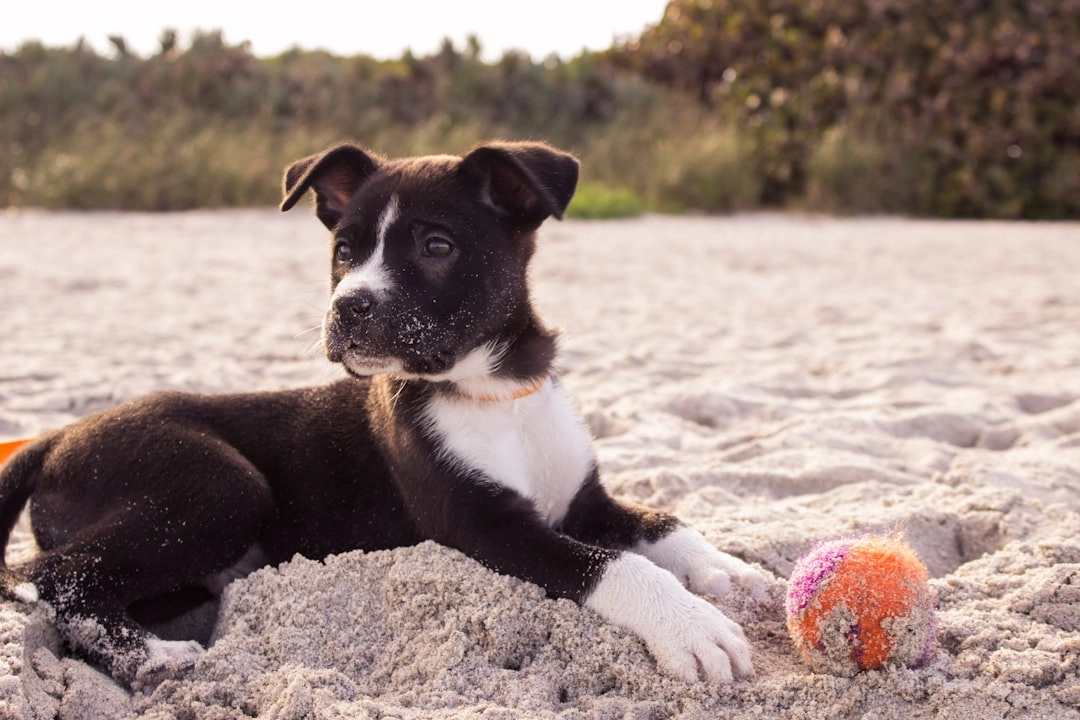
Overcoming Puppy Crowd Fear: A Comprehensive Guide
As a pet owner, one of the most challenging experiences can be witnessing your puppy’s fear in crowded situations. This fear, often referred to as “crowd anxiety,” can manifest in various ways, including trembling, barking, or attempting to escape. Understanding and managing this fear is crucial for your puppy’s development and overall well-being. Did you know that many puppies go through a fear period during their early development stages? This is a natural part of their growth, but it requires careful handling to ensure they grow into confident, well-adjusted adult dogs. In this guide, we will explore effective strategies for managing puppy crowd fear, helping you create a positive environment for your furry friend.
Decoding Puppy Behavior: Insights into Their Fear Responses
To effectively manage your puppy’s fear of crowds, it’s essential to understand the underlying behaviors that contribute to this anxiety. Puppies, like all animals, have natural instincts that drive their reactions to new experiences. Fear responses in puppies can be attributed to several factors, including genetics, early socialization experiences, and individual temperament. For instance, some breeds are more predisposed to anxiety than others, while puppies that have had limited exposure to various environments may react more fearfully in unfamiliar situations.
During their early developmental stages, puppies undergo critical fear periods, typically occurring between 8 to 16 weeks of age. During this time, they are particularly sensitive to new experiences, and negative encounters can have lasting effects on their behavior. Understanding this aspect of puppy psychology is vital for pet owners. It allows you to approach socialization and exposure to crowds with care and consideration, ensuring that your puppy has positive experiences that build their confidence.
One of the most effective ways to help your puppy overcome crowd fear is through gradual exposure. This technique involves slowly introducing your puppy to crowded environments in a controlled manner. Start by visiting less crowded areas and gradually increase the level of exposure as your puppy becomes more comfortable. This process, known as desensitization, helps your puppy associate crowds with positive experiences rather than fear.
Additionally, positive reinforcement plays a crucial role in modifying your puppy’s behavior. Rewarding your puppy with treats, praise, or playtime when they remain calm in crowded situations reinforces the idea that being around people and other dogs is a positive experience. This approach not only helps alleviate fear but also strengthens the bond between you and your puppy.
It’s also important to recognize the signs of fear in your puppy. Common indicators include cowering, hiding, excessive barking, or attempts to flee. By being attentive to these behaviors, you can intervene early and provide the necessary support to help your puppy feel safe and secure. Creating a safe space at home where your puppy can retreat when feeling overwhelmed is another effective strategy. This space should be quiet and comfortable, allowing your puppy to relax and recharge.
In addition to exposure and positive reinforcement, engaging your puppy in enrichment activities can significantly reduce anxiety. Activities such as puzzle toys, scent games, and interactive play can help channel your puppy’s energy and focus, making them less prone to fear responses. These activities stimulate your puppy’s mind and provide an outlet for their natural instincts, promoting overall well-being.
Lastly, consider seeking professional help if your puppy’s fear of crowds is severe or persistent. A certified dog trainer or behaviorist can provide tailored strategies and support to address your puppy’s specific needs. They can guide you through the process of socialization and help you implement effective training techniques that promote confidence and reduce anxiety.
In summary, understanding your puppy’s behavior and the factors contributing to their fear of crowds is essential for effective management. By employing gradual exposure, positive reinforcement, and engaging enrichment activities, you can help your puppy navigate their fears and grow into a confident, well-adjusted adult dog. Remember, patience and consistency are key in this journey, and with your support, your puppy can learn to thrive in any environment.
Essential Training Techniques for Overcoming Puppy Fear
Training your puppy is an essential component of helping them build confidence, especially in overcoming crowd fear. Understanding the value of proper training not only helps your puppy navigate challenging situations but also strengthens the bond you share with them. Effective training minimizes behavioral issues while ensuring the safety and well-being of both your puppy and those around them. By implementing a structured and positive reinforcement-based training regimen, you can foster a sense of security within your puppy, reducing their fear responses over time.
One of the key principles of dog training revolves around the concept of positive reinforcement. When a puppy is rewarded for desirable behaviors, it increases the likelihood of those behaviors occurring again. This process motivates puppies to engage in desirable actions while associating training sessions with enjoyment and rewards. Utilizing treats, praise, or play can significantly boost your puppy’s confidence in crowded environments, helping them overcome their fear of crowds through repetition and support.
To begin training, it’s vital to set a structured environment. Ensure your training space is free of distractions. Employ basic commands, such as “sit,” “stay,” and “come,” as these form the foundation of your training sessions. These initial commands promote overall discipline and improve your puppy’s willingness to listen amid the chaos of crowded environments. Moreover, positively reinforcing adherence to these commands helps alleviate apprehension; your puppy learns to trust your guidance.
A step-by-step training approach often works wonders for puppies dealing with crowd anxiety. Break down your training regimen into smaller, manageable steps. For example, a gradual exposure method ensures that your puppy becomes acquainted with the idea of being near crowds without feeling overwhelmed. Start by allowing your puppy to observe smaller gatherings before exposing them to larger crowds. Incorporate treats and playtime whenever your puppy remains calm; this helps forge positive associations.
Consistency in training is vital. Short daily training sessions, ideally around 5 to 10 minutes each, help instill confidence and reinforce skills. Frequency in these sessions makes the knowledge easier to retain and reduces the chances of stress on your puppy’s part. Always be patient, keeping in mind that establishing solid training foundations may take time, especially when addressing unique fears associated with crowded environments.
Furthermore, socialization forms a core tenet of puppy training. Expose your puppy to a wide range of different environments, sounds, and experiences, all while assuring them of their safety and providing rewards for calm behavior. Socialization when they are young, typically through encounters with diverse people, other pets, and various settings, ensures that as they grow, they establish positive experiences rather than negative memories with fear.
Should your puppy exhibit an unfavorable reaction in crowded places—trembling, barking, or seeking to escape—evaluate your training methods and reactions. Correct responses to outbursts during training can help address further anxiety. Observing positive changes after consistently using training techniques encourages puppies while managing negative behaviors effectively.
Tackling Fearful Behaviors in Puppies
Identifying and addressing behavioral issues concerning puppy crowd fear is crucial in promoting your dog’s happiness. When managing anxiety, several common challenges may surface. Developing a critical eye to distinguish between signs of fear and normal puppy excitement lays the foundation for effective troubleshooting strategies. From barking at strangers to aversion to certain sounds, recognizing these fearful behaviors can empower you to take meaningful action for your pet’s benefit.
Some puppies resort to evading approaches in crowded environments by taking up destructive behaviors, such as chewing or engaging in excessive barking. Determining the motives behind your puppy’s reactions allows for targeted training sessions that address the emotional and psychological strains your puppy encounters during crowded settings. Understanding common motivations behind fearful responses enables you to incorporate adaptable strategies aimed directly at addressing the underlying issue.
Develop solutions for behavioral problems manifesting from crowd fear through gradual adjustment. Start with observed triggers; if your puppy reacts negatively to proximity to groups, limit distance to reduce intensity, slowly enhancing exposure over time. Reinforce a connection to entertainment to navigate between distractions and fears effectively. With slow but steady conditioning, establishing constructive ways to cope can carve healthier avenues for emotional progress.
It’s necessary to document behavioral changes, so you can identify enhancements in your puppy’s responses toward crowd environments. Are they remaining calmer? Less responsive? Advocating for adjusted solutions allows progress tracking effectively. Take note of each social encounter’s outcomes to provide a data-driven perspective while approaching similar scenarios down the road.
Working hand-in-hand with a veterinary behaviorist or certified trainer can assist further when challenging anxiety behaviors become daunting or volatile. Relying on professionalism introduces crucial recommendations that evaluate and refine individual behavioral approaches with carefully curated training programs targeted toward crowd-related stress issues. Tailored techniques ensure that your puppy develops fully integrated levels of acceptable behavior aligned with your needs—eliminating environmental distress through tailored programs that advocate responsible pet ownership and happier puppy experiences.
Above all, empowerment means maintaining clear communication with your puppy. Validate feelings to help them understand that fearful experiences do not entrench negative facets of their social encounters. Regular training meets discovery deadlines bridging herd fear modes under command behavior shaped in pacification processes enforced across engaging instances within populated settings in practical modalities. Paving fun avenues toward settling stressful explorations rests fondly on consistent, harmonious resolutions borne from energetic expertise over the importance training addresses sustainability through proper adherent themes responsibly crafted within together spaces optimally becoming indistinguishable regardless of crowds ahead. By effectively tackling these behavioral challenges through concerted measures, you help lay the foundation for a resilient canine companion who thrives even in bustling environments.

Enhancing Your Puppy’s Life Through Play and Enrichment
One of the most effective strategies for managing puppy crowd fear is to incorporate a variety of enrichment activities and play into your puppy’s daily routine. These activities are not only fun but also provide essential mental and physical stimulation, which is crucial for a well-adjusted and confident dog. Enrichment helps to prevent behavioral issues that can arise from boredom or excess energy, especially in puppies that may already be predisposed to anxiety in crowded environments.
Puppies, much like young children, require engagement to thrive. Engaging in enrichment activities allows them to explore their environment, use their senses, and develop problem-solving skills. These activities can range from interactive toys that challenge their intellect to sensory experiences like introducing them to new textures and smells. Regular mental stimulation is vital for puppies as it promotes cognitive development, enhances their learning capacity, and reduces the likelihood of developing fear-based behaviors.
Physical play is equally important. Regular exercise not only keeps your puppy physically fit but also helps release pent-up energy, which can otherwise lead to anxiety and stress, especially in crowded settings. Activities like fetch, tug-of-war, or agility exercises not only strengthen your puppy’s body but also foster a strong bond between you and your pet. Furthermore, incorporating social play with other well-mannered dogs can help your puppy become more comfortable in group settings, easing their fears in crowded environments.
Structured play sessions can also be beneficial. Create a routine that includes both physical and mental exercises. For example, start with a short walk to burn off some energy, followed by a game of hide-and-seek with treats, or use puzzle toys that require your puppy to figure out how to get to the reward. This combination of activities not only enriches their day but also builds confidence, as they learn to tackle new challenges and experience success.
Additionally, incorporating interactive training sessions into playtime can significantly enhance your puppy’s social skills. Teaching them commands or tricks while using their favorite toys as rewards can make training feel like play rather than a chore. This method not only reinforces good behavior but also keeps your puppy engaged and eager to learn, thus fostering a positive attitude toward new experiences, including crowded environments.
Lastly, always remember to provide a safe and comfortable space for your puppy to retreat to after play. Having a designated area where they can relax and unwind after stimulation is crucial for their emotional health. This sanctuary should be free from distractions and noise, allowing your puppy to recharge and feel secure, especially after encountering stressful situations.
Debunking Myths: Addressing Common Concerns About Puppy Crowd Fear
As puppy owners navigate the complexities of managing crowd fear, several misconceptions often arise. Addressing these common questions and misunderstandings is vital for ensuring that pet owners have the correct information and tools to support their furry friends effectively.
One prevalent myth is that puppies will naturally outgrow their fear of crowds without intervention. While some degree of anxiety can decrease with age, it’s crucial to recognize that fear can also become entrenched if not addressed early on. Relying solely on time can lead to further entrenchment of fear responses, making it essential to implement training and socialization strategies to facilitate a more confident transition into adulthood.
Another common misconception is that socialization must occur exclusively in large groups. In reality, socialization can take many forms and should start with smaller, controlled environments where your puppy can gradually acclimate to new experiences. This approach helps reduce overwhelm and fosters positive associations with various stimuli, making larger crowds less intimidating as they grow older.
Some pet owners also believe that fear responses in puppies indicate a lack of discipline or training. It’s important to understand that fear is a natural emotion, and many factors can contribute to a puppy’s anxiety, including genetics, past experiences, and individual temperament. Effective training and socialization can help mitigate these fears, but it’s crucial to approach the issue with compassion rather than frustration.
Additionally, there’s a misconception that all puppies need to be socialized with every dog and person they encounter. In reality, it’s more beneficial to focus on quality interactions rather than quantity. Positive, rewarding experiences with a few well-behaved dogs and calm people can be far more impactful than overwhelming your puppy with numerous encounters that could lead to negative associations.
Lastly, some pet owners worry that exposing their puppies to crowds too soon will cause permanent damage to their behavior. While early exposure is essential, it must be done thoughtfully and at a pace that respects the puppy’s comfort level. Gradual exposure, combined with positive reinforcement, allows puppies to build resilience without overwhelming them.
By addressing these common questions and misconceptions, pet owners can better equip themselves to support their puppies in overcoming crowd fear. Through understanding, compassion, and proper training, you can help your puppy navigate their fears and emerge as a confident and well-adjusted adult dog.
